Graphene Wax
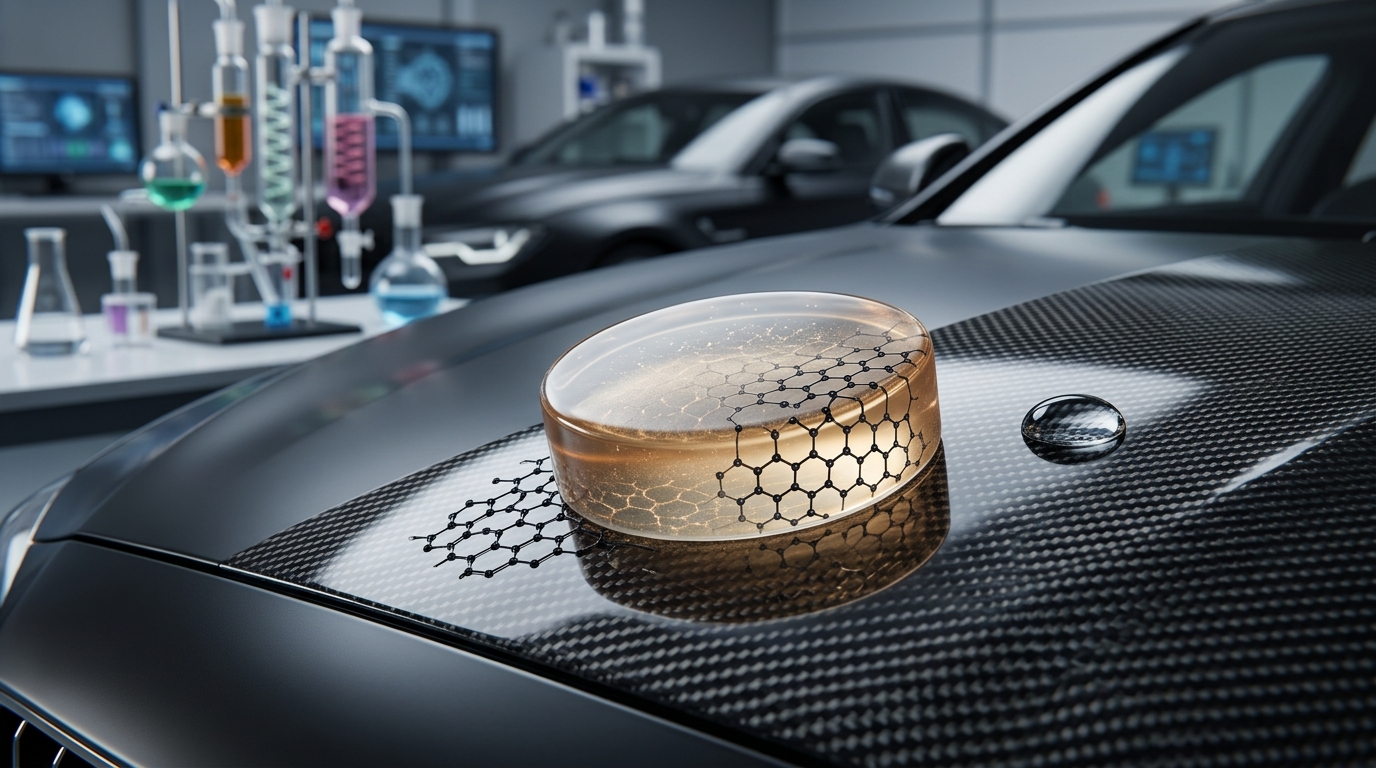
Graphene wax represents one of the most prominent recent evolutions in consumer-grade automotive paint protection. By infusing traditional wax bases with engineered carbon nanomaterials, these formulations aim to bridge the gap between user-friendly carnauba paste waxes and complex professional ceramic coatings.
Understanding what graphene wax actually delivers—and where marketing claims diverge from physical chemistry—is essential before adding it to your detailing regimen.
What Is Graphene Wax?
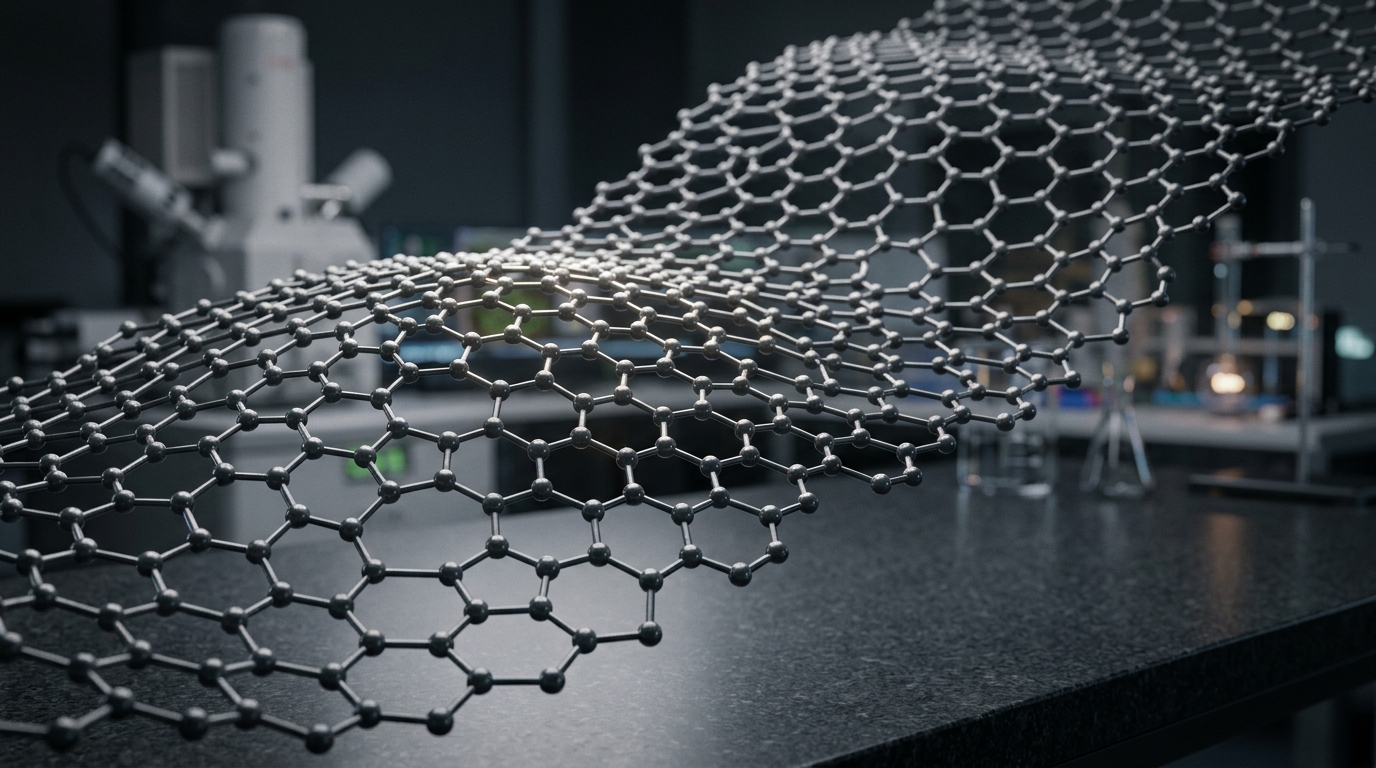
At its core, graphene wax is a hybrid surface protectant. It combines conventional wax carriers—such as natural carnauba wax, synthetic hydrocarbon waxes, or polymer emulsions—with suspended graphene derivatives, primarily reduced graphene oxide (rGO) or graphene nanoplatelets (GNPs).
In standard detailing waxes, natural and synthetic waxes create a sacrificial layer over automotive clear coats, providing temporary gloss and hydrophobic water beading. However, standard waxes degrade rapidly when exposed to high surface temperatures, UV radiation, and alkaline detergents. By dispersing microscopic sheets of functionalized carbon into the wax matrix, manufacturers reinforce the structural integrity of the dried film, creating a more resilient barrier against environmental contamination.
Core Performance Benefits of Graphene-Infused Wax
The integration of graphene nanomaterials into a wax suspension provides several measurable performance enhancements compared to legacy carnauba formulas:
- Reduced Water Spotting via Heat Dissipation: High surface temperatures accelerate water evaporation on vehicle panels, leaving behind concentrated mineral deposits (calcium and magnesium) that etch into clear coats. Graphene possesses exceptional thermal conductivity; within a wax matrix, it helps distribute surface heat more evenly, reducing localized hotspots and lowering the severity of water spot etching.
- Elevated Hydrophobicity and Water Evacuation: Graphene wax formulations typically achieve water droplet contact angles between 100° and 115°. This high contact angle promotes rapid water sheeting and tight beading, which carries away loose surface dust during rain or rinsing.
- Enhanced Slickness and Tactile Feel: The microscopic platelet structure of graphene smooths out microscopic clear coat peaks and valleys, yielding a noticeably slicker finish that reduces friction and dragging during maintenance washes.
- UV Resistance and Oxidation Retardation: Graphene nanoplatelets provide an added layer of UV attenuation, helping to shield organic clear coats and synthetic base resins from photo-oxidative degradation caused by sun exposure.
- Visual Depth and Warm Gloss: Unlike purely synthetic coatings that sometimes produce a sharp, glass-like reflection, graphene waxes balance the deep, warm optical depth of natural carnauba with the reflective clarity of synthetic polymers.
Separating Marketing Claims from Reality
The introduction of graphene to consumer car care has generated substantial marketing hype. Differentiating physical reality from promotional exaggerations ensures realistic expectations.
Suspension vs. Chemical Bonding
True professional-grade coatings rely on reactive silane or polysilazane backbones that form covalent chemical bonds with the automotive clear coat. Graphene wax, by contrast, is an intermolecular suspension. The wax acts as a mechanical carrier that adheres to the surface primarily through physical adsorption. While graphene strengthens the wax film, it does not permanently cross-link to the clear coat at a molecular level.
The "Scratch-Proof" and "10H Hardness" Myth
No consumer wax—graphene-infused or otherwise—is scratch-proof. Marketing claims asserting that a rub-on wax creates an impenetrable, bulletproof, or diamond-hard layer are scientifically inaccurate. While graphene itself in pristine monolayer form exhibits extreme tensile strength, microscopic flakes dispersed inside a soft wax carrier cannot impart mechanical scratch resistance against stone chips, improper wash techniques, or keyed paint. It functions as a sacrificial barrier against chemical etching, bird droppings, and UV rays, not mechanical abrasion.
Graphene Wax vs. Alternative Paint Protection
Choosing the right paint protection requires balancing durability, cost, ease of application, and aesthetic preference.
| Feature | Traditional Carnauba Wax | Ceramic (SiO2) Wax | Graphene Wax | Professional Graphene Coating |
|---|---|---|---|---|
| Primary Active Chemistry | Natural palm wax, solvents | Silicon dioxide (SiO2) polymers | rGO / Nanoplatelets in wax/polymer base | Covalently bonded rGO/polysilazane resins |
| Durability Lifespan | 4 to 8 weeks | 2 to 4 months | 3 to 6 months | 2 to 5+ years |
| Heat / Spotting Resistance | Low (softens in high heat) | Moderate (can suffer water spotting) | High (superior heat dissipation) | Very High (chemical & thermal resilience) |
| Application Difficulty | Very Easy | Easy | Easy to Moderate | High (requires professional paint prep) |
| Scratch Resistance | None | None | None | Minor swirl resistance only |
| Cost Profile | Low | Low to Moderate | Moderate | High |
Form Factors: Spray-On vs. Paste Graphene Wax
Graphene waxes are primarily formulated into two delivery mechanisms:
- Liquid / Spray-On Graphene Wax: Formulated with water-based synthetic emulsions, spray waxes prioritize speed and ease of use. They serve as excellent stand-alone protection for quick detail sessions or as maintenance toppers to rejuvenate underlying coatings. Spray formulations generally exhibit a slightly shorter lifespan (2 to 4 months) due to their thinner film build.
- Paste / Cream Graphene Wax: These formulations contain higher concentrations of carnauba, synthetic resins, and carrier solvents. Paste variants offer superior minor defect-filling capabilities, a deeper gloss profile, and thicker film thickness, typically delivering the full 4 to 6 months of durability.
Substrate Compatibility: Coatings, PPF, and Wraps
Graphene wax is chemically versatile and safe for multiple automotive surfaces:
- Existing Ceramic and Graphene Coatings: Graphene wax acts as a sacrificial maintenance layer over true cured coatings without degrading the underlying ceramic matrix.
- Paint Protection Film (PPF) and Vinyl Wraps: Quality graphene waxes do not contain harsh abrasives, making them safe for glossy PPF and color-change wraps. They help preserve film flexibility and guard against UV yellowing. Avoid using paste waxes with heavy white fillers on matte or satin finishes unless explicitly rated for matte surfaces.
- Exterior Plastics and Trim: Unlike traditional carnauba waxes that leave chalky white residue on unpainted textured trim, modern synthetic-carrier graphene waxes generally wipe clean without staining rubber or plastic moldings.
Expected Durability and Longevity
Under typical driving conditions, a properly applied graphene wax lasts between 3 to 6 months. However, real-world longevity depends heavily on external variables:
- Washing Frequency and Chemistry: Using high-pH degreasers or automatic touchless washes with aggressive alkaline chemicals accelerates wax breakdown.
- Vehicle Storage: Garaged vehicles experience significantly less UV degradation and atmospheric fallout compared to vehicles parked outdoors full-time.
- Mileage and Climate: High-mileage highway driving through road salt, winter brine, or heavy acid rain reduces the protective lifespan.
Step-by-Step Preparation and Application Guide
Proper surface decontamination is the single most critical factor in maximizing the bond and longevity of graphene wax.
Step 1: Thorough Decontamination Wash
Wash the vehicle using the two-bucket method with a dedicated automotive shampoo to remove loose road film, grit, and surface dirt. Rinse thoroughly.
Step 2: Chemical and Mechanical Decontamination
- Iron Fallout Removal: Spray a dedicated iron-dissolving chemical across painted surfaces to neutralize embedded brake dust and ferrous particles. Rinse after the chemical reacts (turns purple).
- Clay Bar Treatment: Use a detailing clay bar or clay mitt with adequate lubricant to pull remaining embedded industrial fallout, tree sap, and overspray from the clear coat until the paint feels completely smooth to the touch.
Step 3: Surface Prep Wipe (Optional but Recommended)
Wipe down panels with an isopropyl alcohol (IPA) solution or dedicated panel-prep spray. This strips remaining polish oils, old wax residues, and surfactants, leaving a clean surface for the wax to adhere to.
Step 4: Application
- Work on a cool panel in the shade out of direct sunlight.
- Apply a small amount of paste or liquid graphene wax to a foam or microfiber applicator pad.
- Spread a thin, even layer across the panel using cross-hatch (up-and-down, then side-to-side) or small overlapping circular motions. Thinner applications cure more evenly and buff off much easier than heavy, thick coats.
Step 5: Haze Time and Buffing
- Allow the product to flash or haze according to the manufacturer’s instructions (typically 3 to 10 minutes depending on ambient humidity and temperature).
- Perform a "swipe test" with a clean finger: if the swipe leaves a clean, streak-free path, the wax is ready for removal.
- Buff the panel using a clean, plush microfiber towel (350+ GSM), flipping the towel frequently to reveal a high-gloss, slick finish.
Routine Maintenance for Maximum Longevity
To preserve the hydrophobic properties and gloss of a graphene wax finish:
- Wash every two to three weeks using a pH-neutral car wash soap that contains no added gloss agents or aggressive stripping detergents.
- Avoid abrasive automated brush car washes, which scratch clear coats and mechanically strip wax layers.
- After washing, apply a light coat of graphene detail spray or spray-wax topper as a drying aid to bolster the existing protection layer.