Turtle Wax Graphene
Automotive detailing technology has shifted rapidly over the past decade, moving from traditional carnauba waxes to synthetic polymer sealants, silicon dioxide (SiO2) ceramic coatings, and now graphene-infused formulations. Among the most widely adopted consumer formulations is the turtle wax graphene lineup—officially branded under the Hybrid Solutions Pro series. By blending sub-micron graphene platelets with specialized ceramic resins and polymers, these products aim to offer professional-grade surface protection, extreme water beading, and enhanced chemical resistance at an accessible consumer price point.
Overview of the Hybrid Solutions Pro Graphene Product Line
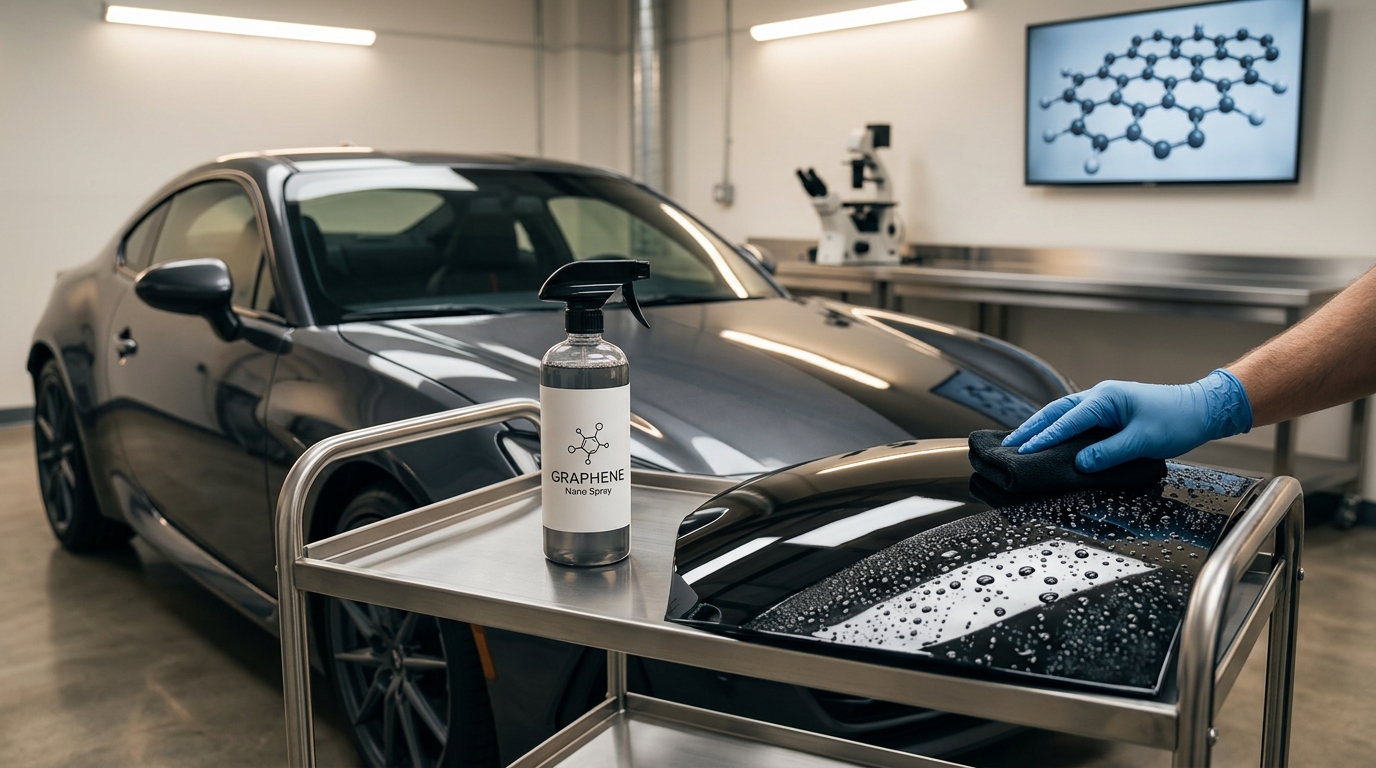
Turtle Wax engineered its Hybrid Solutions Pro line to address different stages of the detailing workflow, offering formats that span spray sealants, liquid foundation coats, solid waxes, and maintenance soaps.
- Hybrid Solutions Pro Flex Wax: A versatile graphene and SiO2 spray sealant designed with multi-application capability. It can be applied as a stand-alone base coat on dry paint, misted onto wet panels as a rinse-off hydrophobic sealant, or used in fine mists as a drying aid during regular maintenance washes.
- Hybrid Solutions Pro To The Max Wax: A thick liquid wax formulated to serve as a high-durability foundation layer. It focuses on maximizing surface slickness, optical depth on dark finishes, and baseline chemical resistance.
- Hybrid Solutions Ceramic + Graphene Paste Wax: A traditional paste format combining ten natural and synthetic waxes with SiO2 resins and suspended graphene polymers. This formula is engineered to fill minor clear-coat micro-swirls while curing to a dense, reflective shell.
- Hybrid Solutions Pure Wash: A pH-neutral, high-lubricity automotive shampoo engineered to clean surfaces without degrading or stripping existing graphene, ceramic, or polymer protective layers.
Graphene Chemistry in Automotive Formulations
Understanding how turtle wax graphene products work requires examining how carbon nanomaterials interact with standard ceramic matrices. Traditional ceramic sprays rely primarily on silicon dioxide (SiO2) or polydimethylsiloxane (PDMS) polymers. While SiO2 creates a hard, highly hydrophobic crystalline barrier, pure ceramic networks can be brittle and susceptible to mineral deposit etching, commonly known as water spotting.
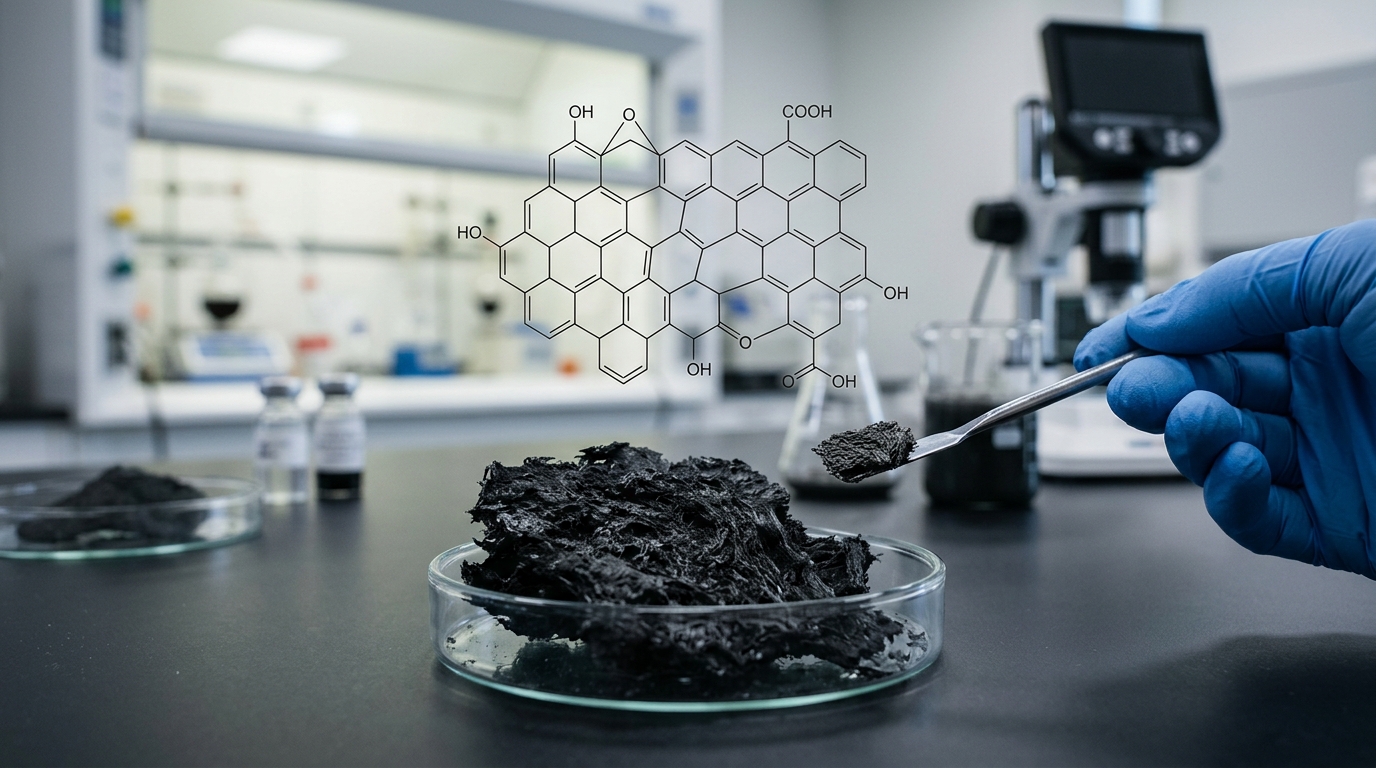
Turtle Wax integrates graphene into its formulas via a high-pressure mechanical exfoliation and stabilization process. This suspension technique disperses ultra-thin graphene platelet particles (often reduced graphene oxide or rGO derivatives) uniformly into an aqueous emulsion of SiO2 resins and synthetic polymers.
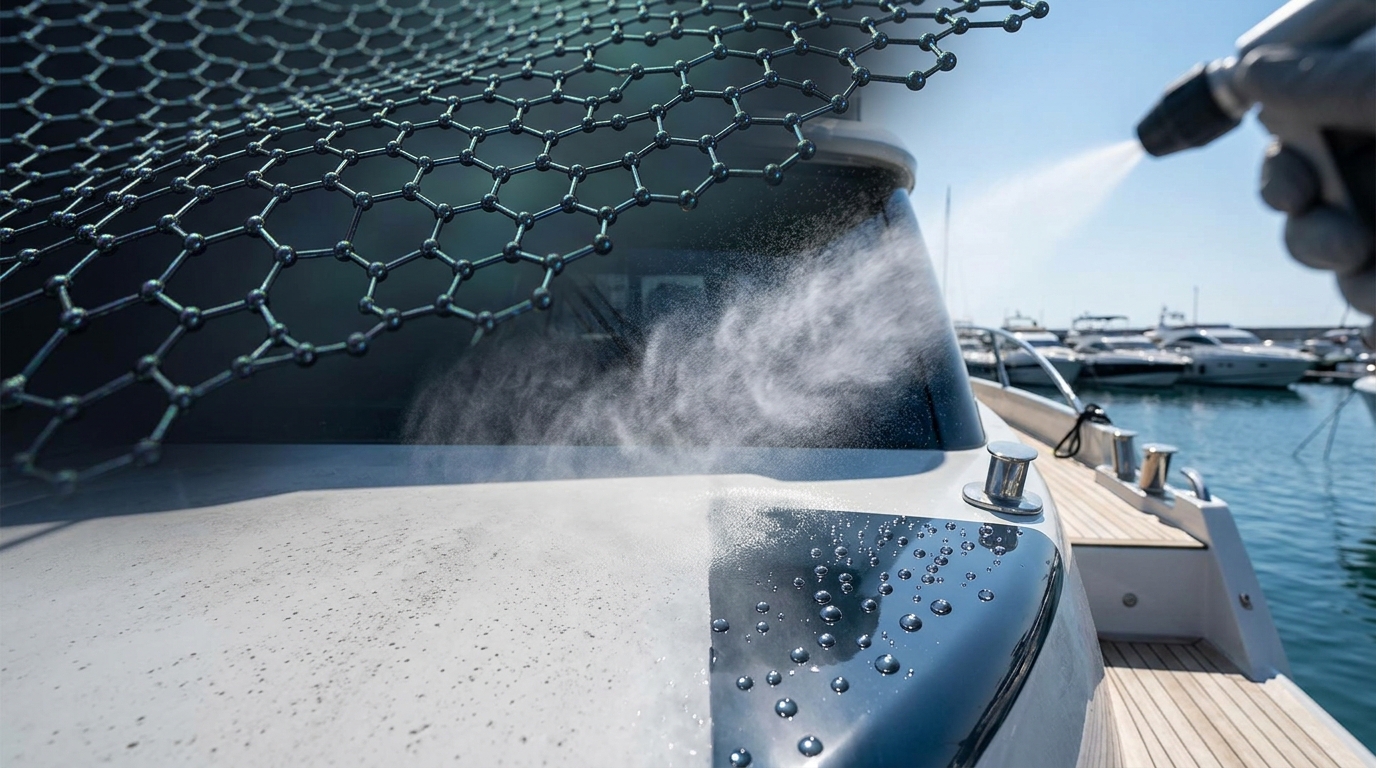
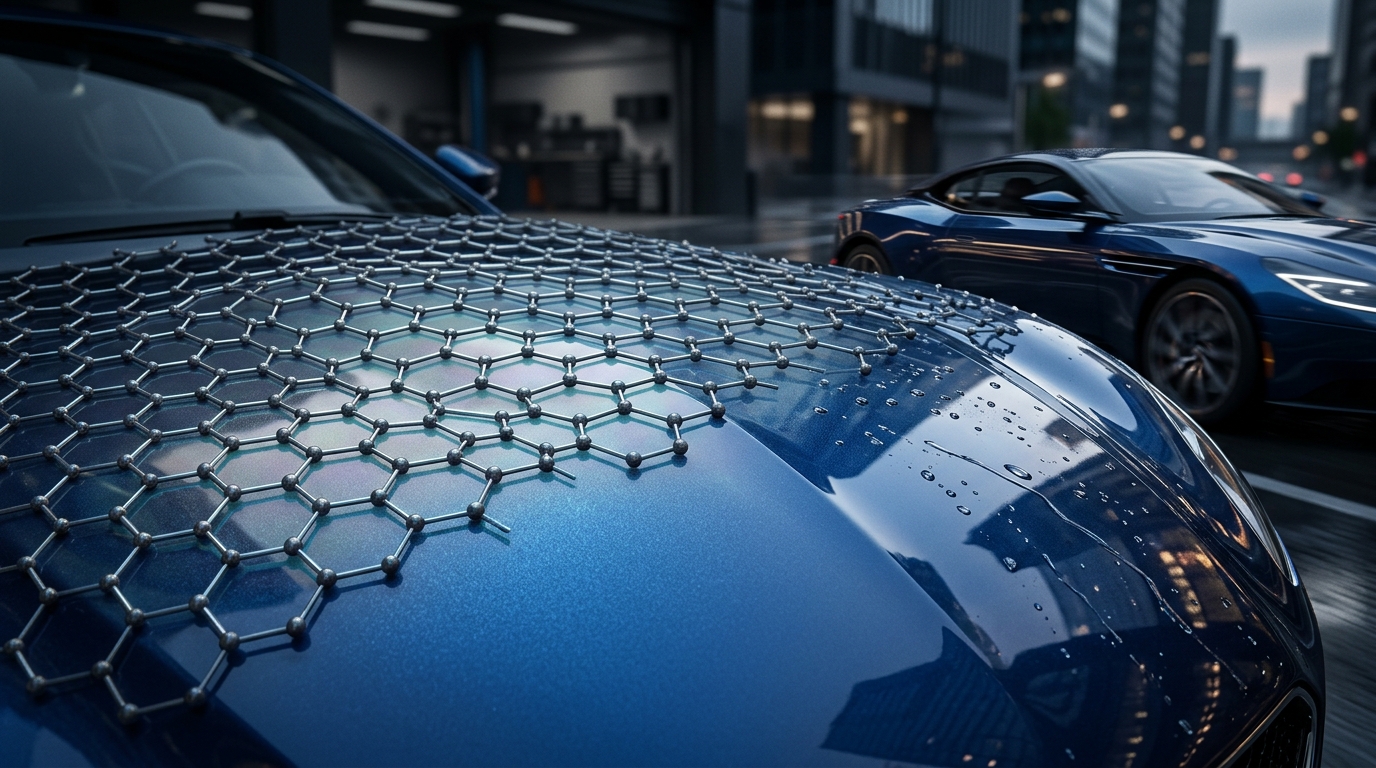
When applied to automotive clear coat, the two-dimensional honeycomb carbon lattice weaves through the polymer-ceramic backbone. Marketed as a “tighter web of protection,” these graphene platelets fill microscopic interstitial voids between ceramic molecules. This structural reinforcement improves the flexibility of the cured layer, boosts tensile surface resilience, and helps reduce the micro-porosity where environmental contaminants typically anchor.
Evaluation of Core Performance Claims
Manufacturers of graphene detailing products make substantial performance claims regarding hydrophobic behavior, heat dissipation, and environmental barrier properties. Below is an evaluation of how the Turtle Wax graphene system performs under real-world conditions.
| Performance Dimension | Manufacturer Mechanism | Observed Real-World Performance |
|---|---|---|
| Hydrophobicity & Sheeting | Graphene platelets combined with hydrophobic polymers lower surface energy, raising water contact angles above 100 degrees. | Verified: Generates tight, uniform water beads and rapid water sheeting on horizontal and vertical panels, reducing standing water. |
| Water Spot Resistance | Graphene’s thermal conductivity aids in heat dissipation across panels, reducing localized hot spots that bake mineral deposits into clear coats. | Partially Verified: Shows improved resistance to mineral etching compared to early pure SiO2 formulas, though hard water drying in direct sunlight can still leave deposits. |
| UV & Oxidation Protection | Integrated UV absorbers and carbon platelet barriers reduce solar clear-coat photo-oxidation. | Verified: Functions effectively as a sacrificial barrier against UV degradation, industrial fallout, and road film oxidation. |
| Chemical Resistance | The dense, cross-linked polymer-graphene matrix resists low-pH acids and high-pH alkaline detergents. | Verified: Resists repeated contact washes with aggressive road grime detergents and traffic film removers significantly better than conventional waxes. |
Water Spotting Realities
One of the central marketing claims surrounding graphene automotive coatings is total immunity to water spots due to thermal dissipation. In practical testing, while the thermal conductivity of graphene helps distribute heat across painted panels more evenly than pure SiO2, it cannot overcome the laws of evaporation. If tap water containing high concentrations of calcium, magnesium, or road salts evaporates on a hot panel under intense sunlight, mineral deposits will remain. However, the chemical resilience of the graphene-polymer barrier makes it much less likely that those minerals will immediately etch into the underlying clear coat, making them easier to wash away safely.
Application Requirements, Paint Prep, and Curing Guidelines
Achieving the advertised durability and visual depth from the turtle wax graphene line depends heavily on proper surface decontamination and adherence to curing requirements.
Step 1: Surface Decontamination and Paint Prep
- Decontamination Wash: Wash the entire vehicle using a clean car shampoo or dedicated strip wash to remove surface road oils and grime.
- Iron Fallout Removal: Apply a dedicated chemical iron remover to dissolve embedded ferrous particles from brake dust and industrial pollution.
- Clay Bar Treatment: Use an automotive clay bar or synthetic clay mitt with proper lubricant to pull out remaining above-surface bonded contaminants, ensuring the paint feels glass-smooth.
- Polishing and Surface Prep (Recommended): Machine polish to eliminate paint defects and swirl marks if desired. Before coating application, perform an Isopropyl Alcohol (IPA) or dedicated panel wipe down to strip any residual polishing oils that could hinder chemical bonding.
Step 2: Coating Application
Applying To The Max Wax or Paste Wax: Work on one panel at a time (typically a 2-foot by 2-foot area). Apply three to four pea-sized drops of liquid wax or a light swipe of paste wax onto a foam applicator pad. Spread the product in an overlapping cross-hatch pattern to ensure complete, even coverage. Allow the product to haze for approximately two to five minutes, then buff clear using a clean, plush microfiber towel (300+ GSM).
Applying Flex Wax: For initial base-coat application, mist one to two sprays per panel onto dry paint. Immediately spread the liquid with a folded microfiber towel, then flip to a dry side—or use a secondary clean towel—to buff the panel to a streak-free shine. Avoid over-applying, as excessive product buildup can lead to oily smearing on dark paint finishes.
Step 3: Curing Protocol
Both Flex Wax and To The Max Wax require a 24-hour dry cure window. During this period, the vehicle must remain dry and protected from rain, dew, standing moisture, or chemical exposure. This uninterrupted curing time allows the ceramic-graphene polymer chains to cross-link fully and bond with the clear coat. To maximize protection, a second coat of Flex Wax may be applied after the initial 24-hour cure.
Durability and Longevity Expectations
How does the longevity of Turtle Wax’s graphene line compare to other automotive surface protection categories?
- Traditional Carnauba Wax: 4 to 6 weeks of protection before environmental exposure degrades the organic wax layer.
- Standard Synthetic Sealant: 2 to 4 months of durable barrier performance.
- Entry-Level Ceramic Spray Wax: 3 to 6 months of active water beading and UV resistance.
- Turtle Wax Hybrid Solutions Pro Graphene (Base Coat): 6 to 12 months, depending on storage conditions and maintenance routines.
On daily drivers parked outdoors and subjected to harsh weather, road salt, and regular traffic film, users can reasonably expect 4 to 6 months of resilient hydrophobic behavior and chemical protection from a single application of To The Max Wax or layered Flex Wax. Vehicles stored in garages or maintained with routine top-up washes can achieve 8 to 12 months of continuous protection.
Routine Maintenance to Maximize Coating Lifespan
Maintaining the graphene layer requires avoiding aggressive mechanical abrasion or highly caustic unapproved cleaners that prematurely wear down the coating matrix.
- Regular Washes with Pure Wash: Clean the vehicle every one to two weeks using Hybrid Solutions Pure Wash via the two-bucket method or a foam cannon. Its pH-neutral chemistry lifts dirt safely without stripping the graphene sealant.
- Flex Wax as a Drying Aid: After rinsing the vehicle, lightly mist one spray of Flex Wax per wet panel during the drying process. As you dry the car with a dedicated microfiber drying towel, the spray deposits a micro-layer of graphene and SiO2, rejuvenating the underlying coating’s slickness and hydrophobic properties.
DIY Consumer Value: Pros, Cons, and Market Context
In the broader consumer detailing space, products like Adam’s Polishes Graphene Ceramic Spray Coating and Ethos Graphene Matrix provide alternative takes on suspended carbon protection. Turtle Wax sets itself apart primarily through retail availability, pricing, and ease of use.
Advantages
- Exceptional Cost-to-Performance Ratio: Typically priced between $15 and $30 per bottle, the line delivers protection and hydrophobic behavior that rivals much more expensive boutique brands.
- Flexible Application: Flex Wax provides unusual versatility, functioning effectively as a stand-alone sealant, maintenance booster, wet-rinse coating, or drying aid.
- Enhanced Slickness and Visual Depth: Formulations leave a noticeably slick tactile finish and improve gloss depth, especially on black and dark metallic finishes.
Limitations
- Potential for Streaking on Dark Paint: Applying too much Flex Wax or working in direct sunlight can leave oily streaks that require a slightly damp microfiber towel to level out completely.
- Strict Cure Requirements: The mandatory 24-hour dry cure time can be difficult to manage for vehicle owners without access to a garage or sheltered parking.
- Suspension Nature: Like all consumer graphene sprays, these products contain suspended graphene platelets as a reinforcing additive within a polymer-ceramic matrix, rather than forming an impenetrable, solid crystalline graphene sheet.
The Bottom Line
The turtle wax graphene product lineup successfully bridges the gap between conventional spray waxes and professional-grade multi-year coatings. While it does not make paint completely immune to water spotting or heavy physical scratches, its combination of high chemical resistance, impressive water sheeting, and versatile application makes the Hybrid Solutions Pro series an outstanding value for DIY detailers looking to protect their vehicles effectively.