Graphene Coating Price
A graphene coating price can range from a modest amount for a small consumer bottle to thousands of dollars for full-vehicle professional installation or large-scale industrial application. This wide disparity exists because the term describes multiple distinct products: consumer detailing liquids containing microscopic carbon additives, multi-stage professional automotive installations dominated by labor costs, and specialized industrial barrier films engineered for harsh marine, aerospace, or electronic environments.
Understanding what drives these costs requires looking beyond marketing claims to analyze the raw nanomaterial form, carrier chemistry, required surface preparation, and true cost per year of active protection.
The Three Primary Pricing Tiers of Graphene Coatings
Pricing for graphene coatings falls into three distinct commercial categories, each defined by different formulation standards, application methods, and performance expectations.
1. Consumer DIY Bottles
Direct-to-consumer liquid bottles are formulated for hand application using microfiber applicators. These products are typically solvent- or water-based suspensions where graphene materials act as secondary additives within a conventional polymer, resin, or siloxane base. The price of the bottle covers only the chemical formulation; the buyer absorbs all preparation and labor costs.
2. Professional Automotive Installation
When applied by professional detailing facilities, the chemical liquid represents only ten to twenty percent of the total invoice. The vast majority of the price reflects skilled labor: multi-stage chemical decontamination, mechanical claying, rotary or dual-action paint correction, surface degreasing, multi-layer application, and controlled infrared curing to guarantee maximum bonding.
3. Industrial and Commercial Infrastructure Coatings
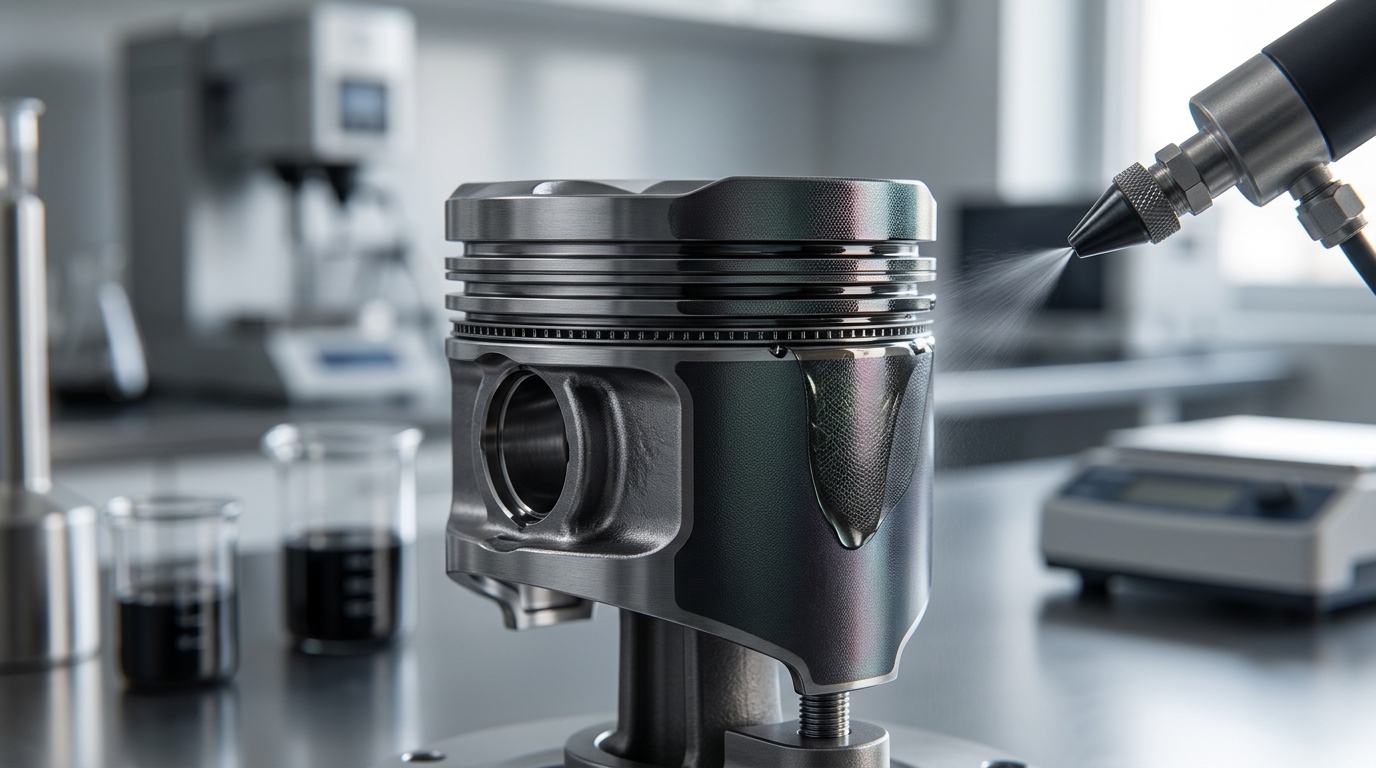
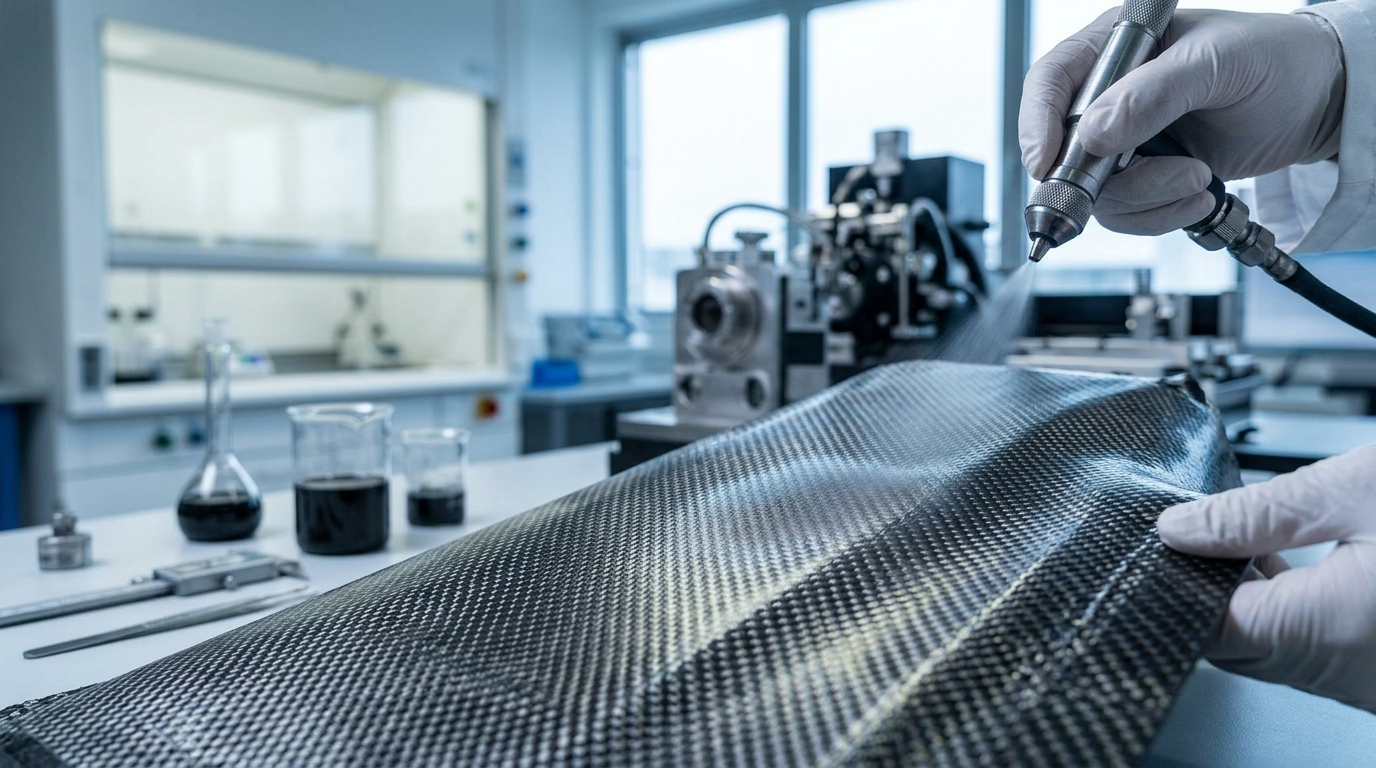
In maritime, civil infrastructure, and aerospace sectors, graphene coatings are priced by volume (drums or IBC totes) or by coated square area. These formulations use industrial-grade resins loaded with functionalized flakes designed to stop saltwater corrosion, mitigate chemical attack, or provide electrostatic discharge shielding. Industrial costs factor in rigorous quality control, salt-spray chamber validation, and specialized spray-application equipment.
Material Drivers: What Makes Graphene Chemistry Expensive?
The type and quality of carbon nanomaterials used in the formula directly dictate raw manufacturing costs. The term “graphene” covers a spectrum of material grades, each carrying wildly different production economics.
Graphene Nanoplatelets vs. Reduced Graphene Oxide
Most liquid coatings utilize either graphene nanoplatelets (GNPs) or reduced graphene oxide (rGO) rather than pristine single-layer sheets:
- Graphene Nanoplatelets (GNPs): Multi-layer stacks produced via mechanical or chemical exfoliation of natural graphite. They offer excellent mechanical reinforcement and thermal properties at a relatively economical bulk cost.
- Reduced Graphene Oxide (rGO): Synthesized by oxidizing graphite into graphene oxide (GO), dispersing it in liquids, and subsequently reducing it chemically or thermally. rGO disperses readily in liquids due to residual oxygen functional groups, but the multi-step chemical synthesis increases raw batch costs.
The CVD Graphene Exception
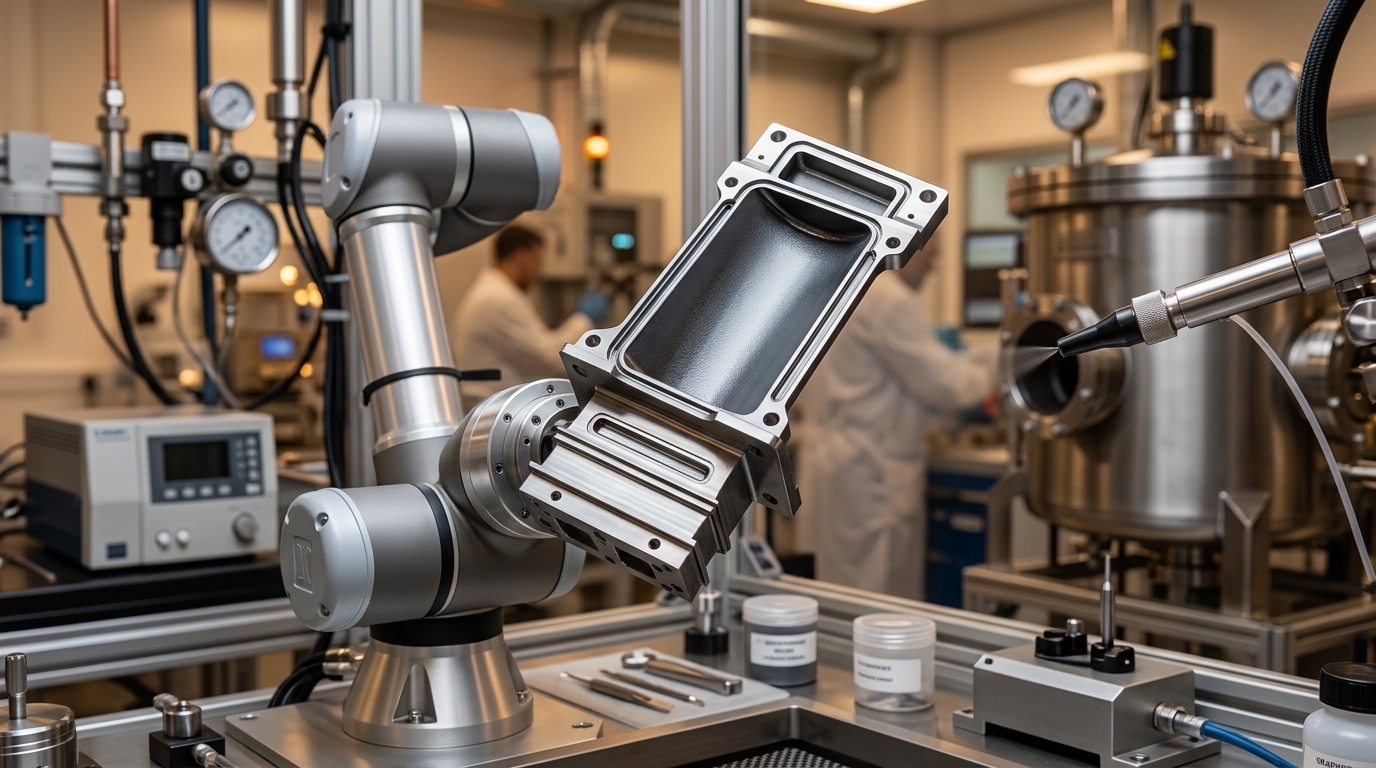
Monolayer sheets produced via chemical vapor deposition (CVD) represent the purest form of the material, grown atom-by-atom on metallic substrates in vacuum chambers. Because transferring CVD films onto arbitrary substrates is a delicate, low-yield process, CVD coatings are restricted to high-value semiconductor, optical, or aerospace applications, commanding premium prices far beyond any liquid automotive sealant.
The Dispersion Challenge and Formulation Costs
Raw graphene is hydrophobic and naturally prone to agglomeration due to strong van der Waals forces. If graphene particles clump together in a bottle, they precipitate out of the liquid, forming unusable sludge and losing their nanoscale barrier advantages.
To keep the flakes suspended, manufacturers must invest in advanced processing techniques:
- Surface Functionalization: Grafting specific chemical groups onto the graphene edges so they bond with carrier solvents like polydimethylsiloxane (PDMS) or organic solvents.
- Steric Stabilization: Using specialized surfactants and dispersing agents that provide steric stabilization, mechanically preventing sheets from restacking over long shelf lives.
- High-Shear Mixing: Utilizing ultrasonic cavitation or industrial bead mills to homogenize the mixture without tearing the carbon lattice into useless amorphous carbon.
These processing steps often cost significantly more than the baseline carbon raw materials, creating a major price dividing line between cheap relabeled sealants and legitimately engineered nanocomposites.
Labor Breakdown: Why Professional Application Drives the Final Bill
For vehicle owners evaluating professional shop quotes, understanding the labor sequence clarifies why labor accounts for the bulk of the total price:
- Decontamination: Alkaline pre-wash, iron-fallout dissolving chemicals, and physical clay-bar treatment to extract embedded environmental contaminants.
- Substrate Leveling (Paint Correction): Using abrasive compounds and micro-polishing pads to level clear coat imperfections, micro-scratches, and oxidation. Graphene bonds at a molecular level; any imperfection left underneath becomes permanently sealed beneath the hard barrier.
- Solvent Wipe-Down: Removing all polishing oils and residue using dedicated alcohol- or solvent-based panel wipes to expose bare, high-surface-energy paint.
- Precision Application: Working in small, cross-hatched sections with precise ambient temperature and humidity control to prevent high spots (uneven, flashing resin deposits).
- Curing Protocol: Allowing initial cross-linking in a dust-free environment, often accelerated by short-wave infrared lamps to maximize film hardness and chemical resistance before exposure to moisture.
Graphene Coatings vs. Traditional Ceramic Coatings
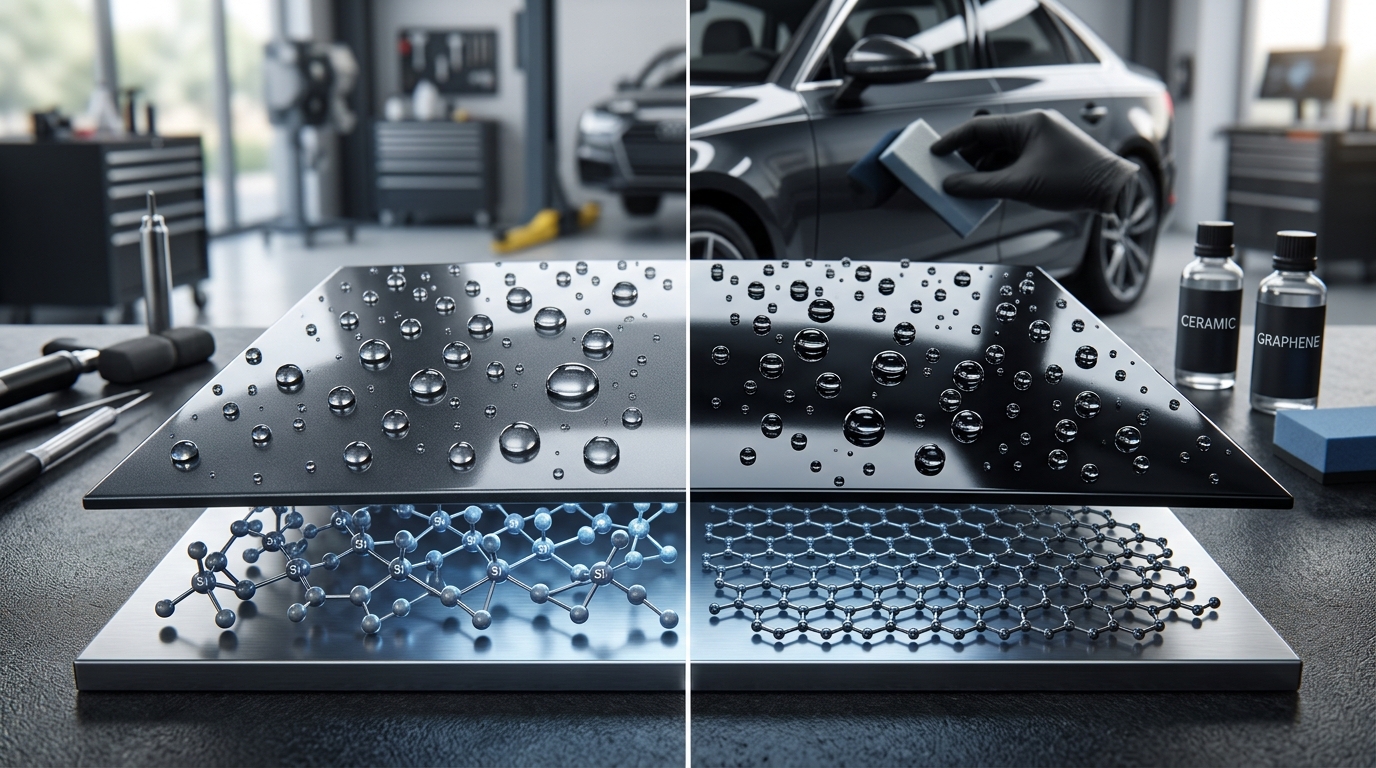
To evaluate whether a graphene coating price is justified, consumers and industrial purchasers regularly compare them with standard silicon dioxide (SiO2) and titanium dioxide (TiO2) ceramic formulations.
| Evaluation Factor | Traditional Ceramic (SiO2) | Graphene-Enhanced Matrix |
|---|---|---|
| Initial Product Cost | Moderate | Moderate to High |
| Thermal Dissipation | Low (insulative properties) | Higher (reduces surface heat absorption) |
| Water Spot Resistance | Prone to mineral etching if water beads evaporate in direct sunlight | Improved (lower water droplet retention and heat profile minimize etching) |
| Chemical Resistance | Resistant across pH 2–12 | Broad resistance across pH 1–13 depending on cross-linker quality |
| Static Dust Attraction | Higher static buildup | Lower electrical resistivity, reducing static dust accumulation |
| Application Window | Short flash time, prone to rapid hardening | Often slightly longer working time before buff-off |
Calculating the True Value: Cost Per Year of Protection
Evaluating coating investments solely on initial cash outlay ignores longevity. A practical metric is the cost per year of protection:
- Traditional Carnauba Waxes: Inexpensive per tin, but require reapplication every four to six weeks, leading to high cumulative labor or maintenance time.
- Synthetic Sealants: Low to moderate price, offering three to six months of durability.
- Graphene Formulations: Higher initial financial commitment, but durable formulations can maintain an active water contact angle above 100 degrees for multiple years when maintained with periodic pH-neutral washing and decontamination toppers.
When spread across multi-year operational lifecycles, graphene coatings often deliver a comparable or lower annualized cost compared to repeatedly reapplying short-lived temporary waxes.
Commercial Realities: Avoiding Marketing Exaggerations
As graphene gained mainstream attention, marketing language expanded faster than chemical standardization. Buyers should watch for specific misleading claims that inflate pricing without delivering genuine performance advantages:
The “100% Graphene” Myth
No liquid bottle contains “pure liquid graphene.” Graphene is a solid crystal lattice of carbon atoms. A functional coating must consist of a carrier resin (such as polysilazane or polyurethane) that polymerizes to form a physical film, carrying small weight percentages of exfoliated carbon. Legitimate formulations typically incorporate between 0.1% and 5% graphene content by weight to achieve structural and thermal enhancements without compromising optical clarity.
The Hardness Rating Arms Race
Claims advertising “10H” or “15H” pencil hardness often misinterpret the standard pencil hardness scale (which tops out at 9H on the Wolf-Wilborn scale) or test coatings applied to tempered steel rather than flexible automotive clear coats. A coating can never be harder than the underlying substrate without cracking under mechanical stress or thermal expansion.
Buyer’s Checklist for Assessing Graphene Coating Quotes
When reviewing prices from detailing professionals or chemical suppliers, use this framework to assess whether the quotation aligns with real-world value:
- Labor vs. Product Allocation: Ensure the installer clearly itemizes surface prep and paint correction hours versus product charges.
- Resin Matrix Integrity: Inquire whether the product uses a true cross-linking silazane/siloxane backbone enhanced with rGO/GNP or simply a standard silicone spray with trace carbon colorant.
- Warranty Terms: Check whether multi-year warranties require mandatory, fee-based annual maintenance inspections to remain valid.
- Environmental Protection Scope: Verify whether the formulation is rated for intense UV exposure, road salts, bird drop etching, and specific industrial fallouts relevant to your geographic area.
By assessing raw material types, formulation quality, and labor requirements, buyers can accurately navigate graphene coating prices and select the right balance of durability, performance, and cost.