Graphene Cost
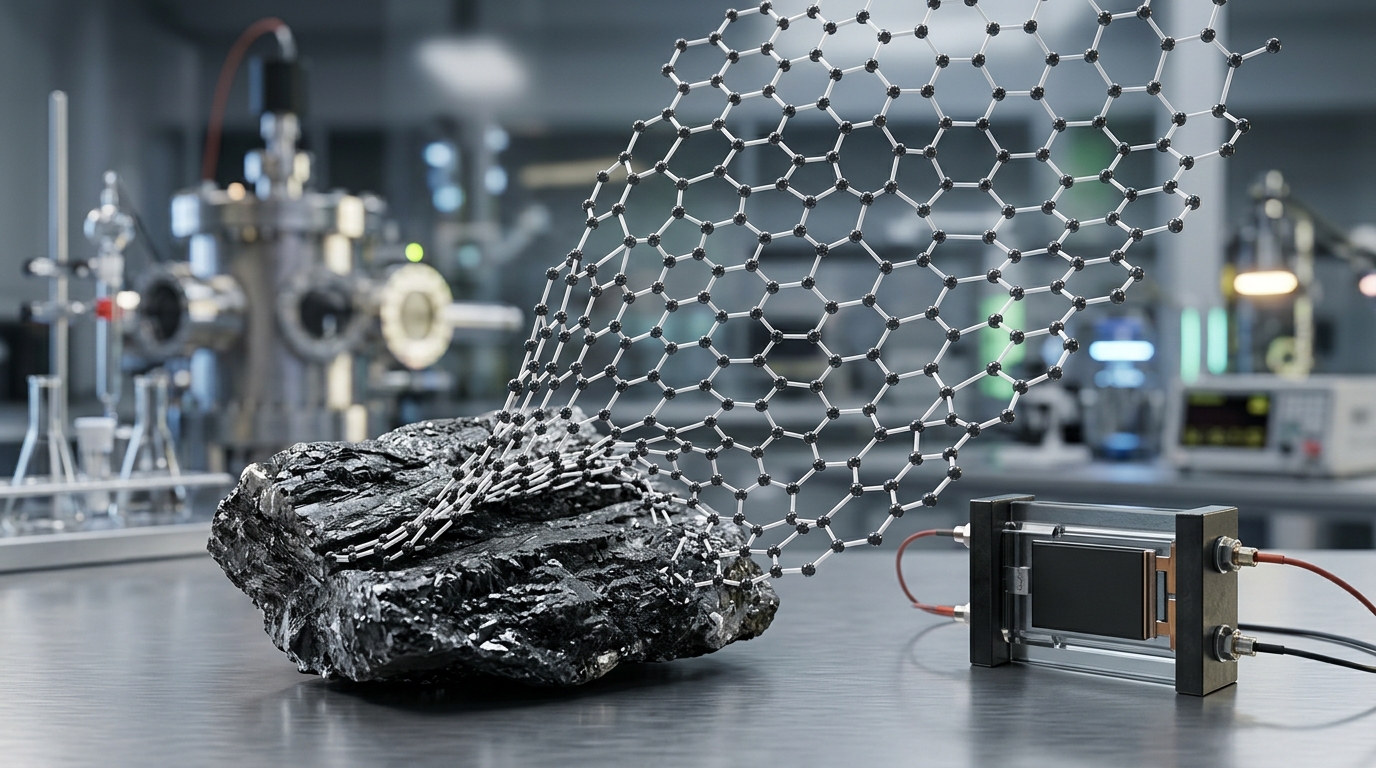
The question of graphene cost rarely has a single dollar figure as an answer. Unlike standardized industrial commodities such as aluminum or copper, graphene exists in a diverse family of carbon structures ranging from pristine, atom-thick continuous sheets to bulk powders composed of multi-layer flakes. Depending on the synthesis pathway, structural purity, and post-processing requirements, the material can cost anywhere from a fraction of a dollar per gram for composite-grade powders to thousands of dollars per square meter for defect-free single-layer electronic films.
Understanding the economics of graphene requires examining how synthesis techniques dictate production throughput, yield, and defect density, alongside the practical costs of integrating the nanomaterial into real-world manufacturing lines.
The Form Factor Spectrum: Why Prices Diverge
Graphene is produced in several distinct physical formats, each serving different performance requirements and carrying radically different manufacturing economics. Conflating continuous single-layer film with multi-layer powder is the most common reason for confusion surrounding commercial graphene pricing.
Monolayer and Few-Layer CVD Films
Continuous films grown via chemical vapor deposition represent the high-performance, high-cost end of the spectrum. These sheets are synthesized by cracking hydrocarbon gases across heated catalytic metal foils, typically copper or nickel. The final product is a continuous sheet one or a few atoms thick, tailored for transparent conductors, high-frequency transistors, quantum computing substrates, and advanced optical sensors. Because these films are measured by surface area rather than weight, quoting their price per gram would yield astronomical, misleading figures.
Graphene Nanoplatelets (GNPs)
Nanoplatelets consist of stacks of graphene sheets ranging from 2 to over 10 layers, with lateral dimensions spanning from hundreds of nanometers to tens of micrometers. Produced in bulk powders or dispersions, nanoplatelets are optimized for mechanical reinforcement, thermal dissipation in polymers, and conductive coatings. Because nanoplatelets are produced in tonnage quantities, their unit economics resemble specialty chemical additives.
Graphene Oxide (GO) and Reduced Graphene Oxide (rGO)
Graphene oxide is synthesized by chemically oxidizing natural graphite flakes, rendering individual carbon planes hydrophilic and easily dispersible in water. Reduced graphene oxide removes oxygen-containing functional groups through thermal or chemical reduction to partially restore electrical and thermal conductivity. While chemical oxidation offers high volumetric yields, the multi-step chemical processing, extensive washing cycles, and hazardous waste disposal add notable operational overhead.
Major Synthesis Methods and Their Cost Drivers
The manufacturing method dictates both the structural perfection of the carbon lattice and the underlying cost structure. Each process faces distinct bottlenecks that dictate commercial viability.
Chemical Vapor Deposition Bottlenecks
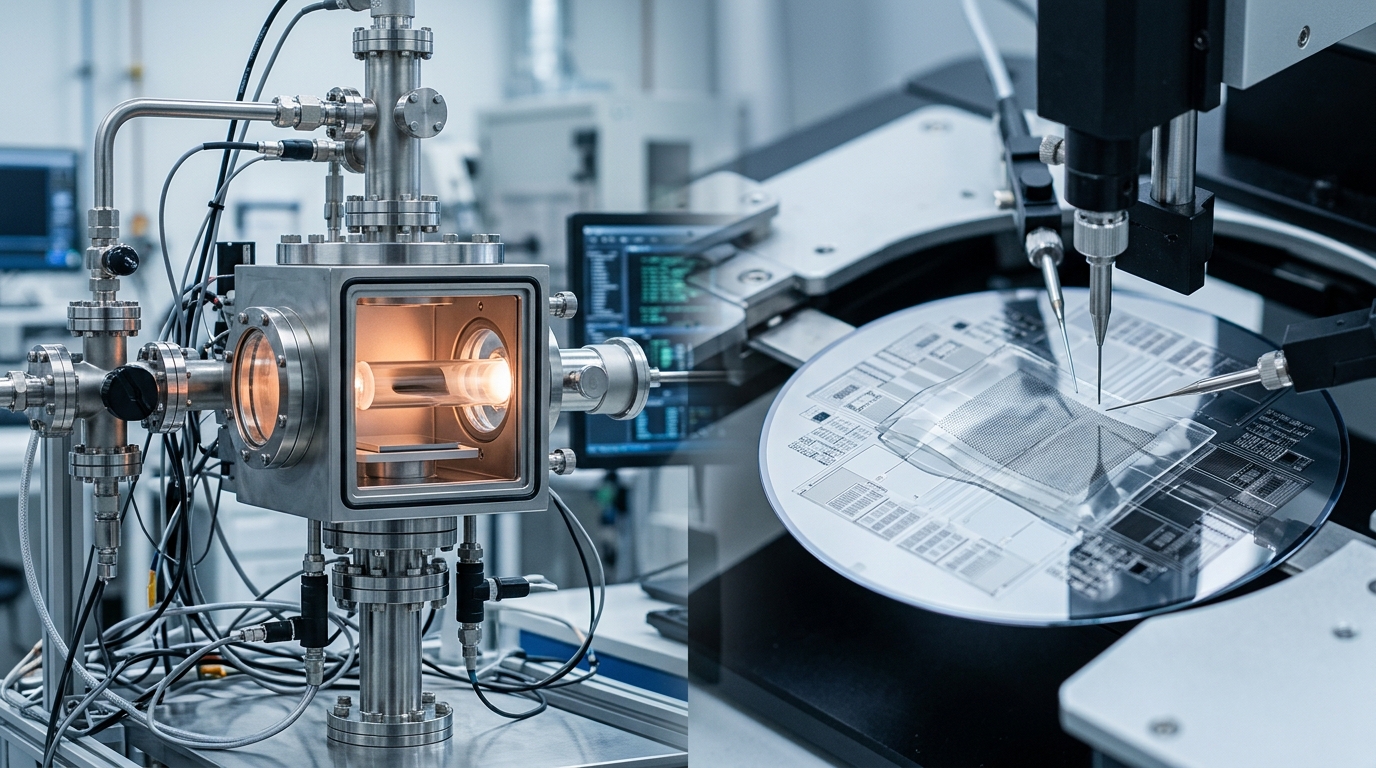
In thermal CVD, the cost is heavily concentrated in energy consumption, process gas utilization, consumable catalyst substrates, and post-growth handling. Operating high-temperature vacuum furnaces requires significant electrical energy. Furthermore, extracting the atomic sheet from its growth substrate represents a major financial hurdle. Traditional wet-etching dissolves the sacrificial copper foil in acid, destroying the expensive catalyst in every production batch. While roll-to-roll mechanical delamination techniques aim to reuse catalytic substrates, mechanical stress can introduce tears, wrinkles, and grain-boundary defects that degrade electronic quality.
Mechanical and Liquid-Phase Exfoliation
Liquid-phase exfoliation applies ultrasonic agitation or high-shear hydrodynamic forces to graphite suspended in solvents or surfactant-water mixtures. The capital expenditure for shear reactors is relatively moderate, but the process suffers from low single-pass yield. Much of the graphite remains unexfoliated and must be separated via centrifugation and recirculated. Additionally, removing high-boiling-point organic solvents like N-methyl-2-pyrrolidone requires energy-intensive drying stages or careful chemical washing.
The Modified Hummers Method
Chemical exfoliation relies heavily on concentrated sulfuric acid, potassium permanganate, and hydrogen peroxide to intercalate and oxidize graphite. While raw graphite is inexpensive, the primary operating costs stem from stoichiometric chemical consumption, massive freshwater requirements for acid neutralization, and specialized effluent treatment infrastructure. The downstream thermal reduction process required to convert GO back to conductive rGO introduces secondary thermal or chemical processing steps.
High-Temperature Thermal Shock and Pyrolysis
Direct thermal conversion methods, such as flash Joule heating or plasma pyrolysis, transform solid carbon precursors—including metallurgical coke, biochar, and recycled plastics—into turbostratic graphene within milliseconds. By eliminating wet chemicals, washing cycles, and metal catalysts, high-temperature thermal synthesis dramatically slashes raw-material and post-processing expenses. However, achieving precise control over flake size and layer uniformity remains an active engineering challenge.
Synthesis Route and Cost Comparison
The relationship between production method, output quality, and economic profile illustrates why graphene cannot be treated as a uniform material.
| Synthesis Route | Output Format | Relative Capital Expense | Primary Cost Bottleneck | Target Market |
|---|---|---|---|---|
| Thermal CVD | Continuous monolayer film | Very High | Sacrificial metal substrates and transfer handling | Semiconductors, photonics, specialized biosensors |
| Liquid-Phase Exfoliation | Few-layer graphene dispersions | Moderate | Low single-pass yield and solvent recovery | Conductive inks, functional coatings, battery slurries |
| Modified Hummers (GO/rGO) | Functionalized flakes and powders | Moderate to High | Reagent volume, neutralization, and waste handling | Water filtration membranes, energy storage electrodes |
| High-Shear Mechanochemical | Graphene nanoplatelets | Low to Moderate | Energy consumption and milling media wear | Structural composites, polymer reinforcement |
| Flash Thermal / Pyrolysis | Turbostratic bulk powder | Moderate | Electrical power supply and batch consistency | Concrete additives, asphalt, bulk thermal masterbatches |
The Hidden Transfer and Post-Processing Overhead
For high-end electronic applications, synthesizing the carbon lattice accounts for only a fraction of the total expense. The process of moving an atom-thick layer from its growth substrate to a target wafer—often referred to as the transfer tax—introduces substantial yield loss and labor overhead.
Standard transfer protocols use sacrificial polymer supports, such as poly(methyl methacrylate), which are spin-coated over the graphene, released from the metal catalyst, placed onto a silicon or quartz wafer, and chemically dissolved. This delicate sequence creates structural cracking, metallic contamination, and stubborn polymeric residues. In semiconductor fabrication, a single defect can render an entire die non-functional, making transfer-related yield losses the dominant driver of final component cost.
For bulk powders, post-processing hurdles focus on dispersion stability. Pristine graphene flakes possess high surface energy and strong van der Waals attractions, causing them to re-agglomerate into graphite-like clumps if not properly stabilized. Formulators must invest in specialized surfactants, high-pressure homogenizers, or chemical surface functionalization to ensure uniform dispersion within polymer matrices or liquid formulations.
Quality Metrics and Their Economic Impact
Industrial procurement teams evaluate graphene using specific structural parameters that directly correlate with market pricing:
- Layer Count and Uniformity: True single-layer graphene commands the highest premium. Materials with 2 to 5 layers offer a balanced blend of electrical and mechanical properties at intermediate prices, while materials exceeding 10 layers transition into fine graphite with lower pricing structures.
- Defect Density (Raman D/G Ratio): Evaluated via Raman spectroscopy, the ratio between the D-band (disorder) and G-band (graphitic sp2 carbon) measures structural perfection. Low-defect material is mandatory for ballistic electronic transport, whereas high-defect material is often acceptable or desirable for chemical functionalization.
- Lateral Flake Dimensions: Larger lateral dimensions provide superior thermal and electrical percolating networks in composites at lower loading thresholds, but larger flakes are harder to exfoliate without fragmentation, driving up synthesis expense.
- Purity and Residual Heteroatoms: Ash content, residual transition metals from catalysts, and unreduced oxygen groups degrade electrical performance and thermal stability, requiring expensive multi-stage purification steps.
Dosage Economics in Commercial Applications
Evaluating graphene purely on a cost-per-kilogram basis overlooks the concept of percolation threshold in material science. Because graphene possesses an exceptional aspect ratio and surface area, it can alter host matrix properties at microscopic loading levels compared to conventional additives.
In standard structural composites, adding carbon black or milled carbon fiber often requires loading levels between 5% and 20% by weight to achieve targeted electrical or mechanical properties. Such high loadings add weight, degrade composite processability, and impair surface finish. High-surface-area graphene can achieve comparable electrical conductivity or mechanical reinforcement at loadings between 0.1% and 1.0% by weight.
When a manufacturer only needs 1 to 5 kilograms of additive per ton of host resin or concrete, the high price per kilogram of graphene is distributed across a large volume of end product. In applications like thermoset resins, anti-corrosion primers, and polymer packaging, this low additive requirement enables commercial feasibility despite higher upfront material costs.
Competing Carbon Allotropes and Alternative Materials
Graphene does not compete in an economic vacuum. Industrial engineers constantly balance its performance characteristics against established carbonaceous materials and nanomaterials.
Carbon Black
Manufactured by incomplete combustion of heavy petroleum products, carbon black is an entrenched industrial material produced at vast scales. It remains the baseline choice for basic electrical conductivity and mechanical reinforcement where weight and extreme mechanical performance are secondary to raw material cost.
Carbon Nanotubes (CNTs)
Single-walled and multi-walled carbon nanotubes share many electronic and mechanical properties with graphene. Multi-walled nanotubes benefit from established industrial production lines and mature integration protocols in lithium-ion battery electrodes. Graphene competes against CNTs by offering higher surface contact area and better planar heat spreading, but faces similar market pricing pressures depending on structural purity.
Expanded and Micronized Graphite
For purely thermal applications where structural reinforcement is not required, acid-treated expanded graphite and finely milled natural graphite offer cost-effective alternatives. Graphene nanoplatelets outperform standard graphite primarily when interfacial bonding with the host polymer matrix is critical to preventing mechanical failure.
Framework for Evaluating Graphene Economics
Selecting the appropriate graphene grade requires balancing performance specifications against manufacturing reality. Industrial decision-makers apply a structured evaluation framework:
- Identify the Primary Functional Requirement: Determine whether the application demands electrical conductivity, barrier protection, mechanical strengthening, or thermal dissipation. Pure electrical conductivity demands low defect density and fewer layers, whereas mechanical reinforcement often performs well with functionalized nanoplatelets.
- Determine Minimum Effective Loading: Run formulation trials to identify the exact percolation threshold. A more expensive, higher-quality graphene grade that functions at 0.1% loading is often more economical than a cheaper, low-grade powder requiring 3.0% loading.
- Calculate Total Formulation Processing Cost: Account for the mixing energy, surface-treatment chemistry, and dispersion equipment required to blend the material into the final matrix without creating agglomerations.
- Assess System-Level Savings: Evaluate secondary cost reductions, such as component weight reduction, extended component lifespan, reduced cycle times in injection molding, or decreased warranty claims due to enhanced environmental resistance.
As synthesis platforms advance and automated quality control standards mature, the cost structure of graphene continues to shift from specialized chemical synthesis toward scalable, automated material processing. Matching the right graphene form to the specific physical requirements of the application remains the single most important factor in achieving technical and financial success.