Graphene Fabric
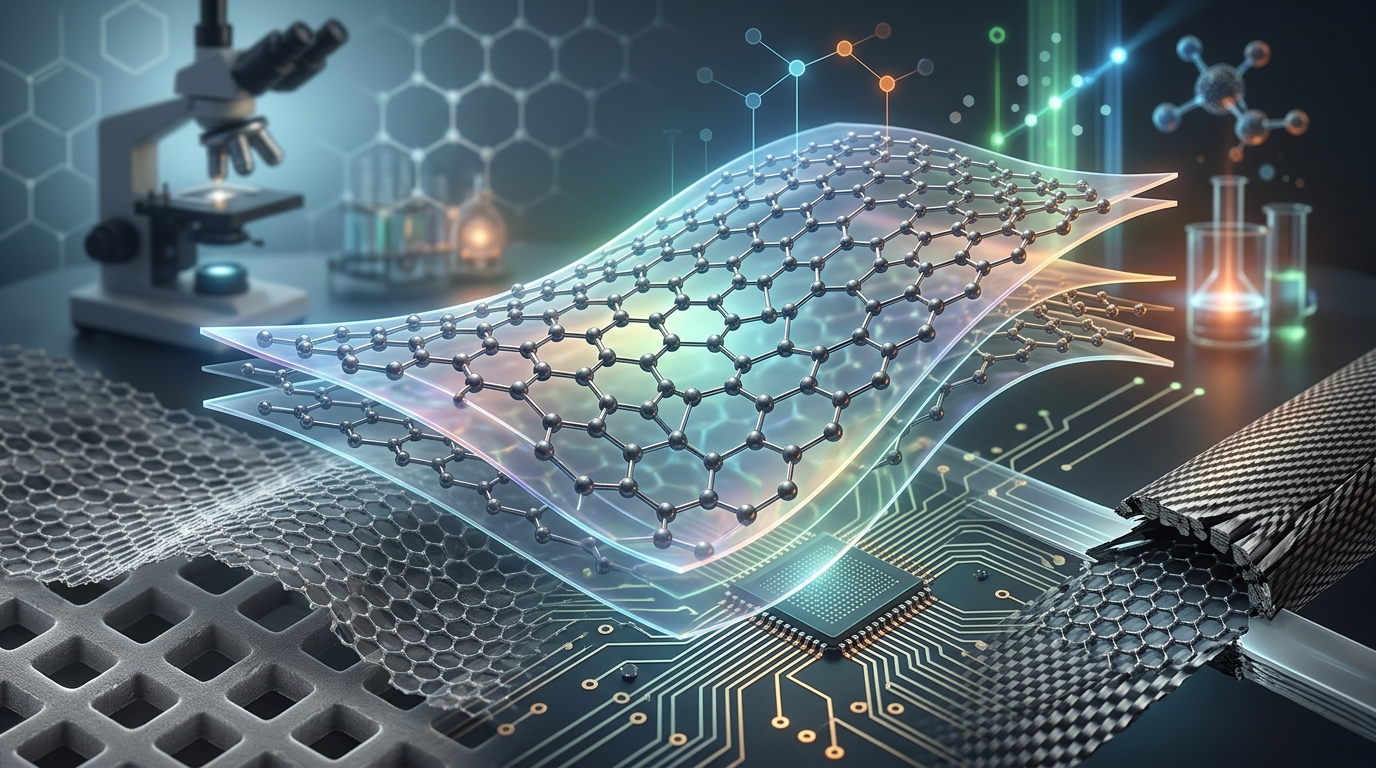
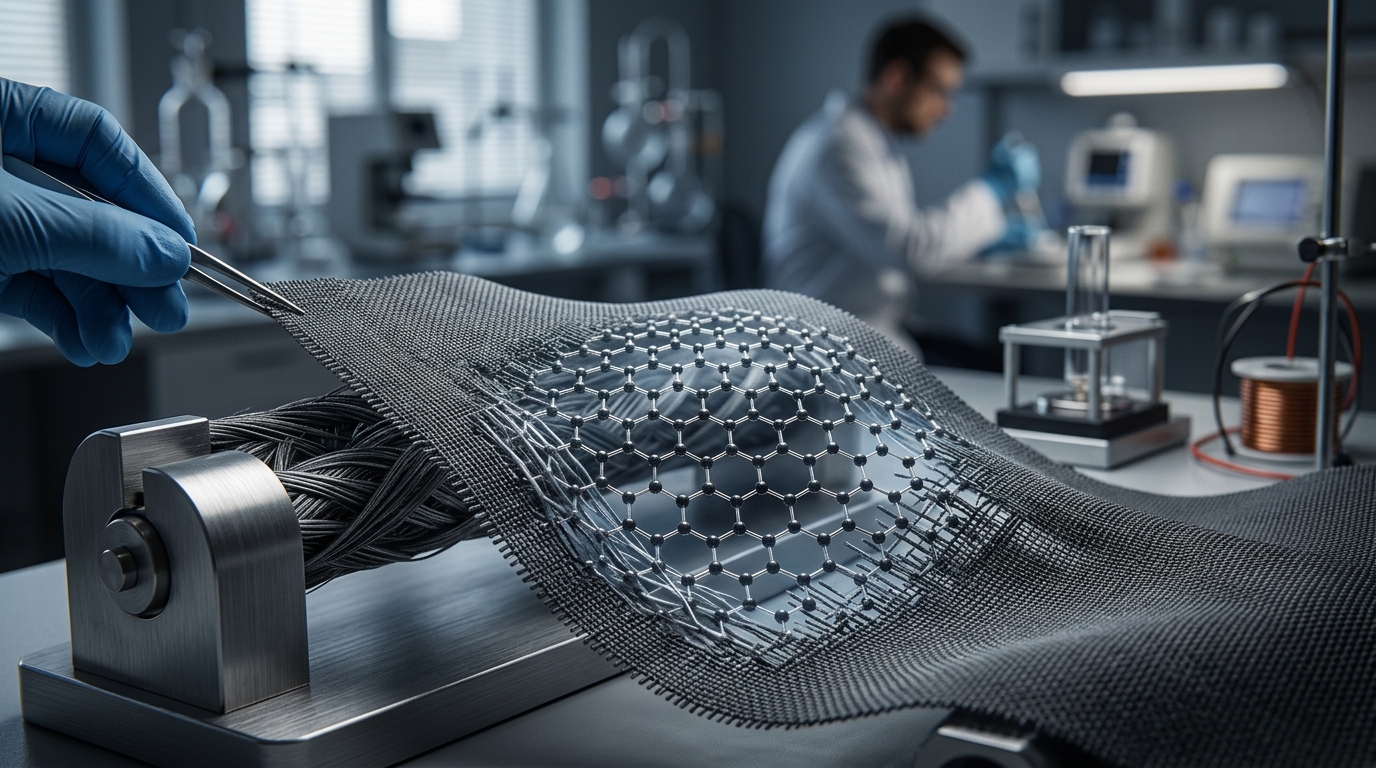
Graphene fabric represents one of the most commercially viable intersections of advanced nanomaterials and functional textiles. By incorporating graphene—a two-dimensional allotrope of carbon arranged in a hexagonal lattice—into natural or synthetic fibers, textile engineers create materials with enhanced thermal management, electrical conductivity, mechanical durability, and antistatic properties. Rather than functioning as a standalone cloth woven entirely from pure carbon sheets, graphene fabric relies on standard base textiles such as polyester, nylon, cotton, or elastane enhanced with graphene nanoplatelets (GNPs) or reduced graphene oxide (rGO).
While marketing narratives often present graphene as a miraculous textile additive capable of self-heating or medical rejuvenation, its actual value lies in measurable physical phenomena: rapid heat spreading, low electrical resistance for wearable electronics, and increased surface abrasion resistance. Understanding how graphene is integrated into fabrics, how it performs under real-world conditions, and where its technical limitations lie is essential for evaluating its use in performance apparel, industrial workwear, and smart garments.
Methods of Integrating Graphene into Textiles
The performance, longevity, and manufacturing cost of graphene fabric depend almost entirely on how the nanomaterial is integrated into the textile substrate. Commercial production primarily utilizes two distinct approaches: bulk fiber compounding and surface-level application.
1. Fiber Blending and Melt Spinning
In synthetic textiles such as polyester, polyamide (nylon), and polypropylene, graphene can be incorporated during the polymer melt phase before extrusion. Graphene nanoplatelets are compounded into masterbatch pellets at controlled concentrations, typically ranging from 0.1% to 2% by weight.
- Core-Sheath Extrusion: High-end filament production often employs a bicomponent extrusion technique where graphene is concentrated in either the fiber core (for structural strength and bulk conductivity) or the outer sheath (for surface thermal dissipation and antistatic behavior).
- Advantages: Nanoplatelets are permanently encapsulated within the synthetic polymer matrix. This delivers exceptional wash permanence, as the graphene cannot be mechanically scrubbed or rinsed away during laundering.
- Limitations: Encapsulation within the polymer resin can partially insulate the graphene flakes, dampening their surface-active properties such as electrical charge transfer or direct contact antimicrobial action.
2. Surface Coating, Dipping, and Screen Printing
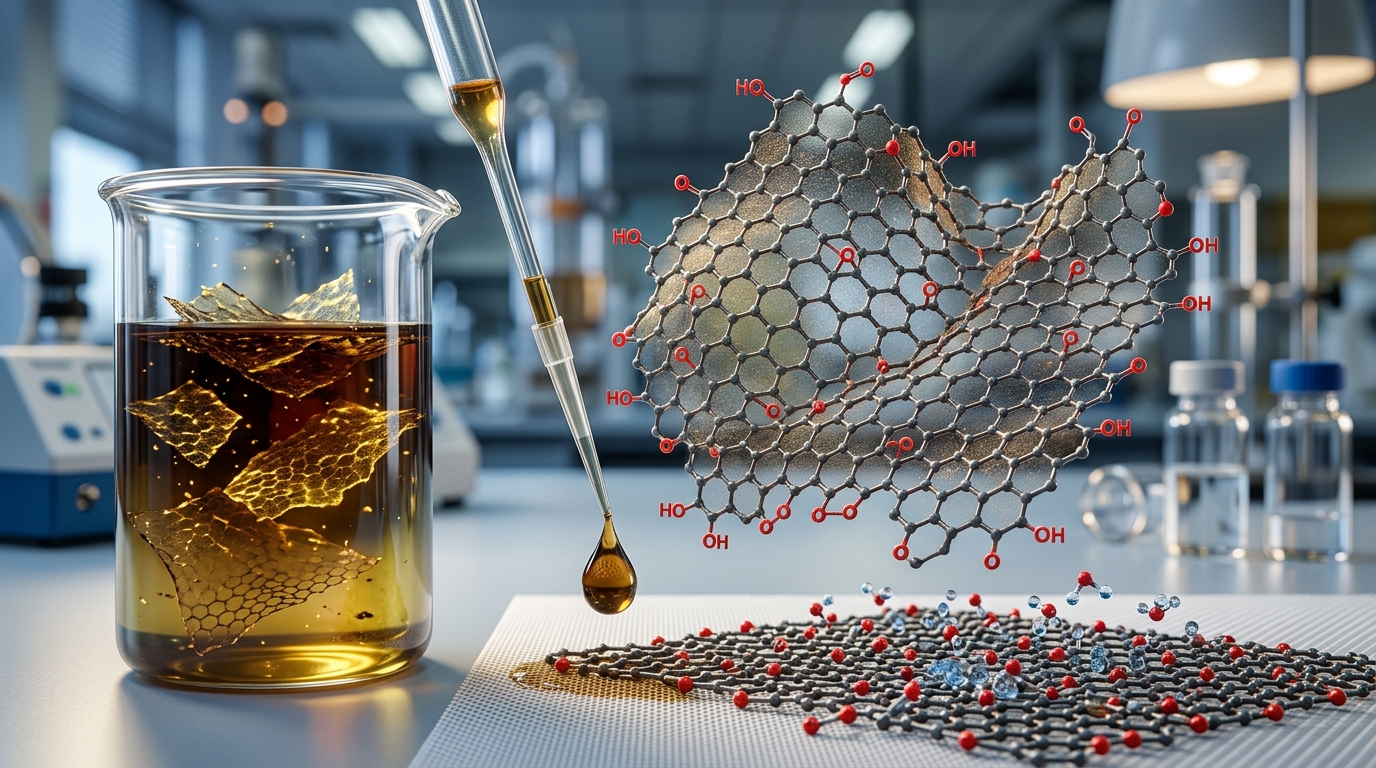
For natural fibers like cotton, silk, and wool—or for post-treatment of woven and knitted synthetic fabrics—surface modification is the standard route. Graphene oxide (GO) or functionalized GNPs are suspended in an aqueous solution or polymer binder formulation.
- Pad-Dry-Cure Processing: Fabric is immersed in a graphene-infused bath, squeezed through high-pressure rollers, and cured at elevated temperatures to set the binder.
- Thermal or Chemical Reduction: When using non-conductive graphene oxide, the treated fabric undergoes chemical or thermal reduction to produce reduced graphene oxide (rGO), restoring electrical and thermal conductivity.
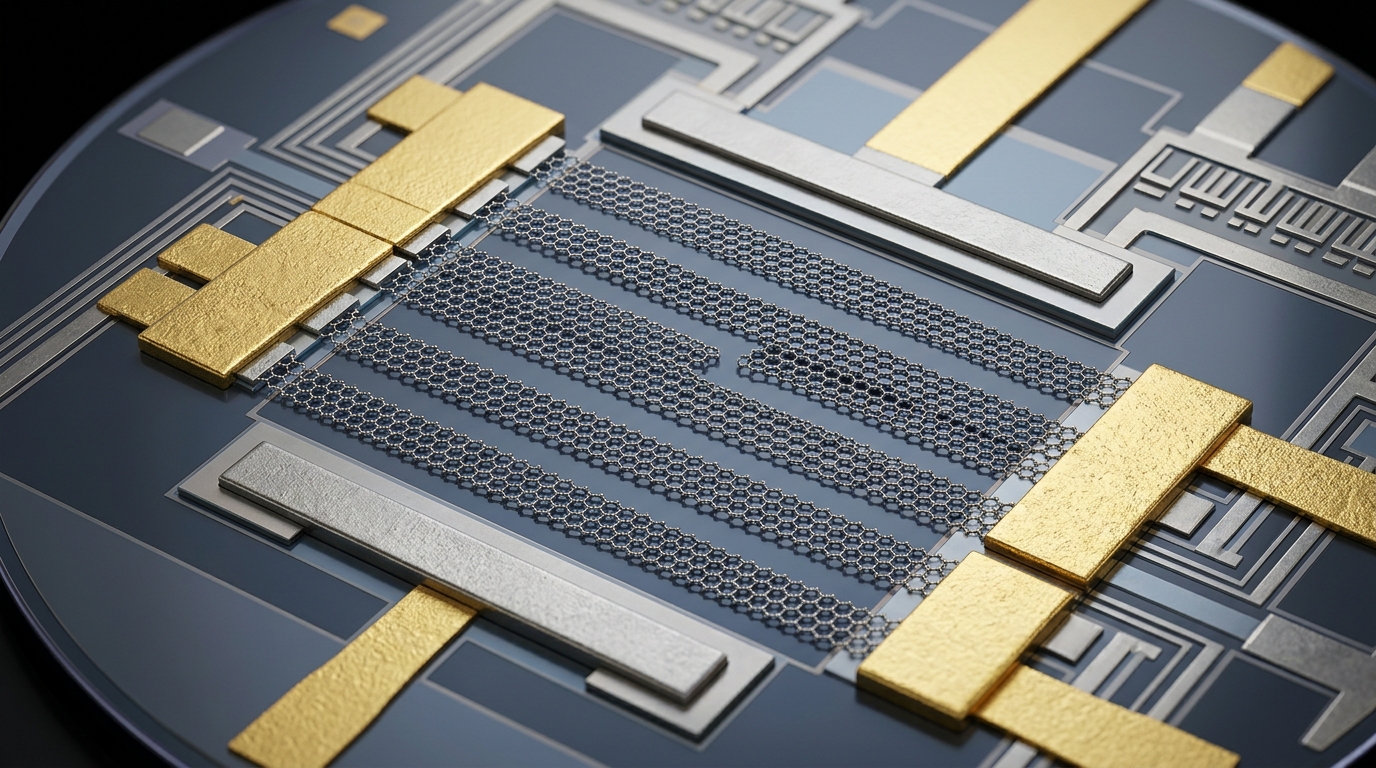
- Printed Electronics: Screen printing or inkjet printing of conductive graphene inks allows selective placement of heating tracks, physiological sensors, or interconnects directly onto fabric panels.
- Advantages: Maximum surface exposure of the graphene sheets, enabling high surface conductivity and direct interaction with the microclimate between the skin and garment.
- Limitations: Surface coatings rely heavily on binder integrity. Without optimized chemical bonding, wash-cycle agitation can cause the coating to delaminate or flake off.
Core Functional Properties of Graphene Fabric
Graphene introduces several distinct physical capabilities to conventional textiles. Its contributions are governed by material science rather than speculative wellness mechanisms.
Thermal Conductivity and Heat Distribution
Pristine graphene exhibits an in-plane thermal conductivity exceeding 3,000 W/m·K—far higher than metals like copper. In textile forms, where graphene flakes are randomly oriented and embedded in polymer binders, effective thermal conductivity is significantly lower, yet still substantial compared to untreated synthetic fibers.
Rather than acting solely as an insulator, graphene functions as a thermal distributor. When a localized zone of the human body generates excess heat (such as the upper back during physical exertion), a graphene-infused fabric facilitates conductive heat spreading toward cooler regions of the garment. This mitigates hot spots, accelerates radiant dissipation to the environment, and creates a more uniform thermal microclimate.
Electrical Conductivity and E-Textile Integration
Synthetics like polyester readily accumulate static electricity, creating cling and attracting dust. Incorporating low concentrations of graphene lowers the fabric’s surface resistivity, allowing static charges to dissipate harmlessly. At higher concentrations or in printed conductive pathways, graphene fabric exhibits sheet resistance low enough to serve as flexible wiring, capacitive touch surfaces, and low-voltage resistive heating elements for active thermal garments.
Mechanical Reinforcement and Abrasion Resistance
Graphene possesses an intrinsic tensile strength of approximately 130 GPa. When incorporated into yarn or applied as a protective surface matrix, it enhances the textile’s resistance to mechanical wear. Fabrics treated with graphene demonstrate improved tensile strength, higher tear resistance, and marked reductions in surface pilling, making the material well-suited for high-friction zones in technical apparel, such as knee patches and backpack contact panels.
Realistic Evaluation of Commercial Marketing Claims
Because graphene is an internationally recognized advanced material, consumer apparel brands frequently leverage it in their marketing campaigns. Differentiating between verified material behavior and exaggerated commercial claims is essential for objective product evaluation.
Thermal Retention vs. Far-Infrared Claims
Commercial marketing often asserts that graphene fabric actively emits “therapeutic far-infrared energy” that increases cellular vitality or burns calories. These claims misrepresent basic radiative physics.
All human bodies naturally emit far-infrared radiation (FIR) in the 8 to 14 micrometer spectrum. Carbon-based materials, including graphene, exhibit high infrared emissivity, meaning they absorb this body heat effectively and can re-radiate a portion of it back toward the skin. This contributes to passive thermal retention—similar to traditional mineral-infused or ceramic-coated winter textiles—but does not constitute an active, self-generating energy source or a medically verified healing modality.
Antibacterial and Antimicrobial Efficacy
Under laboratory conditions, exposed graphene nanosheets can disrupt bacterial cell membranes through physical shearing (often referred to as nano-blade action) and oxidative stress, thereby inhibiting bacterial colonization. However, translating this to everyday garments requires nuance:
- Melt-spun fibers: When graphene flakes are fully encased in polyester or nylon resin, direct physical contact between the nanomaterial and bacterial membranes is significantly reduced, diminishing purely mechanical antimicrobial action.
- Coated fabrics: Surface-coated fabrics show higher antimicrobial efficacy against common bacteria like Staphylococcus aureus and Escherichia coli. However, natural body oils, sweat salts, and residual laundry detergents can coat the surface over time, potentially passivating the graphene and reducing its effectiveness.
Moisture Management
Graphene is inherently hydrophobic. While this property prevents the fiber core from absorbing water, moisture management in garments depends on fiber geometry, knit architecture, and capillary action (wicking). Graphene cannot compensate for a poorly constructed knit; rather, it works in tandem with engineered cross-sections to spread moisture across a broader surface area for faster evaporation.
Graphene vs. Traditional Functional Textile Additives
To evaluate the utility of graphene fabric, it must be benchmarked against conventional functional treatments such as silver ions, ceramic infusions, and carbon black.
| Functional Property | Graphene Additives | Silver Ion (Ag+) Treatments | Ceramic / Mineral Coatings |
|---|---|---|---|
| Thermal Management | High thermal conduction & infrared absorption; eliminates hot spots. | Negligible thermal conductivity improvement at standard loadings. | Good infrared absorption and reflection; poor conductive heat spreading. |
| Antimicrobial Mechanism | Physical contact disruption and localized oxidative stress. | Biochemical ion leaching disrupting bacterial cellular enzymes. | Generally non-antimicrobial unless combined with biocidal finishes. |
| Electrical Conductivity | Moderate to high; enables antistatic and printed e-textile circuits. | Low at antimicrobial concentrations; high only in heavy metallic threads. | Dielectric insulator; no electrical utility. |
| Mechanical Durability | Reinforces base polymer matrix; improves abrasion resistance. | Neutral; does not enhance tensile or tear strength. | Can increase fiber brittleness if loaded at high concentrations. |
| Environmental Wash Stability | Excellent when melt-spun; variable when applied via surface binder. | Gradual leaching into wastewater; reduced efficacy over 30–50 washes. | High stability when integrated into melt spinning; fair when surface-padded. |
Primary Use Cases for Graphene Fabric
Athletic and Performance Apparel
In high-intensity sports, thermal regulation directly impacts stamina and comfort. Running shirts, cycling kits, and baselayers incorporate melt-spun graphene yarns to distribute metabolic body heat away from high-sweat zones toward regions where air circulation facilitates evaporative cooling. The intrinsic antistatic properties also prevent lightweight synthetic fabrics from clinging to the body during movement.
Outdoor Gear and Thermal Linings
Cold-weather outerwear manufacturers integrate graphene-coated membranes or graphene-treated down/synthetic insulation into jackets, gloves, and sleeping bags. By improving heat conduction across the internal lining, these garments equalize body warmth and minimize the need for bulky insulation layers. Furthermore, graphene’s abrasion-resistant nature prolongs the lifespan of lightweight face fabrics subjected to friction from backpack straps and climbing harnesses.
Smart Clothing and Wearable Biometrics
The rise of e-textiles has created significant demand for flexible, non-metallic conductive elements. Graphene inks printed directly onto elastic textiles act as dry electrodes capable of capturing biopotential signals (such as electrocardiography [ECG] and electromyography [EMG]) without requiring conductive gels. Additionally, piezoresistive graphene coatings allow fabric to act as a strain sensor, measuring joint angles, respiratory expansion, and physical impacts in athletic training or physical therapy contexts.
Bedding and Mattress Textiles
Mattress ticking, pillow covers, and duvets utilize graphene-infused fibers primarily for thermal equilibrium and antistatic benefits. By mitigating localized warmth generated by resting bodies, graphene bedding helps maintain a neutral microclimate conducive to uninterrupted sleep, while simultaneously reducing static electricity build-up in dry indoor environments.
Manufacturing Challenges and Wash-Cycle Degradation
Despite its material advantages, the widespread commercialization of graphene fabric faces major technical hurdles related to cost, processing consistency, and durability.
Dispersion and Agglomeration
Graphene sheets are held together by strong van der Waals forces, making them prone to agglomeration. In melt spinning, clumped nanoplatelets clog spinneret holes, causing filament breakage during industrial drawing. In coating suspensions, agglomeration creates uneven visual splotches, localized stiffness, and inconsistent functional performance. Achieving stable, high-concentration dispersions requires specialized surfactants or chemical functionalization that can add cost and complexity.
Laundering Degradation
The mechanical stress, water turbulence, and chemical surfactants involved in domestic laundering represent the primary failure mode for surface-treated graphene fabrics:
- Binder Breakdown: Polyurethane or acrylic binders that fix graphene onto fibers can degrade after repeated exposure to alkaline detergents and elevated washing temperatures.
- Surface Flaking: Agitation can crack thin surface films, leading to progressive loss of electrical conductivity and antimicrobial performance over 20 to 50 standard wash cycles.
- Testing Standards: Reliable manufacturers benchmark their textiles against rigorous international protocols, such as ISO 6330 (domestic washing and drying procedures) and AATCC 135, testing conductivity and thermal stability before and after repeated washings.
Safety Profile: Skin Contact and Particulate Shedding
As with any application involving nanomaterials, introducing graphene to direct human contact requires careful toxicological scrutiny. Material safety depends heavily on the morphology of the flakes, chemical purity, and their structural fixation to the textile substrate.
Dermal Biocompatibility
Standardized cytotoxicity and irritation testing (in accordance with ISO 10993 biological evaluation protocols) demonstrates that high-purity, fully cured graphene fabrics do not cause acute dermal irritation or skin sensitization. Carbon itself is biologically inert, and unlike small chemical biocide molecules, large two-dimensional carbon sheets cannot penetrate an intact human skin barrier (stratum corneum).
Particulate Shedding and Inhalation Risks
The primary occupational and consumer hazard associated with nanomaterials relates to aerosolization and inhalation. In melt-spun textiles, individual graphene particles are permanently embedded in the host polymer matrix, eliminating the risk of free nanoparticle inhalation during daily wear.
However, poorly bound surface coatings present a potential risk of particulate shedding. Mechanical friction (abrasion during wear) can generate micro-scale debris. Toxicological research indicates that while macro-scale debris typically behaves as standard inert particulate dust, sub-micron carbon flakes could pose respiratory risks if inhaled in significant quantities during manufacturing or textile cutting. Consequently, robust binder chemistry and stringent wash-fastness standards are necessary to ensure flakes remain anchored to the fabric substrate throughout the product life cycle.
Environmental Impact of Wastewater Effluent
As with microplastics, laundering coated textiles releases shedding residues into municipal wastewater systems. While graphene itself is an allotrope of carbon, its long-term interaction with aquatic microbiomes—particularly when functionalized with surfactants or chemical reduction agents—remains an active area of ecotoxicological research. Prioritizing melt-compounded fibers over weakly bound surface coatings significantly reduces both consumer shedding and environmental nanoparticle dispersion.
Summary: The Technical Outlook for Graphene Textiles
Graphene fabric is neither an inert marketing gimmick nor an all-powerful wellness textile. It is an advanced engineering material whose real-world utility centers on thermal equalization, static dissipation, flexible e-textile circuitry, and mechanical reinforcement. When properly integrated via melt spinning or industrial-grade bonded coatings, it delivers durable, measurable performance enhancements. Evaluating graphene garments requires looking past speculative medical claims and focusing on standardized metrics: manufacturing integration method, verified electrical and thermal values, and documented wash-cycle durability.