Graphene Coating for Cars
A graphene coating for cars represents an evolution in automotive paint protection technology, combining liquid ceramic polymers with functionalized graphene nanomaterials. Designed to protect clear coats from environmental fallout, ultraviolet degradation, chemical etching, and road grime, graphene-infused formulations offer distinct advantages over traditional waxes and standard silica (SiO2) ceramic coatings. However, realizing the true benefits of a graphene coating requires understanding what the technology actually delivers versus common marketing exaggerations.
What Is an Automotive Graphene Coating?
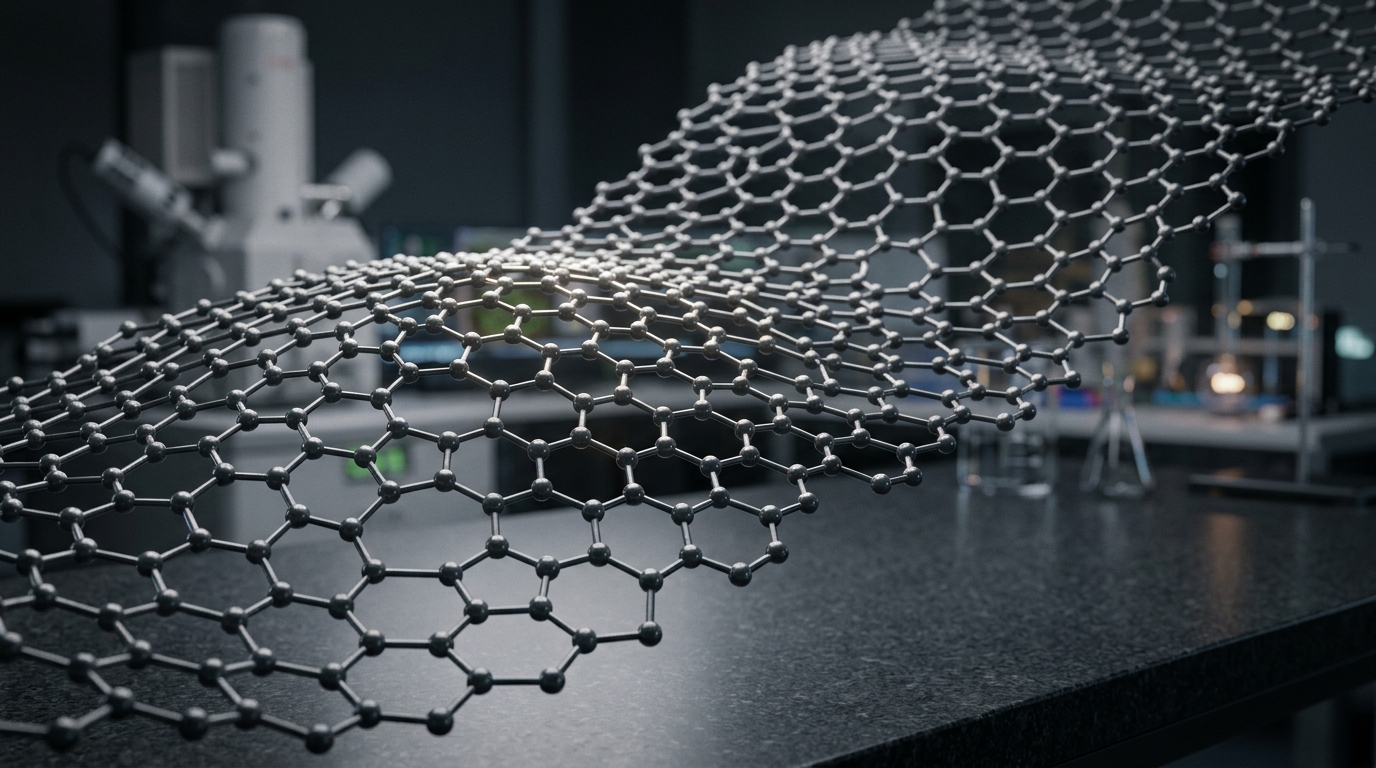
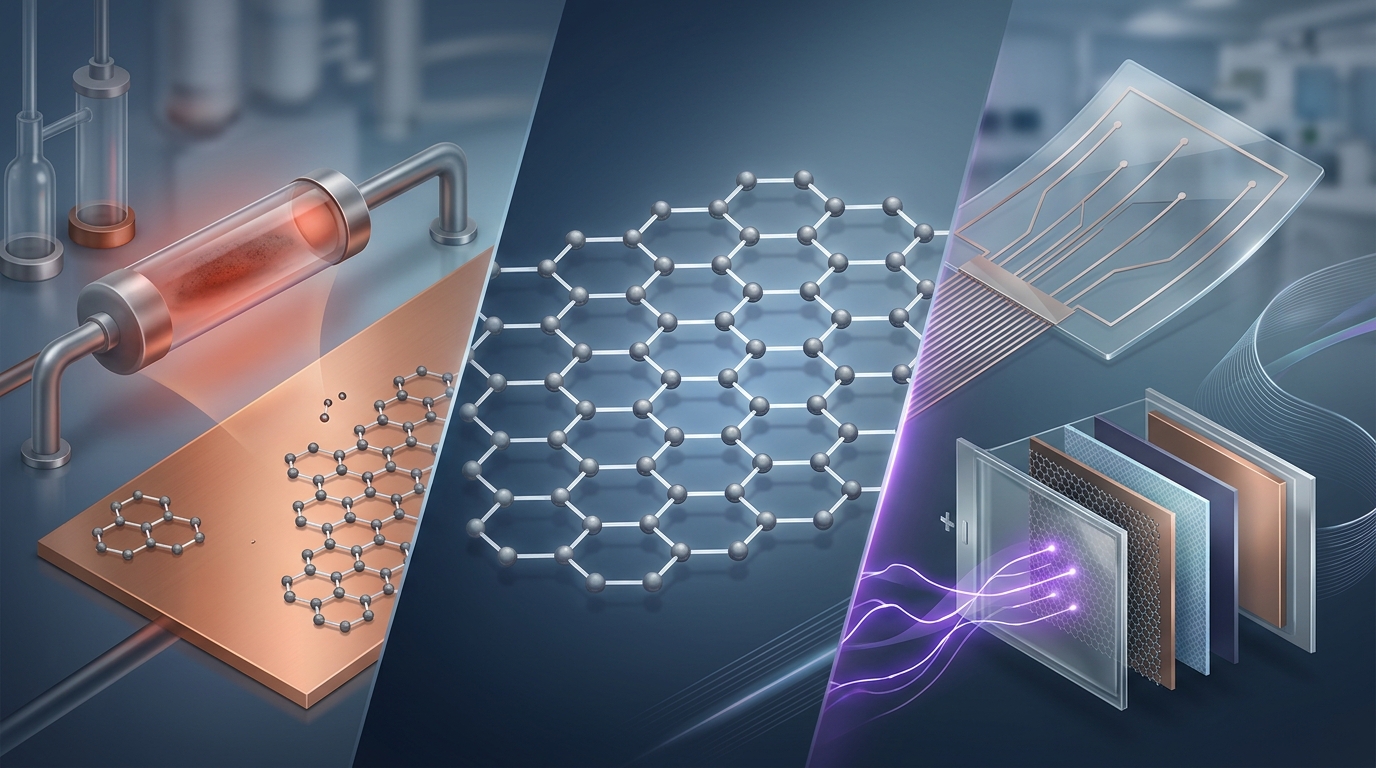
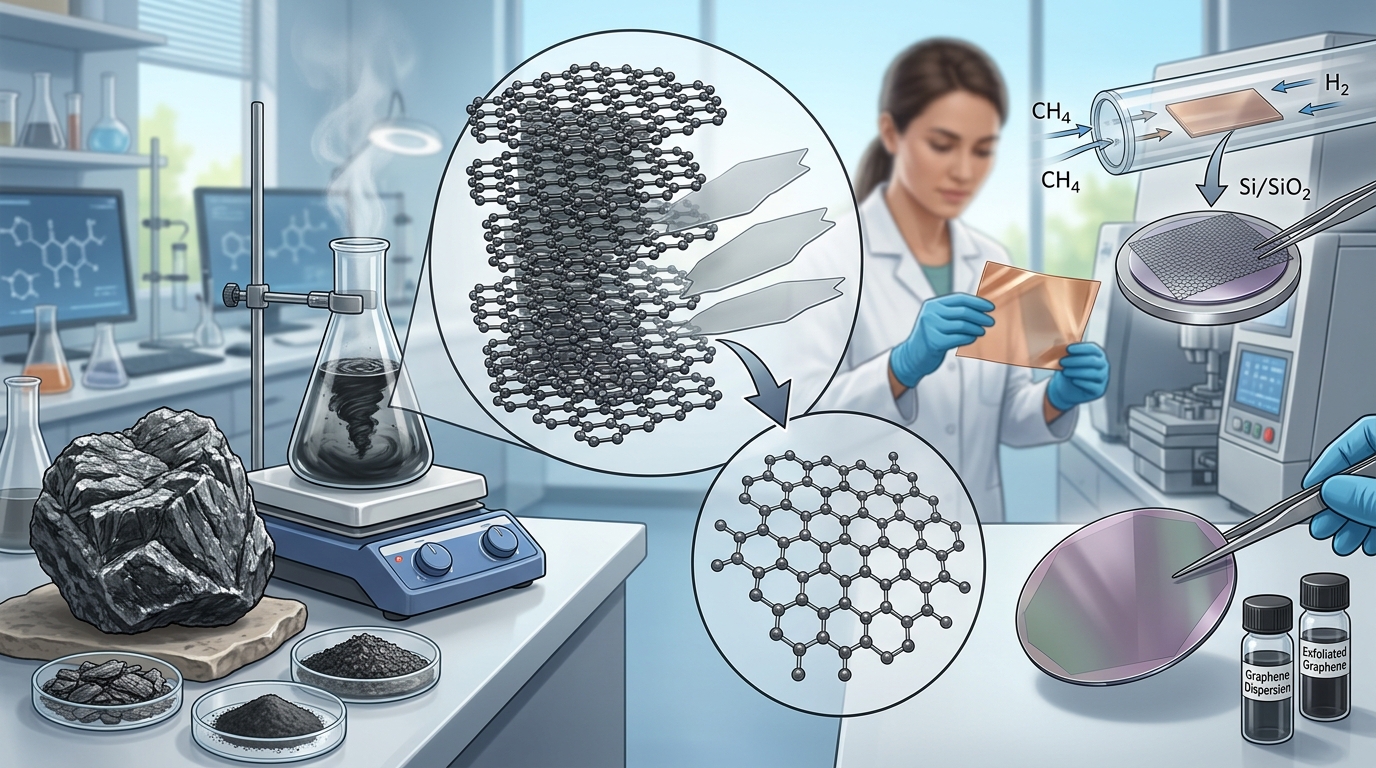
In detailing terminology, an automotive graphene coating is not a pure, single-atom-thick sheet of carbon wrapped around a vehicle. Pure monolayer graphene is an insoluble solid that cannot bond directly to automotive clear coats on its own. Instead, commercial graphene coatings consist of graphene oxide (GO) or reduced graphene oxide (rGO) nanosheets chemically functionalized and suspended within an inorganic resin matrix—typically polydisilazane, silanes, or liquid silica (SiO2).
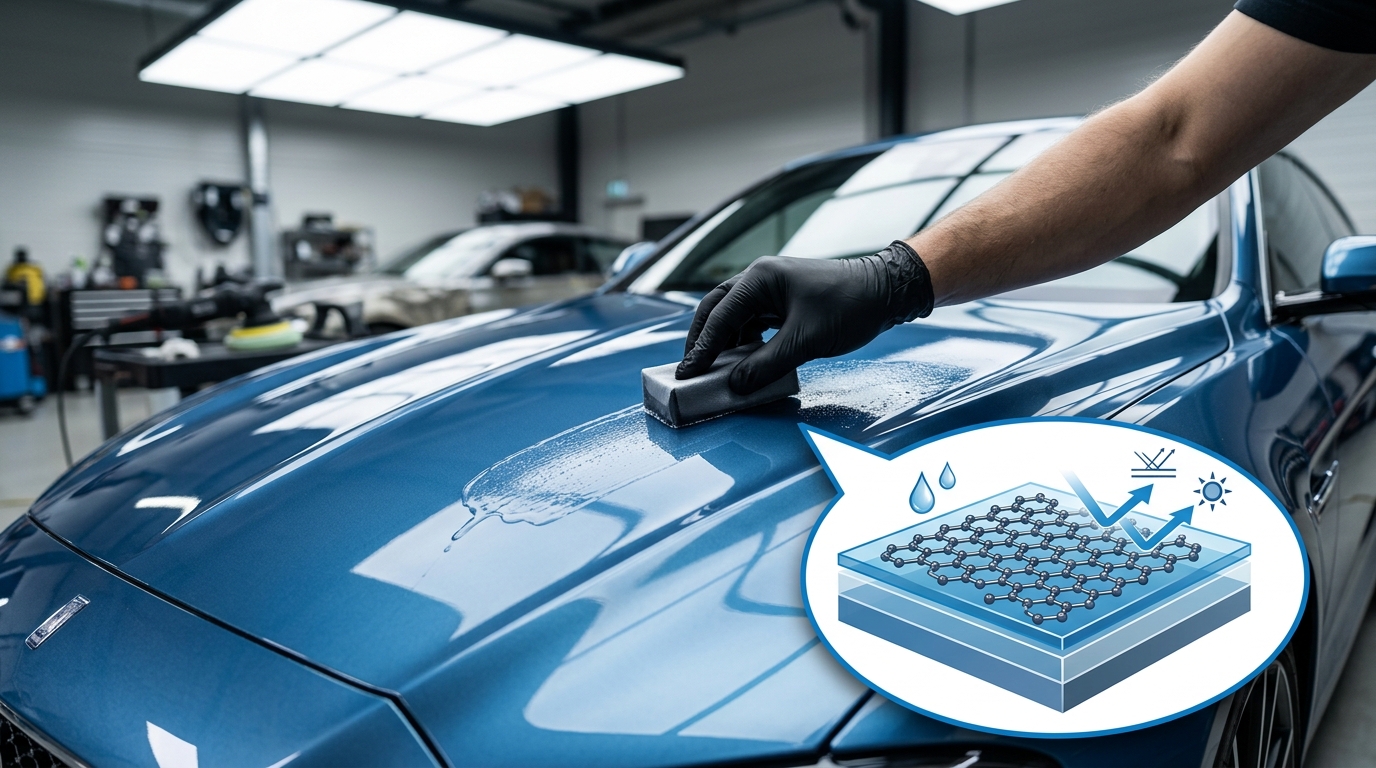
In this hybrid formulation, the ceramic resin acts as the primary bonding agent that cross-links with the microscopic pores of the clear coat. The suspended graphene oxide platelets migrate toward the surface during the curing phase. This creates a reinforced, honeycomb-like microstructure within the protective layer. The inclusion of graphene enhances the physical characteristics of the liquid polymer base, imparting higher thermal conductivity, enhanced chemical resistance, lower electrical conductivity (reducing static charge), and improved structural flexibility.
Graphene Coatings vs. Traditional Ceramic Coatings (SiO2)
Both ceramic and graphene coatings offer semi-permanent bonding and far superior protection compared to natural carnauba waxes or synthetic polymer sealants. However, incorporating graphene into the ceramic matrix alters several crucial physical and thermal dynamics on the painted surface.
| Performance Metric | Traditional Ceramic (SiO2) | Graphene Coating (rGO-Infused) |
|---|---|---|
| Water Spot Resistance | Moderate; high surface tension can cause bead magnifying and mineral etching. | High; lower water sliding angle and improved heat dissipation reduce water spotting. |
| Surface Temperature | Retains heat under direct sunlight, accelerating water evaporation and mineral deposition. | Higher thermal conductivity helps dissipate heat across the panel surface. |
| Hydrophobic Properties | High contact angle (typically 100°–110°), creating tight, tall beads. | Very high contact angle (110°–118°) with lower sliding angle, promoting rapid sheeting. |
| Static Resistance | Prone to static buildup, often attracting fine ambient dust after washing. | Reduced static electrical conductivity, repelling dust and airborne particles more effectively. |
| Flexibility & Toughness | Hard but brittle; susceptible to micro-cracking under clear coat thermal expansion. | Honeycomb carbon lattice adds tensile strength and flexibility to the resin. |
| Application Window | Narrow flash times; can be unforgiving if high spots are not leveled quickly. | Generally provides visual sweating/flashing cues and a slightly more forgiving wipe-off window. |
Water Spotting and Heat Dissipation
The primary practical advantage of a graphene coating over a traditional SiO2 coating lies in reduced water spot vulnerability. Traditional ceramic coatings create extremely tight water beads with high contact angles. When parked under intense sunlight, these beads act as miniature magnifying lenses while the surface temperature rises. As the water evaporates rapidly, mineral deposits (calcium, magnesium, road salts) etch directly into the ceramic layer and the underlying paint.
Graphene-infused formulas reduce the sliding angle of water droplets—the angle at which water begins to roll off the surface. Instead of remaining static, water beads roll away more readily during driving or rain. Furthermore, graphene exhibits high thermal conductivity, which allows the surface of the vehicle to shed heat more evenly, lowering localized surface temperatures and slowing down the rapid evaporation that triggers mineral etching.
Slickness, Gloss, and Dust Repulsion
Graphene coatings generally produce a slicker tactile feel than pure SiO2 formulas, which can sometimes feel slightly grabby to the touch. Because graphene reduces the surface electrical conductivity of the vehicle panel, it generates less static friction during regular driving and maintenance drying. This antistatic property significantly reduces the accumulation of fine dust and pollen on the paintwork between washes.
Realistic Durability vs. Detailing Marketing Hype
As graphene technology gained prominence in the automotive detailing sector, marketing claims quickly outpaced the physical reality of the material. Setting realistic expectations is critical before choosing a coating system.
- The “10H Scratch-Proof” Myth: Many coatings advertise “10H hardness” or claim to make paint completely scratch-proof. In detailing, 10H refers to the pencil hardness scale (Wolff-Wilborn test), not the Mohs mineral scale where diamonds rank as 10. A cured coating is only a few microns thick; it cannot prevent rock chips, deep key scratches, or aggressive wash-induced swirl marks. It does, however, provide meaningful resistance against light wash marring and micro-abrasions.
- Self-Healing Claims: Pure graphene coatings do not possess elastic “self-healing” properties on their own unless paired with specialized elastomeric polymers. Minor surface relaxation under heat may occur in select hybrid formulas, but deep swirls will not disappear simply by parking in the sun.
- Longevity Timelines: Consumer-grade graphene coatings typically provide 1 to 3 years of real-world durability, while professional-grade multi-layer installations can reach 5 to 7 years when properly maintained. Claims of lifetime protection without periodic decontamination and booster applications are inaccurate.
Step-by-Step Paint Preparation and Application
A graphene coating forms a covalent chemical bond with the clear coat. Any dirt, oils, swirl marks, or oxidation left on the paint will be permanently sealed beneath the coating. Consequently, paint preparation accounts for roughly 90% of the final outcome.
1. Decontamination Wash
Begin by stripping away old waxes, road films, and organic debris. Wash the vehicle thoroughly using a dedicated strip-wash shampoo or high-pH pre-wash foam. Follow this with a chemical iron remover spray applied to the painted panels to dissolve embedded ferrous brake dust and industrial fallout, rinsing thoroughly once the chemical turns purple.
2. Mechanical Decontamination (Claying)
Even after chemical decontamination, microscopic contaminants remain bonded inside the paint pores. Using a clay bar or synthetic clay mitt paired with dedicated clay lubricant, gently glide across all painted panels, glass, and hard trim until the surface feels completely smooth to the touch.
3. Paint Correction
Because the coating locks in the paint’s current visual state, eliminating swirl marks, scratches, and oxidation via machine polishing is essential. Perform a single-stage enhancement polish for light defects or a multi-stage compound and finishing polish for heavily swirled finishes. Achieve the desired level of visual clarity before continuing.
4. Panel Wipe-Down (Surface Prep)
Polishing compounds leave behind lubricating oils and carriers that prevent graphene resins from cross-linking with the clear coat. Thoroughly wipe down every panel with an isopropyl alcohol (IPA) solution (15%–20% dilution) or a dedicated solvent-based surface prep spray using plush, clean microfiber towels.
5. Coating Application
Work indoors or in a fully shaded, climate-controlled environment out of direct sunlight and high humidity:
- Shake the graphene bottle thoroughly to ensure the graphene oxide platelets are evenly dispersed.
- Apply a generous line of product across a foam applicator block wrapped with a microfiber suede cloth.
- Apply the product to the panel using an overlapping cross-hatch pattern (horizontal passes followed by vertical passes) over a small section (typically 2×2 or 3×3 feet).
- Observe the coating as it flashes. Graphene coatings typically “sweat”—forming tiny beads of carrier solvents on top of the layer—or produce an oily rainbow sheen within 1 to 3 minutes, depending on ambient temperature and humidity.
6. Leveling and Buffing
Once flashing occurs, take a short-pile, clean microfiber towel and gently level the product across the section, removing the bulk of the carrier solvents. Immediately follow with a second, clean, plush microfiber towel to buff the surface to a streak-free, high-gloss finish. Inspect the panel using an inspection light from multiple angles to ensure no high spots (dark, oily-looking patches of unlevel coating) remain.
7. Curing Protocol
Allow the coating to cure undisturbed. Keep the vehicle completely dry for at least 24 to 48 hours. Avoid washing the vehicle with detergents or exposing it to harsh chemicals for 7 to 14 days, allowing the resin matrix to fully cross-link and reach maximum hardness.
DIY Consumer Kits vs. Professional Installation
Vehicle owners can choose between performing the application themselves or hiring a certified professional detailing facility. Both approaches have distinct cost, time, and performance profiles.
| Aspect | DIY Graphene Kits | Professional Installation |
|---|---|---|
| Typical Cost | $60 – $150 (coating bottle only; excludes polishing tools/pads). | $800 – $2,500+ (includes comprehensive correction and labor). |
| Active Solids Content | Lower solid resin content to provide longer flash times and easier leveling. | High solid concentration; requires rapid, precise leveling techniques. |
| Durability Rating | 1 to 3 years with consistent maintenance. | 5 to 7+ years, often backed by manufacturer warranties. |
| Time Required | 8 to 20 hours of manual labor spanning washing, claying, polishing, and applying. | 1 to 3 days of professional bay time and infrared lamp curing. |
| Application Risk | Risk of leaving high spots, requiring abrasive repolishing to fix. | Backed by experienced installers, insurance, and controlled curing booths. |
Long-Term Maintenance Protocol
While graphene coatings make vehicle maintenance considerably easier, they are not self-maintaining. To preserve the hydrophobic water behavior and gloss for multiple years, follow a consistent maintenance regimen:
- Two-Bucket or Foam Cannon Method: Wash the vehicle every 1 to 2 weeks using a pH-neutral, wax-free car shampoo. Avoid shampoos containing gloss enhancers or added carnauba waxes, as these leave residues that temporarily mask the coating’s native hydrophobic properties.
- Prevent Wash Marring: Use high-quality microfiber wash mitts and dedicated grit guards in your rinse buckets. Never use automated friction car washes with abrasive nylon brushes.
- Touchless Drying: Dry the vehicle using a dedicated warm-air automotive blower or a thick, high-GSM microfiber drying towel lubricated with a ceramic-safe drying aid.
- Quarterly Decontamination: Every 3 to 6 months, wash the car with a specialized coating-revitalizing wash or apply an iron remover to purge embedded road films and industrial particulate that can clog the coating’s pores.
- Periodic Boosters: Apply a graphene- or silica-infused detail spray or topper every 3 to 6 months after washing. This sacrificial layer protects the underlying base coating and restores maximum slickness and contact angles.
Frequently Asked Questions
Can you layer a graphene coating over an existing wax or ceramic coating?
No. Graphene coatings require direct contact with the clear coat to form chemical bonds. Applying graphene over an existing wax, sealant, or failing ceramic coating will cause the product to bond only to that sacrificial layer, failing as soon as the underlying wax wears off. Existing protections must be completely stripped before application.
Are graphene coatings safe for glass, wheels, and plastic trim?
Most modern graphene formulations are safe for exterior plastics, headlights, wheels, and untreated metal trims, providing UV protection and preventing plastic fading. Specialized glass coatings are generally preferred for windshields due to wiper friction, but graphene coatings can be applied to side and rear automotive glass.
Can an improperly applied graphene coating be removed?
If high spots are noticed within a few hours of application, they can sometimes be leveled by applying fresh coating directly over the spot to re-emulsify the resin, followed immediately by buffing. However, once the coating has fully cured (24–48 hours), it can only be removed through mechanical abrasion using machine compounding and polishing.