What Is Graphene Car Wash?
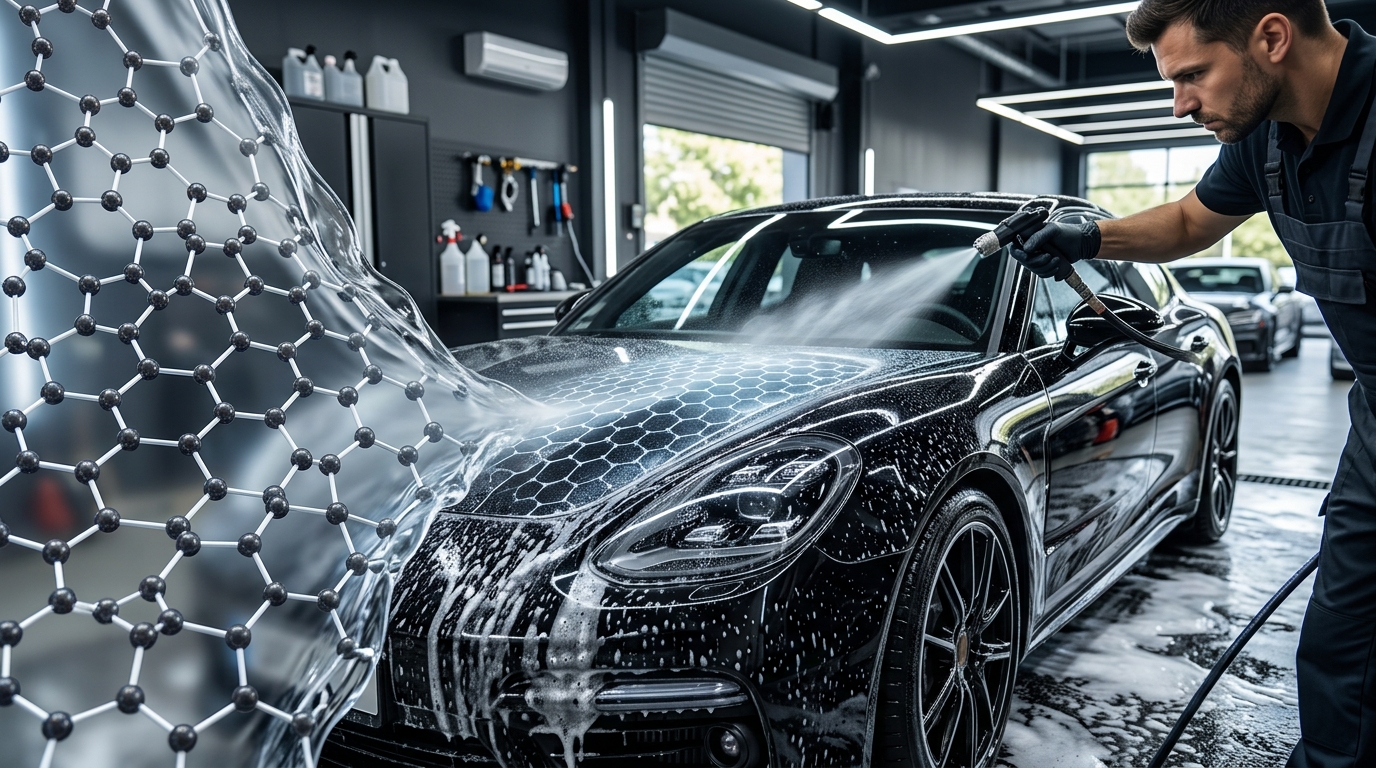
A graphene car wash is a specialized automotive cleaning formula infused with microscopic graphene or graphene oxide derivatives designed to clean vehicle surfaces while depositing a thin, protective layer of carbon-based protection. Available as hand-wash shampoos, snow foams, and automated tunnel wash cycles, these formulations combine standard detergents and surfactants with suspended graphene additives to enhance slickness, improve water sheeting, boost gloss, and reduce the risk of scratching paint during the wash process.
Understanding what is graphene car wash requires separating the practical chemical function of wash-stage additives from the heavy marketing surrounding advanced carbon materials. While a wash formula cannot replicate the multi-year durability of a dedicated, professionally applied graphene coating, it provides distinct functional advantages over traditional car soaps and silica-based alternatives.
How Graphene Additives Work in Car Wash Formulas
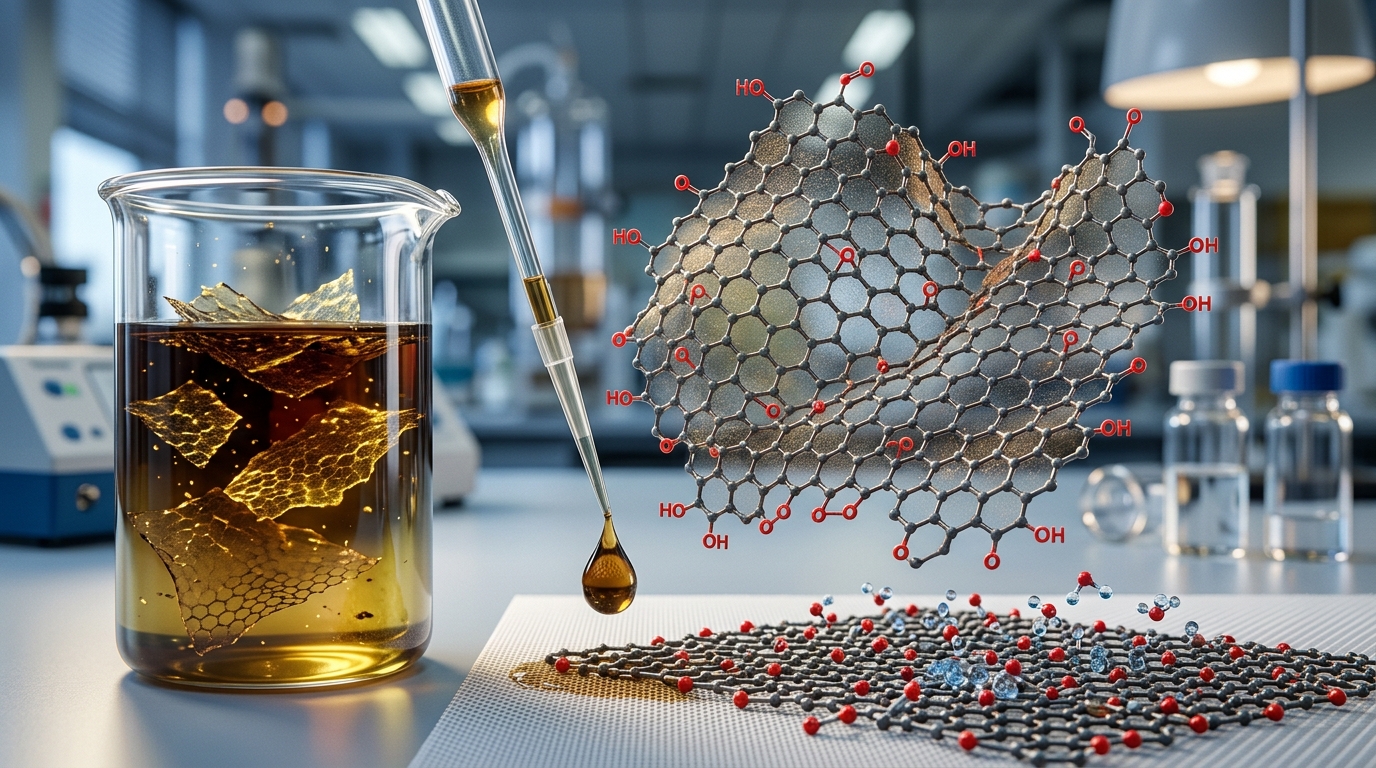
Standard automotive soaps rely on surface-active agents (surfactants) to encapsulate dirt, lower surface tension, and lift contaminants from the clear coat. Graphene car wash products take this process a step further by integrating suspended, engineered carbon nanomaterials—predominantly graphene oxide (GO) or reduced graphene oxide (rGO)—into the liquid emulsion.
When applied to a vehicle, these microscopic carbon platelets exhibit several functional behaviors:
- Boundary Lubrication: Graphene’s two-dimensional hexagonal lattice structure provides exceptionally low friction. When suspended in soapy water, it acts as a microscopic barrier between the wash mitt and the vehicle’s clear coat, significantly decreasing friction and reducing the likelihood of wash-induced swirl marks.
- Surface Adsorption: During the foaming and rinsing stages, functionalized graphene platelets bond weakly to the exterior clear coat via electrostatic attraction and cross-linking polymers contained in the carrier soap, leaving behind a semi-durable sacrificial layer.
- Modified Surface Energy: The deposited graphene layer alters the surface energy of the paint, transforming a hydrophilic (water-attracting) or poorly protected surface into a hydrophobic (water-repellent) one.
Key Practical Benefits of a Graphene Car Wash
Using a graphene-infused soap or selecting a graphene rinse cycle at a car wash delivers distinct physical benefits to the vehicle’s exterior:
1. Enhanced Slickness and Reduced Wash Marring
The primary cause of paint swirl marks is abrasive dirt dragging across clear coat during contact washing. Graphene-infused soaps provide superior lubricity compared to standard shampoos. This elevated slickness allows wash pads to glide effortlessly across body panels, safely carrying away trapped grit without abrading the finish.
2. Hydrophobic Water Beading and Sheeting
Following a wash, the deposited graphene polymers cause water to bead up into tight droplets or sheet off rapidly when rinsed. This hydrophobic behavior accelerates the drying process, reducing the amount of towel contact needed to dry the vehicle.
3. Mitigation of Water Spotting
Traditional silica (SiO2) ceramic washes create high water contact angles, which can occasionally lead to round water droplets acting as lenses under direct sunlight, baking mineral deposits into the clear coat. Graphene-infused formulas tend to promote wider sheeting angles and conduct surface heat more evenly, which helps reduce the severity of baked-on mineral etching.
4. Gloss and Color Depth
By filling microscopic clear coat imperfections and leaving a uniform, low-friction surface, graphene washes impart noticeable clarity, depth, and reflective gloss to both painted surfaces and exterior trim.
5. Anti-Static and Dust-Repellent Characteristics
Graphene is an electrical conductor. When deposited on paint, it helps dissipate static electricity that naturally builds up from wind friction and drying towels. This reduced static charge helps prevent airborne dust and pollen from clinging to the vehicle immediately after washing.
Graphene Wash vs. Ceramic (SiO2) vs. Traditional Car Soaps
Selecting the right wash product depends on the existing protection on the vehicle and the desired end result. The table below outlines how graphene-infused washes compare against ceramic and traditional formulas.
| Feature | Traditional Car Soap | Ceramic (SiO2) Wash | Graphene Car Wash |
|---|---|---|---|
| Primary Function | Cleans surfaces; lifts dirt and grime safely. | Cleans and deposits silica nanoparticles for water beading. | Cleans, maximizes lubricity, and leaves a graphene-polymer film. |
| Lubricity / Slickness | Moderate to high (depending on foaming agents). | Moderate; can feel grabby during hand contact. | Exceptionally high; minimal wash mitt drag. |
| Water Behavior | Neutral; depends entirely on underlying wax/sealant. | High contact angle beading. | Balanced beading and fast water sheeting. |
| Water Spot Resistance | Neutral. | Low to Moderate (prone to mineral baking in hot sun). | Higher (improved heat dissipation and lower water retention). |
| Longevity of Residual Layer | None (washes away completely). | 2 to 4 weeks. | 3 to 8 weeks. |
Marketing Claims vs. Reality: What Graphene Washes Can and Cannot Do
Automotive detailing marketing often attributes the theoretical laboratory properties of pristine monolayer graphene—such as being 200 times stronger than steel—to everyday car shampoos. To set realistic expectations, car owners must understand the true nature of these products.
The Reality of Formulation Chemistry
A wash soap cannot contain pure, unadulterated sheet graphene, as raw graphene does not readily disperse or remain suspended in stable water-based solutions. Instead, manufacturers utilize functionalized graphene oxide derivatives blended with synthetic polymers, fluoropolymers, or ceramic carriers. The percentage of active graphene material within a wash solution is typically minute (often less than 1%), serving as a structural additive to reinforce the synthetic polymers rather than a standalone impenetrable shield.
Durability Limitations
A graphene wash is not a replacement for a true semi-permanent ceramic or graphene professional coating. While dedicated wipe-on, cure-in-place coatings can last between two and five years, the sacrificial layer left behind by a graphene car wash generally lasts between three and eight weeks, depending on weather conditions, vehicle storage, and mileage. It should be viewed as a maintenance chemical or temporary booster, not long-term armor.
Application Methods for Graphene Car Wash
Graphene-infused wash formulations can be applied through multiple standard washing techniques depending on preference, equipment, and environment.
1. The Two-Bucket Hand Wash
This classic method provides the safest approach for contact washing.
- Preparation: Fill one bucket with clean rinse water and a second bucket with water and the manufacturer-recommended dilution of graphene shampoo (typically 1 to 2 ounces per bucket).
- Pre-Rinse: Thoroughly rinse the vehicle with a pressure washer or hose to knock loose surface debris away.
- Contact Washing: Submerge a microfiber or lambskin wash mitt into the graphene wash solution, gently wash one panel at a time starting from the top down, and rinse the mitt in the clean water bucket before reloading with soap.
- Rinse and Dry: Rinse the entire car thoroughly with low-pressure water to activate sheeting properties, then dry with a clean, plush microfiber towel or warm air blower.
2. Foam Cannon or Foam Gun
For touchless pre-washes or lubricated foaming before contact washing:
- Add the specified ratio (typically 2 to 3 ounces of soap topped with warm water) into a foam cannon reservoir.
- Coat the vehicle completely in thick foam, allowing the graphene-infused surfactants to dwell for 3 to 5 minutes to break down road grime.
- Rinse off for a touchless maintenance wash, or proceed with a gentle two-bucket contact wash using the foam as an added lubricant layer.
3. Commercial Drive-Through Graphene Cycles
Many modern automated and tunnel car washes offer a “Graphene Protection” tier. In automated settings, graphene-infused chemical sealants are atomized and sprayed across the vehicle in an arch application prior to the final spot-free rinse. While automated washes do not offer the meticulous precision of a manual hand wash, they effectively distribute a uniform layer of hydrophobic polymers across the entire chassis and paintwork.
Compatibility with Existing Paint Protection
A common question is whether a graphene car wash will interfere with or degrade existing protective treatments. Graphene shampoos are formulated with a neutral pH (typically between 7.0 and 8.5), making them safe across all major surfaces:
- Professional Graphene Coatings: Graphene shampoos act as the ideal maintenance wash, rejuvenating the underlying coating by clearing clogged pores and reinforcing hydrophobic performance.
- Ceramic (SiO2) Coatings: Graphene washes are fully compatible with ceramic coatings, adding a temporary layer of slickness and thermal dissipation without degrading the silica matrix beneath.
- Paint Protection Film (PPF) and Vinyl Wraps: The gentle, non-abrasive nature of graphene soap safely conditions gloss and matte vinyl surfaces without causing discoloration or adhesive edge lifting.
- Bare Clear Coat: On unprotected vehicles, graphene wash provides an instant baseline of gloss, UV protection, and water repellency in a single washing step.
By understanding the true mechanics behind graphene-infused cleaning agents, automotive owners can leverage these products to achieve superior wash lubricity, enhanced gloss, and reliable short-term protection.