Haydale Graphene Stock
Investors evaluating the advanced materials sector often track Haydale Graphene Industries plc (trading on the London Stock Exchange under the ticker AIM: HAYD). As an advanced nanomaterials group headquartered in Ammanford, Wales, Haydale occupies a distinct position in the supply chain by bridging raw nanomaterial synthesis and scalable industrial manufacturing.
Understanding the long-term potential and inherent risks of haydale graphene stock requires examining the company’s proprietary plasma functionalization technology, its transitioning commercial revenue streams, recent financial performance, and the structural dynamics of investing in micro-cap advanced materials equities.
Company Identification and Market Profile
Haydale Graphene Industries plc operates within the specialty chemicals and advanced materials sector. Unlike commodity graphene suppliers that focus primarily on high-volume extraction or raw synthesis, Haydale positions itself as an application-engineering and material-functionalization specialist.
- Company Name: Haydale Graphene Industries plc
- Ticker / Exchange: AIM: HAYD (Alternative Investment Market, London Stock Exchange)
- Headquarters: Ammanford, Wales, United Kingdom
- Core Discipline: Surface modification, functional nanomaterials, conductive inks, thermal management systems, and specialized masterbatches
Core Technology: The HDPlas® Functionalization Advantage
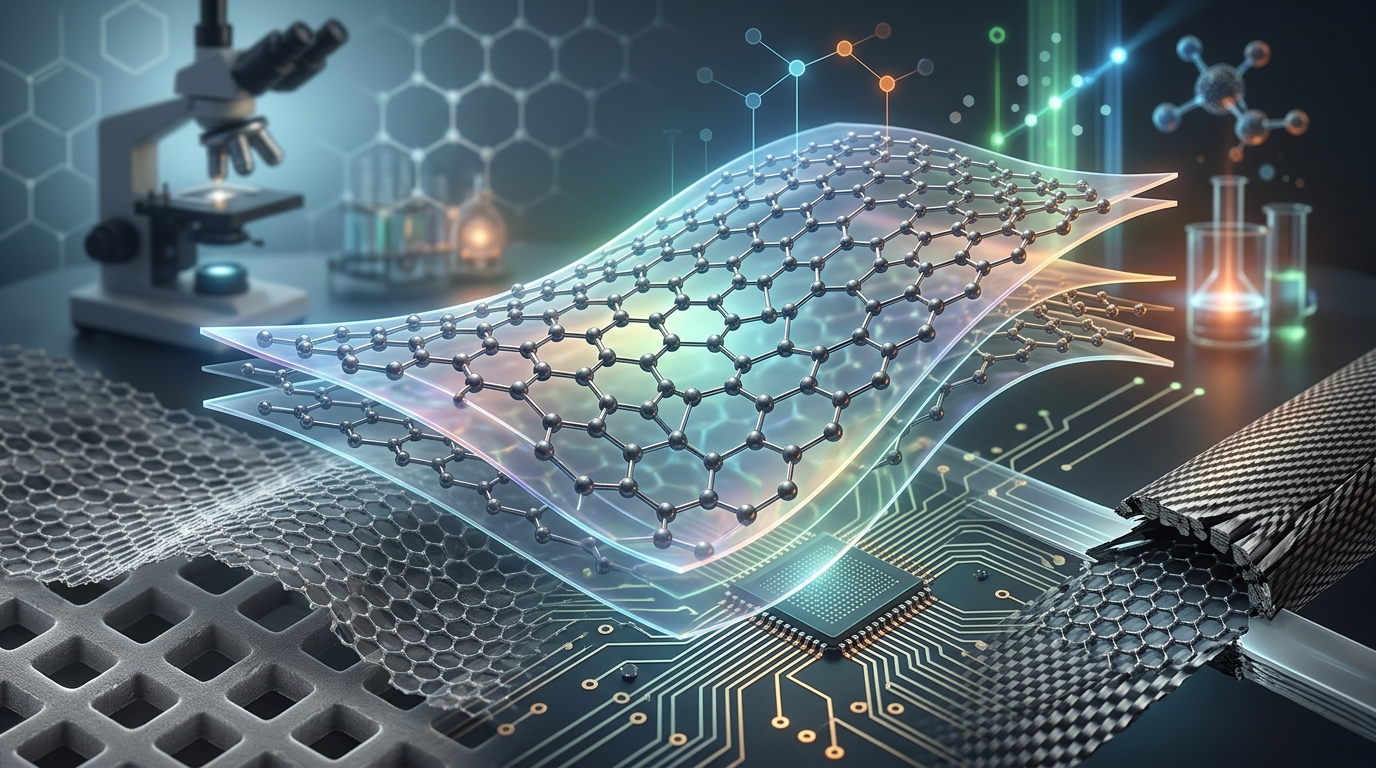
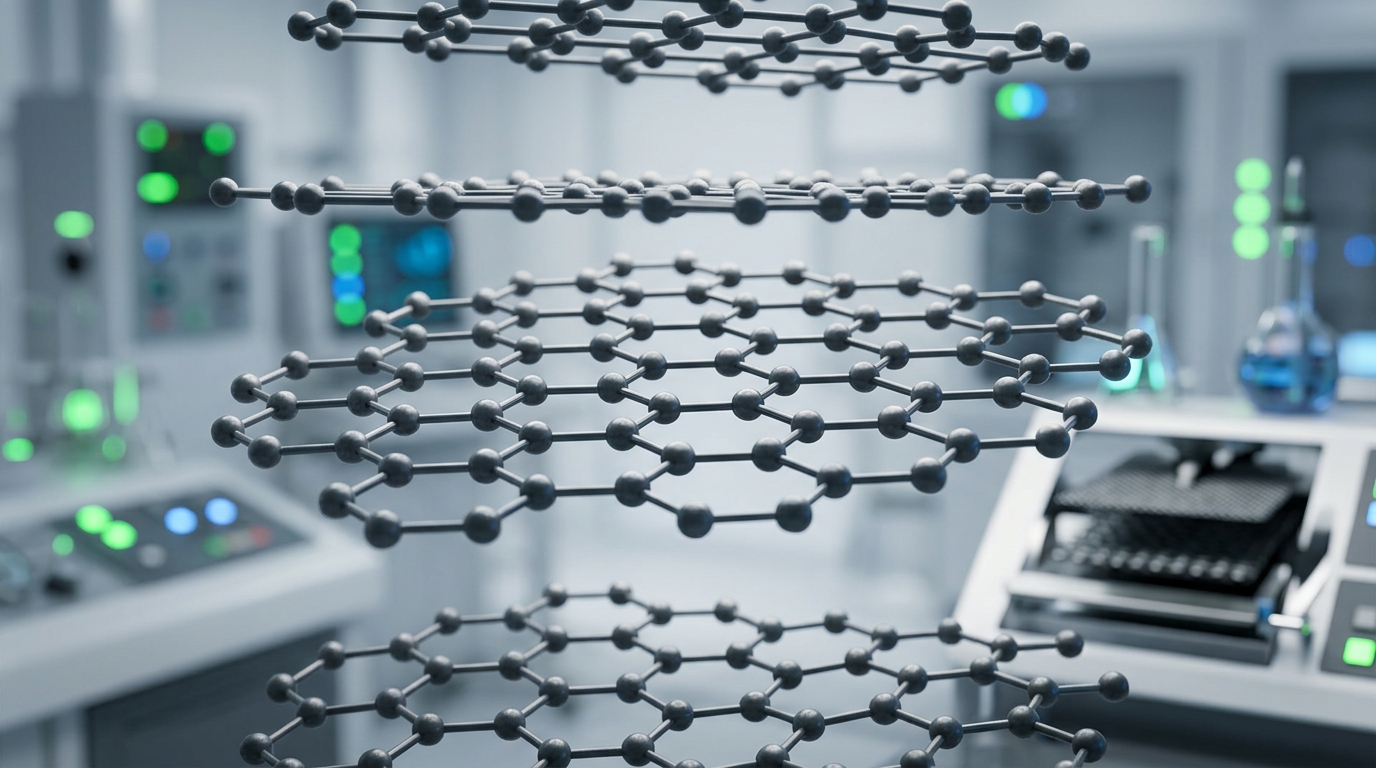
Graphene, carbon nanotubes (CNTs), and other two-dimensional nanomaterials exhibit extraordinary mechanical, thermal, and electrical properties in laboratory environments. However, their primary commercial bottleneck has consistently been dispersion. Untreated nanomaterials naturally agglomerate, preventing uniform blending into host matrices such as polymers, elastomers, inks, and resins.
Haydale addresses this barrier through its patented HDPlas® plasma functionalization process:
- Low-Temperature, Low-Pressure Treatment: HDPlas uses dry plasma to modify the surface chemistry of nanomaterials without damaging their underlying structural integrity.
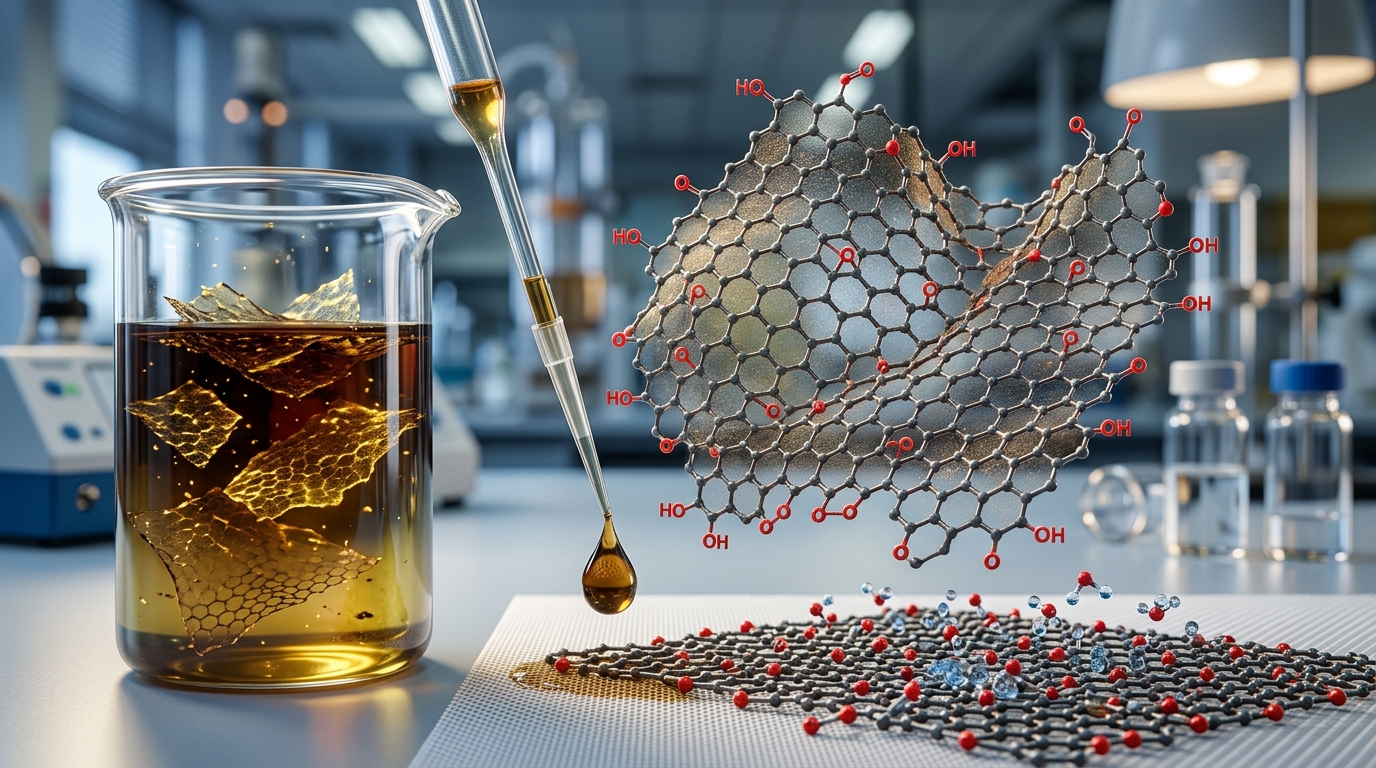
- Tailored Surface Chemistry: The process adds specific chemical functional groups (such as oxygen or amine groups) onto nanomaterial surfaces, enabling strong chemical bonding with targeted matrix materials.
- Substrate Versatility: While prominently applied to graphene nanoplatelets (GNPs) and CNTs, the technology also functionalizes other advanced materials, including boron nitride powders.
- Environmentally Dry Process: Unlike traditional wet-chemical functionalization techniques that rely on hazardous acids and yield heavy chemical waste, HDPlas operates as a dry, scalable process.
Commercial Revenue Streams and Target Sectors
Haydale has evolved its operational strategy from pure-play research and development toward commercialized application engineering. The group targets several core commercial sectors:
1. Thermal Management and Clean Technology
Thermal solutions represent a major strategic growth driver for the company, addressing industrial decarbonization and electronic thermal loads:
- Super-Efficient Thermal Transfer Fluids (SETTF): Designed for advanced industrial cooling, high-performance computing, and data-center infrastructure, these nanofluids enhance heat exchange efficiency in closed-loop systems.
- JustHeat and JustHeat Pro: Graphene-enabled electric underfloor and surface heating systems tailored for residential and commercial estate decarbonization, delivering rapid, low-voltage, uniform heat distribution.
2. Functional Inks and Printed Electronics
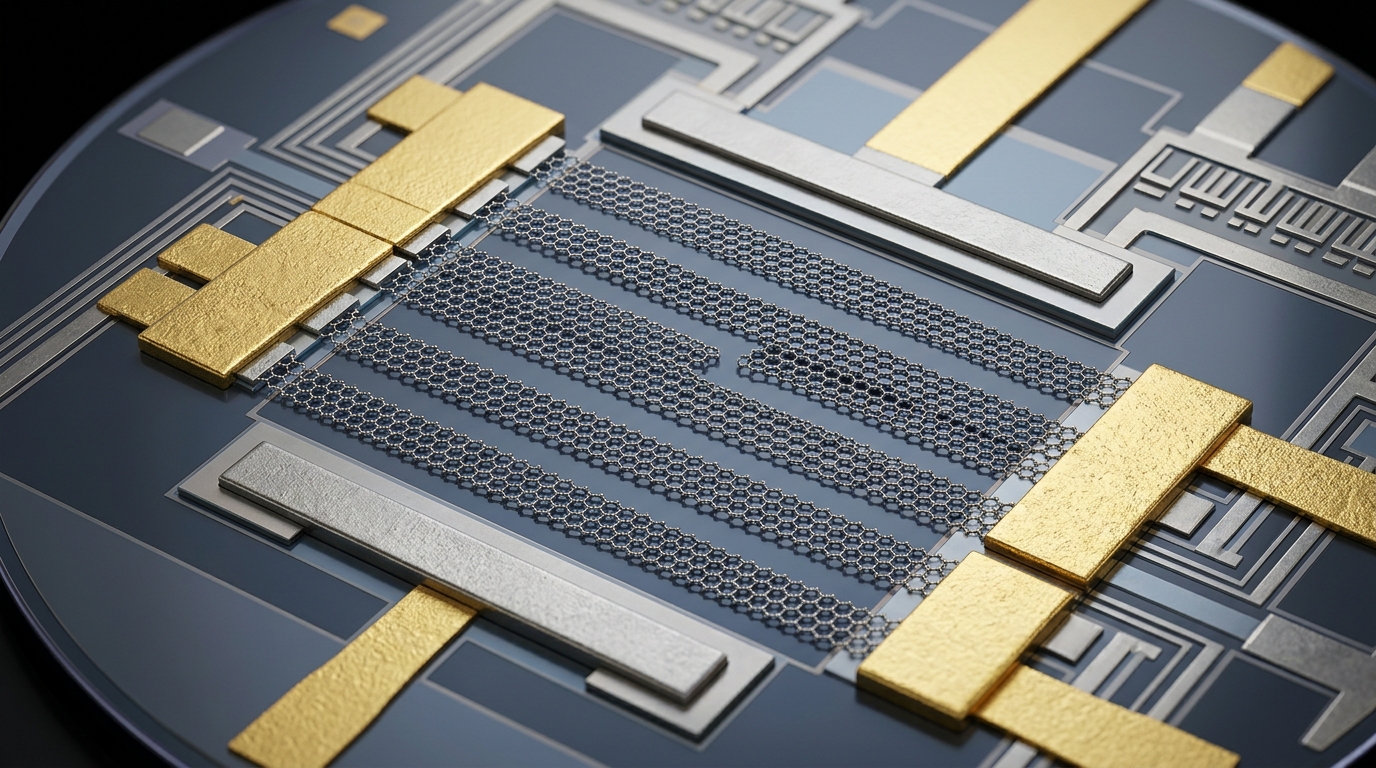
Haydale develops conductive and piezoresistive graphene formulations used in printed electronics. Target applications include biomedical diagnostic sensors, wearable health monitors, pressure-sensing arrays, and industrial monitoring interfaces.
3. Advanced Composites and Elastomers
By integrating HDPlas-treated nanomaterials into structural resins and masterbatches, Haydale improves mechanical strength, electrical conductivity, lightning-strike protection, and barrier properties for aerospace, automotive, tooling, and sporting goods manufacturers.
4. Specialized Ceramics and Boron Nitride
Beyond carbon materials, the company functionalizes advanced ceramic powders. A prominent commercial example is Adaptiflex, a specialized boron nitride development undertaken in collaboration with Saint-Gobain to improve thermal conductivity and lubrication in demanding industrial environments.
Commercial Breakdown by Application
| Commercial Segment | Primary Technology / Product | Target Industrial Markets |
|---|---|---|
| Clean Tech & Thermal Management | SETTF, JustHeat / JustHeat Pro | Data-center cooling, building decarbonization, HVAC |
| Printed Electronics | Functional conductive & piezoresistive inks | Biomedical sensors, pressure sensors, smart packaging |
| Structural Materials | Functionalized resins & masterbatches | Aerospace, automotive, industrial tooling |
| Advanced Ceramics | Functionalized boron nitride (e.g., Adaptiflex) | Specialty coatings, industrial lubricants, high-temp ceramics |
Financial Performance and Commercialization Milestones
Analyzing haydale graphene stock requires a review of the group’s recent financial progression and corporate restructuring. The company has focused on accelerating top-line revenue growth and reducing commercialization timelines, notably through targeted strategic integration.
Recent Financial Trajectory (H1 FY26)
- Revenue Growth: Interim revenue for H1 FY26 reached £2.25 million, marking a 463% increase compared to £0.40 million reported in H1 FY25. This expansion was heavily driven by enlarged group operations following the acquisition and integration of SMCC.
- Adjusted Operating Loss: The group recorded an adjusted operating loss of £1.16 million for the period, reflecting ongoing investment in commercialization and operational scaling.
- Liquidity and Cash Position: Cash reserves stood at £3.36 million at the end of the period, supported by strategic equity financing.
Operational Milestones
Alongside financial restructuring, Haydale has progressed several commercial engagements:
- Commercial Rollout of JustHeat Pro: Expansion of the heating platform into commercial property portfolios and public-sector energy initiatives.
- Thermal Fluids Validation: Ongoing field trials and scaling partnerships with industrial fluid specialists, including collaborations aligned with Hydratech and Liquitherm Technologies Group.
- Collaborative Frameworks: Active participation in multi-year utility programs and advanced material integration projects across the UK and international markets.
Material Investment Risks
Like many early-commercialization advanced materials companies listed on growth exchanges, Haydale presents several financial and market-related risks that investors should consider carefully.
1. Small-Cap Volatility and Liquidity Risks
Trading on the London Stock Exchange’s AIM market means HAYD shares typically experience lower trading volumes than main-market equities. This can lead to wider bid-ask spreads, heightened share price volatility, and potential illiquidity during market downturns.
2. Ongoing Cash Burn and Dilution Potential
While revenue growth accelerated in H1 FY26, Haydale continues to post operating losses. Achieving sustainable cash-flow break-even requires continued revenue growth and margin expansion. Historically, pre-profit advanced materials firms have relied on periodic equity placements to fund working capital, which carries the risk of shareholder dilution.
3. Long Industrial Qualification Cycles
Graphene adoption in highly regulated sectors—such as aerospace, automotive manufacturing, and critical computing infrastructure—involves rigorous validation, safety testing, and lifecycle analysis. These prolonged adoption cycles can lead to lengthy lead times before initial trials convert into recurring volume orders.
4. Revenue Mix and Margin Dynamics
The incorporation of service- and installation-led businesses (such as SMCC) significantly expands group top-line revenue. However, blended gross margins across contracting and service revenue may differ from high-margin IP licensing and pure specialty chemical sales, requiring careful ongoing operational management.
Competitive Positioning in the Graphene Sector
The public nanomaterials sector spans several business models, from large-scale primary graphite exfoliation providers to niche intellectual property licensing firms. Haydale differentiates itself by occupying the functionalization layer of the value chain.
Rather than attempting to compete on raw graphene production volumes, Haydale positions its HDPlas technology as an enabler that can take commodity carbon nanomaterials from various producers and tailor them for specific customer formulations. This functionalization-first strategy lowers raw material exploration exposure while concentrating capital on application engineering and proprietary treatment technologies.
Summary and Investor Takeaway
Haydale Graphene Industries plc represents an application-focused play within the commercial nanomaterials and clean-technology landscape. Its proprietary HDPlas functionalization platform addresses a fundamental hurdle in composite and material formulation: the effective integration of carbon nanomaterials into real-world host matrices.
Recent milestones—including substantial revenue growth in H1 FY26, the rollout of the JustHeat Pro decarbonization platform, and industrial trials for thermal transfer fluids—demonstrate ongoing commercialization. However, prospective market participants must weigh these developments against standard small-cap risks, including historical operating losses, ongoing capital requirements, and lengthy customer adoption cycles.
Financial Disclaimer
Disclaimer: This profile is provided strictly for educational and informational research purposes and does not constitute financial, investment, legal, or tax advice. It is not an offer, solicitation, or recommendation to buy, sell, or hold shares of Haydale Graphene Industries plc (AIM: HAYD) or any other security. Micro-cap advanced material equities carry substantial risks, including the potential loss of invested capital. Always conduct independent due diligence and consult a licensed financial advisor before making investment decisions.