Graphene X
Graphene X represents the emergence of advanced carbon nanotechnology in consumer technical apparel and everyday performance gear. While graphene was historically confined to physics laboratories and specialized microelectronics, engineering initiatives under the Graphene X concept translate the microscopic capabilities of a two-dimensional carbon lattice into macro-scale fabrics, laminated membranes, and composite structures. This integration produces materials engineered for extreme abrasion resistance, weatherproofing, thermal regulation, and structural longevity without the excessive bulk or weight typical of traditional synthetic textiles.
The Core Engineering: Integrating Graphene into Textiles
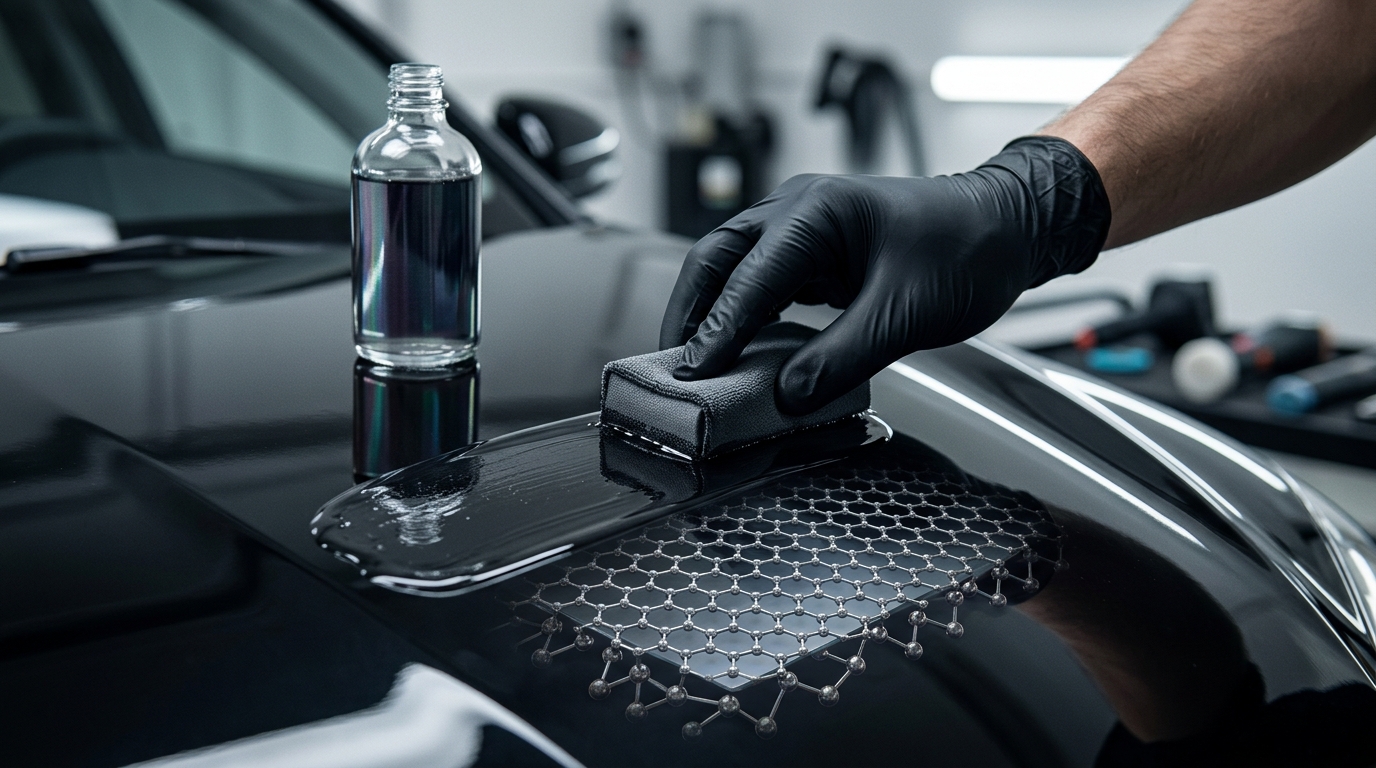
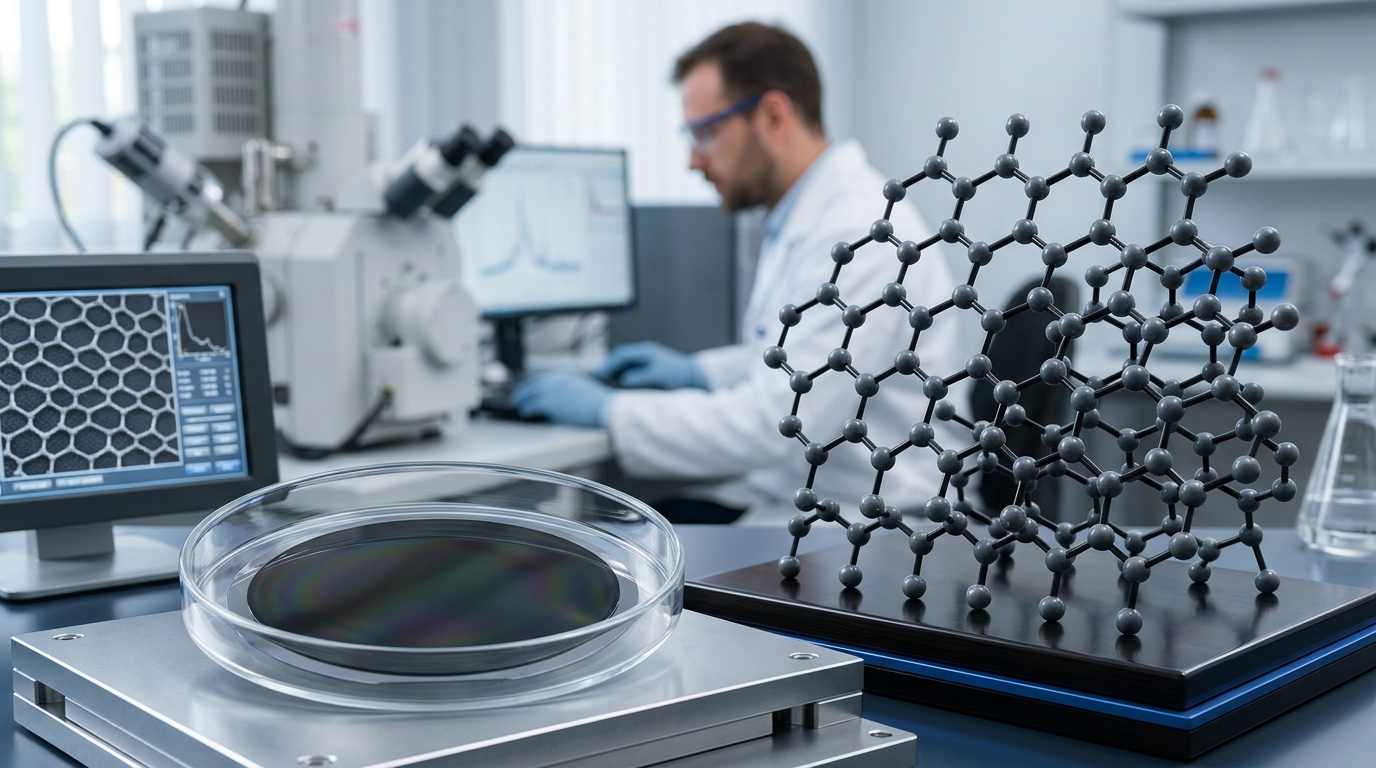
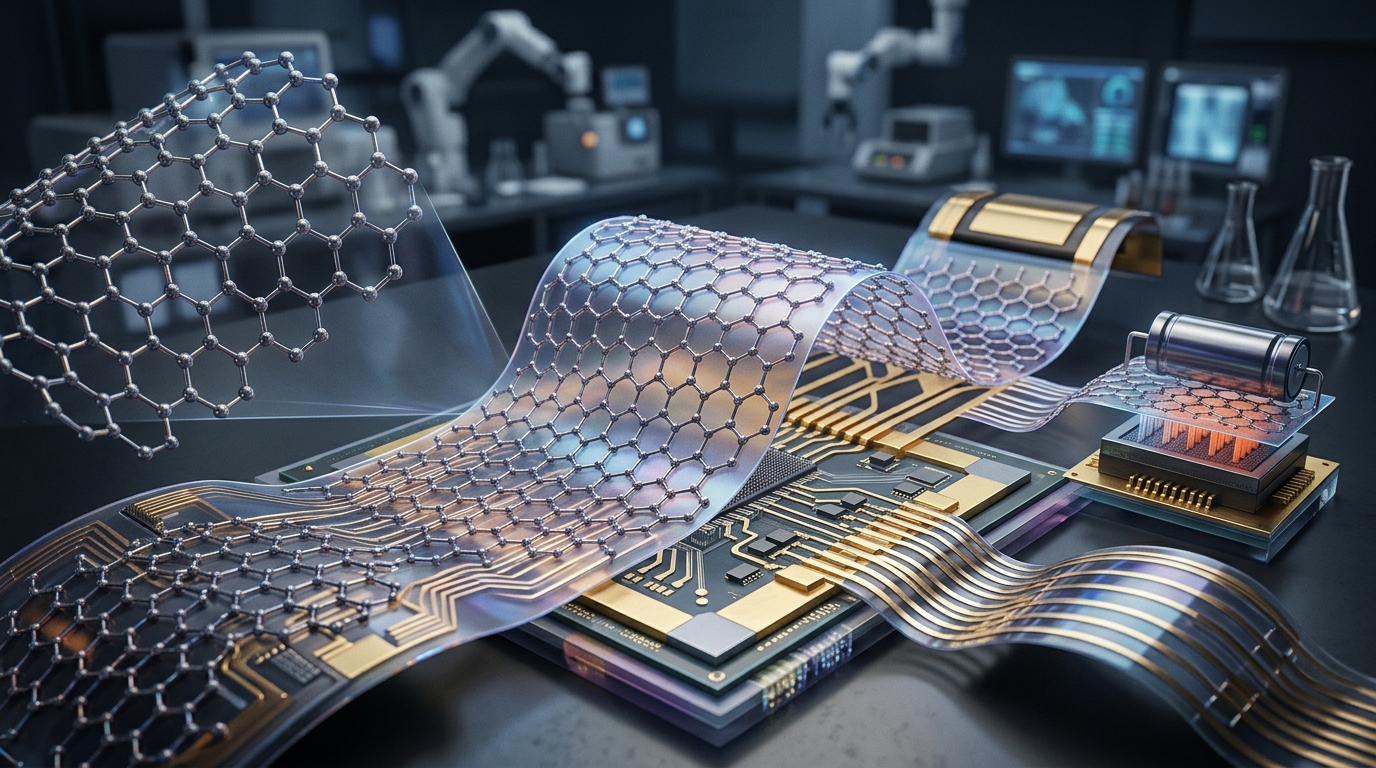
Graphene consists of a single layer of carbon atoms arranged in a two-dimensional honeycomb lattice. In its pristine, single-atom form, it possesses extraordinary mechanical strength, electrical conductivity, and thermal conductivity. However, weaving a single atomic sheet into clothing is physically impossible. To create practical garments and equipment, manufacturers utilize graphene nanoplatelets (GNPs) or functionalized graphene oxide derivatives blended into carrier polymers and textiles.
Bringing carbon nanomaterials into wearable goods relies on three primary manufacturing methods:
- Masterbatch Compounding: Graphene nanoplatelets are compounded into synthetic polymer chips—such as nylon, polyester, or polyurethane—prior to extrusion. When these chips are melted and drawn through spinnerets, the resulting filament yarns carry microscopic graphene flakes embedded directly throughout their internal core.
- Membrane Lamination: Graphene is dispersed within liquid polyurethane (PU) or expanded polytetrafluoroethylene (ePTFE) formulations to form a continuous, monolithic, or microporous waterproof-breathable film. This functional film is then heat-bonded between an outer protective shell fabric and an inner lining.
- Surface Impregnation and Coating: Aqueous graphene dispersions are applied to woven textiles via pad-dry-cure techniques, knife coating, or screen printing. This method concentrates the nanomaterial along the surface to maximize abrasion resistance or electrical antistatic properties.
The success of these techniques depends on achieving high interfacial adhesion between the carbon nanoparticles and the host polymer. If graphene flakes agglomerate rather than disperse evenly, they create structural stress concentrators that weaken the textile rather than reinforce it.
Thermal Regulation and Energy Distribution
One of the primary functional advantages of graphene-enhanced apparel is active thermal equalization. Traditional insulation relies almost entirely on trapping stagnant air pockets to impede conductive heat transfer. Graphene introduces an entirely different thermal mechanism by functioning as a high-efficiency heat spreader and radiative emitter.
The sp²-hybridized carbon bonds in graphene facilitate rapid phonon transport, giving the base material exceptional in-plane thermal conductivity. When integrated into an inner jacket lining or base layer, the material conducts heat away from warm core areas, such as the upper back, and redistributes it toward colder extremities. This reduces localized hot spots and delays sweat onset during intense physical activity.
Furthermore, graphene exhibits high emissivity in the infrared spectrum. The human body naturally radiates thermal energy in the far-infrared wavelength band (typically 4 to 14 micrometers). Graphene absorbs this body-emitted thermal radiation and reflects a significant portion back toward the skin as far-infrared radiation. This radiative feedback loop stimulates local peripheral blood circulation, improves perceived warmth, and aids in sustained thermal comfort in sub-zero environments without adding heavy fiber fill.
Weatherproofing: Waterproofing vs. Breathability
High-performance outdoor shells must satisfy two opposing performance requirements: preventing external liquid water from penetrating inward while allowing internal perspiration vapor to escape outward. Graphene-modified membranes improve this balance through selective barrier mechanics.
Standard microporous membranes rely on microscopic voids small enough to block liquid water droplets (approximately 100 micrometers) yet large enough to allow individual water vapor molecules (roughly 0.28 nanometers) to diffuse through. Adding graphene creates a tortuous molecular diffusion path. The physical sheets of graphene block the bulk migration of liquid water under extreme hydrostatic head pressure, while the modified surface energy of the graphene-polymer interface encourages the unidirectional transport of water vapor molecules along microscopic channel boundaries.
| Performance Attribute | Standard 3-Layer Shell | Graphene-Enhanced Composite Shell | Mechanism of Improvement |
|---|---|---|---|
| Hydrostatic Resistance | 10,000–20,000 mm H₂O | 20,000–30,000+ mm H₂O | Continuous nano-barrier integration preventing water penetration under pressure |
| Breathability (MVTR) | 10,000–15,000 g/m²/24h | 20,000–35,000+ g/m²/24h | Enhanced moisture vapor diffusion through optimized polymer-nanoplatelet interfaces |
| Abrasion Durability | Moderate to High | Exceptional | High tensile strength of graphene platelets absorbing shear stresses |
| Thermal Balancing | Passive (insulative only) | Active radiative and conductive | High thermal conductivity coupled with far-infrared reflectance |
Mechanical Durability and Abrasion Resistance
Outdoor exploration, tactical operations, and industrial work subject apparel to severe abrasive, tearing, and tensile forces. Standard synthetic fibers degrade under friction, leading to fiber pill, surface thinning, and membrane rupture. Graphene integration dramatically elevates surface hardness and tear resistance.
When blended into the outer textile weave or applied as an exterior coating, graphene nanoplatelets distribute applied mechanical stress across a wider surface area. In standard abrasion tests, such as the Martindale testing method, fabrics treated with graphene consistently withstand tens of thousands of continuous abrasive cycles before exhibiting structural breakdown.
This mechanical reinforcement is governed by the percolation threshold, which represents the minimum concentration of graphene platelets required to form an interconnected network within the host polymer matrix. Exceeding this threshold provides exceptional load transfer capability across the polymer chains, preventing tear propagation when the fabric experiences sharp puncturing or snagging.
Bacteriostatic Properties and Odor Mitigation
In endurance apparel and long-range travel gear, bacterial proliferation from sweat accumulation degrades fabric integrity and generates persistent odors. Many conventional antimicrobial garments use silver-ion finishes, which can leach into wastewater during wash cycles and gradually lose efficacy over time.
Graphene provides a durable, non-leaching alternative based on physical and electrochemical surface interactions. It acts as a bacteriostatic physical barrier through two primary mechanisms:
- Cellular Membrane Disruption: The sharp, nanoscale edges of exposed graphene sheets can physically compromise the outer lipid membranes of bacteria upon direct contact.
- Oxidative Stress Generation: The electronic properties of graphene facilitate charge transfer away from bacterial cells, disrupting their metabolic processes and preventing microbial colonies from replicating across the textile surface.
Because these mechanisms are physical and structural rather than chemical, the antimicrobial performance does not wash out, maintaining hygienic properties over the entire lifespan of the product.
Engineering Limitations and Practical Trade-offs
Despite its capabilities, working with graphene presents several distinct material engineering challenges that manufacturers must navigate.
Stiffness Versus Flexibility
While graphene adds strength, high loading concentrations reduce the elasticity of synthetic fibers. An over-concentrated graphene polymer becomes brittle, resulting in stiff, unyielding fabrics that restrict movement and produce excessive noise during motion. Formulators must fine-tune the volume fraction to preserve drape, hand feel, and natural four-way stretch.
Wash Durability of Surface Treatments
While graphene incorporated directly via masterbatch compounding remains permanently locked inside the synthetic yarn, surface-applied coatings can suffer from mechanical shearing in standard washing machines. If aggressive detergents or mechanical agitation break the binder chemistry, the graphene flakes will shed, reducing surface-level abrasion and weatherproofing performance.
Color and Aesthetic Constraints
Graphene nanoplatelets and reduced graphene oxides are naturally deep black or dark gray. Consequently, dyeing graphene-impregnated yarns in bright, vibrant colors presents a significant chemical challenge. High-concentration graphene fibers are generally restricted to dark palettes, charcoal shades, and muted tones.
How to Evaluate Graphene-Enhanced Technical Gear
When assessing performance claims for graphene-integrated equipment and clothing, look beyond generalized marketing and examine standardized, lab-verified technical metrics:
- Hydrostatic Head Rating (ISO 811): Measures the water pressure (in millimeters of water column) a fabric can withstand before leaking. Premium technical shells should demonstrate a minimum rating of 20,000 mm.
- Moisture Vapor Transmission Rate (ASTM E96 / JIS L1099): Quantifies the mass of moisture vapor (in grams) that passes through a square meter of fabric over 24 hours. High-breathability garments target ratings above 20,000 g/m²/24h.
- Resistance to Evaporative Heat Loss (ISO 11092 / Ret): Lower Ret values indicate lower resistance to vapor transfer. A Ret rating between 0 and 6 indicates extreme breathability suitable for high-output aerobic activities.
- Martindale Abrasion Resistance (ASTM D4966): Measures the number of abrasive cycles a fabric endures before yarn breakage occurs. Heavy-duty technical fabrics should exceed 50,000 to 100,000 rubs without structural failure.
The Realistic Role of Graphene in Modern Apparel
Graphene is not an indestructible or magical substance, and garments containing it are not bulletproof armor or self-heating power plants. Instead, Graphene X represents a sophisticated metallurgical and chemical evolution in composite textile design. By selectively distributing high-grade carbon nanomaterials within membranes, yarn filaments, and protective matrices, modern technical gear achieves measurable improvements in thermal equilibrium, abrasion resilience, and all-weather protection while maintaining a light, packable profile.