
Graphene Spray Coating
A graphene spray coating is an advanced automotive paint protectant that integrates engineered carbon nanomaterials into a liquid polymer matrix to shield exterior surfaces from environmental fallout, UV degradation, chemical etching, and water spotting. While frequently marketed as an impenetrable carbon shield, consumer-grade graphene spray coatings represent an evolution of ceramic sealant chemistry, offering distinct thermal and surface tension advantages in an accessible, user-friendly spray-and-wipe format.
Formulation Reality: Reduced Graphene Oxide vs. Marketing Hype
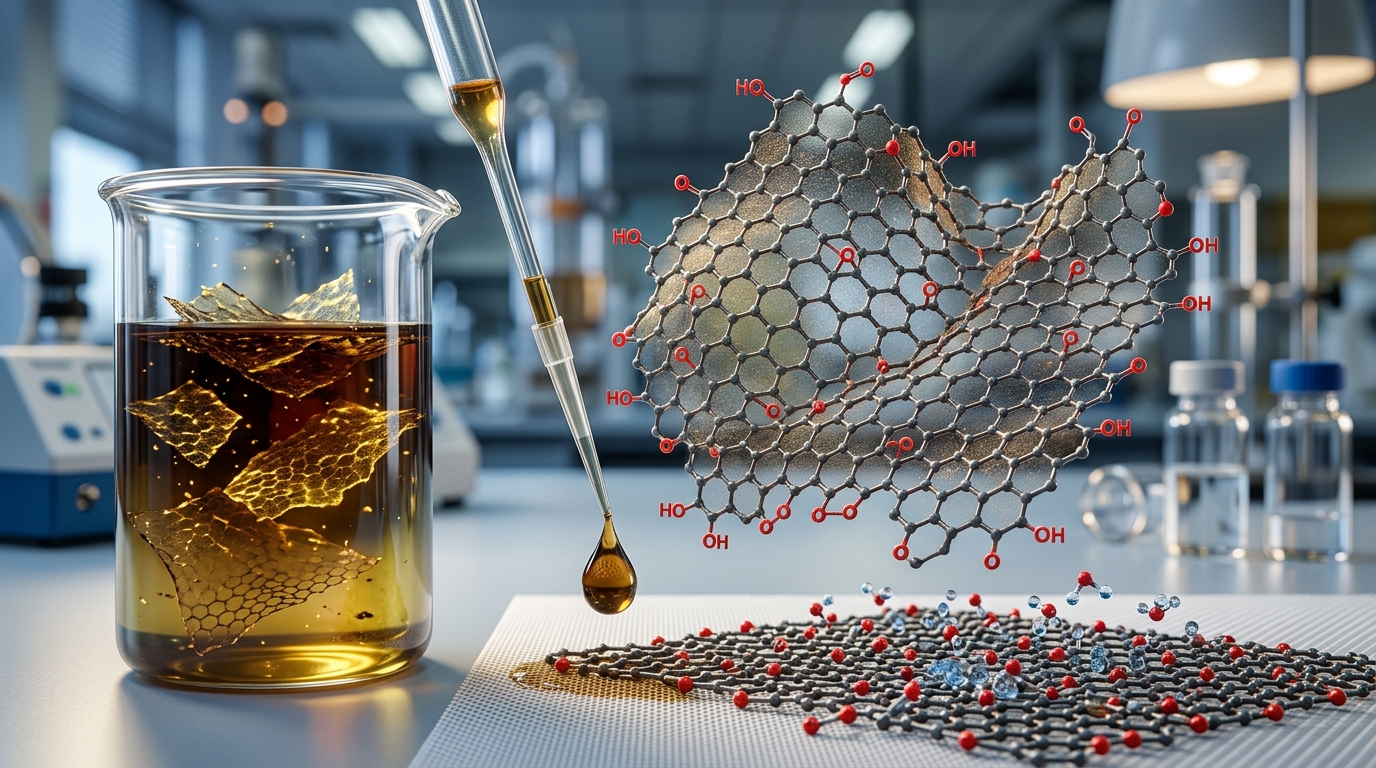
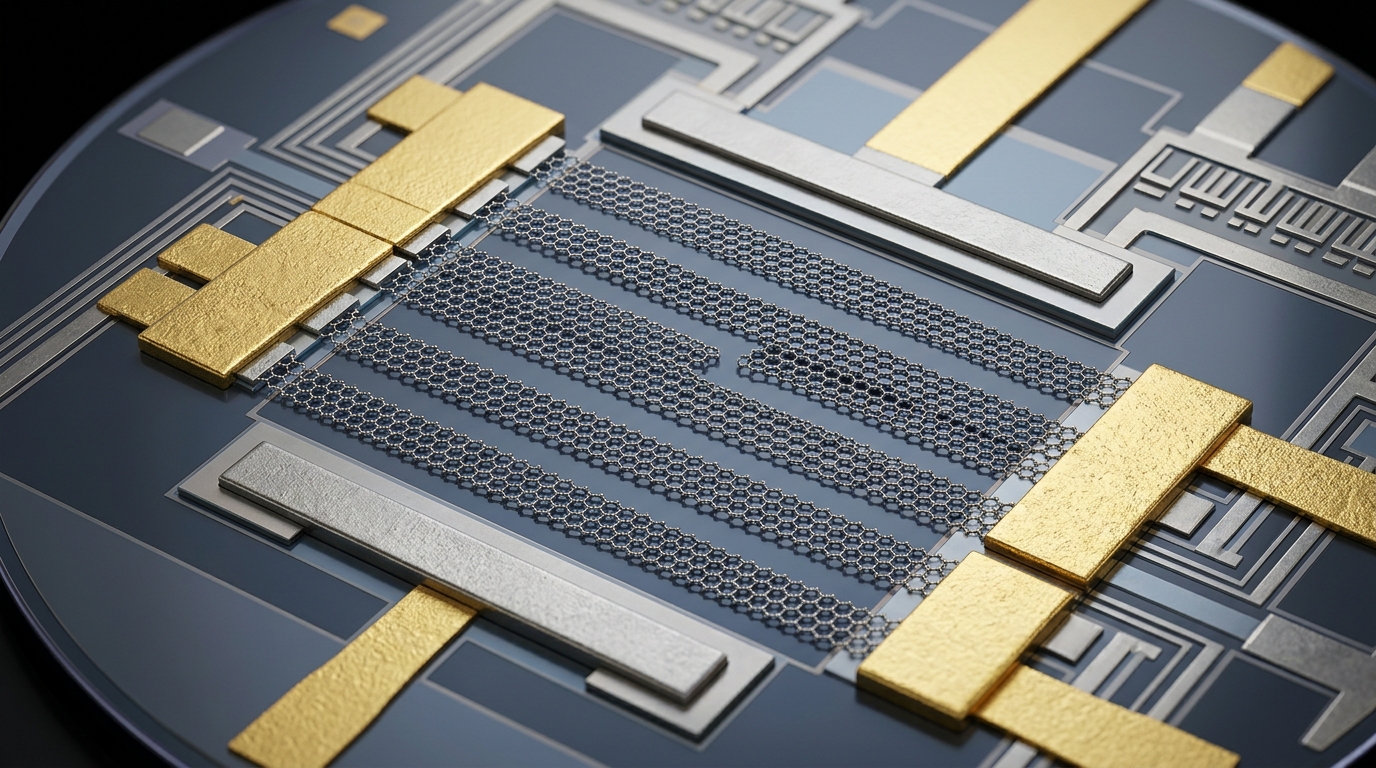
To understand how a graphene spray coating functions, it is essential to separate chemical reality from marketing hyperbole. Pure, pristine single-layer graphene consists of an individual two-dimensional sheet of carbon atoms bonded in a hexagonal honeycomb lattice. In its pure state, graphene is insoluble, highly hydrophobic, and prone to severe agglomeration, making it impossible to suspend directly into a liquid detailing spray.
Commercial detailing products utilize Reduced Graphene Oxide (rGO) or functionalized graphene oxide nanoplatelets. These engineered carbon particles are chemically modified and dispersed into a traditional ceramic resin carrier system comprising siloxanes, silanes, or polysilazanes ($SiO_2$). In this hybrid formulation, the siloxane matrix serves as the bonding agent that adheres directly to the automotive clear coat, while the embedded rGO nanoplatelets act as structural dopants that alter the physical and thermal properties of the cured layer.
Unlike professional-grade liquid coatings supplied in glass dropper vials—which often feature 30% to 60% active resin solids—trigger-spray graphene coatings are formulated with lower active solids concentrations, typically between 5% and 15%. This dilution lowers fluid viscosity, enabling uniform atomization through a standard trigger sprayer while maintaining an easy wipe-on, wipe-off installation profile. Claims suggesting that spray sealants impart “10H diamond hardness” or establish an indestructible, scratch-proof layer are inaccurate; rather, these sprays deposit a flexible, sacrificial micro-layer designed to preserve the underlying clear coat.
Core Performance Benefits of Graphene Sprays
Graphene spray coatings offer several quantifiable performance benefits over traditional polymer sealants and entry-level ceramic sprays.
1. Enhanced Water-Spotting Resistance
Water spotting is one of the primary drawbacks of traditional $SiO_2$ ceramic coatings. Pure silica is an effective thermal insulator that holds solar heat on vehicle panels. When mineral-laden water droplets sit on hot ceramic surfaces, the high contact angle acts like a magnifying lens, accelerating water evaporation and baking calcium and magnesium carbonates deep into the clear coat.
Graphene-infused formulations mitigate this issue through two distinct mechanisms:
- Lower Sliding Angle: Graphene coatings feature a reduced roll-off or sliding angle (often $le 10^circtext{–}15^circ$). Even if the static water contact angle is high ($105^circtext{–}115^circ$), the reduced surface drag allows water droplets to sheet off horizontal surfaces before evaporation occurs.
- Thermal Dissipation: Carbon lattices possess significantly higher thermal conductivity than silica polymers. This enables coated panels to dissipate localized surface heat faster, lowering peak clear-coat temperatures under direct sun exposure.
2. Hydrophobicity and Self-Cleaning Properties
Graphene spray coatings produce a tightly packed hydrophobic barrier with static water contact angles typically ranging between $105^circ$ and $115^circ$. This elevated contact angle causes liquid contaminants to bead up into tight spheres. Combined with a low sliding angle, rain washes away loose dirt, road grime, and particulate matter, creating a noticeable self-cleaning effect during wet driving conditions.
3. Anti-Static Dust Repellency
Rubbing microfiber towels against automotive paint during washing and drying builds a triboelectric static charge, which actively pulls airborne dust and pollen onto freshly detailed surfaces. The conductive properties of reduced graphene oxide lower surface electrical resistance, mitigating static accumulation and reducing dry dust buildup on treated panels.
4. UV and Broad Chemical Tolerance
Graphene spray coatings create a resilient sacrificial barrier that protects clear-coat binder resins from photo-oxidative UV breakdown. Furthermore, quality formulations provide robust chemical tolerance across a range of pH 2 to pH 12/13, protecting automotive paint from harsh alkaline road salts, heavy degreasers, acidic environmental fallout, bird droppings, and bug splatter.
Product Tier Comparison
Understanding where graphene spray coatings fit within the automotive protection spectrum helps vehicle owners set accurate performance expectations.
| Feature / Metric | Graphene Spray Coating | Ceramic ($SiO_2$) Spray Coating | Pro-Grade Liquid Coating (Vial) |
|---|---|---|---|
| Primary Chemistry | rGO + Siloxanes / Silanes | $SiO_2$ / Siloxanes / Fluoropolymers | High-solids Polysilazane / $SiO_2$ / rGO (40%–60%) |
| Application Method | Trigger spray + microfiber wipe/buff | Trigger spray + microfiber wipe/buff | Suede applicator block; cross-hatch leveling |
| Real-World Durability | 6 to 12 months | 3 to 9 months | 3 to 7+ years |
| Water-Spot Susceptibility | Low to Moderate | Moderate to High | Low to Moderate (formula-dependent) |
| Installation Difficulty | Very Low (DIY-friendly) | Very Low to Moderate | High (requires strict timing and paint correction) |
| Film Thickness | Sacrificial micro-layer (< 0.5 $mu$m) | Sacrificial micro-layer (< 0.5 $mu$m) | 1.0 to 3.0+ $mu$m per layer |
| Primary Use Case | Standalone DIY protection or ceramic topper | Standalone DIY protection or gloss enhancer | Permanent multi-year paint protection |
Application Walkthrough: Step-by-Step DIY Guide
Proper surface preparation determines the longevity and bonding efficacy of any graphene spray coating. Follow this systematic process to achieve optimal results.
Phase 1: Decontamination and Surface Prep
- Aggressive Strip Wash: Wash the vehicle thoroughly using a dedicated strip shampoo or high-pH degreasing soap to dissolve road films, traffic oils, and old waxes.
- Chemical Decontamination: Spray a dedicated iron and fallout remover across painted panels, wheels, and glass. Allow the product to dwell for 3 to 5 minutes to dissolve embedded ferrous contaminants, then rinse thoroughly.
- Mechanical Decontamination: Glide a clay bar or synthetic clay mitt with dedicated clay lubricant over the wet paint to extract remaining above-surface bonded contaminants until the clear coat feels completely smooth.
- Paint Correction (Recommended): While not mandatory for spray sealants, machine polishing clears micro-marring, swirl marks, and oxidation, maximizing optical gloss and improving direct chemical bonding.
- Solvent Panel Wipe: Wipe down every panel with an Isopropyl Alcohol (IPA) panel prep solution (15%–30% concentration) using a clean microfiber towel to strip residual polishing oils, lubricants, and surfactants.
Phase 2: Spray and Wipe Technique
Perform the application in an enclosed or shaded environment out of direct sunlight, ensuring the panel temperature is between $60^circtext{F}$ and $80^circtext{F}$ ($15^circtext{C}$ to $27^circtext{C}$).
- Prime the Applicator: Lightly mist 2 to 3 sprays of the graphene product directly onto a foam applicator pad or a folded, low-pile microfiber towel. Avoid heavy spraying directly onto the panel to eliminate excess overspray.
- Cross-Hatch Distribution: Work on manageable sections, typically 3 ft by 3 ft or half a body panel at a time. Spread the product in overlapping horizontal passes followed by vertical passes to ensure complete, uniform coverage.
- Monitor Flash Time: Watch for the carrier solvent to flash. In most graphene formulations, flashing is indicated by a visible “sweating” effect, rainbow hazing, or light separation on the surface. This typically takes between 1 and 3 minutes, depending on ambient humidity and ambient temperature.
- Two-Towel Leveling: Use a two-towel system to level and buff the coating:
- Towel 1 (Short-Pile Microfiber): Wipe down the section using light pressure to pick up carrier solvent excess and level high spots.
- Towel 2 (Plush/High-Pile Microfiber): Immediately buff the surface to a streak-free, high-gloss finish. Flip the towel frequently to a dry side.
Phase 3: Cure Windows and Moisture Management
To ensure proper cross-linking of the siloxane-rGO matrix, respect the following curing milestones:
- Initial Dry-to-Touch Window: Keep the vehicle completely dry and protected from rain, dew, or moisture for at least 4 to 6 hours post-application (24 hours is optimal).
- Full Chemical Cure: The binder matrix requires approximately 5 to 7 days to fully cross-link. Do not wash the car with detergents or expose the finish to aggressive chemicals during this period.
Realistic Durability Benchmarks and Maintenance Routines
While marketing labels occasionally claim multi-year longevity for spray-on products, real-world field conditions dictate realistic performance windows:
- Garaged, Well-Maintained Vehicles: Expect 9 to 12 months of active hydrophobic performance and surface slickness.
- Daily Drivers with Outdoor Exposure: Expect 4 to 6 months under continuous sun, winter road salts, and harsh weather conditions.
Gradual degradation occurs as physical abrasion from road grime and washing wears down the ultra-thin sacrificial layer, or when road film clogs the microscopic pore structure of the coating.
Recommended Maintenance Regimen
- Bi-Weekly Contact Wash: Clean the vehicle using the two-bucket method and a dedicated pH-neutral automotive shampoo. Avoid shampoos that contain added carnauba waxes or silicone gloss enhancers, as these additives coat the surface and mask the natural hydrophobicity of the graphene layer.
- Periodic De-clogging Wash: If water beading degrades due to road film and mineral accumulation, wash the vehicle with a mild acidic automotive shampoo or an iron-decontamination spray to dissolve mineral scale and clear the rGO pore structure.
- Sacrificial Maintenance Boosts: Every 2 to 3 months, apply a diluted graphene detail spray or use the spray coating as a drying aid during maintenance washes. This replenishes the sacrificial layer and extends the longevity of the base application indefinitely.
DIY Troubleshooting: Resolving Streaks and High Spots
Because graphene spray coatings flash quickly, application errors can occasionally leave visual defects:
- Fresh High Spots / Streaking (Within 1 Hour): If dark smudges or rainbow-like oil slicks remain visible after buffing, spray a small amount of the graphene product directly onto a microfiber towel and immediately rewipe the affected area. The fresh solvents will re-emulsify the partially cured high spot, allowing you to buff it flat with a second clean towel.
- Cured High Spots (After 24+ Hours): Fully cross-linked high spots that resist solvent re-emulsification require mild mechanical intervention. Hand-polish the affected spot using a fine finishing polish on a foam applicator, wipe the area clean with an IPA panel prep, and reapply the spray coating to that section.
Evaluation Criteria for Commercial Graphene Sprays
When selecting a commercial graphene spray coating, evaluate formulations based on the following technical criteria:
- Chemical Transparency: Look for manufacturers that provide clear technical data regarding their rGO/siloxane blend, rather than making unsupported claims of selling “100% pure liquid graphene.”
- Flash Window Forgiveness: Formulations engineered with balanced carrier solvents offer wider flash windows (2 to 3 minutes), reducing the likelihood of immediate panel grabbing and streaking on dark or sensitive clear coats.
- Substrate Versatility: High-quality graphene sprays bond reliably across multiple exterior substrates—including clear coat, single-stage paint, matte wraps, exterior polycarbonate headlights, rubber trim, and powder-coated wheels—without leaving white chalky residues.
- Verified Surface Metrics: Look for verified water contact angle ratings ($,ge 110^circ$) and demonstrably low sliding angles ($le 12^circ$) on flat panels.
- Application Efficiency: A standard 16-fluid-ounce bottle should yield 8 to 16 full vehicle coatings (averaging roughly 1 to 2 ounces per application), making graphene spray sealants an exceptionally cost-effective option for DIY vehicle protection.