
Ethos Graphene
Automotive paint protection has evolved rapidly from natural carnauba waxes and synthetic sealants to advanced ceramic coatings. In recent years, surface care formulations have integrated carbon nanomaterials, leading to the rise of ethos graphene coatings. Developed by Ethos Car Care, this product line incorporates functionalized carbon additives into traditional liquid polymer matrices to enhance durability, slickness, heat dissipation, and hydrophobic performance.
This guide breaks down the Ethos Car Care graphene product line, evaluates its core performance claims and chemical specifications, provides step-by-step installation instructions, and compares graphene-infused formulas against conventional silicon dioxide (SiO2) ceramic coatings.
The Ethos Car Care Graphene Lineup
Ethos Car Care offers multiple tiers of graphene-infused protective coatings designed for different skill levels, maintenance routines, and longevity requirements.
Graphene Matrix Coating V2.0 / MAX
The consumer-tier flagship product is Graphene Matrix Coating V2.0 (and its MAX iterations). Formulated with a polysiloxane and silicate carrier infused with Reduced Graphene Oxide (rGO), it is engineered for multi-surface compatibility. In addition to clear-coated automotive paint, it can be applied to exterior plastics, polycarbonate headlight lenses, chrome trim, glass, and wheels.
Graphene Matrix PRO 3.0
Graphene Matrix PRO is a professional-grade, high-solids formulation designed exclusively for certified detailing installers. Because it utilizes a higher concentration of active cross-linking resins and rGO, it demands strict environmental application controls. When installed by an authorized technician and maintained per warranty requirements, it carries a claimed protection rating of up to 10 years.
Graphene Spray Coating / SHIELD Matrix
For DIY detailers seeking a balance between convenience and performance, the Graphene Spray Coating (also categorized under the SHIELD Matrix line) provides a spray-and-wipe application method. Blending rGO with SiO2 polymers, it functions as a standalone protectant providing up to 12+ months of durability or as an active maintenance topper for base ceramic or graphene coatings.
Preparation and Maintenance Ancillaries
To support proper bonding and post-cure longevity, the Ethos lineup includes dedicated prep and maintenance products:
- Ethos Detox: A specialized surface preparation spray that dissolves polishing oils, silicones, and surfactant residues to expose bare clear coat prior to coating application.
- Ethos Resist: A graphene-infused quick detailer and maintenance spray designed to boost slickness, gloss, and hydrophobic properties between regular washes.
- Graphene Shampoo: A pH-neutral automotive wash soap infused with lubricating polymers and trace graphene additives to clean surfaces without degrading the underlying coating.
Key Performance Claims and Specifications
Ethos markets its graphene line with specific physical and chemical performance metrics that differentiate it from older ceramic chemistries.
Durability and Longevity Ratings
Longevity varies significantly across the product line based on formulation solids and application methodology:
- Graphene Spray Coating: 12+ months of standalone protection under regular environmental exposure.
- Graphene Matrix Coating V2.0: 5+ years of continuous multi-surface protection when properly maintained.
- Graphene Matrix PRO 3.0: Up to 10-year durability rating backed by professional installer maintenance programs.
Hardness Rating (9H to 10H)
Ethos graphene coatings are marketed within the 9H to 10H hardness range. This metric refers to the standard ASTM D3363 pencil hardness test, evaluating the cured film’s resistance to micro-marring and surface scratching compared to a standard untreated clear coat (which typically registers around 2H to 4H).
Hydrophobic Contact Angle and Sheeting
A central feature of the Ethos graphene matrix is its extreme hydrophobicity. The coating generates a static water contact angle ranging between 115° and 125°+. Coupled with a low water slide (or roll-off) angle, the surface tension forces water droplets into tight beads that slide off moving panels, actively carrying away loose surface dust and contaminants.
Water-Spotting, Thermal Management, and Chemical Resistance
Traditional SiO2 ceramic coatings can be prone to mineral water spotting because their high surface tension beads hold water droplets in direct sunlight, where they act like magnifying lenses. Ethos incorporates rGO to alter surface heat retention and lower surface energy, reducing the likelihood of hard mineral deposits baking into the clear coat. The cured matrix delivers chemical resistance across a broad pH 2 to pH 12+ spectrum, shielding paint from acid rain, road salts, industrial fallout, and harsh alkaline degreasers.
Ethos Graphene vs. Conventional SiO2 Ceramic Coatings
While graphene-infused coatings share many structural similarities with traditional ceramic coatings, their physical behavior and ease of application differ in several key areas.
| Performance Attribute | Conventional SiO2 Ceramic Coating | Ethos Graphene Matrix Coating (rGO) |
|---|---|---|
| Active Resin Chemistry | Pure Polysilazane / Silicon Dioxide (SiO2) matrix | Hybrid SiO2/Polysilazane matrix infused with Reduced Graphene Oxide (rGO) |
| Water-Spot Susceptibility | Higher; water beading on hot panels can lead to baked-on mineral etching | Lower; modified surface tension and heat dissipation reduce mineral bonding |
| Static Attraction & Dust Cling | Electrostatically insulating; prone to attracting dry ambient dust | Semi-conductive carbon platelets help reduce static charge accumulation |
| Application Window & Flashing | Narrow flash window; quick evaporation can cause sticky high spots in heat | Extended working time; clear visual "rainbowing" transition aids leveling |
| Tensile Matrix Flexibility | Extremely rigid, glass-like film; can micro-fracture on flexible substrates | Carbon-reinforced polymer lattice offers higher structural elasticity and compliance |
Surface Preparation and Step-by-Step Application Guide
Proper surface preparation determines the bond strength, appearance, and longevity of Ethos Graphene Matrix Coating. Follow this standardized procedure for installation.
Step 1: Decontamination and Paint Correction
- Thoroughly wash the vehicle using a high-foaming automotive shampoo to strip topical dirt and road grime.
- Perform chemical decontamination by applying an iron and fallout remover to dissolve embedded brake dust and metallic particles.
- Rinse and perform mechanical decontamination using a clay bar or synthetic clay mitt paired with a dedicated clay lubricant to pull out remaining bonded contaminants.
- Inspect the clear coat under focused detailing lights. Machine polish or compound the paint to remove swirl marks, scratches, water etching, and oxidation. The coating locks in the paint’s current condition; any imperfections left will remain visible beneath the cured layer.
Step 2: Surface Sterilization (Panel Wipe)
Polishing compounds leave behind lubricating oils and filler residues that prevent the coating’s silazane bonds from attaching to the clear coat.
- Spray Ethos Detox generously onto a clean, short-pile microfiber towel and the vehicle panel.
- Wipe each section thoroughly in straight lines, flipping to a dry side of the towel to remove all residual solvents.
- Ensure the surface is completely bare, dry, and squeaky clean before coating application.
Step 3: Coating Application Technique
Apply in a well-ventilated, indoor environment away from direct sunlight, ideally between 65°F and 75°F (18°C to 24°C).
- Shake the Ethos Graphene Matrix bottle thoroughly to disperse the suspended rGO additives evenly.
- Wrap a microfiber suede applicator sheet around an applicator foam block and apply a continuous line (roughly 8–10 drops) across the face of the cloth.
- Work in manageable sections—typically a 2′ × 2′ or 3′ × 3′ area, or roughly half a hood or door panel at a time.
- Apply the product using a cross-hatch pattern (horizontal passes followed immediately by overlapping vertical passes) to guarantee even, complete surface coverage.
Step 4: Flashing, Leveling, and Buffing
Understanding when to wipe off the coating is critical to preventing cured high spots (dark or iridescent smudges).
- Observe the Rainbow Effect: Immediately following application, the carrier solvents begin to flash off, creating an iridescent, oil-slick rainbow appearance on the panel.
- Monitor the Transition: Over the next 1 to 3 minutes (depending on ambient temperature and humidity), the rainbow sheen will turn into a slightly hazy, matte fog. This indicates the carrier has evaporated and the resins have bonded.
- The Two-Towel Buffing Method: Take a clean, plush microfiber towel and gently wipe down the panel to pick up roughly 80% of the excess carrier residue. Immediately follow with a second, dry microfiber towel to level the surface completely, buffing to a high-gloss finish.
- Inspect the panel from multiple angles using an LED inspection light to identify and remove any residual high spots before they cure.
Step 5: Curing Schedule and Post-Installation Care
- Second Coat (Optional): If stacking a second layer for added coverage, wait a minimum of 1 hour after the first coat has leveled.
- Moisture Precautions: Keep the vehicle completely dry and protected from rain, moisture, or sprinkler spray for at least 48 hours.
- Full Cross-Linking: The full covalent cure requires 5 to 7 days. Do not wash the vehicle with detergents, degreasers, or high-pressure water during this initial 7-day period.
Formulation Reality: Graphene Additives vs. Marketing Claims
As graphene gained prominence in consumer detailing, marketing often conflated theoretical material science with the practical reality of liquid bottle formulations. Understanding the chemistry behind Ethos Graphene provides a clear picture of what the product does and does not do.
What is Actually in the Bottle?
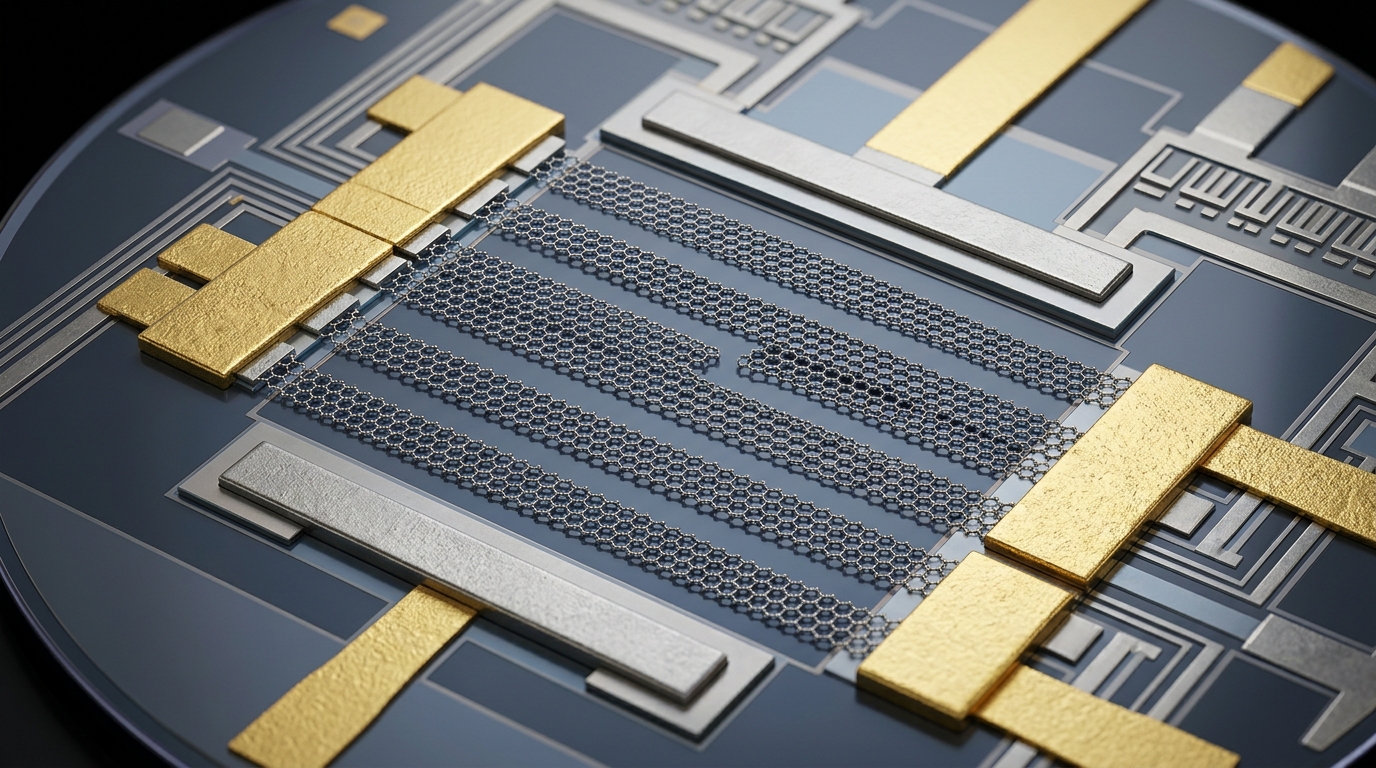
Commercial graphene detailing coatings are not pure, continuous single-layer graphene sheets. True pristine graphene is an allotrope of carbon arranged in a two-dimensional hexagonal lattice that cannot exist as an ambient, air-curing liquid protectant.
Instead, products like Ethos Graphene use functionalized Reduced Graphene Oxide (rGO) or graphene nanoplatelets (GNPs). These microscopic carbon platelets are suspended in low concentrations (typically ranging from less than 1% up to 5% by active weight) within an advanced polysilazane, siloxane, or silicate ceramic resin matrix.
Marketing Claims vs. Measurable Detailing Benefits
Promotional statements claiming a liquid automotive coating provides "bulletproof protection" or makes paint "200 times stronger than steel" misapply the theoretical tensile strength of pure 2D monolayer graphene to an automotive polymer film. A liquid coating applied at a thickness of 1 to 2 microns will not prevent heavy rock chips or structural body damage.
However, the inclusion of functionalized rGO provides measurable formulation advantages:
- Structural Elasticity: Microscopic carbon platelets act like structural reinforcement inside the cured silazane resin, reducing the rigidity of pure SiO2 and lowering the risk of microscopic stress cracking.
- Reduced Static Dissipation: The conductive nature of carbon helps dissipate static charges on the clear coat, resulting in less dry atmospheric dust clinging to the vehicle after driving.
- Enhanced Visual Cues: The distinct rainbow flash phase simplifies application for DIY users compared to clear ceramic coatings that can be difficult to track on lighter paint colors.
The core chemical protection, high gloss, UV filtering, and longevity of Ethos products are fundamentally driven by the premium silazane and silicate carrier resins, while the rGO additive tunes the matrix to improve flexibility, heat tolerance, and overall user experience.
Routine Maintenance for Long-Term Durability
To ensure an Ethos graphene coating achieves its maximum service life, follow a consistent maintenance regimen:
- Two-Bucket Wash Method: Wash the vehicle every 2 to 4 weeks using a dedicated wash mitt, grit guards, and a pH-neutral solution such as Ethos Graphene Shampoo. Avoid automated brush washes that induce swirl marks.
- Periodic Decontamination: Every 6 to 12 months, apply a mild chemical iron remover during the wash process to clean out metallic brake dust lodged inside the coating’s microscopic pores.
- Top-Up Protection: Apply Ethos Resist or Graphene Spray Coating every 3 to 6 months as a drying aid or post-wash detailer to replenish sacrificial slickness and preserve high water contact angles.