Adams Graphene
In the automotive detailing industry, graphene-infused protectants have rapidly transitioned from an experimental concept into a mainstream category. Among the most recognized names in this space is Adam’s Polishes, which re-engineered traditional quartz and ceramic formulations to incorporate functionalized carbon nanomaterials. Understanding what adams graphene products deliver requires looking past marketing buzzwords to evaluate their chemical architecture, real-world performance benefits, application mechanics, and longevity.
The Adam’s Polishes Graphene Lineup Overview
Adam’s Polishes integrates graphene technology across multiple product tiers, ranging from entry-level maintenance chemicals to professional-grade surface coatings. Each formulation is engineered for specific maintenance cadences and user skill levels:
- Graphene Ceramic Coating (Standard 60 mL): The flagship bottled liquid coating designed for dedicated enthusiasts and professional detailers. Formulated with a 10H pencil hardness rating, it offers an advertised lifespan of up to 7+ years on properly prepared clear coats.
- Graphene Ceramic Coating Advanced (60 mL): A higher-solids formulation featuring an increased concentration of active silicate resins and graphene flakes. Engineered for maximum chemical resistance, stain prevention, and up to 9+ years of protection.
- Graphene Ceramic Spray Coating & Spray Coating Advanced (12 oz): Aerosolized trigger-spray coatings that bridge the gap between traditional spray sealants and concentrated liquid coatings. They deliver genuine ceramic-graphene crosslinking with an easier installation profile, rated between 1 year (Standard) and 1.5+ years (Advanced).
- Graphene Detail Spray (16 oz): A water-based maintenance topper, drying aid, and clay lubricant infused with reduced graphene oxide (rGO) and ceramic resins. It provides 1 to 3 months of standalone hydrophobic protection and serves as a booster for existing coatings.
- Graphene Shampoo (16 oz / 1 Gallon): A high-foaming, pH 8–9 car wash shampoo combining citrus-based cleaning agents with graphene-ceramic resins. It is specifically formulated to de-clog and revitalize coated surfaces without stripping underlying protective layers.
Chemical Architecture: Integrating Graphene with Ceramic Resins
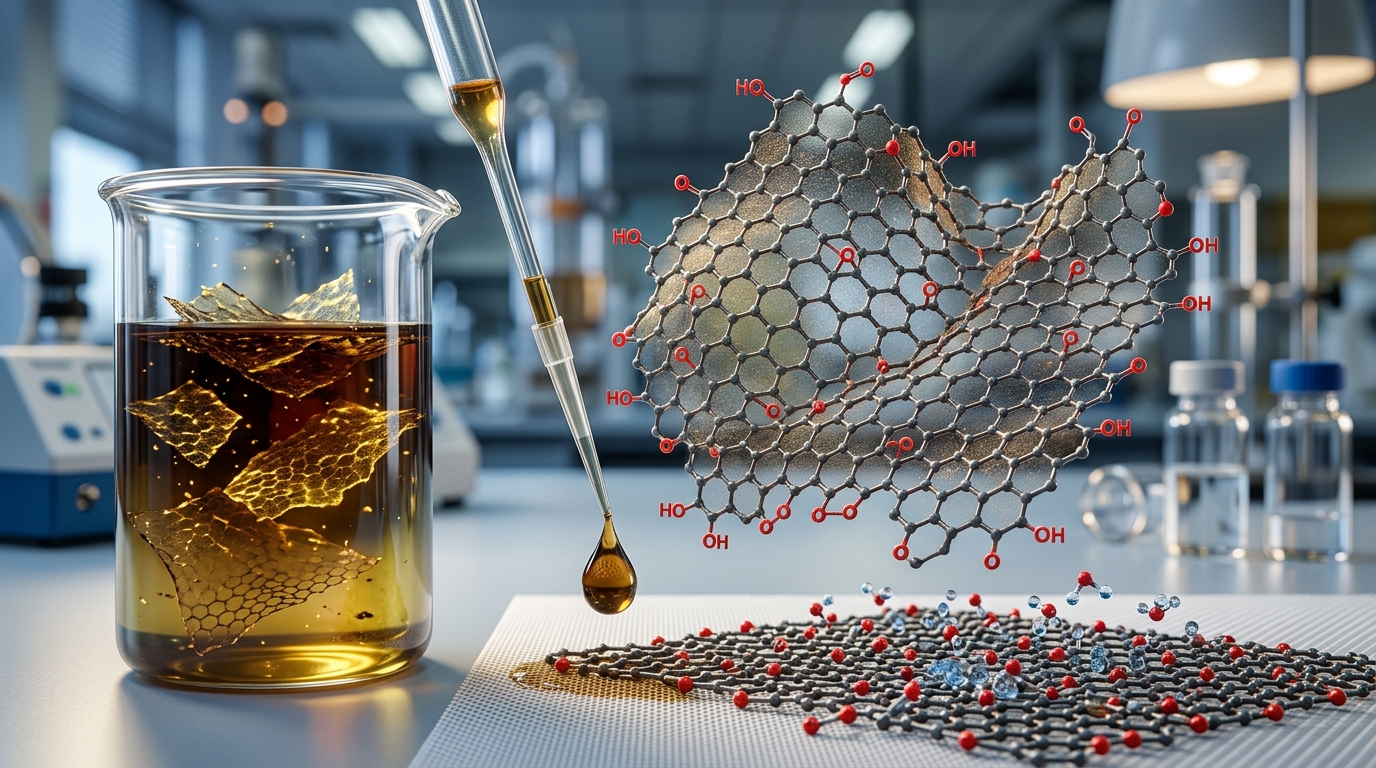
To understand the performance of adams graphene coatings, one must examine the underlying chemistry. Pure, pristine monolayer graphene is an insoluble, two-dimensional sheet of carbon atoms organized in a hexagonal lattice. On its own, raw graphene cannot bond to automotive polyurethane clear coat or dissolve stably in liquid detailing carriers.
To overcome this, Adam’s utilizes graphene oxide (GO) and reduced graphene oxide (rGO) nanosheets. These sheets are chemically functionalized with reactive oxygen-bearing groups (such as carboxyl, hydroxyl, and epoxide groups). This functionalization allows the carbon nanomaterials to form a stable dispersion inside a liquid carrier resin composed of polysilazanes and polydimethylsiloxanes (SiO2).
When applied to a vehicle’s clear coat, the SiO2 ceramic resin acts as the bonding matrix, penetrating microscopic pores and crosslinking via ambient moisture. As the ceramic backbone cures, the suspended graphene nanosheets orient themselves throughout the protective layer. This alters the surface morphology of the cured film, producing a tough, flexible matrix that combines the hardness of quartz with the low surface energy and lubricity of functionalized carbon.
Claimed vs. Observed Practical Benefits
Graphene-infused automotive products are frequently marketed with dramatic claims regarding heat dissipation, scratch resistance, and hydrophobic performance. Evaluating these claims against controlled real-world testing reveals clear distinctions between demonstrated mechanical improvements and exaggerated marketing narratives.
| Performance Attribute | Manufacturer Claim | Observed Detailing Reality |
|---|---|---|
| Hydrophobicity & Sheeting | Contact angles exceeding 110°–118° with low roll-off/sliding angles. | Confirmed: Highly energetic water beading with rapid water evacuation at lower vehicle speeds compared to older SiO2 sealants. |
| Water Spot Reduction | Drastically reduced mineral etching and standing water spots. | Partially Verified: Lower sliding angles shed standing water faster, reducing deposits. However, hard water evaporating on stationary, hot panels will still leave mineral rings. |
| Scratch & Mar Resistance | 10H pencil hardness; complete resistance to swirls and scratches. | Moderate: Provides measurable resistance against light wash-induced micro-marring, but does not prevent deep scratches, stone chips, or aggressive physical abrasions. |
| Heat Dissipation | Significantly lowers panel surface temperatures to prevent bug and bird dropping etching. | Disputed: Thermal imaging shows no meaningful drop in metal panel temperatures under direct sunlight due to the sub-micron thickness of the cured film. |
| Slickness & Tactile Feel | Superior slickness and visual depth over traditional quartz coatings. | Confirmed: Significantly higher tactile lubricity right out of the bottle than tacky, pure SiO2 coatings, along with excellent gloss enhancement. |
UV Ceramic Glow Tracer™ Technology
One of the distinctive innovations within the adams graphene bottled and spray coatings is the integration of Ceramic Glow Technology. A patent-pending optical brightener is blended directly into the liquid coating solution without interfering with the curing matrix.
When exposed to a 395 nm ultraviolet (UV) blacklight flashlight during the application process, the applied wet or semi-cured coating fluoresces with a distinct bluish-purple glow. This provides several practical advantages for both novice installers and professional detailers:
- Verifying Full Coverage: Highlights missed areas on complex body contours, side mirrors, and intricate trim panels.
- High Spot Detection: Identifies un-leveled pools of excess coating before they harden, which is crucial for preventing permanent optical hazing.
- Applicator Inspection: Confirms even saturation on microfiber applicator pads to avoid dry buffing.
Step-by-Step Preparation and Application Protocol
Applying an adams graphene bottled coating requires systematic preparation. Ceramic and graphene resins form semi-permanent chemical bonds with the substrate, meaning any underlying swirl marks, water etchings, or contamination will be locked beneath the glass layer if not addressed beforehand.
Phase 1: Decontamination and Correction
- Deep Wash: Wash the vehicle thoroughly using a dedicated strip wash or high-pH pre-cleaner to strip old waxes and silicones.
- Chemical Decontamination: Spray an iron fallout remover across painted surfaces and wheels to dissolve embedded metallic brake dust.
- Mechanical Decontamination: Use a clay bar or synthetic clay mitt alongside an approved lubricant to remove bonded industrial fallout, tree sap, and road tar.
- Paint Correction: Compound and polish the vehicle with a dual-action polisher to eliminate swirl marks, scratches, and oxidation.
- Solvent Surface Prep: Wipe down every panel using Adam’s Surface Prep or a 20–30% Isopropyl Alcohol (IPA) solution to remove lingering polishing oils, leaving a completely bare surface.
Phase 2: Coating Application and Leveling
- Applicator Setup: Place a suede microfiber cloth over a foam applicator block. Apply 6 to 10 drops of liquid coating down the center of the applicator.
- Panel Application: Work in manageable sections (typically 2×2 or 3×3 feet). Apply the product in a cross-hatch pattern (horizontal lines followed immediately by vertical overlapping passes) with 30–50% overlap to ensure uniform coverage.
- Observe the Flash Window: Allow the product to dwell for roughly 1 to 3 minutes depending on ambient temperature and relative humidity. Watch for the coating to "sweat" and transition into an oily, rainbow-like iridescence.
- Initial Leveling: Using a clean, low-pile microfiber towel, gently wipe the surface in straight lines using light pressure to knock down the excess coating.
- Final Buff: Immediately follow with a second, plush, clean microfiber towel to buff the panel to a crystal-clear, streak-free finish. Use a 395 nm UV light to inspect for residual high spots around edges and seams.
Phase 3: Curing Requirements
- Initial Exposure: Keep the vehicle completely dry and indoors away from rain, dew, and moisture for a minimum of 24 hours (4 hours for the Graphene Spray Coating).
- Full Chemical Cure: Avoid washing the vehicle with detergents, degreasers, or car soaps for 5 to 7 days while the polysilazane crosslinking process fully finalizes.
Durability Ratings: Manufacturer Claims vs. Real-World Lifespan
Longevity ratings for protective coatings are established under idealized testing parameters. In daily driving conditions, exposure to road salt, UV radiation, environmental pollutants, and mechanical washing methods will affect how long the coating retains its protective qualities.
| Product Tier | Claimed Durability | Real-World Daily Driver Longevity | Recommended Maintenance Strategy |
|---|---|---|---|
| Graphene Detail Spray | 1–3 Months | 4–8 Weeks | Reapply as a drying aid every 2 to 3 washes. |
| Graphene Spray Coating | 1+ Year | 6–12 Months | Apply every 6 months or use as a seasonal winter protectant. |
| Graphene Ceramic Coating | 7+ Years | 3–5 Years | Wash bi-weekly with Graphene Shampoo; periodic chemical decontamination. |
| Graphene Ceramic Advanced | 9+ Years | 4–6 Years | Decontaminate semi-annually; strictly adhere to contact wash best practices. |
Adam’s Graphene vs. Traditional SiO2 Ceramic Coatings
While graphene-infused coatings rely on the same fundamental silica backbone as traditional ceramic coatings, the presence of reduced graphene oxide introduces several distinct practical differences:
1. Water Evacuation Dynamics
Traditional SiO2 coatings exhibit high contact angles but often suffer from relatively high sliding angles. This means water beads remain stationary on horizontal surfaces until the vehicle reaches higher speeds, leading to dried mineral deposits under hot sunlight. Adam’s Graphene formulations promote a lower sliding angle, allowing water droplets to roll off flat panels at lower speeds, which noticeably reduces the formation of standing water rings.
2. Tactile Slickness Out of the Box
Pure quartz (SiO2) coatings often cure with a hard, slightly tacky finish. Because of this surface tension, detailers typically apply a sacrificial siloxane topcoat to give the paint a smooth feel. Graphene nanosheets lower surface friction, providing significant slickness and tactile lubricity directly from the primary coating layer without immediately requiring an extra topper.
3. Installation Visibility and Working Windows
Standard quartz coatings rely purely on ambient light angles to spot un-leveled residue (high spots). The integration of the UV Glow Tracer in adams graphene products simplifies installation by making missed sections visible under blacklight. However, graphene-infused resins tend to flash slightly faster in humid conditions than slower-curing quartz formulations, requiring installers to work in tighter sections during warmer summer months.
Troubleshooting and Maintenance Guidelines
To keep graphene coatings performing at their peak, follow these troubleshooting and maintenance practices:
- Correcting High Spots: If a high spot is caught within 20 to 30 minutes of application, apply a fresh drop of coating directly onto the high spot to re-activate the solvent, then immediately level and buff with clean towels. If the coating has fully cured past 24 hours, the high spot must be lightly machine polished down to bare clear coat and reapplied.
- Revitalizing Clogged Coatings: If hydrophobic beading degrades over time, the coating is likely clogged with road film and microscopic fallout. Wash the vehicle with Graphene Shampoo and treat the paint with a dedicated iron fallout remover to clear the pores of the coating.
- Drying Aids & Boosters: After routine maintenance washes, apply Graphene Detail Spray while drying the vehicle. This acts as a lubricant to prevent drying-induced swirls while depositing a fresh layer of sacrificial rGO-infused resins over the base coating.