
Graphene X
Advanced materials science has increasingly moved from laboratory research into commercial performance outerwear. Leading this transition in technical textiles is Graphene-X, an apparel brand that integrates two-dimensional carbon structures into everyday carry (EDC), activewear, and high-performance weather shells. While standard outdoor apparel relies primarily on conventional nylon, polyester, and polytetrafluoroethylene (PTFE) membranes, Graphene-X incorporates graphene nanoplatelets directly into polymer matrices and waterproof barrier layers.
This review examines the background of the Graphene-X brand, dissects how graphene functions within its textiles, reviews the flagship product portfolio, compares its performance against industry standards such as Gore-Tex, and provides a balanced evaluation of realistic material performance versus marketing claims.
Brand Origins and Design Philosophy
Founded in 2019 by Jorge Barros, Graphene-X was established to bridge the gap between commercial outdoor wear and cutting-edge materials science. The company launched with an explicit objective: to counter the disposable cycle of fast fashion by engineering durable, multi-climate technical apparel capable of replacing multiple single-use garments.
The company’s design philosophy, summarized under the ethos “Engineered for life,” centers on high strength-to-weight ratios, versatile aesthetics, and modularity. Rather than producing specialized garments strictly for alpine climbing or urban commuting, Graphene-X develops apparel intended to function seamlessly across both environments. By utilizing graphene alongside complementary insulating technologies like aerogel, the brand aims to extend garment longevity, enhance thermal adaptability, and minimize consumer churn.
How Graphene Is Integrated into Graphene-X Textiles
Integrating nanomaterials into consumer textiles requires precise manufacturing methods to ensure the structural properties of graphene are preserved without compromising fabric flexibility, breathability, or hand-feel. Graphene-X utilizes two primary engineering methodologies to incorporate graphene into its product range.
1. Membrane Coating and Direct Printing
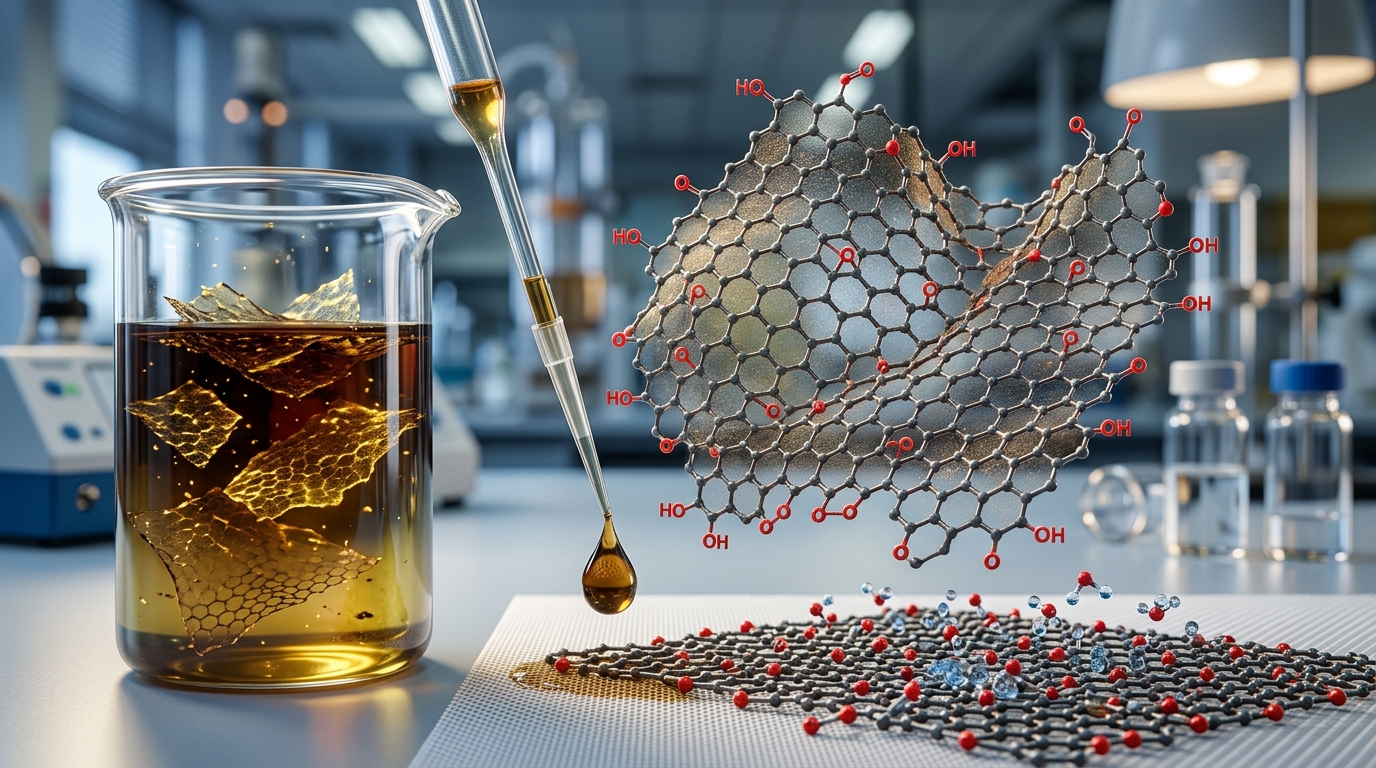
For waterproof shells and weather-resistant mid-layers, graphene nanoplatelets are suspended in liquid formulations and printed or laminated directly onto microporous polyurethane (PU) membranes. In standard three-layer (3L) textile constructions, the PU membrane sits sandwiched between a protective face fabric and an inner backing layer. Adding graphene to this membrane improves the mechanical stability of the barrier layer and introduces conductive pathways that distribute thermal energy evenly across the surface of the jacket without clogging the microscopic pores required for moisture vapor transmission.
2. Polymer Compounding and Yarn Extrusion
In next-to-skin garments, activewear, and heavy-duty face fabrics, graphene is incorporated before the spinning process. Graphene nanoplatelets are compounded directly into molten polymer batches—such as nylon 6,6 or recycled polyester chips—prior to mechanical extrusion into multi-filament yarns. The resulting fibers retain a continuous distribution of graphene throughout the core and sheath of the yarn, ensuring functional properties remain permanent through washing and friction.
Functional Textile Properties
The inclusion of graphene yields several distinct mechanical and thermal properties across the textile matrix:
- Thermal Conductivity and Far-Infrared Radiation (FIR): Graphene exhibits exceptionally high intrinsic thermal conductivity. In apparel, this allows the fabric to absorb localized heat from warm areas of the torso and passively transfer it toward cooler exterior zones, equalizing garment temperature. Furthermore, the material absorbs and reflects natural body heat in the far-infrared spectrum back toward the skin.
- Abrasion and Tensile Toughness: Nanoplatelets embedded in the synthetic polymers increase yarn shear resistance, reducing wear from pack straps, rough surfaces, and repeated mechanical stress.
- Inherent Antimicrobial and Odor Resistance: The nanoscale edges of graphene structures mechanically disrupt the cell membranes of bacteria responsible for sweat odor, providing an antimicrobial barrier that does not rely on transient chemical washes or heavy metal biocides like silver ions.
Flagship Product Lines
The Graphene-X catalog spans weather shells, insulation mid-layers, technical bottoms, and modular everyday carry accessories. Below is an overview of the core product categories.
Outerwear and Technical Shells
- Alpha Series (e.g., Alpha Series II 3L Jacket): Retail priced around $399, this is the brand’s flagship three-layer storm shell. It pairs a graphene-integrated nylon face fabric with an internal microporous PU membrane and a graphene-printed backing layer. It is built for severe wet-weather protection, featuring fully taped seams, waterproof hardware, and compatibility with modular mid-layers.
- Nomad(e) Ultralight Waterproof Jacket: Positioned in the everyday carry line at roughly $299 and weighing approximately 260 grams, the Nomad(e) is a packable windbreaker and rain shell hybrid. It integrates a graphene-printed membrane with laser-cut underarm ventilation, balancing packability with weather resistance.
Insulation and Mid-Layers
- GRAnaREC Series (Air, Apex, II): Ranging from $99 to $189, this collection uses recycled polyester fibers compounded with graphene. These garments are designed to serve as moisture-wicking mid-layers, offering low bulk, high thermal efficiency, and natural resistance to odor accumulation during prolonged activity.
- AeroGraph Puffer Jacket: Priced near $399, this technical outerwear piece blends a graphene grid interior lining with aerogel-infused synthetic insulation (Weather Adaptive Insulation, or W.A.I.™), delivering substantial heat retention without the bulk or moisture vulnerabilities of standard down fill.
Pants and Bottoms
- Everything Proof / All-Rounder Pants: Ranging from $129 to $199, these technical trousers utilize high-tensile graphene-infused nylon blends to resist tears, wind, and light precipitation while maintaining four-way mechanical stretch for mobility.
- AeroGraph Denim Jeans: Retail priced around $199, these pants blend traditional cotton denim with graphene fibers to accelerate drying times, improve tear resistance, and moderate body temperature across shifting weather conditions.
Everyday Carry (EDC) and Base Layers
- Limitless Backpack (25L) and Modular Bags: Priced between $149 and $299, these packs employ graphene-reinforced composite fabrics to maximize tear resistance, abrasion tolerance, and weather sealing across transit and outdoor environments.
- Layer-X Activewear and All-Rounder Tops: Priced between $45 and $99, this line includes athletic tees, polos, and technical socks engineered for close-to-skin moisture transport, quick drying, and antimicrobial odor control.
Technical Performance: Graphene-X vs. Conventional High-End Fabrics
To assess how Graphene-X compares with conventional mountaineering and outdoor textiles—such as standard Gore-Tex, eVent, and traditional durable water repellent (DWR) softshells—it is necessary to evaluate standard performance metrics.
| Performance Metric | Graphene-X Technical Shells | Standard Gore-Tex / eVent Shells |
|---|---|---|
| Hydrostatic Head (Waterproofness) | 10,000 to 20,000+ mm HH | 20,000 to 28,000 mm HH |
| Breathability (MVTR) | High breathability assisted by laser-cut venting and pit zips | High to very high breathability (membrane-dependent) |
| Thermal Equalization | Superior: High passive thermal conductivity redistributes hot spots | Standard: Dependent solely on air permeability and insulation layers |
| Abrasion Resistance | Enhanced: High yarn-level shear resistance from graphene integration | Standard to High: Dependent on face-fabric denier (e.g., 40D–80D nylon) |
| Odor Control Longevity | Permanent: Non-leaching physical mechanism embedded in fiber matrix | Variable: Often relies on chemical/silver finishes that degrade with washing |
| Surface Water Shedding | Requires technical DWR coating and periodic reactivation | Requires technical DWR coating and periodic reactivation |
Real-World Functional Assessment
In wet-weather testing, Graphene-X waterproof shells perform reliably against heavy precipitation, keeping the wearer dry across extended rain and alpine storms. The 10,000 to 20,000+ mm Hydrostatic Head (HH) ratings place these jackets well within the required range for severe mountain conditions, matching mid-to-heavyweight commercial hardshells.
Breathability follows the same fundamental physical principles governing all membrane-based outerwear: moisture vapor relies on a vapor pressure gradient (the differential between heat and humidity inside the jacket versus outside). While the graphene-enhanced PU membrane allows efficient moisture release, breathability naturally slows down in tropical, high-humidity environments. Graphene-X compensates for this mechanical boundary by incorporating physical ventilation channels, such as underarm pit zips and precision laser-cut perforations.
The most noticeable functional advantage over traditional membranes is passive thermal equalization. In cold conditions with high exertion, the inner graphene lining conducts heat away from the back and core toward the periphery of the garment, reducing localized sweat buildup and preventing rapid post-exertion chill.
Pricing, Availability, and Warranty Framework
Graphene-X positions itself within the technical luxury and premium outdoor market segment, competing directly with established brands such as Arc’teryx, Patagonia, and Mission Workshop.
- Crowdfunding Heritage: Major product developments and new textile iterations often debut through crowdfunding campaigns on platforms such as Kickstarter and Indiegogo. This allows the brand to validate commercial demand, scale initial yarn runs, and offer early backers discounted tiers (typically 20% to 40% below retail).
- Direct-to-Consumer (DTC) Store: Following production runs, products transition to the official direct-to-consumer store (
), which provides worldwide fulfillment and standard retail inventory. - Pricing Scale: Garments range from $45 for technical base-layer accessories and socks to $399 for flagship 3L shells and aerogel-insulated puffers.
- Lifetime Guarantee and Repair Policy: Graphene-X backs its apparel with a structural lifetime guarantee covering manufacturing faults, failed membrane lamination, seam tape failures, and broken hardware. To lower the carbon emissions associated with shipping garments globally for minor repairs, the company also operates a local repair credit program, reimbursing customers for basic repairs (such as loose seams or lost buttons) completed by local tailors.
Realistic Material Benefits vs. Marketing Claims
Because graphene has frequently been sensationalized in consumer marketing as an indestructible “miracle material,” it is essential to separate demonstrated physical properties from hyperbolic crowdfunding claims.
What Graphene Integration Does Achieve
- Higher Strength-to-Weight Ratios: Graphene improves the tensile toughness and friction tolerance of fine-denier synthetic yarns, allowing lighter fabrics to endure higher abrasion without immediate fuzzing or fiber degradation.
- Measurable Heat Distribution: Graphene’s thermal conductivity actively dissipates hot spots across the garment surface and provides minor far-infrared energy reflection.
- Non-Chemical Antibacterial Action: Because odor control is achieved through physical nanoscale surface interactions rather than biocidal coatings, the anti-odor performance does not diminish after repeated laundering cycles.
What Graphene Integration Does Not Achieve
- Indestructibility: Graphene-infused fabrics are not puncture-proof, snag-proof, or impervious to sharp rocks, knives, or outdoor hazards. They remain flexible, woven or knitted textile garments bound by the physical limits of nylon, polyester, and elastane.
- Active Heating: Graphene does not produce heat independently. It functions strictly as a passive conductor. Thermal warmth remains dependent on thermal loft insulation, such as aerogel composite batts or down fill.
- Elimination of DWR Maintenance: The exterior face fabric still relies on durable water repellent (DWR) surface treatments to prevent face-fabric saturation. Like all high-end shells, Graphene-X jackets require periodic cleaning with specialized technical detergents and gentle heat reactivation to maintain surface water beading.
Final Verdict
Graphene-X represents a legitimate, well-engineered implementation of nanomaterial science in the consumer apparel sector. Rather than relying on superficial marketing gimmicks, the brand uses graphene nanoplatelets to solve real-world technical textile challenges: improving abrasion resistance in lightweight fabrics, eliminating odor without chemical additives, and enhancing thermal regulation across variable microclimates.
For outdoor enthusiasts, frequent travelers, and technical apparel users seeking durable, multi-functional garments that perform reliably across changing weather conditions, Graphene-X delivers premium performance that sits on par with top-tier conventional mountaineering shells while providing unique thermal and durability benefits.