Graphene Heated Jacket
A graphene heated jacket is an advanced outerwear garment that integrates ultra-thin, electrically conductive carbon layers to deliver on-demand thermal warmth. Powered by compact, rechargeable battery packs, these active-heating garments provide targeted, adjustable heat across core body zones without the heavy bulk or restrictive wiring found in older generations of heated apparel. Whether you are commuting in freezing weather, working outdoors, or engaging in winter sports, understanding how graphene technology functions and evaluating critical specifications like battery capacity, voltage compatibility, and fabric construction will help you choose the right model for your cold-weather needs.
How Graphene Heating Technology Works
At the core of a graphene heated jacket is the principle of resistive (Joule) heating. When a low-voltage direct current (DC) flows from a portable battery pack through the graphene element, the material’s intrinsic electrical resistance converts that electrical energy directly into thermal energy.
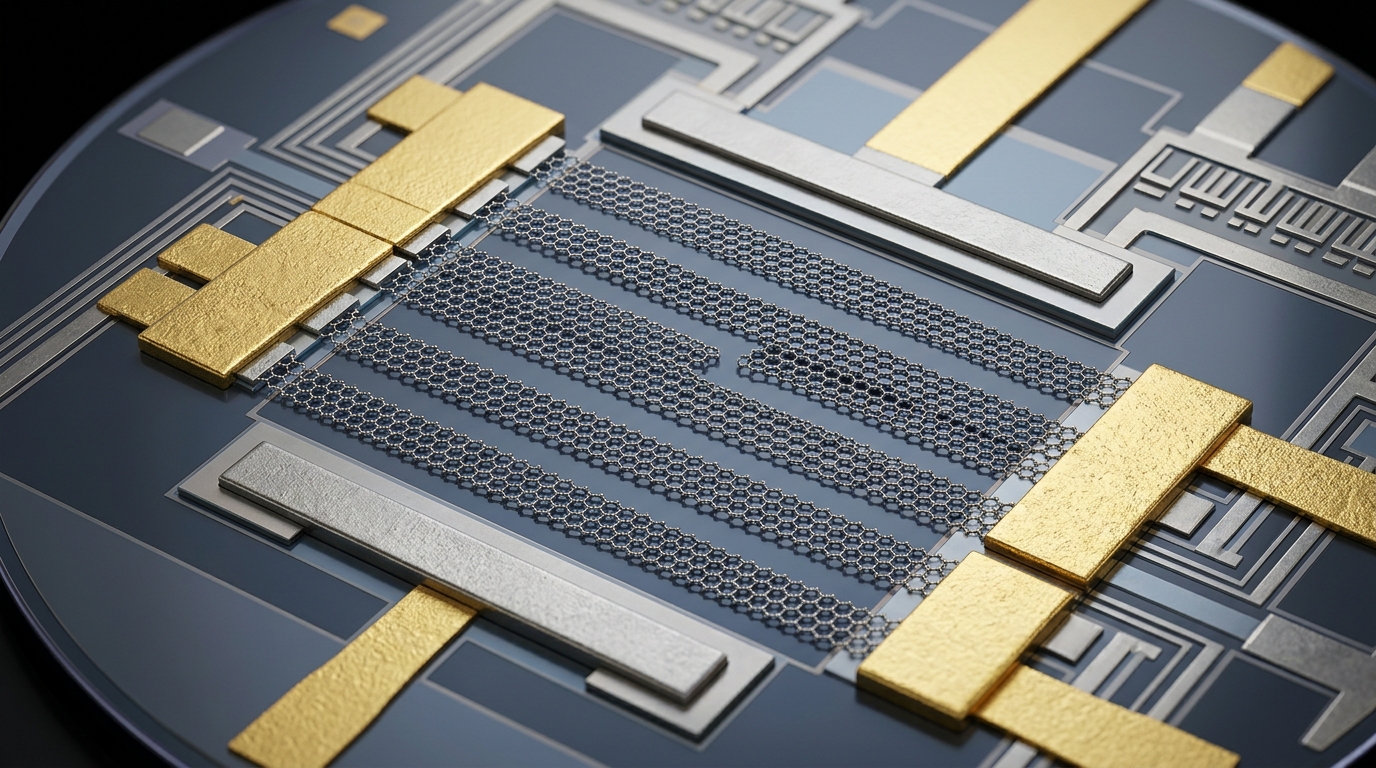
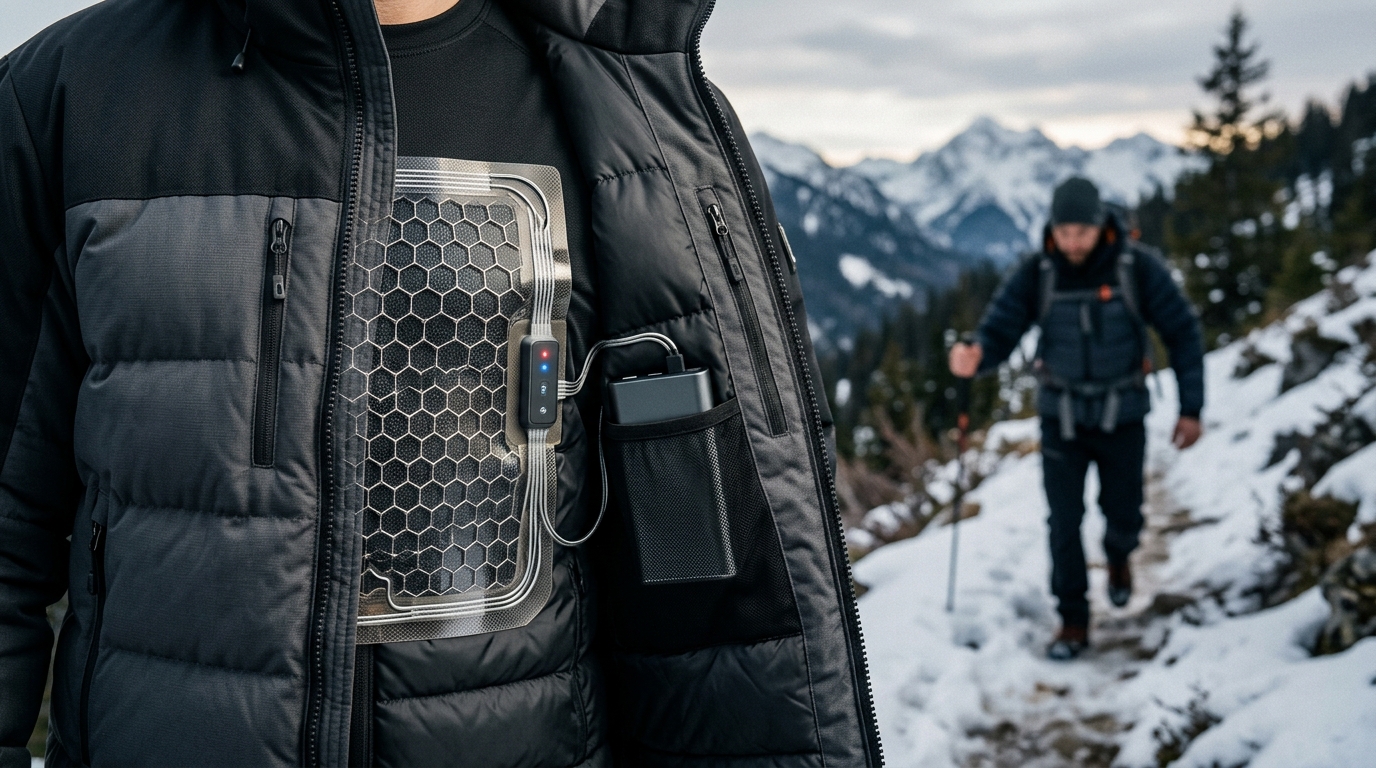
Graphene consists of a single-atom-thick layer of carbon atoms arranged in a two-dimensional hexagonal lattice. For commercial apparel integration, manufacturers typically apply graphene as flexible polymer composite films, printed conductive ink tracks, or coated microfibers woven into the jacket’s inner lining. This structural profile provides several functional advantages:
- Planar Heat Diffusion: Because graphene exhibits exceptionally high thermal conductivity, heat spreads uniformly across the entire surface of the heating pad rather than staying concentrated along narrow paths. This creates broad, even warmth across the body.
- Far-Infrared (FIR) Emission: Graphene heating modules naturally emit thermal radiation primarily within the 6 to 14 micrometer (μm) wavelength range. This far-infrared bandwidth aligns with the natural absorption spectrum of human skin and muscle tissue, delivering deep, radiant thermal penetration rather than superficial surface heat.
- Instant Heat Transfer: Graphene’s high electron mobility enables near-instantaneous thermal output, reaching operating temperatures in as little as 10 to 30 seconds after activation.
Comparing Heating Elements: Graphene vs. Carbon Fiber vs. Metal Wires
Heated apparel has evolved across three major technological generations: traditional metallic wire elements, carbon fiber bundles, and two-dimensional graphene sheets. Understanding these differences clarifies why graphene is increasingly favored in high-performance garments.
| Feature | Graphene Heating Elements | Carbon Fiber Elements | Traditional Metallic Wires |
|---|---|---|---|
| Profile & Bulk | Ultra-thin, continuous 2D film; virtually unnoticeable against the body. | Thin microfilament bundles; flexible but slightly bulkier than films. | Thicker insulated alloy coils; noticeable stiffness and rigidity. |
| Heat Distribution | Uniform surface plane; zero hotspotting or dead zones. | Relatively even, though heat tracks along individual thread paths. | Localized heat directly along wire pathways; prone to uneven heating. |
| Heat-Up Time | Instantaneous (10 to 30 seconds). | Fast (30 to 90 seconds). | Moderate (1 to 3 minutes). |
| Flex Durability | Exceptionally high; withstands tens of thousands of flex and fold cycles. | Good; sharp, repetitive creasing can fracture carbon micro-strands over time. | Low to moderate; prone to metal fatigue, snapping, and circuit breaks. |
| Energy Efficiency | High electrical-to-thermal conversion; optimizes battery runtime. | Moderate to high efficiency. | Lower efficiency; higher energy draw for comparable warmth. |
| Manufacturing Cost | Premium tier. | Moderate / mainstream standard. | Budget tier. |
While traditional alloy wires are prone to mechanical fatigue when repeatedly folded or compressed during physical activity, graphene films flex naturally with the movement of the garment. This structural resilience minimizes the risk of circuit failure, extending the garment’s operational lifespan.
Key Buyer Considerations
Choosing the best graphene heated jacket requires balancing heating architecture with everyday functional utility. Evaluate the following specifications when comparing models:
1. Heating Zones and Placement
Active heating is most effective when concentrated around core vascular areas that regulate internal body temperature. Most quality garments feature between 3 and 6+ heating zones placed strategically throughout the chassis:
- Upper Back & Shoulders: Relaxes tense upper-body muscles and stabilizes core torso temperature.
- Lower Back & Lumbar: Warms the kidneys and lower spine, supporting core circulation.
- Left & Right Chest Panels: Directs radiant warmth to vital organs.
- Abdomen & Hand Pockets: Provides targeted heating for hands and the lower abdomen.
- Collar / Neck: Protects the sensitive carotid area from ambient drafts and windchill.
2. Battery Capacity and Runtime
Heated jackets rely on external lithium-ion power packs, generally ranging in capacity from 5,000 mAh to 18,400 mAh. Runtime varies according to the chosen temperature setting, ambient air temperature, and battery capacity. Typical performance tiers include:
- Low / Eco Mode (38°C–42°C / 100°F–108°F): Approximately 7 to 10 hours of continuous, subtle warmth for prolonged outdoor exposure or mild chill.
- Medium Mode (45°C–50°C / 113°F–122°F): Approximately 5 to 6 hours for active winter sports, hiking, and daily commuting.
- High Mode (55°C–65°C / 131°F–149°F): Approximately 2 to 4 hours of maximum thermal output designed for stationary exposure in sub-zero environments.
3. Voltage Architecture and Power Bank Compatibility
Power delivery systems generally fall into two categories:
- 5V Universal USB Systems: Standard USB-A or USB-C interfaces allow you to power the jacket using generic, off-the-shelf power banks. While convenient and easy to replace, 5V systems deliver lower peak wattage, which may limit maximum heat output in extreme sub-zero weather.
- 7.4V to 12V High-Output Systems: Proprietary DC or specialized USB-C Power Delivery (PD) configurations provide higher electrical current, allowing rapid heating and higher top-end temperatures. These often require brand-specific battery packs or high-wattage PD-compatible chargers.
4. Temperature Control Interfaces
Most garments use an integrated, weatherproof silicone push-button located on the chest or upper arm with color-coded LED indicators (typically Red for High, White/Blue for Medium, and Blue/Green for Low). Advanced models feature dual-switch controllers—allowing you to heat the back and chest zones independently—or Bluetooth connectivity for micro-adjusting temperature levels via a smartphone app.
Safety, Waterproofing, and Garment Durability
Modern graphene heated apparel is engineered to meet strict safety and weather-resistance standards:
- Electrical Safety: Operating on low-voltage DC power (5V to 12V), these jackets pose no risk of electrical shock. Certified designs incorporate Negative Temperature Coefficient (NTC) thermistors and integrated thermal cutoff microchips that automatically downregulate or shut off power if internal temperatures exceed safe thresholds.
- Weatherproofing: Outer shells typically combine a Durable Water Repellent (DWR) finish with a waterproof thermoplastic polyurethane (TPU) membrane, delivering waterproof ratings between 5,000 mm and 20,000 mm hydrostatic head. Weatherproof, sealed zippers prevent moisture ingress into the battery pocket and heating channels.
- Machine Washability: Unlike early heated jackets with fragile wiring, graphene elements are fully waterproof and sealed inside protective polymer coatings, making them safe for standard laundry cycles when proper precautions are observed.
Graphene Heated Jackets vs. Standard Insulated Jackets
Weighing the functional trade-offs between active graphene heating and passive insulation helps determine the best option for your routine:
Pros of Graphene Heated Jackets
- Dynamic Thermoregulation: Instantly adjust your warmth level as activity rates change, preventing overheating during physical exertion and chilling during stationary periods.
- Reduced Bulk and Layering: Achieve the thermal insulation of a heavy, multi-layer winter parka in a streamlined mid-layer or lightweight softshell profile.
- Deep Radiant Comfort: The 6–14 μm FIR emissions provide broad, penetrating heat that actively promotes peripheral blood flow in cold limbs.
Cons of Graphene Heated Jackets
- Battery Reliance: If the power bank runs out of charge, the garment retains heat only through its lightweight passive insulation layer.
- Added Weight: Carrying a dedicated 5,000 to 10,000+ mAh lithium-ion battery adds noticeable pocket weight.
- Higher Initial Cost: Graphene materials, embedded wiring, safety sensors, and included power supplies carry a price premium over standard down or synthetic outerwear.
- Specialized Care: Requires disciplined laundry practices and regular off-season battery recharging to maintain cell health.
Maintenance, Cleaning, and Storage Guidelines
Follow these manufacturer-backed care practices to protect the internal electrical circuits and ensure long-term heating performance:
Washing Instructions
- Disconnect and Remove Battery: Always unplug the power bank from the internal pocket. Secure the jacket’s internal power cable and fully zip the connector pocket shut.
- Use a Protective Laundry Bag: Place the garment inside a mesh laundry bag to prevent the internal wiring and zippers from snagging or stretching inside the machine drum.
- Wash Cold on Gentle Cycle: Machine wash using cold water (≤ 30°C / 86°F) and mild liquid detergent. Do not use bleach, fabric softeners, or harsh chemical stain removers.
- Line Dry Only: Never wring, twist, or tumble dry the garment. Hang the jacket flat in a well-ventilated indoor space or shaded outdoor area.
- Avoid Dry Cleaning and Ironing: Dry-cleaning solvents and hot irons can melt protective polymer seals and damage the internal graphene membranes.
- Verify Total Dryness: Ensure the entire garment, including the internal USB/DC connector port, is completely dry before reconnecting the battery pack.
Off-Season Storage and Battery Care
Store your jacket on a wide, padded hanger in a cool, dry closet away from direct sunlight. To maintain the health of your lithium-ion battery pack during the off-season, charge or discharge it to approximately 50% to 80% capacity before storage. Storing lithium batteries completely drained or fully charged at 100% can degrade battery life. Recharge the pack every 3 to 6 months to prevent deep-discharge cell failure and ensure your graphene heated jacket is ready for the next cold season.