Adam's Polishes Graphene Detail Spray
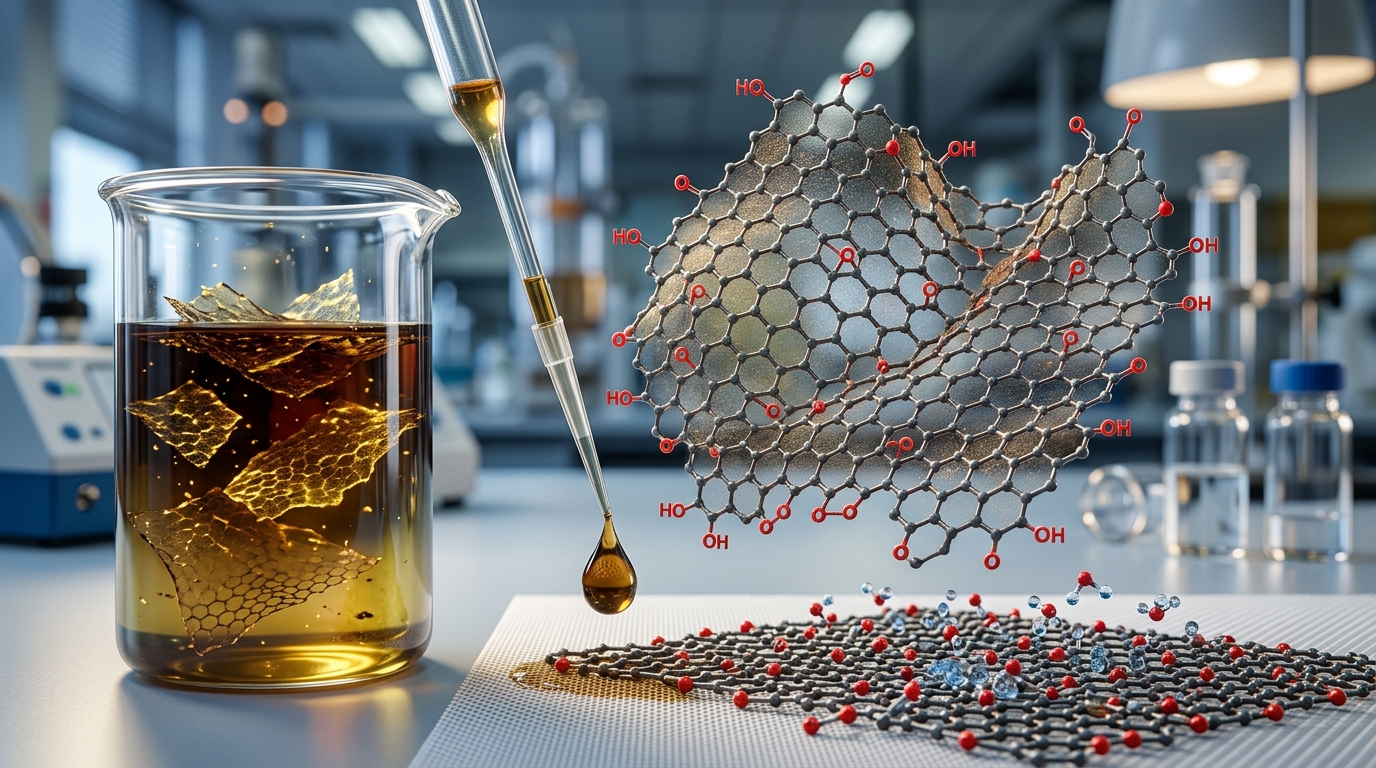
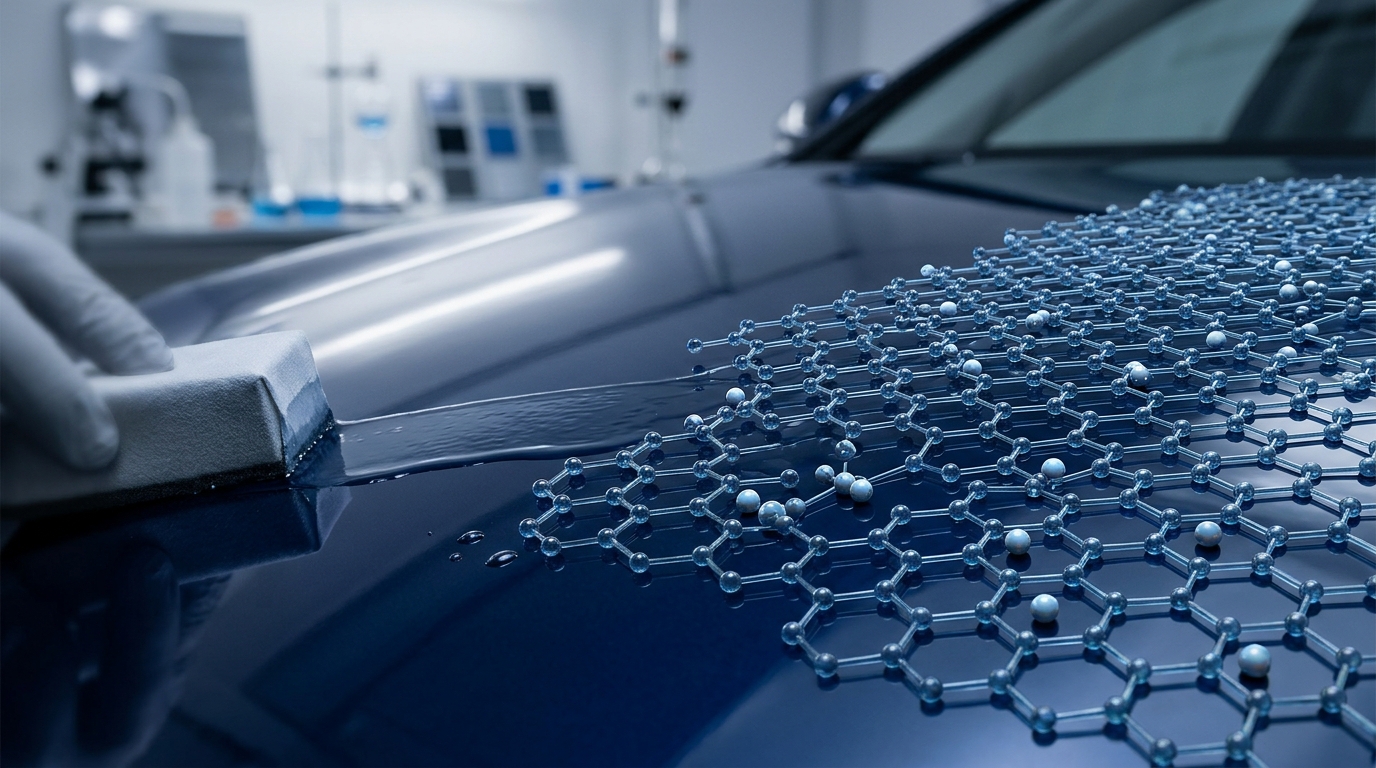
Adam’s Polishes Graphene Detail Spray is an advanced quick detailing solution formulated with water-based graphene oxide ceramic resins. Designed as an evolution of traditional quick detailers, it provides light cleaning, enhanced gloss, tactile slickness, and an added layer of hydrophobic protection. Whether used as a drying aid, a standalone topper, or a maintenance spray for existing ceramic coatings, it integrates nanotechnology into regular vehicle maintenance routines.
Product Overview and Manufacturer Specifications
Standard quick detailers have historically served as lubricants for removing dust, smudges, and fresh fingerprints while providing a temporary burst of shine. Adam’s Polishes Graphene Detail Spray expands on this concept by incorporating functionalized graphene oxide ceramic resins into a sprayable, water-based carrier.
According to manufacturer specifications, the key performance claims include:
- Instant Slickness and Depth: Noticeably smooths paint surfaces while enhancing optical depth, particularly on darker basecoats.
- Hydrophobic Surface Barrier: Generates self-cleaning, water-beading characteristics that actively repel surface water and contaminants.
- Coating Maintenance and Longevity: Works synergistically with underlying waxes, polymer sealants, and professional-grade graphene or ceramic coatings to restore water-shedding performance.
- Multi-Surface Safety: Formulated for use across vehicle exterior components, including clear coats, exterior glass, trim, wheels, and chrome.
- User-Friendly Chemistry: Engineered to flash quickly with minimal streaking, complemented by a signature Pink Passionfruit fragrance.
Note on Formula Suspension: Because graphene oxide nanoparticles are heavier than standard carrier liquids, visual separation in the bottle is normal. The product must be shaken thoroughly before each use to resuspend the active resins evenly throughout the solution.
Graphene Oxide Infusion vs. Traditional Quick Detailers
Understanding the difference between traditional quick detail sprays and graphene-infused formulations comes down to chemical durability, thermal properties, and surface tension modification.
| Feature | Traditional Quick Detailers | Graphene-Infused Detail Spray |
|---|---|---|
| Primary Function | Lubrication and light gloss enhancement | Lubrication, gloss, and ceramic-resin protection |
| Protective Durability | A few days to 1 week | 2 to 4 weeks (standalone) |
| Water Behavior | Mild sheeting or low-angle beading | Tight, high-contact-angle hydrophobic beading |
| Dust & Static Resistance | Standard; prone to static dust attraction | Anti-static properties help reduce dust buildup |
| Heat & Spotting Resistance | Minimal resistance to water spots | Resists water spotting via improved heat dissipation |
Traditional quick detailers rely predominantly on light emulsifiers, mild gloss agents, or low concentrations of carnauba/silicone fluids. While they excel at safely lifting light dust, their protective qualities dissipate quickly after rain or washing.
By contrast, Adam’s Polishes Graphene Detail Spray introduces ceramic-graphene co-polymers that cross-link directly to the surface. This creates a more resilient sacrificial layer with reduced electrical resistivity (anti-static properties) and lower surface tension, making it significantly more resistant to dust accumulation and mineral deposits.
Primary Detailing Use Cases
The versatility of graphene detail spray allows it to slot into several stages of routine automotive maintenance:
1. Ceramic and Graphene Coating Maintenance Booster
Over time, daily environmental exposure clogs the microscopic pores of ceramic and graphene coatings with road film, lowering their hydrophobic effect. Using this detail spray every 2 to 4 washes rejuvenates the coating’s original slickness and water-beading properties without altering the baseline chemistry.
2. Lubricating Drying Aid
Drying is one of the most common stages where wash-induced swirl marks occur. Misting this spray directly onto wet vehicle panels after a final rinse reduces towel friction, encapsulates trace minerals in hard tap water to prevent spotting, and accelerates the drying process.
3. Paint Decontamination Clay Lubricant
The high-lubricity formula creates a slick barrier needed for mechanical decontamination. When using clay bars, synthetic clay mitts, or clay pads, it enables the media to glide effortlessly over clear coat surfaces while dislodging embedded industrial fallout and rail dust.
4. Spot Cleaning and Touch-Ups
It safely lifts fresh fingerprints, pollen, light road dust, and water spots from clean paintwork. However, it is essential to distinguish between a quick detailer and a high-surfactant waterless wash: it is not formulated to clean heavily soiled or mud-covered vehicles. For vehicles with substantial road grime, a dedicated waterless or rinseless wash (such as Adam’s CS3) is recommended to prevent scratching.
Step-by-Step Application Instructions
Proper application technique ensures uniform bonding and prevents high spots or hazing.
Standard Detail & Topping Procedure
- Preparation: Wash the vehicle to ensure the surface is free of abrasive dirt. Shake the bottle vigorously to integrate settled graphene nanoparticles.
- Panel Application: Mist a light, uniform spray directly onto one section or body panel at a time (roughly 2 to 3 trigger pulls per panel). Alternatively, spray directly onto a plush microfiber towel to prevent overspray in windy environments.
- Spread and Level: Using a high-GSM, clean microfiber towel folded into fourths, spread the product across the panel using straight, overlapping passes.
- Final Buff: Flip the towel to a clean, dry side (or use a secondary dedicated buffing towel) and lightly buff the area. The product will flash rapidly, leaving a streak-free, glossy finish.
Post-Wash Drying Aid Procedure
- Complete the wash routine and perform a final rinse.
- While the vehicle is still wet, apply 1 to 2 sprays per panel across the paintwork, trim, and glass.
- Dry the vehicle systematically using a dedicated, high-absorbency microfiber drying towel.
Best Practices for Streak Avoidance
- Avoid Direct Heat: Never apply to panels that are hot to the touch or in direct, high-heat sunlight. Rapid evaporation can cause uneven resin curing.
- Use Measured Amounts: Over-application is the most frequent cause of smearing. A light mist provides sufficient coverage.
- Manage Towel Saturation: Once a towel becomes damp with product, switch to a fresh, dry microfiber to ensure clean leveling.
Performance Evaluation: Slickness, Gloss, and Longevity
Hydrophobic Water Behavior
The graphene oxide ceramic resins significantly alter surface tension. Water forms tight, spherical droplets with steep contact angles, promoting rapid water evacuation and surface sheeting when driving in wet weather.
Gloss Enhancement and Depth
On clear coat and single-stage finishes, the formulation darkens the baseline color slightly, creating noticeable visual depth. This warm darkening effect is particularly visible on black, dark grey, and deep metallic paints, as well as textured exterior plastic trim.
Expected Service Life
- Standalone Application: When applied to bare, pre-cleaned paint, expect active hydrophobic behavior and slickness for approximately 2 to 4 weeks, depending on climate, garaging conditions, and wash frequencies.
- As a Maintenance Topper: When used routinely on top of an established ceramic or graphene coating, it acts as a recurring sacrificial layer, extending the overall performance life of the base protection indefinitely.
Surface and Chemistry Compatibility
Adam’s Polishes Graphene Detail Spray is compatible across a wide spectrum of automotive substrates and existing paint protection systems:
- Clear Coats and Single-Stage Paints: Safe on all standard automotive finishes, providing enhanced UV and surface resistance.
- Glass and Chrome: Buffs clear on exterior windows, side mirrors, and polished exhaust tips without leaving oily streaks.
- Plastics and Rubber Trim: Restores mild color depth to faded black exterior moldings without leaving chalky white residues common in traditional waxes.
- Layering with Existing Coatings: Chemically bonds cleanly over cured SiO2 ceramic coatings, graphene coatings, synthetic polymer sealants, and traditional carnauba waxes.
Comparison: Graphene Detail Spray vs. Standard Detail Spray vs. CS3
To choose the right product for specific maintenance routines, it is helpful to compare Adam’s primary spray options:
- Original Detail Spray: The legacy formula focused purely on gloss, lubrication, and immediate ease of use. It offers minimal protective longevity and low water repellency compared to the graphene version.
- Graphene Detail Spray: The advanced performance option. It preserves the classic detail spray’s ease of use while adding durable graphene-oxide ceramic resins, anti-static properties, and tight water beading.
- CS3 (Clean, Seal, Shine): A specialized waterless wash formulation designed with higher-lubricity surfactants. CS3 is engineered to safely clean vehicles with light-to-moderate road film without pre-rinsing, whereas Graphene Detail Spray is tuned primarily for light dusting, drying aid duty, and coating boosting.
Pros and Cons Summary
| Pros | Cons |
|---|---|
| • Provides noticeable gloss depth and high surface slickness | • Premium price point compared to entry-level detailers |
| • Cross-links light ceramic-graphene protection for up to 4 weeks | • Requires shaking before application due to nanoparticle settling |
| • Versatile as a drying aid, clay lubricant, and coating booster | • Not designed to clean moderate or heavy road grime |
| • Safe across paint, glass, trim, wheels, and chrome | • Over-application in high humidity may require extra buffing |
| • Formulated to resist dust attraction and water spotting | • Longevity is shorter than dedicated spray coatings or sealants |
Final Assessment
Adam’s Polishes Graphene Detail Spray bridges the gap between light quick detailers and dedicated ceramic maintenance sprays. By introducing graphene oxide resins into a fast-flashing carrier, it delivers reliable hydrophobic performance, improved dust resistance, and high slickness without complicating the detailing process. It is best utilized as a post-wash drying aid or periodic booster to maintain and protect modern vehicle finishes.