303 Graphene Nano Spray Coating Reviews
Comprehensive Review: 303 Graphene Nano Spray Coating
In the automotive detailing world, 303 Graphene Nano Spray Coating by Gold Eagle Co. represents one of the most visible transitions from traditional silicon dioxide (SiO2) ceramic sprays to graphene-enhanced polymer sealants. Marketed with bold claims including 12+ months of continuous protection, surface heat reduction, and broad multi-surface versatility, this spray sealant has generated substantial interest and debate among detailing enthusiasts and professionals alike.
Evaluating verified detailing tests and user data reveals how 303 graphene nano spray coating reviews hold up in real-world scenarios. This comprehensive assessment analyzes its functional chemistry, application quirks, durability thresholds, and overall value compared to standard ceramic spray coatings.
Product Overview and Manufacturer Claims
Gold Eagle formulated 303 Graphene Nano Spray Coating as an accessible, consumer-grade spray sealant infused with reduced graphene oxide (rGO) platelets. Unlike professional-grade ceramic coatings packaged in small glass vials requiring rigorous climate-controlled installation, this product aims to deliver enhanced protection with spray-and-wipe simplicity.
The manufacturer highlights several key performance benchmarks:
- Durability: Up to 12+ months of continuous paint and trim protection.
- Thermal Dissipation: Lowers clear coat surface temperatures to minimize the severe baking-in of mineral deposits and hard water spots.
- Hydrophobic Performance: Promotes high water contact angles that facilitate water beading and high-volume sheeting.
- Anti-Static Properties: Formulated to reduce the electrical charge that attracts ambient dust and pollen to vehicle paintwork.
- Direct Sunlight Application: Engineered to flash and buff off evenly even when applied in direct sunlight on warm exterior panels.
Real-World Performance Breakdown
Laboratory testing conditions rarely match the daily abuse vehicles endure. Evaluating the coating across three primary visual and physical performance metrics reveals its real-world capabilities.
1. Gloss Depth and Color Saturation
One of the strongest attributes highlighted across real-world testing is the coating’s ability to darken and deepen automotive finishes. Because the formula contains suspended carbon-based graphene oxide particles, it provides a noticeable “wet-look” darkening effect. This visual enhancement is particularly pronounced on black, deep metallic, and dark blue paints. Furthermore, unpainted exterior black plastic trim absorbs the product exceptionally well, restoring faded surfaces to a rich, satin-black finish without leaving chalky white residues.
2. Slickness and Tactile Feel
Where pure ceramic sprays and carnauba-based products often produce an ultra-slick, frictionless surface to the touch, 303 Graphene Nano Spray Coating provides moderate tactile slickness. While clear coats feel clean and protected immediately after buffing, the finish can feel slightly grabby under a dry microfiber towel compared to dedicated quick detailers or traditional polymer sealants. Detailing enthusiasts seeking an ultra-slick tactile glide often top the coating with a dedicated slick maintenance detailer.
3. Hydrophobicity and Water Behavior
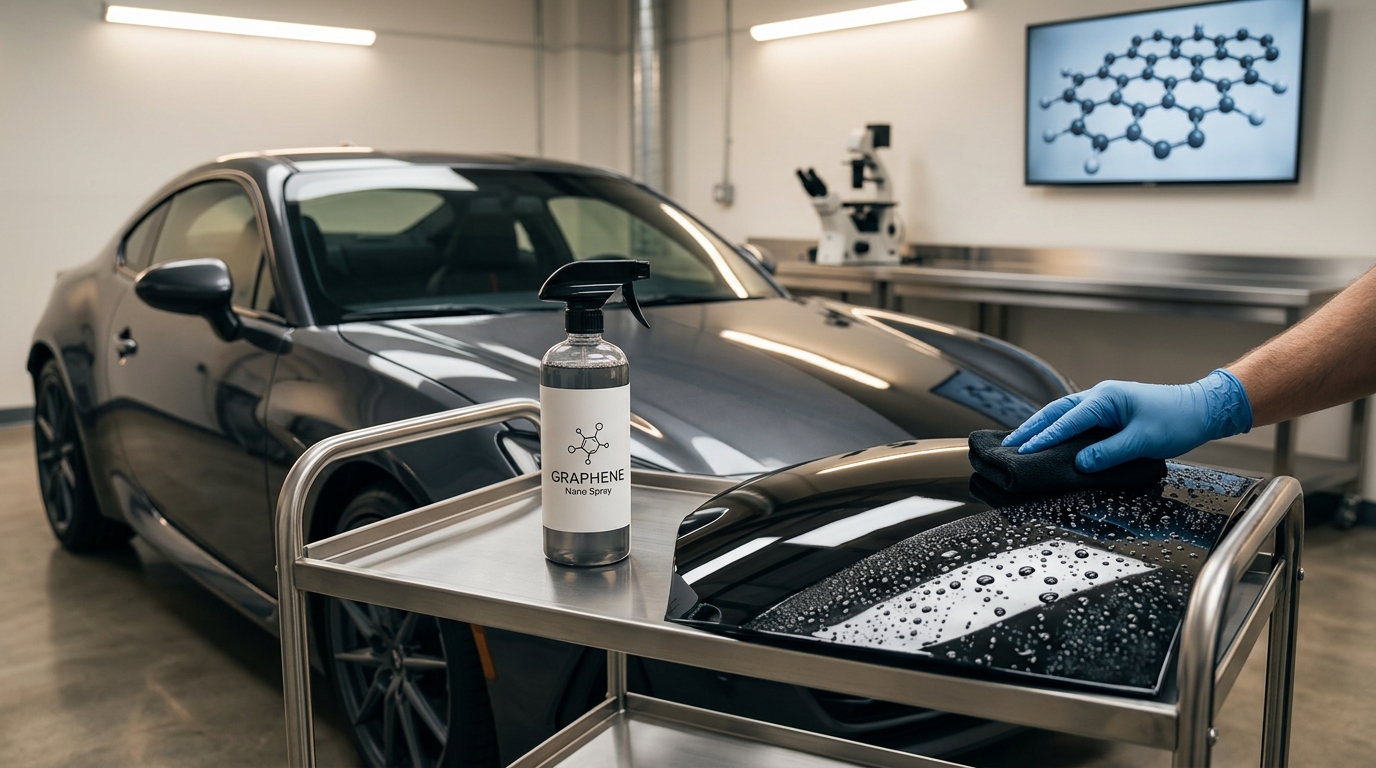
Initial water contact angles measure between 105° and 110°, generating tight, spherical water beads during light rainfall. When exposed to high-volume water from an open hose, the coating exhibits rapid water sheeting. This accelerated evacuation helps significantly when blow-drying the vehicle with filtered air, minimizing towel contact and reducing the risk of wash-induced swirl marks.
Pros and Cons: What the Detailing Tests Show
Synthesizing long-term testing and verified enthusiast feedback reveals a distinct set of operational strengths and practical drawbacks:
| Advantages (Pros) | Disadvantages (Cons) |
|---|---|
| High Application Forgiveness: Extended flash times do not cause stubborn high spots; missed residue can typically be leveled with a second pass without machine polishing. | Sprayer Nozzle Failures: Suspended graphene particulates frequently settle and clog the factory trigger sprayer if not purged after use. |
| Direct Sunlight Compatibility: Tolerates warm exterior panels and direct sun exposure without streaking or flashing too quickly. | Microfiber Staining: The dark grey/black suspension permanently discolors lighter microfiber towels and applicator pads. |
| Superior Trim Restoration: Enhances matte and textured exterior plastics without streaking or turning white over time. | Degradation Under Road Salts: Hydrophobics deteriorate substantially faster when exposed to harsh winter road chemicals and high-alkaline touchless wash detergents. |
| Reduced Water-Spot Etching: Noticeably less prone to hard mineral etching compared to early-generation SiO2 ceramic sprays. | Initial Towel Drag: Buff-off requires a fresh, dry towel to avoid slight grab and faint leveling haze. |
Step-by-Step Application and Preparation Protocol
Proper surface preparation dictates the longevity of any spray-applied sealant. While 303 Graphene Nano Spray Coating is forgiving, achieving multi-month durability requires following a systematic preparation workflow.
Step 1: Chemical and Mechanical Decontamination
Begin by washing the vehicle with a high-pH strip wash shampoo to strip degraded waxes and traffic film. While the paint is still wet, apply a dedicated iron fallout remover to dissolve embedded ferrous brake dust. Follow with a clay bar or synthetic clay mitt lubricated with clay lube or car shampoo to pull out above-surface contaminants, leaving the clear coat glass-smooth.
Step 2: Surface Preparation (Panel Wipe)
Although the manufacturer notes that the formulation can bond over light micro-marring, applying the coating onto bare paint maximizes chemical crosslinking. Wipe down all exterior panels with an Isopropyl Alcohol (IPA) solution or dedicated panel prep spray to remove polishing oils, residue, and solvent films.
Step 3: Application Technique
- Shake Thoroughly: Vigorously shake the bottle for at least 30 to 60 seconds to fully resuspend the settled graphene oxide platelets throughout the liquid carrier.
- Load the Applicator: Spray 2 to 3 mists directly onto a microfiber applicator pad or folded microfiber towel. Avoid spraying directly onto vehicle paint to prevent overspray from drifting onto neighboring glass or untreated sections.
- Apply in Cross-Hatch Pattern: Work one panel at a time (or half a hood). Spread the product in straight, overlapping horizontal lines followed by vertical passes to ensure uniform coverage.
Step 4: Flash Time and Leveling
Allow the product to dwell until it turns into a visible, uniform white haze. Depending on ambient temperature and relative humidity, this takes anywhere from 30 seconds to 3 minutes. Unlike standard ceramics that require precise timing to avoid rock-hard high spots, 303 Graphene is forgiving if left to haze slightly longer. Using a plush, clean microfiber towel, buff away the primary haze. Immediately flip to a secondary clean, dry towel for the final leveling pass to eliminate streaks.
Longevity and Durability Reality Check
Manufacturer claims of “up to 12+ months” represent laboratory conditions or ideal environments where vehicles are garaged and washed strictly with pH-neutral shampoos. Real-world testing paints a more realistic picture depending on vehicle usage and climate.
| Environmental Exposure | Manufacturer Claim | Realistic Real-World Expectation | Performance Notes |
|---|---|---|---|
| Garaged / Weekend Vehicle | 12+ Months | 8 to 10 Months | Retains strong contact angles and gloss with routine two-bucket hand washes. |
| Daily Driver (Moderate Climate) | 12+ Months | 4 to 6 Months | Hydrophobic beading starts tapering around month 4; benefits from a maintenance booster spray. |
| Severe Winter / Road Salt & Touchless Washes | 12+ Months | 1 to 3 Months | Heavy road film, brine, and high-pH touchless car wash soaps degrade the surface polymer matrix quickly. |
Compared to traditional SiO2 ceramic sprays, 303 Graphene Nano Spray matches the longevity of leading competitors while offering superior protection against water-spot etching and easier application under warm ambient conditions.
Surface Versatility: Beyond Paint Protection
One of the most practical advantages of 303 Graphene Nano Spray Coating is its broad compatibility across diverse exterior automotive substrates:
- Exterior Plastic Trim: Restores deep color to textured and smooth plastics without leaving white residue or streaking in the rain.
- Glass: Can be applied to side and rear windows to facilitate water runoff. It is best avoided on windshields where wiper blade friction can induce chatter.
- Wheels: High thermal tolerance makes it well-suited for alloy and painted wheels, aiding in the release of accumulated brake dust during routine maintenance washes.
- Chrome and Polished Metals: Levels clear, protecting brightwork from oxidation without dulling reflective clarity.
The Science vs. Marketing: What Does Graphene Actually Do?
Separating chemistry from marketing hype is essential when evaluating 303 graphene nano spray coating reviews.
Formulation Reality
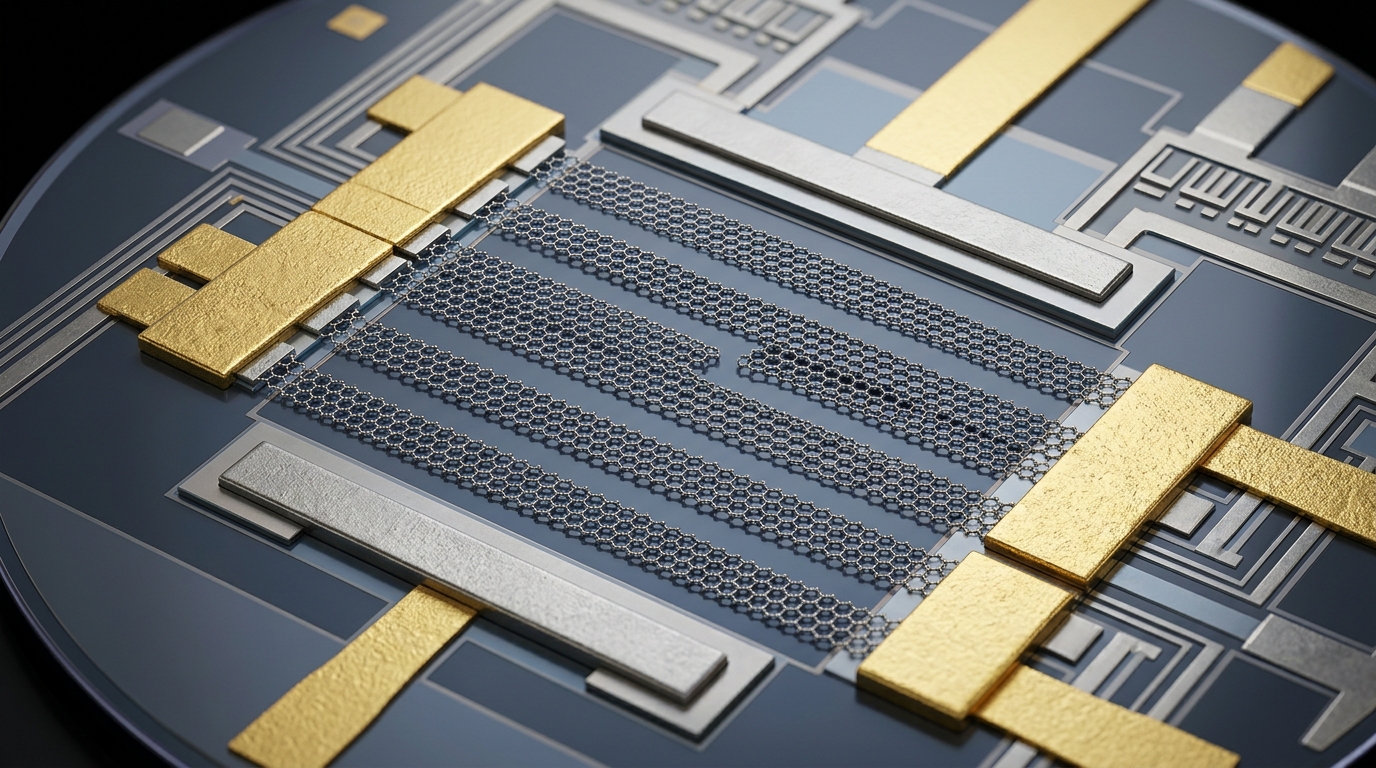
Spray coatings in this category do not contain pure, continuous monolayer crystalline graphene sheets. Synthesizing large-scale pristine graphene requires advanced chemical vapor deposition (CVD), which cannot exist as a stable, sprayable consumer liquid. Instead, this formula uses functionalized Reduced Graphene Oxide (rGO) and graphene nanoplatelets blended into a siloxane polymer carrier matrix.
The Heat Dissipation Claim
Marketing materials suggest that graphene’s high thermal conductivity significantly lowers the temperature of vehicle body panels. In reality, a spray-applied coating measures only nanometers in thickness. A layer that thin cannot meaningfully reduce the core temperature of a heavy steel or aluminum panel exposed to hot summer sun. However, the altered surface energy and crosslinked carbon lattice do reduce localized mineral adhesion, preventing dissolved calcium and magnesium from baking deeply into the clear coat pores.
Scratch Resistance Boundaries
While graphene as an isolated material possesses exceptional tensile strength, spray coatings do not impart measurable scratch resistance against stone chips, heavy abrasions, or improper wash techniques. It serves as a sacrificial chemical barrier against environmental fallout, bird droppings, acid rain, and UV degradation—not a substitute for paint protection film (PPF).
Frequently Asked Questions
What is the cure time for 303 Graphene Nano Spray?
Unlike professional ceramic coatings that demand 24 to 48 hours of moisture-free curing, 303 Graphene requires no extended dry cure time. Once the product is buffed to a haze-free shine, the vehicle can be exposed to water immediately, though waiting a few hours before washing with soap is best practice.
Can you layer 303 Graphene Nano Spray Coating?
Yes. Applying a second layer after 1 hour can help ensure even coverage and fill in any microscopic spots missed during the initial pass. Layering beyond two coats yields diminishing returns, as excess product cannot crosslink effectively to previous cured layers.
How do I prevent the trigger sprayer from clogging?
Due to the suspended graphene platelets, remove the sprayer mechanism after application, place the pickup tube in warm water, and spray for 10 seconds to flush out remaining product before storing the bottle with its solid shipping cap.
Final Verdict
303 Graphene Nano Spray Coating stands out as a highly capable, forgiving exterior sealant. While the 12+ month durability claim is optimistic for daily-driven vehicles in harsh climates, its exceptional darkening effect, forgiving direct-sun application window, superior trim restoration, and strong resistance to water spotting make it a compelling alternative to traditional SiO2 ceramic sprays.