Flux Adapt Graphene Xt
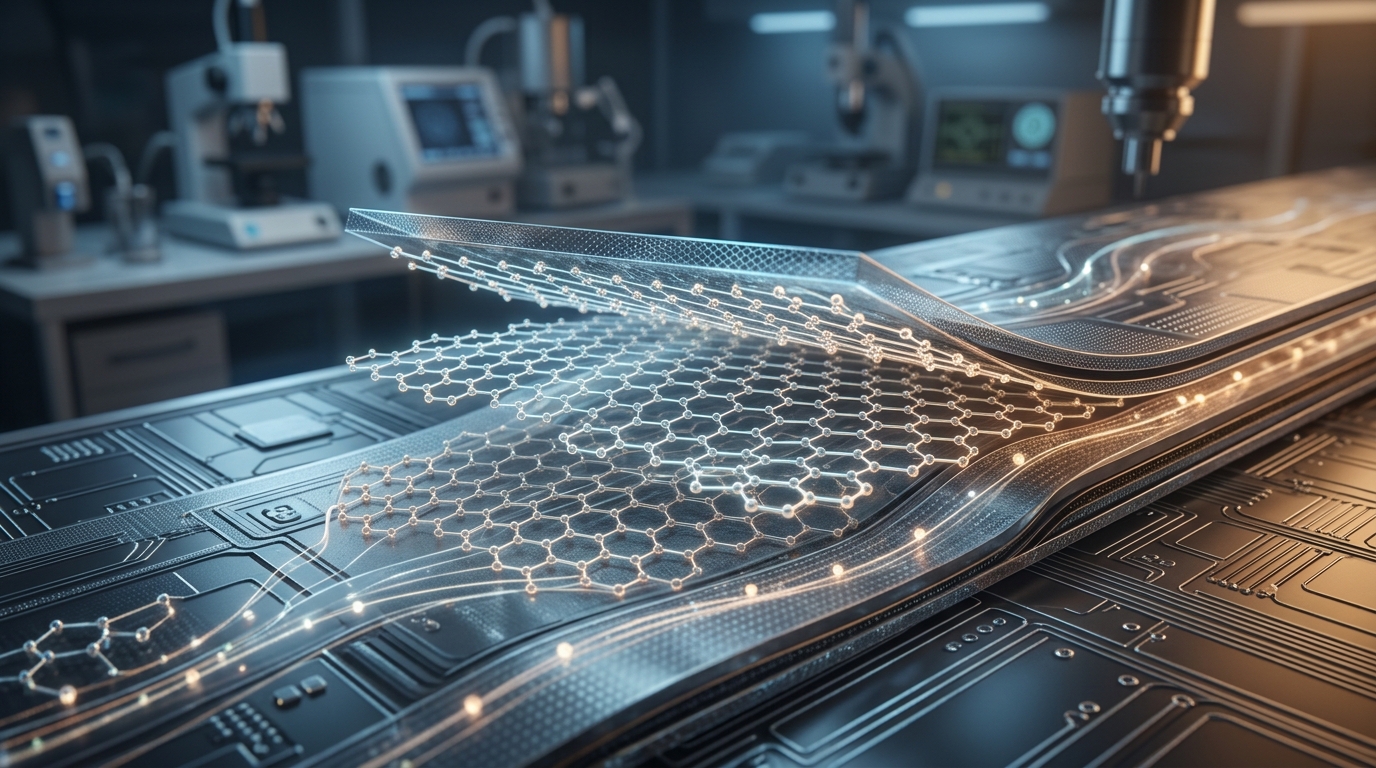
High-performance composite design increasingly relies on the synergy between advanced nanomaterials and dynamic mechanical architecture. Flux adapt graphene xt represents the intersection of second-generation graphene-reinforced matrices with adaptive structural compliance, creating components that can dynamically distribute mechanical load, dissipate high-frequency vibrations, and optimize energy return under variable stress.
To understand how this material framework operates, it is necessary to examine both of its foundational pillars: the material science behind engineered graphene matrices and the structural physics of mechanical flux adaptation.
The Fundamentals of Graphene XT in Composite Matrices
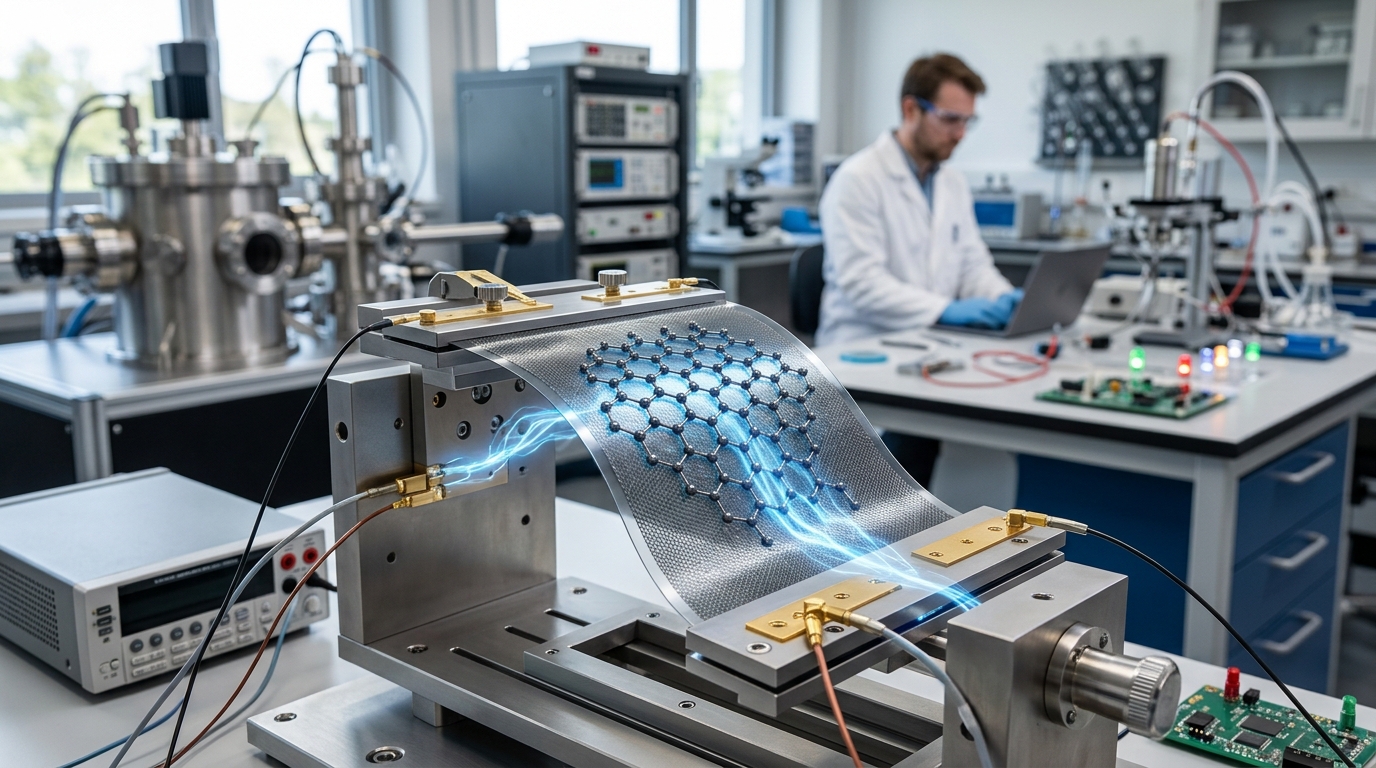
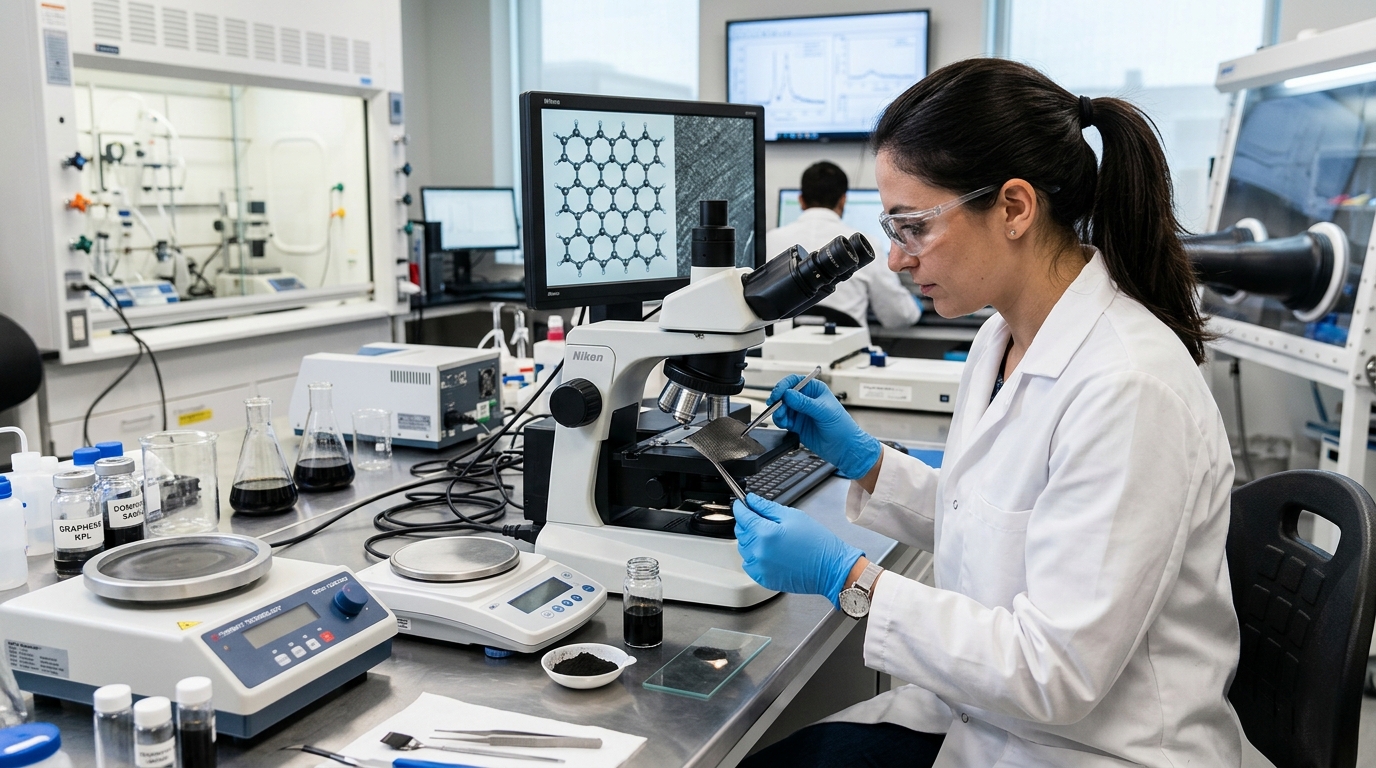
Standard graphene consists of a single two-dimensional layer of carbon atoms arranged in a hexagonal honeycomb lattice. While isolated monolayer graphene exhibits extraordinary theoretical tensile strength and thermal conductivity, integrating it into macroscopic structures requires incorporating it as a nano-additive within a bulk resin, such as epoxy, vinyl ester, or polyurethane.
Graphene XT refers to an engineered, functionalized graphene formulation designed specifically to overcome the physical integration limits of first-generation graphene additives. In early composite applications, pristine graphene sheets tended to agglomerate due to strong van der Waals forces, forming microscopic clumps that acted as stress concentrators rather than reinforcing elements.
Graphene XT resolves this through precise chemical functionalization and optimized platelet morphology:
- Enhanced Matrix Interfacial Bonding: Functional surface groups allow the graphene nanoplatelets to form covalent or strong non-covalent bonds directly with the surrounding polymer chains, ensuring effective load transfer across the interface.
- Optimized Aspect Ratios: By controlling platelet thickness and lateral dimensions, the material achieves a higher surface-area-to-volume ratio, reinforcing the resin at lower filler fractions without increasing resin viscosity unmanageably.
- Interlaminar Shear Reinforcement: When dispersed between carbon fiber plies, these nanoplatelets bridge micro-voids and resist delamination under cyclic fatigue.
Understanding the Mechanics of Flux Adaptation
In structural engineering, "flux" describes the directional transmission of kinetic force, strain energy, or vibrational waves through a continuous medium. An adaptive flux framework is an engineered layup or geometry that actively modulates its flexural profile depending on the magnitude, vector, and strain rate of the applied load.
Traditional structural composites are inherently static; an engineer selects a fiber modulus and layup angle to achieve a fixed balance of stiffness and compliance. However, high-demand equipment—ranging from sporting gear to lightweight mechanical linkages—encounters diverse operating regimes. A structure might require maximum torsional rigidity during power transfer, yet require localized elastic compliance to absorb sharp shock impacts.
By tailoring fiber trajectories, resin elasticity gradients, and targeted reinforcement zones, an adaptive structure redistributes stress concentrations across the entire volume. This prevents localized material failure while controlling dynamic deformation.
The Synergy: How Flux Adapt Graphene XT Works
When adaptive structural design combines with Graphene XT reinforcement, the performance gains exceed the sum of their individual parts. This combined framework governs mechanical behavior through three core physical mechanisms:
1. Targeted Mass Redistribution and Polar Moment Control
Because Graphene XT significantly improves interlaminar shear strength and flexural modulus in targeted zones, engineers can reduce raw material thickness in non-critical sections without sacrificing overall structural integrity. In kinetic sporting equipment such as racquets and dynamic arms, this weight saving permits the repositioning of mass toward the structural poles (the extreme ends).
Increasing the polar moment of inertia stabilizes the structure against off-axis twisting during high-speed impacts, expanding the effective sweet spot and preserving energy that would otherwise be lost to torsional deflection.
2. Viscoelastic Vibration Damping and Acoustic Attenuation
Mechanical shock generates high-frequency stress waves that propagate through composite materials, leading to user fatigue, joint strain, or acoustic noise. Graphene XT nanoplatelets embedded in the resin matrix introduce millions of microscopic interfaces.
As stress waves travel through the component, friction at these nano-interfaces creates interfacial friction dissipation, converting destructive mechanical vibration into harmless, microscopic thermal energy. This dampens harsh harmonic frequencies without requiring thick, heavy elastomeric damping layers that compromise structural crispness.
3. Dynamic Energy Restitution
In applications demanding immediate energy return, such as cycling forks, striking implements, and aerospace linkages, hysteresis (energy lost as unrecovered heat during deformation) reduces efficiency. Graphene XT reinforces the elastic recovery phase of the polymer matrix, enabling the structure to flex into an adaptive load path and rapidly rebound with a higher coefficient of restitution.
Comparative Analysis: Material Evolution
To see where flux adapt graphene xt fits within composite engineering, consider how structural materials have evolved over successive generations:
| Material Generation | Primary Reinforcement | Torsional Rigidity | Vibration Dissipation | Mass Distribution Freedom |
|---|---|---|---|---|
| Standard High-Modulus Carbon | Unidirectional Polyacrylonitrile (PAN) Fibers | Moderate | Low (transmits high shock) | Limited by uniform wall requirements |
| First-Gen Graphene Composite | Standard Graphene Nanoplatelets in Epoxy | High | Moderate | Moderate (some localized thinning) |
| Flux Adapt Graphene XT | Functionalized Graphene XT with Dynamic Layup | Very High (rate-adaptive) | High (broadband interface damping) | Extensive (optimized polar weighting) |
Commercial and Practical Applications
The practical implementation of flux adapt graphene xt spans several industries where lightweight durability and controlled compliance are paramount:
High-Performance Racquet Sports
The most prominent adoption of Graphene XT and adaptive flex structures is in tennis, padel, and squash racquets. In these frameworks, the shaft is engineered for adaptive torsional stiffness, while the hoop incorporates graphene reinforcement at the 3, 9, and 12 o’clock positions. The result is a racquet that feels maneuverable through the air due to low static weight, yet delivers heavy kinetic power upon impact because of its elevated swing weight and stability.
Bicycle Frames and Components
In high-end cycling, frames must reconcile two opposing requirements: extreme lateral stiffness around the bottom bracket and head tube to ensure efficient power transfer, combined with vertical compliance in the seat stays to reduce road chatter. Integrating adaptive graphene matrices allows thinner, shock-absorbent seat stays that maintain structural fatigue resistance over hundreds of thousands of load cycles.
Protective Sporting Armor and Helmets
Impact-resistant gear relies heavily on strain-rate sensitivity. Under slow movement, the protective element remains flexible and ergonomic. When struck with high-velocity kinetic force, the adaptive flux layout disperses the point load radially, while the functionalized graphene network resists puncture and micro-fracturing.
Manufacturing Challenges and Material Limitations
Despite its mechanical advantages, implementing flux adapt graphene xt requires strict quality control and specialized manufacturing techniques. Understanding these limitations is critical for realistic engineering evaluations:
- Viscosity and Wet-Out Issues: Adding nano-fillers increases resin viscosity. If the concentration of Graphene XT is too high, the resin cannot properly infiltrate dense carbon fiber weave bundles during vacuum-assisted resin transfer molding (VARTM), creating structural voids.
- Thermal Expansion Mismatches: Carbon fibers, epoxy matrices, and graphene additives have different coefficients of thermal expansion. Curing at elevated temperatures requires precise thermal ramping schedules to avoid residual internal stresses.
- Cost vs. Performance Scaling: Chemically functionalizing graphene platelets to the XT standard involves multi-stage synthesis and purification. For non-critical consumer goods, the incremental mechanical gains may not always justify the added manufacturing costs.
Evaluating Performance: Key Metrics
To verify the presence and efficacy of an adaptive graphene composite, material scientists rely on standardized laboratory testing protocols:
Dynamic Mechanical Analysis (DMA): Measures the storage modulus (elastic response) and loss modulus (damping response) across a range of operational temperatures and frequencies. A properly formulated graphene matrix exhibits an elevated loss factor (tan delta) without sacrificing storage modulus.
Resonant Frequency Spectrometry: Evaluates how quickly an engineered frame returns to rest after impulse excitation. Accelerated ring-down times confirm enhanced internal damping.
Torsional Deflection Testing: Applies measured torque along the longitudinal axis to ensure that adaptive compliance is confined strictly to intended planes without introducing unwanted off-axis deformation.
Through systematic design, flux adapt graphene xt demonstrates how nanomaterial synthesis and mechanical layup design combine to resolve long-standing trade-offs between lightness, rigidity, and shock absorption.