Ceramic Graphene Coating
A ceramic graphene coating is an advanced surface protectant designed primarily for automotive paint, gelcoats, and exterior surfaces. It combines the durable, cross-linking matrix of conventional ceramic coatings with suspended graphene-based nanomaterials—most commonly reduced graphene oxide (rGO) or functionalized graphene nanoplatelets. This formulation aims to enhance the physical and chemical properties of traditional liquid coatings, offering greater slickness, improved chemical resilience, and reduced susceptibility to water spotting.
Understanding Ceramic Graphene Coatings
To understand how a ceramic graphene coating functions, it is necessary to look at its underlying chemistry. Conventional ceramic coatings rely on silicon dioxide (SiO2), silazanes, or titanium dioxide (TiO2) dissolved in a solvent carrier. When applied to a clear coat, these liquid polymers react with ambient moisture to cure into a rigid, transparent crystalline layer that chemically bonds with the paint.
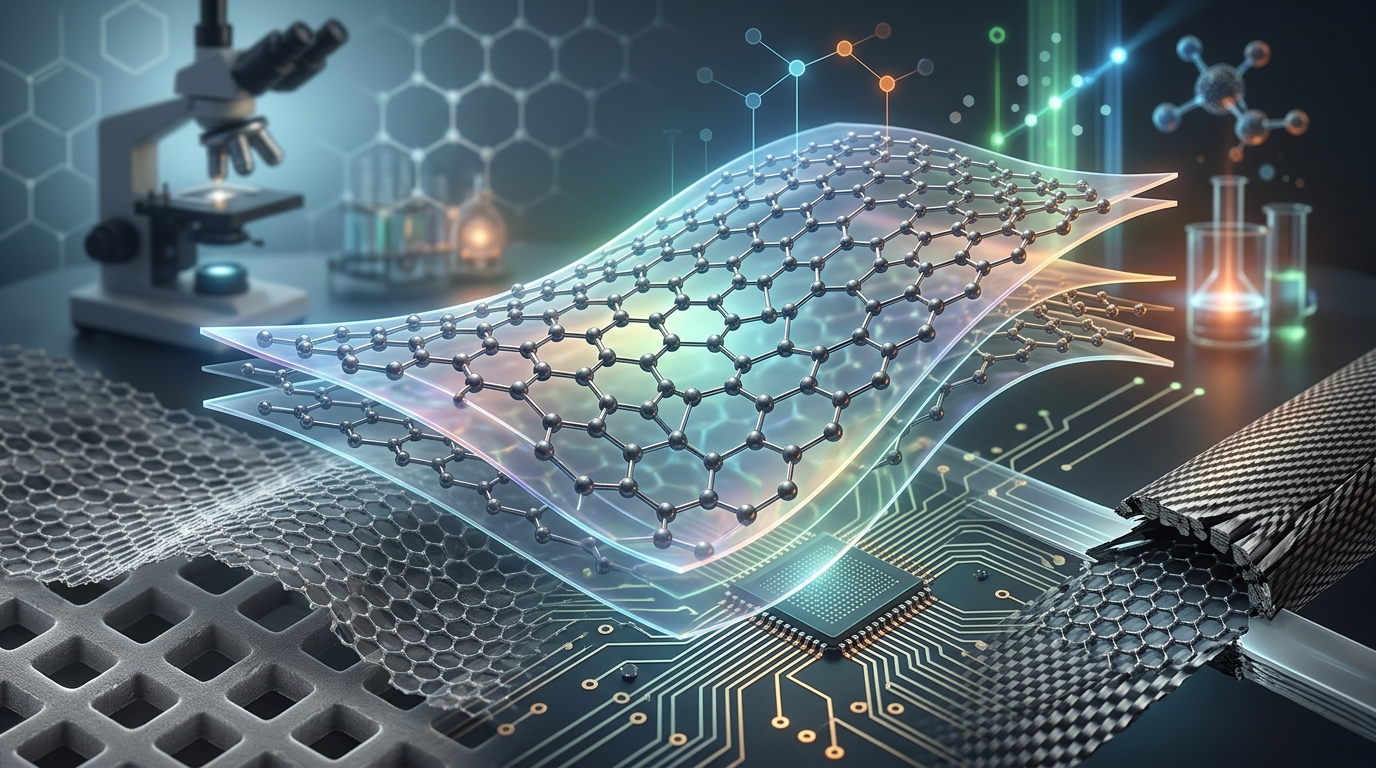
A graphene-infused ceramic coating uses this same liquid inorganic or organic polymer backbone as its structural carrier. Microscopic flakes of graphene or reduced graphene oxide are dispersed within the resin matrix. Because graphene is a two-dimensional sheet of carbon atoms arranged in a hexagonal lattice, it possesses notable mechanical strength, thermal conductivity, and chemical inertness. When integrated into a cross-linked liquid polymer, these platelet-like additives reinforce the cured layer, filling microscopic voids and modifying the surface energy of the finished coat.
Ceramic vs. Graphene Ceramic Coatings: Key Differences
While graphene ceramic coatings build upon established ceramic technology, their performance characteristics differ in several measurable ways. The table below outlines how standard SiO2 coatings compare with graphene-infused formulations.
| Feature / Property | Standard Ceramic Coating (SiO2) | Graphene Ceramic Coating (SiO2 + rGO) |
|---|---|---|
| Primary Composition | Silicon dioxide, polysilazanes, solvent carriers | SiO2/polysilazane matrix infused with graphene/rGO flakes |
| Water Contact Angle | Typically 100° to 110° (Hydrophobic) | Typically 110° to 120°+ (High Hydrophobicity/Water Sheeting) |
| Water Spot Resistance | Moderate; prone to mineral etching under direct heat | Higher; lower surface heat retention and wider water drop contact angles reduce etching |
| Chemical Resistance | Strong (typically pH 2 to pH 12) | Very High (typically pH 2 to pH 13+) |
| Thermal Dissipation | Standard insulative barrier | Enhanced surface heat conductivity, helping lower surface temperatures |
| Surface Slickness | High gloss, moderately slick feel | Exceptionally slick tactile feel, lower coefficient of friction |
| Tensile Flexibility | Rigid, brittle when cured thick | Slightly more flexible matrix, reducing micro-fracture potential |
Demonstrated Real-World Benefits
Integrating graphene into a liquid protective coating yields several tangible advantages for automotive clear coats and exterior substrates.
Reduced Water Spotting
One of the persistent challenges with conventional SiO2 ceramic coatings is mineral spotting. Standard coatings cause water to bead into tight, spherical droplets that magnify sunlight and trap dissolved minerals as the water evaporates, often etching the clear coat. Graphene-enhanced coatings generally display lower water roll-off angles and higher contact angles, encouraging water to sheet off moving surfaces quickly rather than dwell. Furthermore, the thermal properties of the graphene matrix help prevent heat concentration, reducing the speed at which pooled water bakes onto the surface.
Enhanced Chemical and Corrosion Resistance
The hexagonal carbon structure of graphene provides a dense physical barrier at the nanoscale. When suspended evenly across the cured matrix, it decreases surface permeability against harsh road salts, acidic bug splatter, bird droppings, aggressive degreasers, and industrial fallout. This allows the underlying paint to withstand wider pH extremes without deteriorating the bond.
Lower Surface Friction and Scratch Resistance
While no liquid coating makes automotive clear coat completely scratch-proof, graphene formulations significantly reduce the dynamic coefficient of friction. This creates a remarkably slick tactile feel. Because abrasive dirt particles encounter less friction when sliding over the coated panel during washing, the likelihood of creating wash-induced swirl marks and light marring is reduced.
Improved Heat Dissipation
Graphene is recognized for its high thermal conductivity. While a micron-thin automotive coating cannot completely insulate a vehicle from ambient heat, the presence of graphene flakes helps distribute heat evenly across the coated surface rather than allowing localized hot spots. This uniform thermal dissipation mitigates heat-induced clear coat degradation over prolonged outdoor exposure.
Marketing Hype vs. Scientific Reality
As graphene gained attention across materials science, commercial detailing products quickly adopted the term. Differentiating legitimate chemical engineering from aggressive marketing claims is essential when evaluating these products.
The “Pure Graphene Sheet” Myth
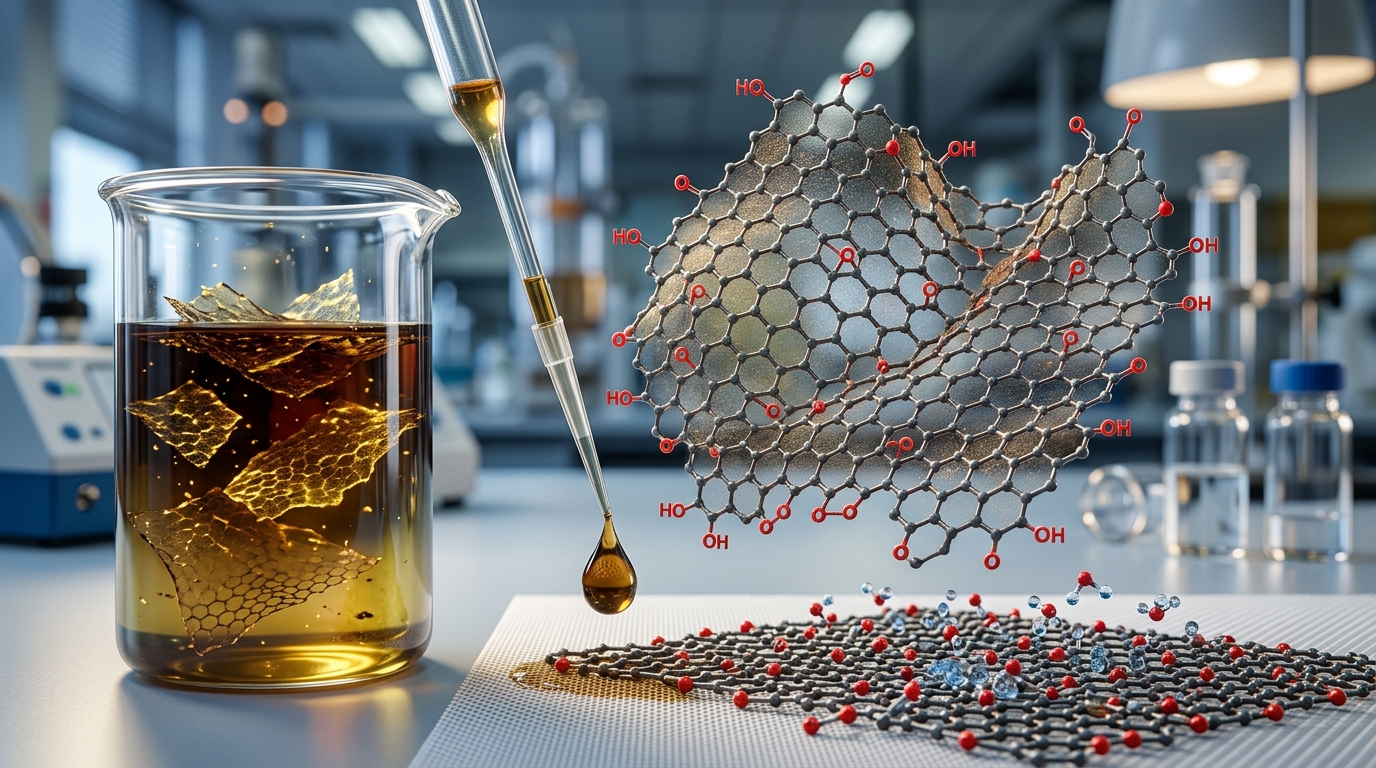
Marketing materials sometimes imply that a liquid bottle contains an unbroken, single-atom-thick sheet of pure graphene that drapes over the vehicle. In reality, pristine single-layer graphene cannot exist suspended freely in a liquid solvent for spray or wipe-on application. Commercial products use microscopic flakes, nanoplatelets, or chemical derivatives such as reduced graphene oxide (rGO) suspended in an established ceramic carrier.
The Dosage Balance
A common misconception is that a higher concentration of graphene automatically produces a superior coating. In practical chemical formulation, graphene additive levels must remain relatively low—often under two percent by weight. If too much carbon nanomaterial is added, the solution turns opaque or black, causes destabilization or clumping in the bottle, and prevents the primary ceramic resin from cross-linking securely to the vehicle’s paintwork. The graphene is an additive designed to modify the resin, not replace the bonding chemistry.
Hardness Ratings
Claims attributing extreme hardness ratings (such as “10H” or “infinite hardness”) to liquid-applied graphene coatings are often based on the pencil hardness scale rather than the Mohs mineral hardness scale. While a cured graphene coating forms a dense, resilient barrier that resists light abrasions and swirl marks, it will not prevent rock chips, deep key scratches, or heavy impact damage.
Surface Preparation and Application Protocol
Proper surface preparation is the single most critical factor determining the performance and lifespan of any ceramic graphene coating. The coating requires an uncontaminated, bare clear coat to create covalent chemical bonds.
Step 1: Thorough Decontamination
- Washing: Clean the vehicle thoroughly using a dedicated strip wash shampoo to remove road grime, old waxes, and surface oils.
- Chemical Decontamination: Apply a dedicated iron remover across painted surfaces and wheels to dissolve embedded brake dust and ferrous particles. Follow with a tar remover if needed.
- Mechanical Decontamination: Use a detailing clay bar or synthetic clay pad with adequate lubricant to remove remaining bonded contaminants until the paint is physically smooth.
Step 2: Paint Correction
Any scratch, swirl mark, oxidation, or haze left on the clear coat will be permanently locked under the cured coating. Machine polishing or compounding eliminates these defects, restoring optical clarity and ensuring a completely flat plane for the liquid matrix to adhere to.
Step 3: Surface Prep Wipe (Solvent Cleanser)
Polishing compounds leave behind lubricating oils and carriers. Wipe every panel down thoroughly with an isopropyl alcohol (IPA) solution or a dedicated surface prep cleaner to remove all residual polishing oils, leaving a completely bare, dry surface.
Step 4: Coating Application
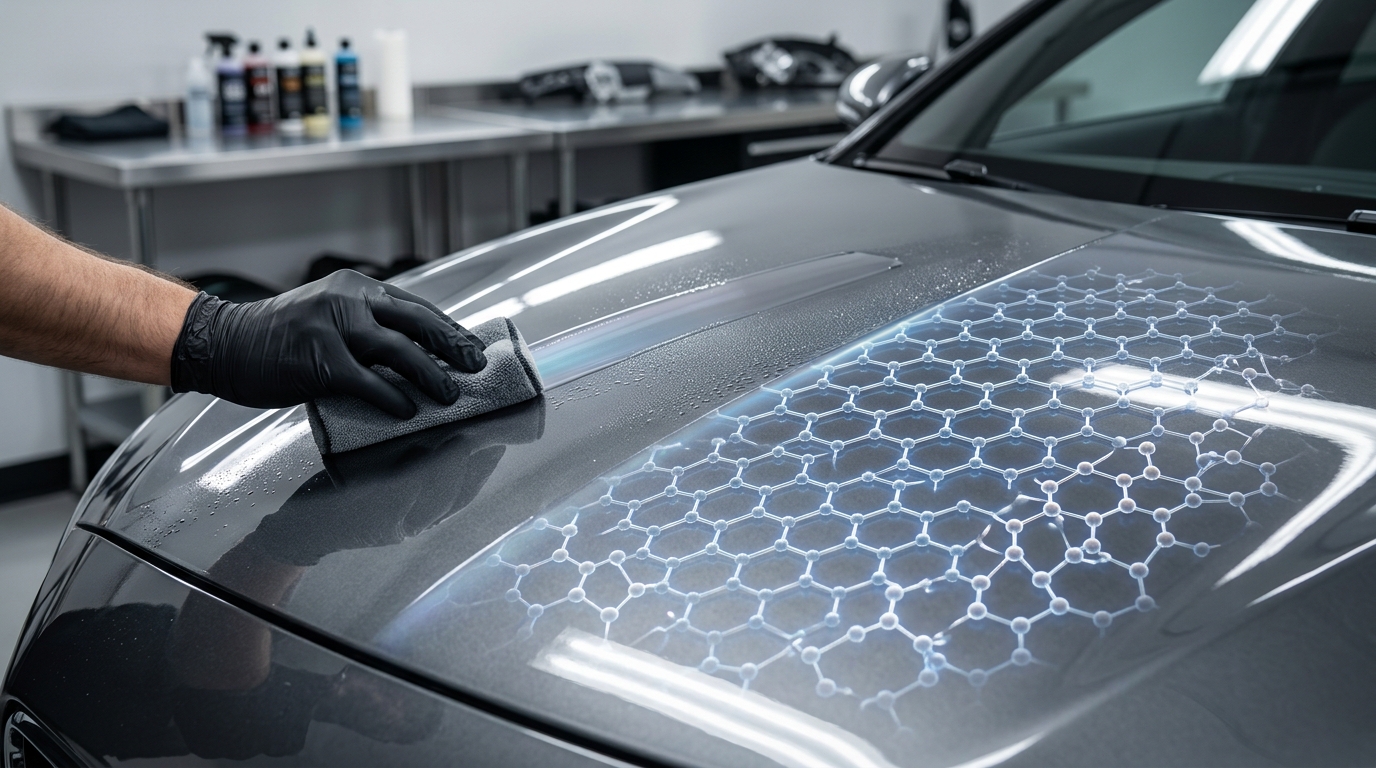
- Apply several drops of the ceramic graphene solution evenly onto a microfiber-wrapped foam applicator block.
- Work in small, manageable sections (typically 2 feet by 2 feet) using cross-hatch motions (left-to-right, then top-to-bottom) to ensure uniform coverage.
- Observe the coating as the carrier solvents flash off. This typically appears as a “sweating” or rainbow-like oily effect across the panel within 1 to 3 minutes, depending on ambient temperature and humidity.
- Using a clean, low-pile microfiber towel, gently level the high spots. Follow immediately with a second, plush microfiber towel to buff the surface to a streak-free, glossy finish.
- Allow the coating to cure undisturbed, keeping it away from moisture and rain for at least 24 hours, and avoiding wash chemicals for 7 to 14 days while full cross-linking completes.
Safety Measures and Personal Protective Equipment (PPE)
Liquid graphene coatings contain active volatile organic compounds (VOCs), carrier solvents, and reactive chemical polymers. Safe handling is essential during application:
- Respiratory Protection: Work in a well-ventilated space. If applying in an enclosed garage, use an organic vapor respirator rated for solvent fumes.
- Skin and Eye Protection: Wear chemical-resistant nitrile gloves to prevent solvent absorption through the skin, along with protective safety glasses to guard against accidental splashes.
Longevity, Maintenance, and Durability Expectations
A professionally applied, multi-layer ceramic graphene coating can provide durable protection ranging from 2 to 5 years, while simplified consumer-grade spray variants generally last from 6 to 12 months.
Achieving maximum longevity requires routine maintenance:
- pH-Neutral Washing: Wash the vehicle every one to two weeks using a pH-neutral, wax-free car shampoo. Avoid automated brush washes, which cause mechanical abrasion.
- Decontamination Washes: Periodically use mild iron-removing soaps to clear out bonded road films that can mask the hydrophobic properties of the top layer.
- Toppers and Boosters: Applying a dedicated graphene or SiO2 detail spray every 3 to 6 months helps rejuvenate the sacrificial top layer, reinforcing water-sheeting performance and UV protection over time.