Graphene vs. Ceramic Coating
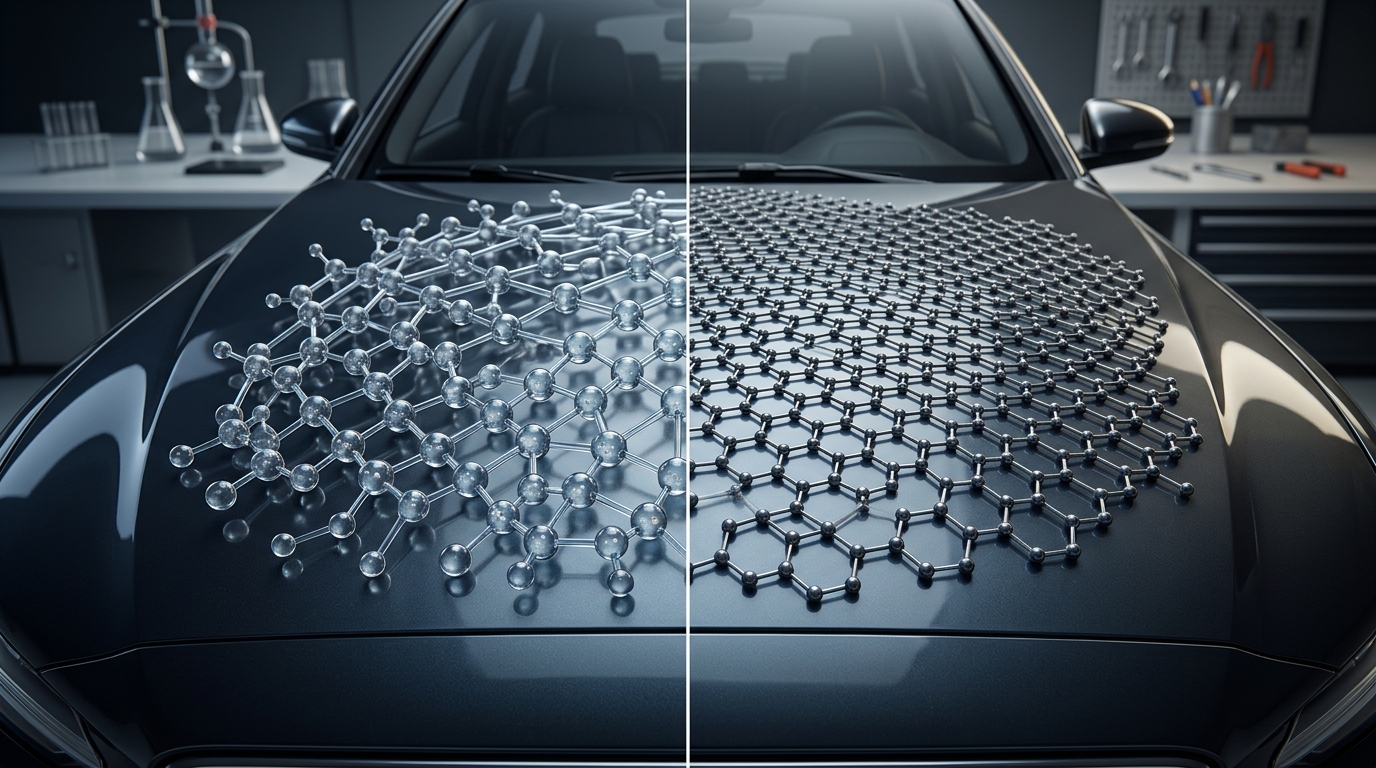
When selecting advanced automotive paint protection, the debate between graphene vs ceramic coating centers on real-world performance differences, chemical longevity, and cost efficiency. While traditional ceramic coatings have served as the industry benchmark for over a decade, graphene-infused formulations have entered the detailing market with promises of superior slickness, reduced water spotting, and enhanced durability.
Understanding how these two technologies compare requires looking past detailing marketing claims and examining their actual chemical compositions, dynamic hydrophobic behavior, and installation demands.
Head-to-Head Comparison: Graphene vs. Ceramic Coating
Both coating technologies provide semi-permanent sacrificial barriers over automotive clear coats, shielding paint from ultraviolet radiation, bird droppings, acid rain, and road grime. However, their physical and dynamic surface characteristics differ in several key areas.
| Performance Metric | Traditional Ceramic Coating (SiO2 / Polysilazane) | Graphene-Infused Coating (SiO2 + rGO / GO) |
|---|---|---|
| Primary Active Chemistry | Silicon Dioxide (SiO2), Titanium Dioxide (TiO2), Polysilazane | SiO2 or Polysilazane matrix infused with functionalized Graphene Oxide (GO/rGO) |
| Static Contact Angle | 105° to 115° | 110° to 118°+ |
| Sliding / Roll-off Angle | Moderate (15° to 25°) | Very Low (10° to 15°) |
| Water Spot Resistance | Moderate; prone to mineral etching from standing beads | High; low roll-off angle sheds standing water before evaporation |
| Durability (Bottled Resin) | 2 to 5 years (DIY/Pro Grade); up to 7+ years (Multi-layer Pro) | 3 to 5 years (DIY/Pro Grade); up to 7+ years (Multi-layer Pro) |
| Finish Profile | Hard, glass-like, reflective candy gloss | Deep, warm wet-look with elevated tactile slickness |
| Ease of Application | Precise flash window; visible rainbowing and sweating | Forgiving flash window; often includes wider wipe-off tolerances |
| Dust / Anti-Static Behavior | Low conductivity; can hold static charge and attract fine dust | Moderate to High; carbon additive helps dissipate surface static |
| Cost Profile | Standard professional or DIY pricing benchmark | 15% to 30% price premium over equivalent ceramic tiers |
Chemical Composition: What Is Actually in the Bottle?
To evaluate graphene coatings objectively, one must first dispel a common industry misconception: no automotive liquid coating consists of a 100% pure, single-atom sheet of pristine graphene. Monolithic graphene cannot remain stably suspended as a liquid carrier to bond directly to automotive clear coat at room temperature.
Instead, automotive coatings fall into two distinct chemical frameworks:
1. Traditional Ceramic Coatings (SiO2 and Polysilazanes)
Traditional ceramic coatings utilize inorganic silanes, siloxanes, or polysilazane resins suspended in volatile solvent carriers. Upon exposure to ambient humidity and atmospheric oxygen, these compounds undergo a hydrolysis and condensation crosslinking process. The result is a dense, three-dimensional crystalline lattice of silicon dioxide (SiO2) bonded covalently to the clear coat. This structure creates an inert, hard shell that provides broad chemical resistance across a pH range of roughly 2 to 12.
2. Graphene-Infused Coatings (rGO and GNP Hybrids)
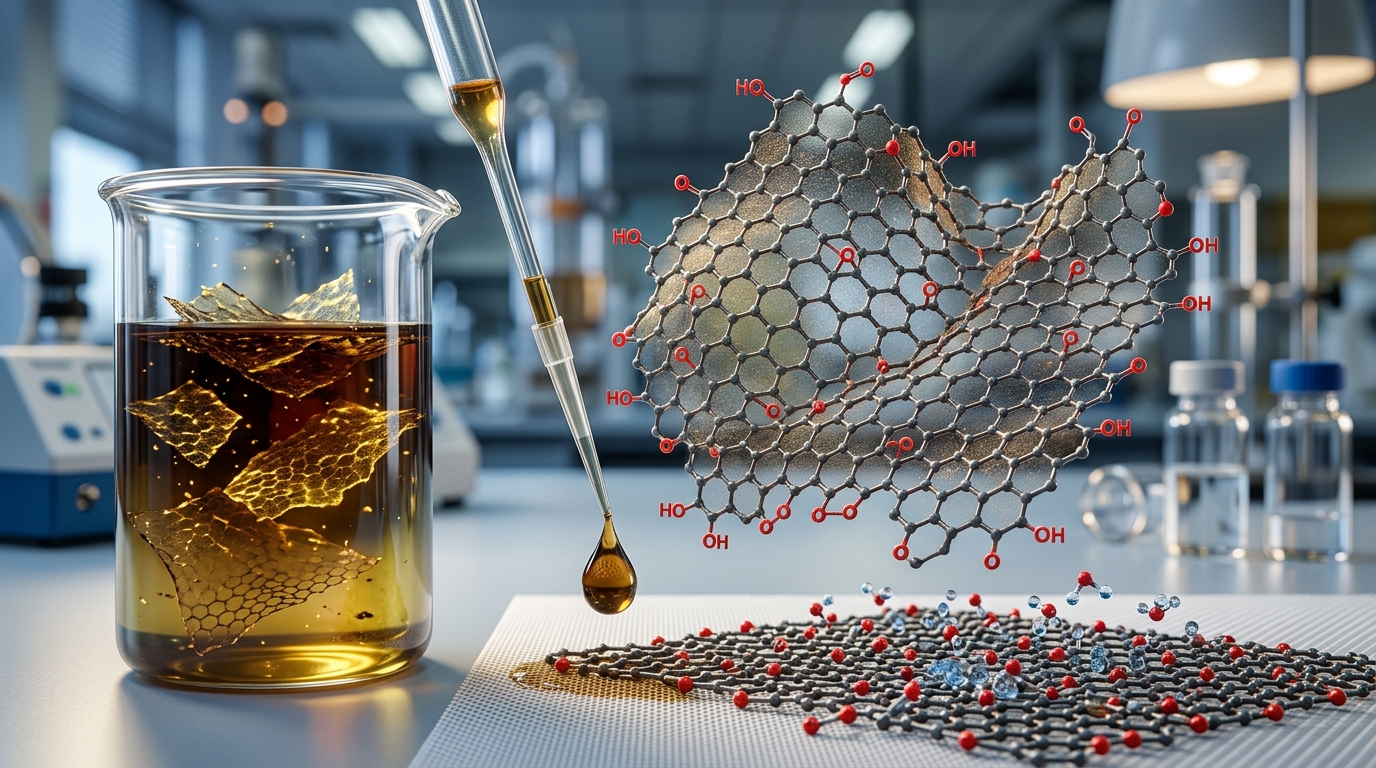
Graphene automotive coatings are hybrid formulations. They utilize a standard ceramic polymer base (such as polysilazane or SiO2) as the foundational bonding resin, into which microscopic platelets of reduced graphene oxide (rGO) or graphene nanoplatelets (GNPs) are dispersed, typically at concentrations between 1% and 5% by weight.
The functional oxygen groups (hydroxyl, epoxy, and carboxyl groups) on the graphene oxide flakes bond with the silica backbone during curing. This hybrid nanostructure introduces microscopic flexibility and reduces surface energy without compromising the chemical barrier properties of the underlying ceramic carrier.
Analyzing Key Performance Claims: Myths vs. Facts
The introduction of graphene into automotive detailing has generated several bold marketing assertions. Evaluating these claims against physical and mechanical evidence clarifies what vehicle owners should realistically expect.
Claim 1: Graphene Dissipates Heat and Reduces Surface Temperatures
Verdict: Largely Exaggerated.
While pristine laboratory graphene exhibits exceptional thermal conductivity, cured automotive coatings measure between 500 nanometers and 2 micrometers in total thickness and contain only low percentages of suspended rGO. When applied over an automotive panel, this ultra-thin film does not contain enough continuous thermal mass or cross-sectional area to measurably conduct heat away from dark paint under direct sunlight. Controlled tests show surface temperature differences of less than one degree compared to standard ceramic coatings.
Claim 2: Superior Resistance to Water Spotting
Verdict: Fact (Driven by Dynamic Hydrophobicity).
Water spotting occurs when mineral-heavy water droplets evaporate on warm paint, leaving concentrated deposits of calcium and magnesium that etch the clear coat. Traditional ceramic coatings create high static contact angles, forming tight, spherical beads. While visually impressive, if the vehicle is stationary, these beads act as micro-lenses, concentrating sunlight and evaporating directly on horizontal panels.
Graphene coatings alter the water sliding angle (also called the roll-off angle). Because the surface energy and coefficient of friction are lower, water beads slide off panels at significantly shallower angles (10° to 15° compared to 15° to 25° for standard ceramic). As a result, rain sheds off the vehicle much faster during driving or on slight inclines, substantially lowering the incidence of baked-on mineral deposits.
Claim 3: Extreme Scratch and Swirl Resistance
Verdict: Myth for Both Coating Types.
Marketing materials frequently reference the tensile strength of raw carbon allotropes to imply scratch-proof armor. In practice, neither ceramic nor graphene coatings will prevent rock chips, automated car wash scratches, or vandalism. While graphene’s reduced surface friction can lower minor marring during careful contact washes, it remains a sacrificial micro-layer designed primarily for UV, environmental, and chemical defense.
Application and Surface Preparation Comparison
Regardless of whether a detailer chooses graphene or standard ceramic, the success and longevity of the coating depend almost entirely on the thoroughness of the surface preparation.
1. The Universal Preparation Workflow
Both chemistries require an identical, rigorous prep sequence to ensure covalent bonding with the clear coat:
- Decontamination Wash: Stripping old waxes and sealants using an alkaline or high-surfactant wash.
- Chemical & Mechanical Decontamination: Applying an iron remover to dissolve embedded brake dust, followed by a clay bar treatment to remove bonded surface contaminants.
- Paint Correction: Machine compounding and polishing to eliminate swirls, scratches, and oxidation, as the coating will lock in any underlying defects.
- Solvent / IPA Panel Wipe: Thoroughly wiping every panel with an isopropyl alcohol or dedicated panel-prep solution to remove all polishing oils, lubricants, and residues.
2. Application Behavior Differences
The primary practical difference during installation lies in the flash and wipe-off characteristics:
- Traditional Ceramic Bottled Coatings: Applied in small cross-hatch sections (typically 2×2 feet). They transition through a distinct "oil-slick" or rainbow phase before "sweating" into tiny beads. The installer must level and buff the area within a tight window (often 30 seconds to 2 minutes) to prevent permanent high spots.
- Graphene-Infused Bottled Coatings: Often provide a slightly longer, more forgiving flash window. The addition of reduced graphene oxide allows some formulations to spread with higher lubricity, making leveling easier for DIY enthusiasts. Additionally, several graphene products integrate UV-reactive tracer dyes, allowing installers to inspect coverage and high spots under black light before final curing.
Professional Bottled Resins vs. Consumer Spray Variants
When comparing graphene vs ceramic coating, it is essential to distinguish between concentrated bottled resins and light consumer spray formulations:
- True Bottled Resins (30 ml – 50 ml): High-solids formulations designed for multi-year durability. These provide genuine covalent crosslinking, severe chemical resistance, and maximum film thickness. They require meticulous prep and indoor curing environments.
- Consumer Spray Coatings: Water- or mild solvent-based sprays infused with emulsified SiO2 or graphene oxide. These products offer 3 to 12 months of protection, apply as easily as a spray sealant, and serve primarily as standalone short-term protection or as maintenance toppers for existing pro-grade coatings.
Longevity Expectations and Proper Maintenance
In real-world driving environments, the lifespan of both coating types depends heavily on storage conditions, mileage, and maintenance routines.
Realistic Durability Standards
- DIY Bottled Ceramic: 2 to 3 years under outdoor parking conditions; up to 5 years if garaged.
- DIY Bottled Graphene: 3 to 4 years under outdoor parking conditions; up to 5 years if garaged.
- Multi-Layer Professional Installs (Ceramic or Graphene): 5 to 7+ years, provided the vehicle undergoes periodic professional inspections and decontamination washes.
Maintenance Best Practices
To prevent hydrophobic properties from degrading prematurely due to road film accumulation, vehicle owners should follow a standard maintenance protocol:
- Wash Frequency: Perform a two-bucket or foam-cannon wash every two weeks using a pH-neutral, wax-free automotive shampoo.
- Avoid Abrasive Facilities: Never take a coated vehicle through an automatic brush car wash, and avoid aggressive high-pH detergents (pH > 12).
- Booster Applications: Every 3 to 6 months, apply a dedicated ceramic or graphene detail spray topper after washing. This replenishes sacrificial top-layer slickness and removes light environmental fallout.
Definitive Buying Recommendation
Choosing between graphene and ceramic coating comes down to vehicle color, environmental exposure, and budget priorities.
When Graphene is Worth the Investment
- Dark-Colored Vehicles (Black, Deep Blue, Charcoal): Dark paint shows water spots, mineral rings, and fine dust more clearly than any other finish. Graphene’s lower sliding angle and anti-static characteristics directly mitigate these visible issues.
- Vehicles Parked Outdoors in High-Rainfall Areas: If your vehicle sits outside and experiences frequent rain followed by intense sun, graphene’s reduced tendency to hold stationary water beads makes it worth the cost premium.
- DIY Detailers Seeking Forgiving Workability: The wider wipe-off window and optional UV tracer visibility make high-end graphene formulas easier for first-time installers to level without leaving high spots.
When Traditional Ceramic Remains the Smarter Choice
- Cost-Conscious Projects: High-grade SiO2 ceramic coatings deliver roughly 90% to 95% of the overall protective performance of graphene at a 20% to 40% lower price point for product and installation.
- Light-Colored & Garaged Vehicles (White, Silver, Light Gray): Light paint hides minor water spotting and light dust easily. For vehicles stored indoors, the practical dynamic advantages of graphene offer diminishing returns.
- Warranty and Long-Term Ecosystems: Established ceramic brands maintain nationwide certified installer networks, comprehensive warranty registrations, and decades of proven field history that newer graphene formulations are still building.