Graphene Coating
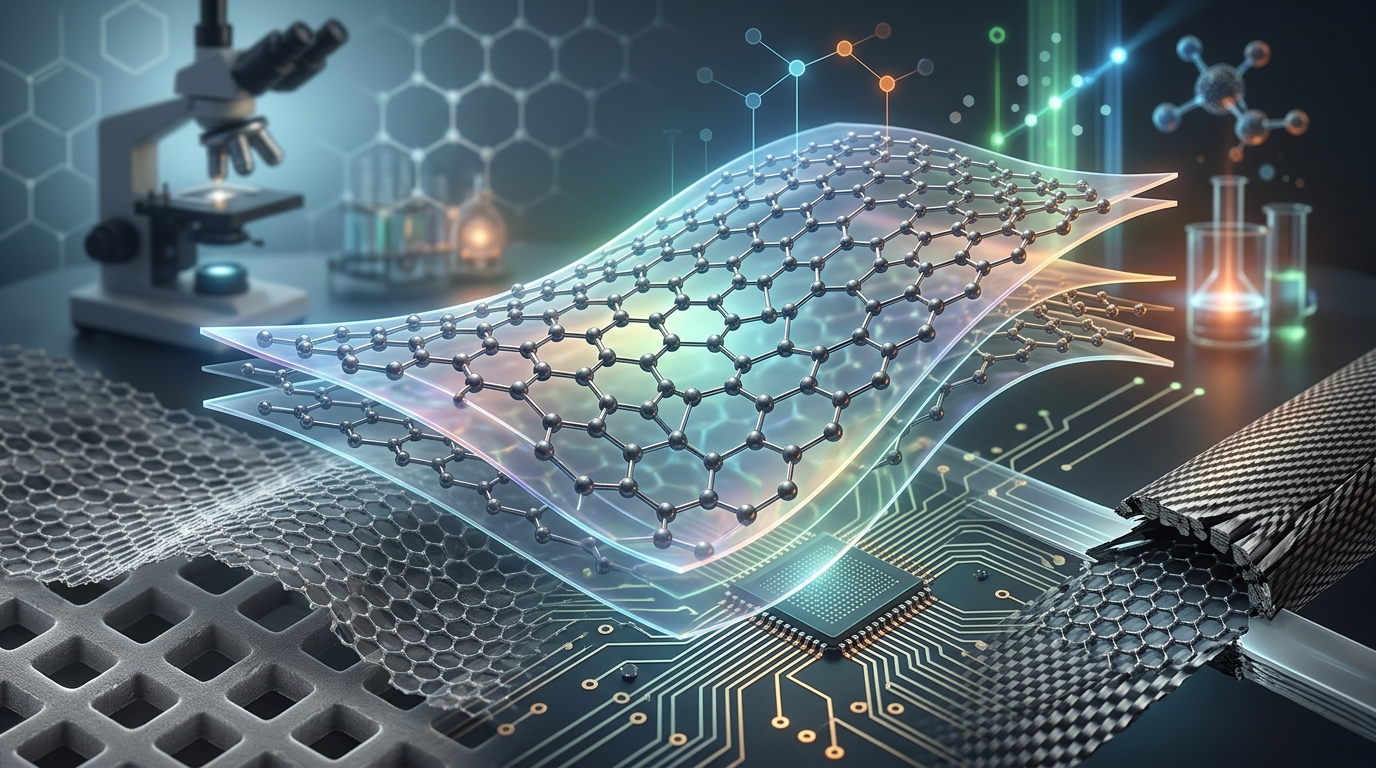
A graphene coating is an advanced liquid protective treatment engineered by dispersing graphene derivatives—such as graphene oxide (GO) or reduced graphene oxide (rGO)—into liquid polymer or ceramic resin matrices. While frequently marketed as a revolutionary single-atom barrier, commercial formulations are actually high-performance composite coatings. By integrating two-dimensional carbon nanomaterials into established polysilazane, siloxane, or silicon dioxide (SiO2) binders, these coatings deliver measurable improvements in hydrophobicity, thermal dissipation, flexibility, and resistance to water spotting compared to traditional surface protectants.
What Is a Commercial Graphene Coating?
In retail and industrial surface protection, the term “graphene coating” does not refer to a continuous, freestanding sheet of pristine single-layer carbon produced via Chemical Vapor Deposition (CVD). Applying a pure, atomically thin monolayer of carbon onto complex, three-dimensional surfaces like vehicle panels, boat hulls, or industrial pipework is not chemically feasible in ambient liquid environments.
Instead, commercial graphene coatings are hybrid composite formulations. They consist of micro- or nanoscale graphene platelets dispersed at low concentrations (typically ranging from less than 1% to roughly 5% by weight) within a carrier resin. The primary components include:
- Base Resin Matrix: The structural backbone usually consists of polysilazanes (organic or inorganic) or siloxanes. Polysilazanes cure in the presence of ambient humidity to form dense, cross-linked silicon-nitrogen-carbon (Si-N-C) or silicon-oxygen networks that chemically bond to the substrate.
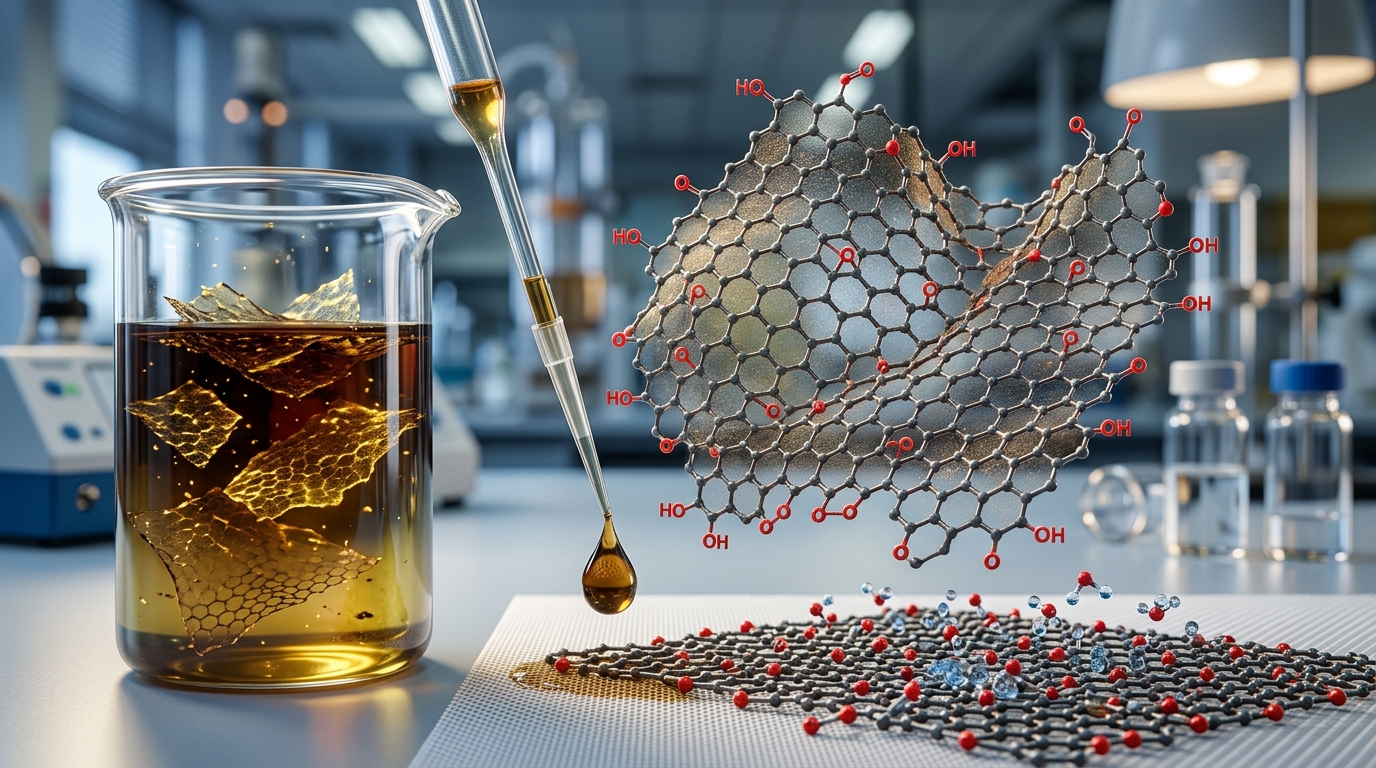
- Graphene Derivatives (GO / rGO / GNPs): Graphene oxide (GO) contains oxygen-bearing functional groups (hydroxyl, carboxyl, and epoxy sites). These polar chemical handles allow the platelets to remain stably suspended in liquid formulations and bond with silane coupling agents (such as APTES), anchoring the carbon platelets directly into the polymer network.
- Carriers and Solvents: Volatile organic compounds and petroleum distillates keep the resin and nanoparticles in a homogeneous liquid state during application, evaporating during the flashing process to initiate cross-linking.
Graphene Coating vs. Traditional Ceramic Coating
Traditional ceramic coatings rely on SiO2, titanium dioxide (TiO2), or basic polysiloxanes to form a rigid, glassy barrier over painted or metallic surfaces. While effective, ceramic coatings have known limitations, including a tendency to accumulate hard water mineral spots and a susceptibility to micro-cracking under severe thermal expansion. Infusing graphene derivatives into the resin matrix alters several physical and thermal properties.
| Performance Metric | Traditional Ceramic Coating (SiO2 / TiO2) | Graphene-Infused Coating (GO/rGO + Resin) |
|---|---|---|
| Water Spot Resistance | Moderate to Low: High bead retention traps standing water, and thermal heat absorption accelerates mineral baking into the clear coat. | Superior: Lower water sliding angles facilitate rapid runoff, while enhanced heat dissipation prevents concentrated mineral etching. |
| Water Contact Angle | Typically 100° to 110° | 110° to 118°+ (produces extreme water beading and sheet evacuation) |
| Thermal Dissipation | Low: Absorbs and retains solar heat on dark substrates. | Enhanced: Conductive carbon network distributes thermal energy across the surface, reducing localized surface temperatures. |
| Surface Slickness & Dust Attraction | Moderate surface slip; often susceptible to static charge generation that attracts fine dust. | High slickness (lower dynamic coefficient of friction); natural electrical conductivity reduces static dust accumulation. |
| Flexibility & Tensile Strength | Hard but inherently brittle; prone to micro-fissures during thermal cycling of flexible panels. | Enhanced tensile resilience; two-dimensional platelets reinforce the resin matrix against thermal contraction and expansion. |
The Science of Reduced Water Spotting
One of the main practical advantages of a graphene coating over a standard ceramic coating is its resistance to mineral etching (water spots). Standard ceramic coatings produce high contact angles, causing water to form tight, spherical beads. When a vehicle sits under direct sunlight, these beads act as miniature lenses while the silica layer absorbs solar heat. As the water evaporates rapidly, dissolved minerals (calcium and magnesium carbonates) bake directly onto or into the resin matrix.
Graphene-infused formulations improve performance in two ways:
- Lower Sliding Angle: While maintaining a high contact angle (>110°), the lower dynamic friction allows beads to roll off panels at shallower angles of incline rather than pooling.
- Thermal Distribution: The interconnected carbon platelets assist in conducting and dissipating heat across the coated panel rather than insulating it, slowing localized evaporation rates and mitigating the baking effect of mineral deposits.
Primary Cross-Industry Use Cases
Because graphene-reinforced resin systems improve chemical resistance, surface slickness, and thermal stability, their use extends well beyond personal automotive maintenance.
1. Automotive Surface Protection
In automotive detailing, graphene coatings are applied across multiple exterior substrates:
- Clear Coats and Paintwork: Protects against ultraviolet (UV) degradation, bird droppings, bug splatter, and acid rain etching.
- Wheels and Brake Calipers: Withstands temperatures generated during braking while repelling corrosive, ferrous brake dust via anti-static and non-stick properties.
- Exterior Plastics and Polycarbonate Trim: Restores deep color saturation and shields unpainted plastics from UV-induced oxidation and chalking.
2. Marine Applications
Marine environments subject coatings to aggressive saltwater exposure, continuous UV radiation, and biological fouling. Graphene coatings serve as foul-release topcoats for hulls and running gear. Unlike toxic antifouling paints that leach biocides into waterways, graphene coatings provide an ultra-slick, low-surface-energy barrier that physically impairs the adhesion of biofilms, algae, and barnacles, allowing them to slough off when the vessel is underway.
3. Aerospace and Aviation
Aviation applications require coatings that can endure extreme temperature cycling, high aerodynamic friction, and severe UV radiation at high altitudes. Graphene-enhanced primers and topcoats provide lightweight barrier protection on aluminum alloys and carbon-fiber composite airframes, assisting in ice release and improving surface durability without adding unnecessary structural weight.
4. Industrial Infrastructure and Anti-Corrosion
In structural steelwork, storage tanks, and offshore marine pipelines, graphene coatings provide corrosion protection through a mechanism known as the tortuous path. When water, dissolved chlorides, and oxygen attempt to penetrate a standard polymer barrier, they travel in relatively direct lines toward the underlying metal substrate. Graphene nanoplatelets act as impermeable physical obstacles, forcing corrosive agents to diffuse through a complex, winding pathway around the planar platelets. This delay dramatically slows the onset of oxidation and under-film corrosion.
Application Process, Curing Requirements, and Longevity
Proper surface preparation dictates the overall performance and lifespan of any graphene coating. The resin requires direct chemical access to bare, decontaminated substrate pores to form covalent and mechanical bonds.
Step-by-Step Application Protocol
- Decontamination Wash: The substrate is thoroughly cleaned with a dedicated automotive shampoo to remove loose road film, grease, and dirt.
- Mechanical and Chemical Decontamination: A clay bar treatment removes embedded particulate matter (industrial fallout, rail dust). Iron-remover sprays chemically dissolve sintered ferrous deposits.
- Machine Correction (Polishing): Any scratches, swirls, or existing clear-coat defects must be polished out beforehand; once the graphene coating cross-links, defects beneath it cannot be removed without abrading the coating away.
- Solvent Panel Wipe: An Isopropyl Alcohol (IPA) solution or dedicated solvent degreaser removes all residual polishing oils, silicones, and waxes, leaving a clean surface.
- Application: Using a specialized foam applicator block wrapped in a lint-free microfiber suede cloth, the technician applies 8–10 drops of the coating. The product is leveled across the panel in straight, cross-hatch (overlapping horizontal and vertical) strokes, working in manageable sections (typically 2 × 2 feet).
- Flashing and Leveling: As the solvents evaporate, the product displays a visual “flash”—often appearing as an oil-slick rainbow effect or sweat-like beads. After the specified flash window (typically 1 to 5 minutes, depending on ambient temperature and relative humidity), the high spots and carrier residues are leveled with a plush microfiber towel and buffed with a second clean towel.
Curing Timeline
The cross-linking of polysilazane and siloxane binders occurs through moisture-curing reactions with ambient humidity:
- Dry-to-Touch: 1 to 4 hours post-application.
- Moisture Exposure Window: The surface must remain completely dry and protected from rain, dew, or condensation for at least 24 to 48 hours. Premature exposure can cause spotting, clouding, or improper polymer crystallization.
- Full Chemical Cure: Complete cross-linking takes 7 to 14 days. During this window, the surface should not be subjected to aggressive detergents, degreasers, or high-friction mechanical car washes.
Realistic Longevity Expectations
Longevity claims vary significantly depending on the specific formulation architecture and real-world maintenance:
- Consumer Spray-On Graphene Hybrids: Contain lower resin solid concentrations and smaller nanoparticle loads. Longevity averages 6 to 12 months.
- Consumer Bottled Formulations (Mid-Tier): Moderate resin solids requiring meticulous prep. Lifespan typically ranges from 2 to 4 years.
- Professional High-Solids Systems: Applied in controlled environments with specialized heat curing or infrared (IR) lamps. Longevity spans 5 to 9+ years, provided periodic decontamination and maintenance washes are performed.
Marketing Hype vs. Material Science Realities
The commercial marketing of graphene coatings often exaggerates basic material science concepts. Discerning verified technical mechanisms from promotional claims helps set realistic expectations.
The “Single-Atom Super-Shield” Fallacy
The Claim: Advertisements frequently claim that a liquid coating wraps the vehicle in an impenetrable, single-atom-thick armor that is “200 times stronger than steel.”
The Reality: Monolayer graphene with ideal theoretical tensile properties can only be produced via precision laboratory methods onto target substrates under vacuum. Liquid bottled products contain bulk dispersions of microscale multi-layer graphene oxide, reduced graphene oxide, or graphene nanoplatelets functioning as additive structural reinforcement within a standard ceramic/silicone resin base. The bulk coating’s structural limits remain defined by the polymer matrix.
The “10H Hardness” Confusion
The Claim: Many brands advertise “10H” hardness, leading consumers to believe the coating is nearly as hard as diamond on the Mohs mineral scale.
The Reality: In surface coating standards, “10H” refers to the Wolf-Wilburn Pencil Hardness Test (ASTM D3363), which evaluates resistance to scratch gouging by graphite pencil leads ranging from 6B (softest) to 9H/10H (hardest). A 10H pencil hardness rating provides excellent resistance against fine wash swirls, towel marring, and light abrasion, but it will not stop high-velocity stone chips, deep vandalism scratches, or curb rash.
Galvanic Corrosion Risks in Unrefined Formulations
Pure pristine graphene is an exceptional electrical conductor. If raw, unfunctionalized graphene sheets are improperly blended without an electrically insulating polymer shell and applied to bare, defective metallic surfaces, they can theoretically create a galvanic couple with the underlying metal, accelerating localized galvanic corrosion under certain electrolyte-rich conditions. High-quality commercial formulations prevent this by utilizing silane-functionalized graphene oxide or reduced graphene oxide, which maintains chemical compatibility and ensures individual platelets are electrically insulated within the cured polysilazane dielectric matrix.
Maintenance Best Practices
To preserve the hydrophobic properties and chemical resistance of a graphene-coated surface, routine care should follow these guidelines:
- pH-Neutral Maintenance Washes: Wash the surface every two to three weeks using a pH-neutral automotive shampoo free of added gloss-enhancing waxes or silicone sealants, which can temporarily mask the coating’s hydrophobic properties.
- The Two-Bucket Wash Method: Always use separate wash and rinse buckets equipped with grit guards, alongside clean microfiber wash mitts, to minimize abrasive grit dragging across the panels.
- Chemical Decontamination: Every 6 to 12 months, treat the surface with a dedicated iron-fallout remover and tar remover to dissolve embedded airborne particles and road grime that slowly diminish water beading.
- Graphene Detailer Boosters: Apply a light graphene-infused spray sealant or quick detailer every 3 to 6 months after washing to rejuvenate sacrificial surface slickness and maintain contact angles.
Health, Safety, and Application Precautions
Applying professional liquid coatings requires standard personal safety precautions. Solvents used to suspend polysilazanes and graphene nanoplatelets are volatile organic compounds that emit vapors during the flashing phase.
- Ventilation: Always apply liquid coatings in a well-ventilated garage or workshop. Avoid applying coatings outdoors in direct sunlight or high-wind environments where particulate debris can settle into uncured resin.
- Personal Protective Equipment (PPE): Wear chemical-resistant nitrile gloves to prevent dermal absorption of solvents and silanes. Use a NIOSH-approved organic vapor respirator when applying bottled coatings in enclosed spaces.
- Aerosolization Caution: If applying graphene formulations via pressurized spray guns (common in industrial and high-end automotive shops), comprehensive respiratory protection and overspray extraction booths are mandatory to avoid inhaling aerosolized nanoparticles and resin mists.