
Graphene Jacket
What Is a Graphene Jacket?
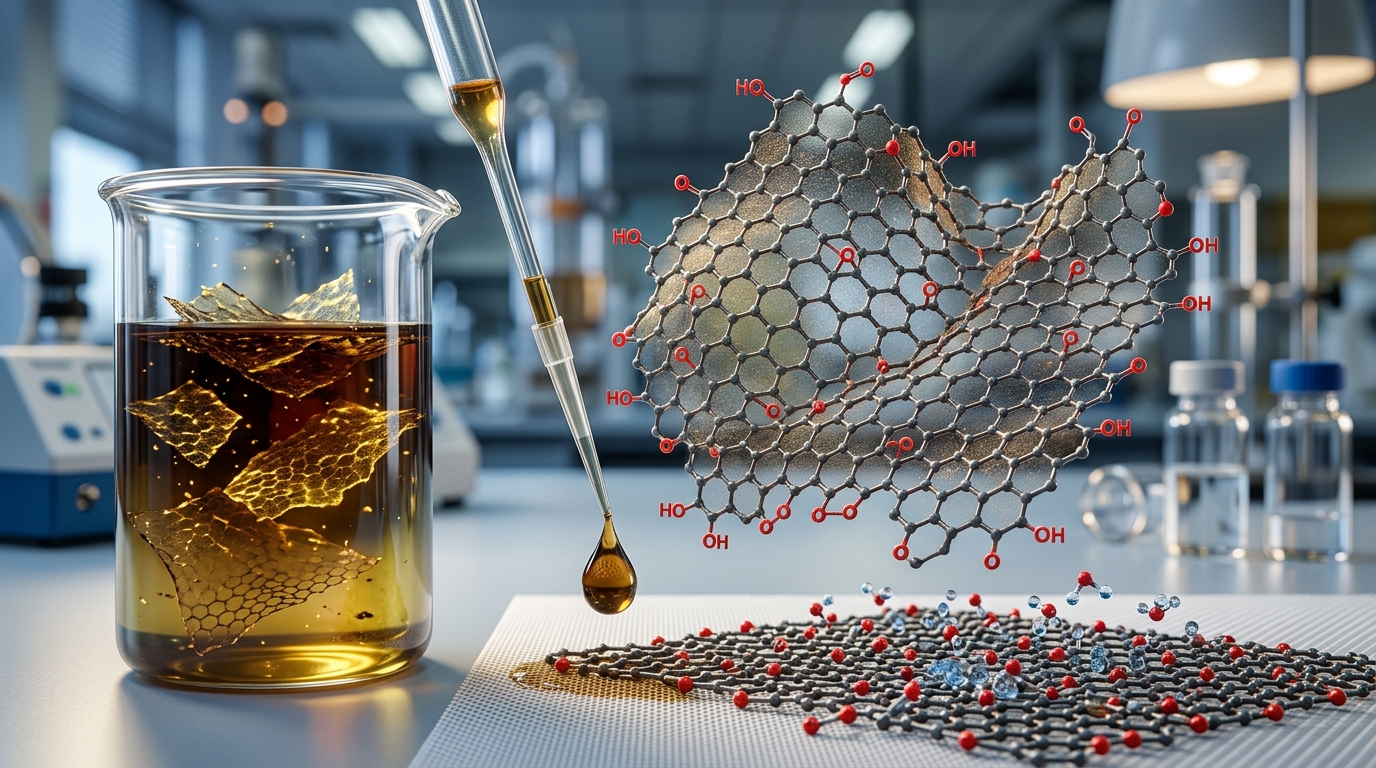
A graphene jacket is a technical outerwear garment that incorporates carbon nanomaterials—specifically graphene nanoplatelets (GNPs) or reduced graphene oxide (rGO)—into its fabrics, membranes, or heating elements. While promotional campaigns often describe these garments as utilizing atomic-scale “wonder materials” capable of miraculous thermal feats, the commercial reality is grounded in practical textile engineering. Instead of pure single-atom-thick sheets, outerwear manufacturers use micro-thin carbon additives to enhance heat distribution, improve abrasion resistance, or construct flexible, low-voltage heating elements.
For outdoor enthusiasts, commuters, and technical apparel buyers, understanding the difference between commercial claims and actual garment construction is critical. Graphene jackets generally fall into two categories: passive thermal shells that use material conductivity to equalize body temperature, and active heated jackets that use battery power to generate warmth through printed graphene circuits. Evaluating whether one of these jackets belongs in your gear wardrobe requires looking past the laboratory superlatives to see how the material actually performs on the trail or in the city.
How Graphene Is Integrated into Outerwear
Free-standing, pristine monolayer graphene cannot simply be woven into a coat like traditional yarn. Because isolating defect-free monolayer graphene at textile scale remains impossible, manufacturers utilize specialized integration methods using graphene-related materials (GRMs) suspended in binders, melted into polymers, or printed onto backer fabrics.
1. Fiber-Level Extrusion (Melt Spinning)
In this method, graphene masterbatches are blended directly into synthetic polymer chips, usually nylon (polyamide) or polyester, before the molten material is extruded through spinnerets to produce continuous filament yarns. This approach embeds microscopic graphene nanoplatelets throughout the internal core and outer sheath of every fiber. Because the nanomaterial is locked inside the synthetic matrix, it cannot easily wash away during laundering, making fiber-level extrusion one of the most durable integration methods available.
2. Membrane Infusion and Laminates
Most waterproof, breathable jackets rely on a layered construction consisting of a face fabric, a middle microporous or monolithic membrane, and an inner lining. In a graphene laminate, nanoplatelets are compounded into the polymer matrix—typically thermoplastic polyurethane (TPU) or electrospun polyester—prior to film casting. This creates a technical membrane intended to balance hydrostatic resistance with improved heat dissipation and structural stability across the garment’s mid-layer.
3. Printed Surface Coatings and Conductive Inks
Surface printing applies water- or solvent-based graphene inks directly onto the inner face of the jacket shell or the fabric backer. Specialized planar patterns—such as hexagonal grids or geometric circuits—are applied via screen printing or roller transfer. This technique places the nanomaterial in close proximity to the wearer’s base layers, facilitating body heat redistribution across localized hot spots. However, printed inks depend heavily on binder quality to withstand friction and repeated washing.
4. Active Electrothermal Heating Panels
Rather than relying purely on passive thermal management, active graphene jackets integrate flexible, conductive graphene ribbons or laminated carbon-graphene films. These thin elements act as low-voltage resistive heating loops wired to an internal USB connector. When connected to a standard 5V or 9V power bank, the panels convert electrical energy into radiant heat, delivering warmth directly to the chest, upper back, or pockets without the stiff, bulky copper wires found in older heated apparel.
Active Battery-Heated vs. Passive Thermal-Regulating Shells
When shopping for a graphene jacket, identifying the distinction between active and passive engineering is the most important functional decision you will make.
- Passive Graphene Shells: These jackets contain no wiring, electronics, or battery packs. They rely on the inherent thermal conductivity of graphene-infused textiles to spread heat away from high-sweat, high-output zones (such as the center back) toward cooler exterior zones. They also absorb ambient warmth from sunlight and emit far-infrared energy. They do not generate heat independently; their warmth is limited by your personal metabolic output and the insulation of your layering system.
- Active Heated Jackets: These garments incorporate integrated heating pads powered by an external USB battery pack. By pushing a control button on the lapel or hem, you can cycle through temperature presets. Graphene ribbons heat up almost instantaneously and bend naturally with your body. While they provide true on-demand warmth in sub-zero conditions, they add the weight of a battery pack and introduce electronic components that require cautious maintenance.
Performance Claims vs. Textile Reality
Outerwear marketing frequently borrows the extraordinary theoretical properties of pristine graphene—such as being 200 times stronger than steel or possessing near-infinite electrical conductivity—and suggests that the jacket inherits those identical traits. In commercial textiles, however, graphene is blended in dilute concentrations (often between 0.5% and 3% by weight). Here is how core performance claims translate to real-world use.
Thermal Regulation
The Claim: The jacket provides infinite warmth and automatically balances your climate across all weather conditions.
The Reality: Graphene is an exceptional thermal conductor, and in textiles, it works primarily as a heat equalizer. It helps dissipate thermal energy away from localized core hot spots, reducing clamminess and sweat buildup during aerobic activity. While it can reflect far-infrared body heat back to the skin, a passive graphene shell cannot replace high-loft insulation like down or heavy fleece in deep cold. Active heat requires an external power source.
Electrical Conductivity
The Claim: The entire jacket acts as an interactive smart garment with integrated wearable computing.
The Reality: In passive jackets, graphene’s electrical conductivity functions mainly as an effective antistatic barrier, preventing synthetic cling and reducing lint attraction. In active garments, conductivity is channeled through discrete heating ribbons, not the entire textile surface.
Tensile and Abrasion Strength
The Claim: Graphene makes the jacket virtually indestructible and rip-proof.
The Reality: Compounding graphene nanoplatelets into polyurethane membranes or nylon fibers yields modest mechanical gains—typically improving tear strength and Martindale abrasion resistance by 10% to 30%. However, overall structural durability is still determined by the underlying weave, denier count, and face fabric construction.
Waterproofing and Breathability
The Claim: Graphene creates an impervious, perfectly breathable barrier.
The Reality: Weather protection depends entirely on the host membrane and durable water repellent (DWR) coating. Graphene does not automatically make a jacket waterproof. In fact, if surface inks or coatings are applied too densely without careful engineering, they can clog micropores and reduce the garment’s Moisture Vapor Transmission Rate (MVTR).
Notable Brands and Available Products
Several progressive outerwear brands have introduced commercial products that incorporate graphene into real-world technical gear:
- Vollebak: Known for avant-garde textile experimentation, Vollebak released its original Graphene Jacket as an experimental shell featuring a high-stretch nylon base laminated with a graphene-coated membrane. Priced between $695 and $995, it was engineered as a reversible design capable of absorbing solar heat and transferring it inward. Vollebak has also collaborated with the National Graphene Institute in Manchester on experimental prototypes, such as their Thermal Camouflage Jacket.
- Colmar (with Directa Plus): High-end skiwear manufacturer Colmar partnered with nanomaterial producer Directa Plus to incorporate certified G+ (Graphene Plus) into technical ski jackets ranging from $600 to $1,200. These garments use printed planar circuits on the interior lining to redistribute body heat evenly while skiers transition between vigorous downhill runs and stationary chairlift rides.
- Graphene-X: This technical apparel brand focuses on everyday adventure gear, producing items like the Alpha Series 3L Jacket ($399) and the Nomad(e) lightweight shell ($260). Graphene-X integrates graphene into a 3-layer waterproof-breathable membrane rated at 20,000mm hydrostatic head and 20,000 g/m²/24h MVTR, pairing it with high-abrasion face fabrics for rugged multi-day use.
- Gamma / Wear Graphene: Originating from crowdfunding campaigns, the Gamma All-Season Jacket ($200 to $350) represents the active heated category. It features a graphene-infused outer shell paired with three built-in carbon/graphene heating panels powered by a standard 5V power bank, targeting all-weather commuters and cold-weather travelers.
Cutting Through the Marketing Hype
Because graphene remains a buzzword in consumer product marketing, buyers should be wary of several common promotional tactics:
- The Pristine Monolayer Fallacy: Advertisements citing Nobel Prize-winning research on single-atom carbon sheets are describing laboratory physics, not commercial garment manufacturing. Apparel uses bulk nanoplatelet powders or functionalized flake suspensions mixed into standard carrier polymers.
- Unsubstantiated Health and Bio-Resonance Claims: Certain brands claim that their graphene jackets “block 5G radiation,” “stimulate cellular detoxification,” or “cure chronic muscle inflammation.” These assertions lack validated clinical trials and should be viewed purely as unverified marketing claims.
- Wash-Off Vulnerability in Budget Apparel: Inexpensive jackets claiming graphene integration often use cheap surface-sprayed inks with low-grade binders. After a handful of wash cycles, these surface treatments can flake off, shedding their modest thermal benefits down the drain.
Sustainability and Environmental Footprint
The environmental impact of graphene-enhanced outerwear is nuanced. On one hand, adding graphene nanoplatelets to synthetic fibers can extend garment lifespans by increasing abrasion resistance, reducing the frequency of gear replacement. Furthermore, active graphene heating allows users to wear lighter outer shells instead of purchasing multiple heavy parkas.
On the other hand, textile recyclability presents a challenge. Compounding nanomaterials into synthetic polymers creates composite textile blends that are exceedingly difficult to separate using traditional mechanical or chemical textile recycling infrastructure. As technical apparel moves toward circular closed-loop manufacturing, garments containing embedded nanomaterials may require specialized processing to prevent microplastic shedding and composite contamination.
Buyer’s Guide: Key Selection Criteria
Before purchasing a graphene jacket, evaluate the following technical specifications to ensure you are getting genuine performance rather than promotional branding:
- Integration Method: Determine whether the graphene is melt-spun into the yarn (highest wash durability), infused into a waterproof membrane (balanced weatherproofing and durability), or printed on the surface lining (check wash ratings and manufacturer guarantees).
- Standardized Weatherproofing Metrics: Look for independent laboratory ratings. A high-performance technical shell should offer a minimum Hydrostatic Head rating of 15,000 to 20,000 mm (waterproofness) and an MVTR of at least 15,000 to 20,000 g/m²/24h (breathability). If a brand highlights graphene but refuses to disclose standard waterproof/breathable ratings, exercise caution.
- Active vs. Passive Mechanics: Decide whether your primary use case demands battery-powered active warmth (best for low-movement cold activities like spectating, hunting, or urban commuting) or passive thermal equalization (best for high-output hiking, mountaineering, or ski touring).
- Power Bank Compatibility: For active heated jackets, ensure the integrated connection uses universal USB-A or USB-C interfaces rather than proprietary barrel connectors, allowing you to use off-the-shelf power banks.
Care, Maintenance, and Washing Instructions
Proper maintenance ensures that technical coatings remain intact and integrated electronics continue to function safely over seasons of use.
- Disconnect Power Sources: For active heated garments, always remove the external power bank before cleaning. Ensure the internal USB cable connector is capped or tucked securely into its zippered waterproof pocket.
- Wash Cycle and Temperature: Wash on a gentle, delicate machine cycle using cool or lukewarm water (30°C to 40°C / 85°F to 105°F). Avoid high-spin cycles that apply heavy mechanical shear to laminated membranes or conductive circuits.
- Detergent Selection: Use a specialized liquid cleaner designed for technical outerwear (such as Nikwax Tech Wash or Grangers). Never use fabric softeners, bleach, or powdered detergents, as these coat membrane pores and abrade conductive printed patterns.
- Drying Procedures: Hang drying is the safest method for both active and passive graphene outerwear. If care tags permit tumble drying, use low heat settings briefly to reactivate the exterior durable water repellent (DWR) finish without risking delamination of the membrane bonds.
Price Range and Value Proposition
Graphene outerwear commands a distinct price premium over standard consumer jackets. Below is how it compares to established technical outerwear categories:
| Outerwear Category | Average Price Range | Key Advantages | Trade-offs & Limitations |
|---|---|---|---|
| Graphene Technical Shells (e.g., Graphene-X, Vollebak) |
$350 – $1,000+ | Fast thermal equalizing, antistatic interior, incremental abrasion gains. | Substantial price premium; minor thermal difference compared to well-vented 3L shells. |
| Graphene Heated Jackets (e.g., Gamma / Wear Graphene) |
$200 – $400 | On-demand adjustable heat; flexible, flat heating elements. | Added battery pack weight; potential long-term electronic wear points. |
| Traditional Gore-Tex Shells (e.g., Arc’teryx, Patagonia) |
$300 – $750 | Industry-standard waterproof reliability; proven breathability; established warranty programs. | Susceptible to internal heat buildup during intense uphill ascents without mechanical venting. |
| Merino & Synthetic Mid-Layers (e.g., Polartec, Smartwool) |
$120 – $300 | High lofted dead-air thermal insulation; natural odor control; lightweight packability. | Bulkier profile under shells; synthetic lofts lack active temperature adjustability. |
The Final Verdict
Is a graphene jacket worth the investment? For everyday consumers who already own a reliable technical layering system, a passive graphene shell represents an experimental, luxury upgrade rather than an essential survival tool. The modest thermal redistribution and abrasion gains, while real, rarely justify replacing a well-engineered 3-layer Gore-Tex or proprietary membrane jacket.
However, if you are looking for an active heated jacket, graphene ribbon heating panels represent a genuine leap forward over old-fashioned, stiff wire coils, delivering flexible, uniform warmth. Similarly, for technical gear enthusiasts intrigued by cutting-edge materials, graphene shells from reputable technical brands offer a fascinating look at the future of advanced textile engineering.