Graphene Coat
In recent years, automotive detailing has seen a surge in surface protection products marketed under the banner of the graphene coat. Promoted as the next evolutionary leap beyond conventional silicon dioxide (SiO2) ceramic coatings, these formulations are frequently advertised as impenetrable shields offering extreme hardness, self-cleaning abilities, and unprecedented heat dissipation.
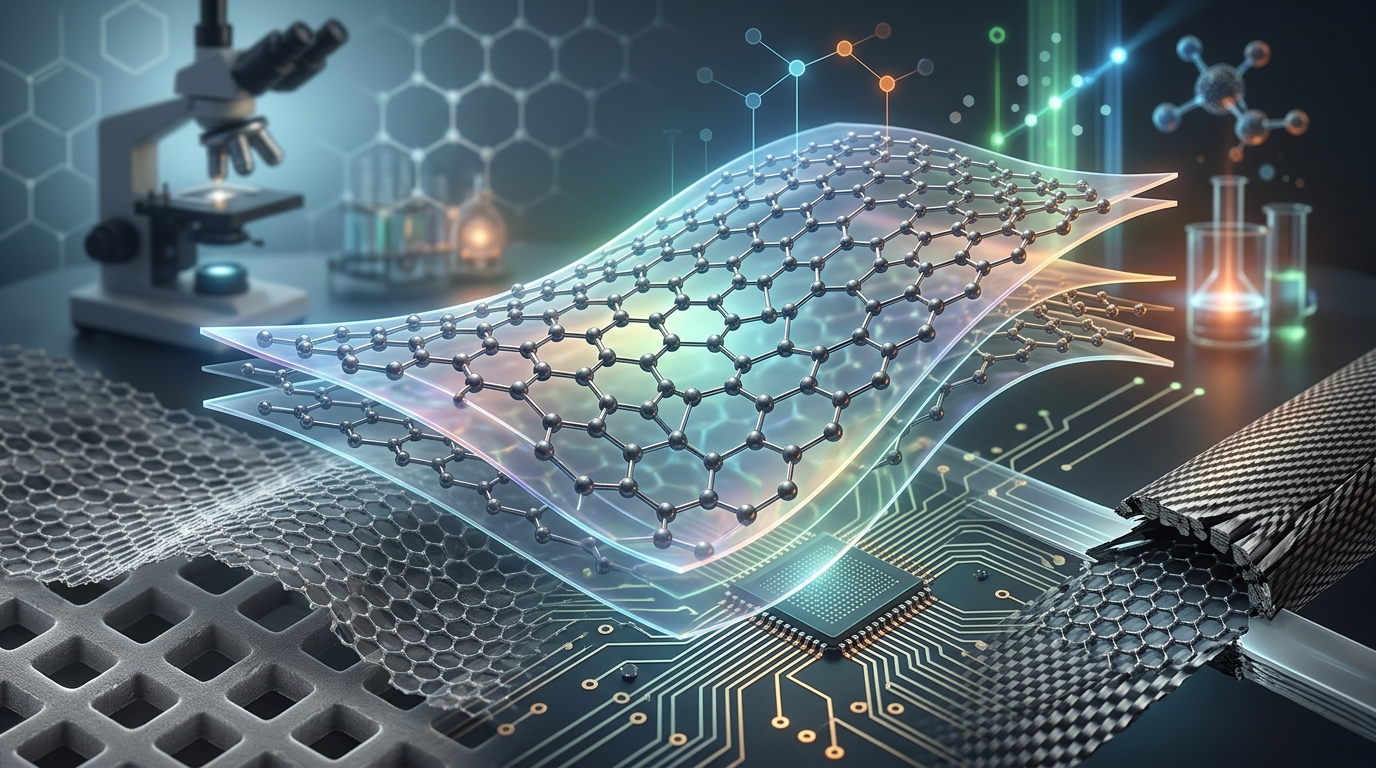
Separating verified surface science from detailing industry hyperbole requires examining what these products actually contain. Commercial graphene coatings are not continuous sheets of pure two-dimensional carbon. Instead, they are specialized hybrid formulations that blend nanomaterials with traditional ceramic polymers to alter surface behavior and chemical resilience.
What Is a Commercial Graphene Coat?
To understand the function of a commercial graphene coat, one must first dismantle the primary misconception created by product marketing: vehicle paint cannot be wrapped in pure, continuous monolayer graphene. Monolayer graphene cannot remain suspended in standard fluid solvents without immediate agglomeration, nor can it bond as a standalone crystal lattice to an automotive clear coat at ambient shop temperatures.
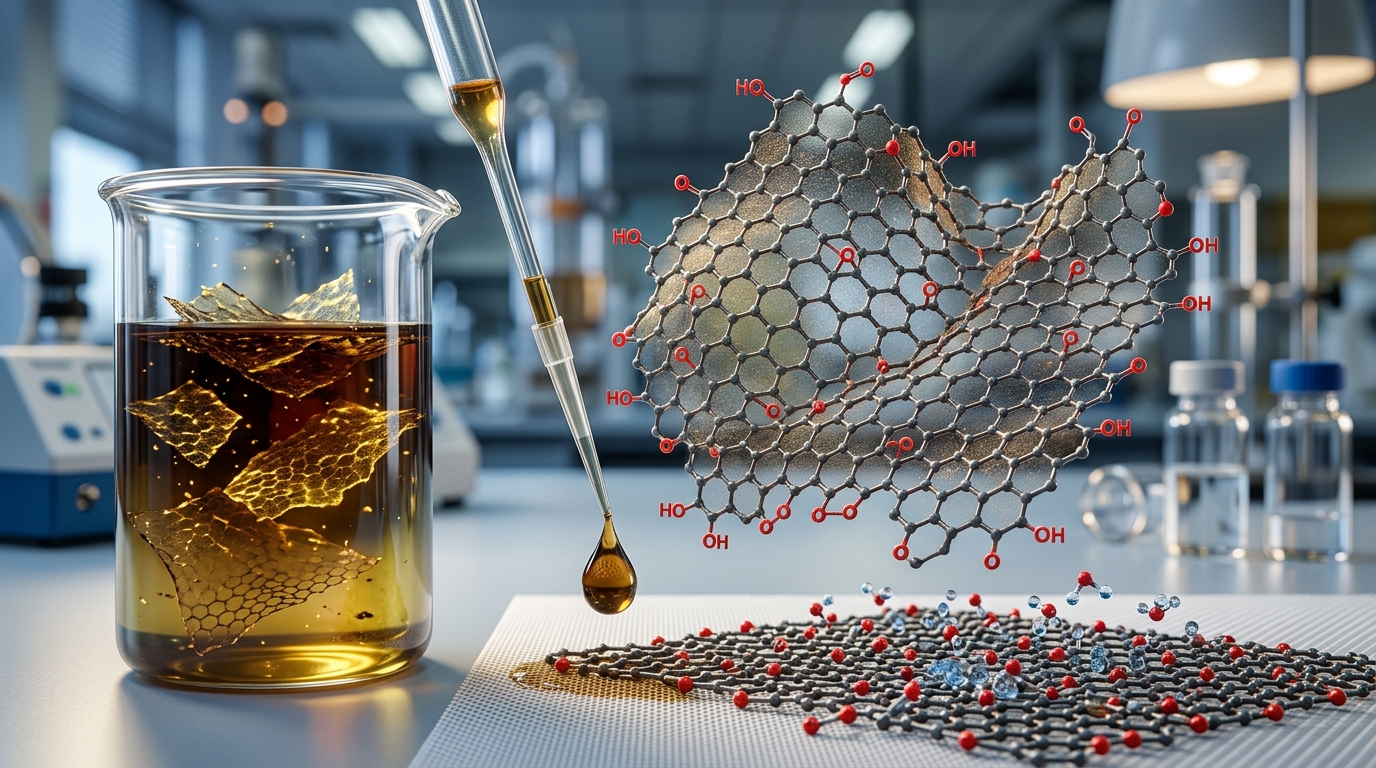
Instead, commercial graphene coatings are composite chemical matrix formulations. The structural foundation of the liquid consists of established carrier resins—principally polydimethylsiloxane (PDMS), silicon dioxide (SiO2) oligomers, or polysilazanes. These organosilicon polymers are doped with small concentrations of reduced graphene oxide (rGO) or functionalized graphene nanoplatelets, typically accounting for less than 1% to 5% of active solids in the bottled solution.
In this architecture, the siloxane backbone handles chemical cross-linking and creates the covalent bond with the vehicle’s polyurethane clear coat. The suspended rGO platelets serve as microscopic functional fillers. Dispersed throughout the cured resin, these platelets increase the structural flexibility of the ceramic lattice, modify its surface energy, and reinforce its barrier properties without hindering optical transparency.
Graphene Coatings vs. Ceramics, Sealants, and Waxes
Automotive paint protection exists across a spectrum of mechanical durability, chemical bonding, and longevity. The table below details how a graphene coat compares directly with established protection methods.
| Attribute | Carnauba / Synthetic Wax | Synthetic Polymer Sealant | SiO2 Ceramic Coating | Graphene-Infused Coating (rGO/PDMS) |
|---|---|---|---|---|
| Primary Chemistry | Natural carnauba esters, paraffin wax | Synthetic polymers, acrylic resins | Silanes, polysilazane, SiO2 oligomers | rGO platelets in SiO2 / PDMS resin |
| Bonding Mechanism | Mechanical surface tension (adhesion) | Electrostatic / surface polarity | Covalent siloxane bonds (Si-O-Si) | Covalent cross-linking via host resin |
| Typical Layer Thickness | < 0.05 μm | 0.1 – 0.5 μm | 1.0 – 2.5 μm (per layer) | 1.0 – 2.5 μm (per layer) |
| Real-World Durability | 4 – 8 weeks | 3 – 6 months | 2 – 5 years | 3 – 5 years (under proper care) |
| Water Contact Angle | 85° – 95° | 90° – 100° | 105° – 115° | 110° – 118° |
| Heat / Chemical Tolerance | Low (softens at > 80°C; pH 5–8) | Moderate (pH 4–10) | High (> 400°C; pH 2–12) | High (> 400°C; pH 2–13) |
While traditional waxes rely on temporary surface adhesion that quickly degrades under road film and wash detergents, ceramic and graphene products form hardened, semi-permanent sacrificial layers that measure 1.0 to 2.5 microns thick per applied coat. The primary distinction between traditional SiO2 ceramics and graphene formulations lies in surface behavior and subtle structural dynamics rather than a total transformation of the underlying chemistry.
Advertised Claims vs. Detailing Reality
The aggressive marketing surrounding graphene coatings has attributed extraordinary properties to automotive paint protection. Evaluating these claims against physical testing clarifies what users should realistically expect.
1. Panel Heat Dissipation
The Claim: Because isolated graphene exhibits thermal conductivity up to 5,000 W/m·K, marketing materials claim a graphene coat draws infrared heat away from the vehicle panel, keeping surfaces cooler and preventing baked-on water spots.
The Reality: Dispersed reduced graphene oxide platelets suspended in an insulating polymer matrix at a film build of only 1 to 2 microns cannot meaningfully conduct heat across an entire steel, aluminum, or composite panel. Controlled infrared surface temperature measurements demonstrate that vehicles treated with graphene coatings achieve virtually identical surface temperatures under direct solar radiation as panels treated with traditional SiO2 ceramic coatings.
2. Reduction of Water Spotting
The Claim: Graphene eliminates water spotting, mineral etching, and calcium deposits entirely.
The Reality: There is a modest, demonstrated improvement in water spot behavior, but not an absolute prevention. Traditional SiO2 coatings possess a natural chemical affinity for silicate-based minerals and can hold onto deposits due to micro-porosity. Graphene-infused PDMS coatings create lower surface friction, yielding a lower water slide angle (approximately 10° to 15°). This allows droplets to roll off flat horizontal surfaces more easily during rain or motion.
However, if hard water containing dissolved calcium, magnesium, or municipal chlorine settles on a horizontal panel and fully evaporates under intense sunlight, the remaining mineral salts will still etch the sacrificial coating. Graphene makes the spots easier to chemically dissolve during routine maintenance, but it does not make paint immune to etching.
3. Hydrophobicity and Water Evacuation
The Claim: Graphene provides revolutionary superhydrophobicity far beyond any existing coating technology.
The Reality: Graphene coatings deliver exceptional hydrophobic behavior, with static water contact angles reaching between 110° and 118°. This creates round, tight water beading. However, this high contact angle is fundamentally driven by the functionalized PDMS and siloxane chemistry used as the carrier base, rather than the rGO itself. The primary behavioral advantage is water sheeting: water clears rapidly from panels when rinsed with low pressure, which accelerates drying and reduces wash-induced marring.
4. Scratch and Rock Chip Resistance
The Claim: Graphene coats act as liquid armor that prevents stone chips, road debris impacts, and scratches.
The Reality: This claim is false. A coating measuring approximately 2 microns in thickness lacks the physical mass and elasticity required to dissipate the kinetic energy of an airborne rock or intentional abrasive contact. A graphene coat provides high surface slickness, which reduces micro-marring caused by wash mitts dragging dirt particles across the clear coat. For genuine stone chip protection, vehicle owners require Paint Protection Film (PPF), which uses 150 to 200 microns of thermoplastic polyurethane to physically absorb road impacts.
Debunking Marketing Pseudoscience
Consumer confusion around graphene coatings stems from several recurring marketing assertions that misrepresent standardized testing standards.
The “10H” Hardness Fallacy
Many graphene product bottles feature prominent badges proclaiming “10H Hardness” or even “12H Hardness.” These claims represent a misapplication of testing standards.
- Pencil Hardness vs. Mineral Hardness: The coating industry evaluates surface hardness using the ASTM D3363 / ISO 15184 Wolff-Wilborn Pencil Test, which pushes calibrated graphite pencil leads across a coated plate at a fixed 45-degree angle.
- Scale Ceilings: The standardized Wolff-Wilborn scale technically caps out at 9H (the hardest standard graphite pencil, descending through H, HB, and down to soft 9B leads). Ratings such as “10H” or “12H” do not exist within standardized ASTM testing protocols.
- Mohs Scale Comparison: Detailing marketing often attempts to conflate pencil hardness with the Mohs Mineral Hardness Scale, where a diamond rates at 10 and quartz rates at 7. In reality, a genuine 9H pencil scratch rating corresponds to roughly 3 to 4 on the Mohs scale—comparable to a copper coin or a human fingernail. A cured liquid coating cannot transform standard automotive clear coat into an unscratchable mineral surface.
Claims of “100% Pure Liquid Graphene”
Products advertised as pure liquid graphene defy chemical reality. True suspended graphene in high concentrations produces a black, highly viscous sludge that cannot cure optically clear, level evenly on paintwork, or bond chemically at room temperature. Every transparent automotive coating labeled as graphene is an organosilicon resin doped with small fractions of carbon nanomaterials.
The “Self-Healing” Myth
Unlike specialized thermoplastic polyurethane films that contain self-healing polymer chains that flow and level under heat, cured liquid ceramic and graphene matrices form rigid, cross-linked glass structures. Once a scratch penetrates the cured coating, it cannot physically re-flow or heal under sunlight or boiling water. The mark must be mechanically polished out.
Durability, Lifespan, and Failure Vectors
When selecting a graphene coat, longevity depends largely on product formulation and driving conditions.
Product Categories and Lifespans
- Consumer Graphene Spray Sealants: Often water-based suspensions with lighter polysiloxane carriers. These yield 3 to 12 months of surface slickness and water repellency, serving primarily as drying aids or coating maintenance toppers.
- Bottled Professional/Enthusiast Liquid Coatings: Solvent-based, concentrated resin systems supplied in small glass bottles. These bond covalently to the paint and deliver 2 to 5 years of protection under standard maintenance schedules. Claims exceeding 5 to 7 years generally assume ideal garage storage, limited exposure to precipitation, and strict decon maintenance regimens.
Primary Vectors of Degradation
A graphene coat rarely peels or flakes away; instead, it loses performance through specific environmental mechanisms:
- Pore Clogging from Traffic Film: The nano-scale surface structure of a coating traps unwashed road oils, brake dust, and industrial fallout over time. This masks the hydrophobic characteristics, making the coating appear degraded when it simply requires a dedicated chemical decontamination wash.
- Mechanical Friction: Frequent visits to automated car washes using spinning nylon brushes impart micro-scratches that mechanically abrade away the 1-to-2-micron layer within 5 to 10 wash cycles.
- Harsh Industrial Caustics: While graphene-infused coatings tolerate a wide pH window (typically pH 2 to 13), repetitive exposure to high-alkaline touchless wash degreasers will gradually hydrolyze and erode the cross-linked siloxane network.
Application Protocol and Curing Requirements
Proper installation accounts for the vast majority of a coating’s success. Applying a graphene coat without thorough preparation will trap defects beneath the glass layer and compromise chemical adhesion.
Phase 1: Paint Preparation (Approx. 85% of Total Labor)
- Chemical Decontamination: Wash the vehicle using a dedicated, wax-free, pH-neutral car wash soap. Follow with an iron fallout remover to chemically dissolve embedded sintered brake dust particles, and use a tar solvent on lower rocker panels.
- Mechanical Decontamination: Glide an automotive clay bar or synthetic clay mitt over all painted panels using ample lubricant to extract remaining subsurface contaminants.
- Paint Correction: Inspect the paint under high-intensity inspection lighting. Use a dual-action polisher with cutting compounds and finishing polishes to eliminate swirl marks, etching, and scratches. Because the coating locks in the paint’s current condition, defects must be removed beforehand.
- Panel Preparation Wipe: Thoroughly wipe down all panels using an isopropyl alcohol (IPA) solution or a dedicated panel prep solvent. This removes all residual polishing oils, silicone fillers, and lubricants, exposing the bare clear coat for covalent bonding.
Phase 2: Coating Application and Leveling
- Section Sizing: Work on small, manageable areas, typically 2×2 or 3×3 foot sections at a time.
- Even Application: Wrap a microsuede cloth around a foam applicator block. Apply 8 to 10 drops of the graphene coating liquid onto the suede. Work in a deliberate cross-hatch pattern (horizontal passes followed immediately by overlapping vertical passes) to ensure full, uniform coverage.
- Reading the Flash Time: Within 30 seconds to 2 minutes (depending on shop temperature and ambient humidity), the coating will begin to flash. This appears as an oil-slick rainbow sheen or a visual sweating effect as carrier solvents evaporate.
- Two-Towel Leveling: Use a two-towel leveling method to prevent high spots (dark, iridescent streaks of unbuffed excess resin). Use the first short-nap microfiber towel to gently wipe down the section and pick up the bulk excess product. Follow immediately with a second clean, plush microfiber towel to buff the surface to a uniform, streak-free clarity.
Phase 3: Critical Curing Intervals
- Tack-Free Time: 1 to 4 hours after application. The vehicle should remain indoors in a clean, dust-free environment.
- Weather Exposure Window: Keep the vehicle completely dry and away from precipitation, dew, or condensation for 24 to 48 hours. Water droplets sitting on an uncured coating can create permanent water mark impressions into the softening resin.
- Full Chemical Cure: It takes approximately 7 days for the siloxane network to cross-link completely into its final hardened state. During this first week, avoid using wash detergents, degreasers, or harsh friction.
DIY Application vs. Professional Installation
Deciding between purchasing a bottled graphene coat for a DIY project or hiring a professional detailing shop comes down to available equipment, space, and required labor.
A DIY enthusiast can purchase a reputable 30ml to 50ml bottle of liquid graphene coating along with prep chemicals for a modest investment. However, successful installation requires an enclosed garage, machine polishing tools, multiple microfiber towels, and significant time. Expect to spend between 8 and 20 hours preparing and correcting the paint before applying the liquid.
Professional installation commands higher pricing due to specialized facility requirements, paint measurement gauges, multi-stage machine paint correction, and climate-controlled curing environments (frequently accelerated with short-wave infrared heat lamps). For vehicle owners lacking detailing equipment or indoor workspace, professional application guarantees proper surface prep and avoids costly polishing work to remove cured high spots.
Maintenance Protocol to Maximize Durability
A graphene coat simplifies vehicle washing, but it does not remove the need for regular care. To ensure the coating reaches its full lifespan:
- Two-Bucket Wash Method: Wash the vehicle every two to three weeks using two buckets (one for wash suds, one with a grit guard for rinsing dirt out of the mitt) to prevent wash-induced swirl marks.
- Use Pure Shampoos: Select dedicated automotive shampoos that contain no added waxes, silicone gloss enhancers, or sealants. Added waxes coat the surface and mask the engineered water-sheeting performance of the graphene matrix.
- Periodic Chemical Decontamination: Every 6 to 12 months, apply an iron remover during a wash cycle to dissolve embedded metallic particles from the coating pores, restoring full hydrophobicity.
- Use Dedicated Maintenance Toppers: Every 3 to 6 months, apply a dilute graphene or SiO2 spray sealant after washing to serve as a sacrificial boundary layer, protecting the underlying coating from environmental wear.
By approaching the graphene coat as an advanced organosilicon composite rather than a miraculous cure-all, vehicle owners can leverage its tangible strengths—exceptional slickness, improved water evacuation, and solid chemical resistance—while setting realistic expectations for its physical protection limits.