Graphene Car Wax
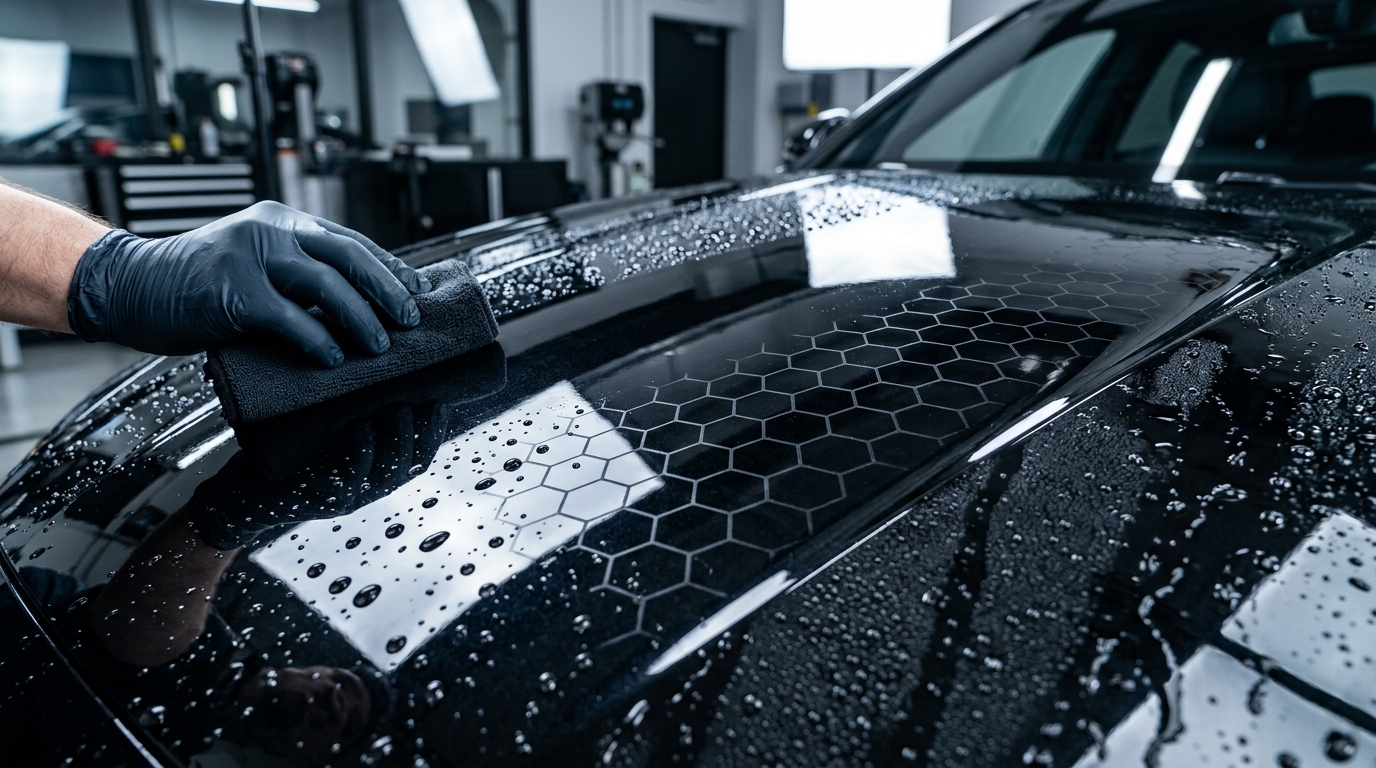
In the automotive detailing industry, graphene car wax has emerged as a widely discussed paint protection category, positioned between traditional carnauba waxes and semi-permanent ceramic coatings. Automotive brands frequently market graphene-infused formulas as revolutionary upgrades to conventional paint sealants, promising superior hydrophobicity, increased gloss, and elevated chemical resistance. However, cut through the aggressive marketing narratives, and graphene car wax functions as an engineered hybrid protectant with distinct strengths, realistic chemical limitations, and specific application requirements.
What Is Graphene Car Wax? Composition and Chemistry
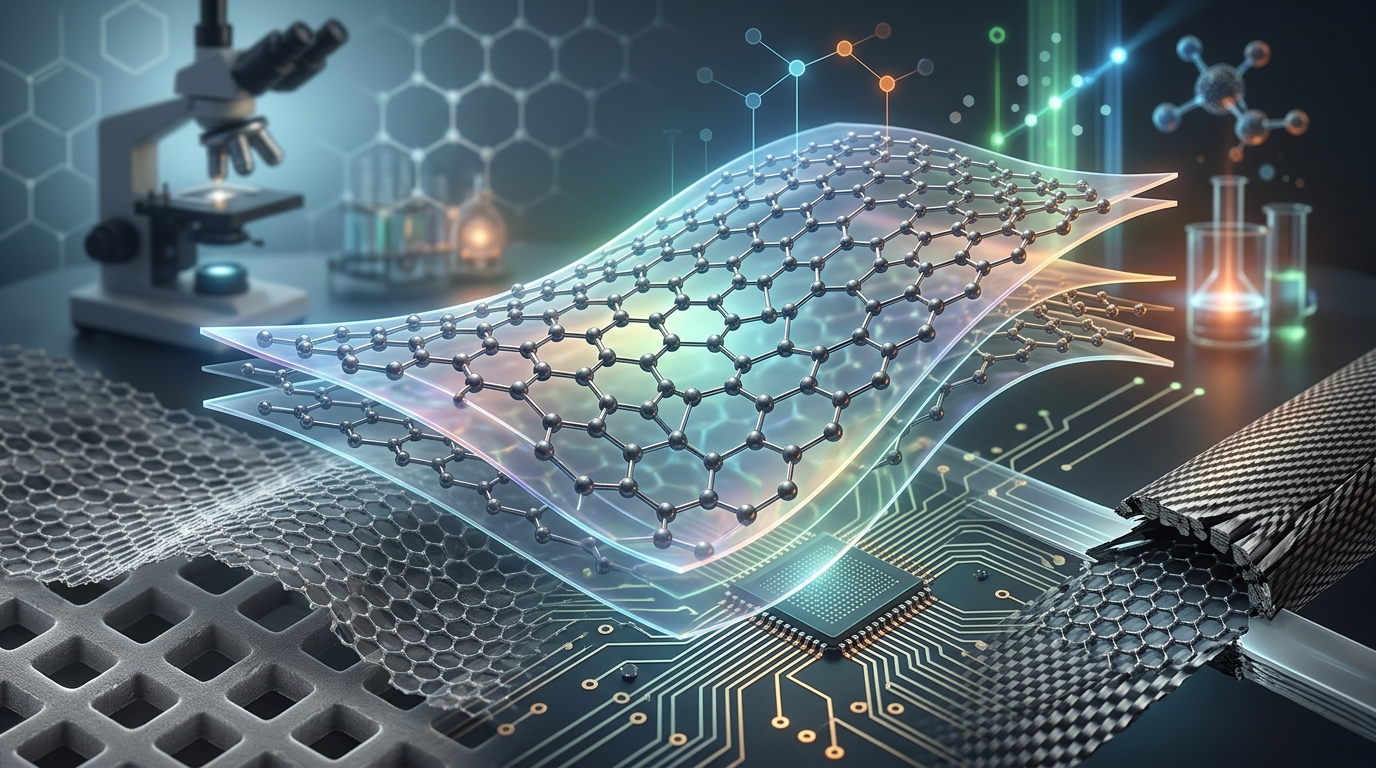
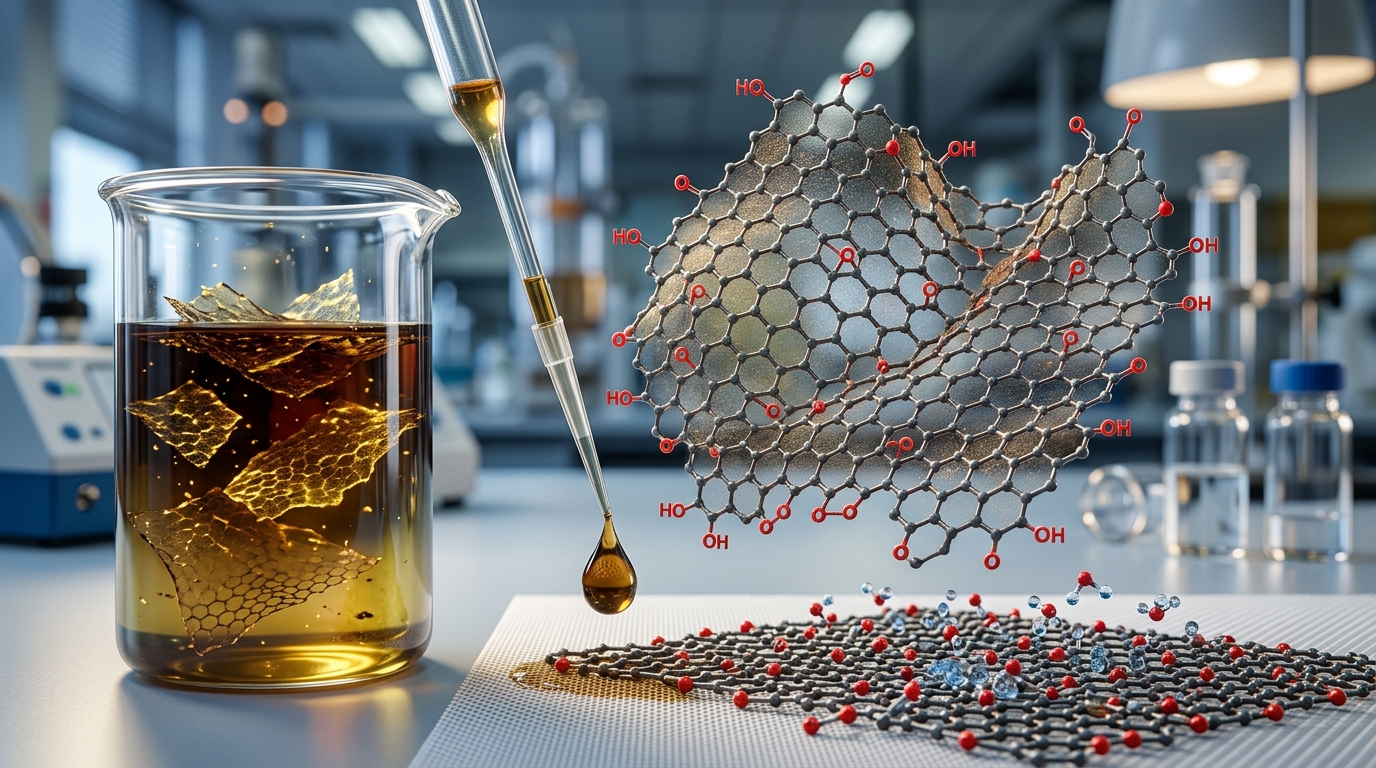
To understand what graphene car wax is, it is essential to clarify what it is not. Commercial detailing products do not contain pristine, free-standing, single-layer graphene sheets. Pure single-layer graphene is completely insoluble in detailing carrier solvents, chemically inert, and impossible to suspend uniformly in consumer-grade wax emulsions. Instead, detailing formulations utilize engineered carbon nanomaterials—primarily graphene oxide (GO), reduced graphene oxide (rGO), or microscopic graphene nanoplatelets (GNPs).
Unlike raw graphene, graphene oxide and reduced graphene oxide contain functionalized oxygen-bearing chemical groups (such as carboxyl, hydroxyl, and epoxy groups). These chemical handles allow formulators to synthesize stable dispersions that blend into carrier liquids. The base of a graphene car wax is rarely just natural wax; rather, it is a complex synthetic emulsion comprising:
- Carrier Resins and Polymers: Polydimethylsiloxane (PDMS), synthetic polymers, and silane or siloxane networks that cross-link to form the structural film on the clear coat.
- Wax Emulsions: Refined natural carnauba or montan waxes (in liquid or paste variants) that provide optical depth and surface filling.
- Functionalized Carbon Nanomaterials: Dispersed rGO or GNPs integrated into the polymer matrix at fractional percentages, functioning as microscopic structural reinforcement within the synthetic film.
Within this hybrid matrix, the carbon nanomaterials do not form an independent structural shell over the vehicle. Instead, they reinforce the synthetic polymer binder, enhancing the density, thermal resilience, and slickness of the sacrificial barrier layer.
Graphene Wax vs. Carnauba Wax vs. Ceramic Coatings
Automotive paint protectants fall across a spectrum of durability, chemical resistance, and installation difficulty. Graphene car wax operates as an intermediate protectant, sitting directly between organic waxes and professional liquid glass coatings.
| Metric | Traditional Carnauba Wax | Graphene Car Wax (Liquid/Spray/Paste) | True Ceramic Coating (SiO2) |
|---|---|---|---|
| Primary Base | Natural palm wax esters and montan oils | Synthetic polymers/siloxanes reinforced with rGO/GO | Polysilazane and silicon dioxide (SiO2) resin matrix |
| Bonding Mechanism | Weak Van der Waals surface adhesion (sacrificial) | Polymer cross-linking and semi-covalent adhesion | Covalent molecular bonding directly to clear coat |
| Real-World Durability | 3 to 8 weeks | 1 to 3 months (spray); 3 to 9 months (liquid/paste) | 2 to 5+ years |
| Heat Tolerance | Low (melts and degrades at 110°F–140°F / 43°C–60°C) | Moderate to High (resists typical panel heat up to 160°F+) | Very High (resists temperatures exceeding 400°F) |
| Aesthetic Finish | Deep, warm, oily glow; masks minor paint swirls well | High optical clarity, slick reflective finish, moderate filling | Hard, glassy, mirror-like reflection; no filling capability |
| Application Skill Level | Beginner (forgiving, wipes on and off easily) | Beginner to Intermediate (straightforward wipe-on/wipe-off) | Advanced to Professional (requires precise timing and leveling) |
It is important to maintain a strict distinction between graphene waxes or spray sealants and professional graphene coatings. True liquid coatings come in small glass bottles, rely on solvent-borne carrier systems, and chemically cross-link into a semi-permanent matrix that requires machine compounding to remove once cured. Graphene waxes, by contrast, are temporary, sacrificial detailing protectants designed for routine maintenance and consumer DIY application.
Marketing Claims vs. Practical Detailing Reality
The introduction of nanomaterials into vehicle surface care brought notable marketing hyperbole. Separating practical chemical reality from promotional claims ensures realistic expectations regarding product performance.
1. Complete Elimination of Water Spots
The Marketing Claim: Graphene coatings and waxes prevent water spotting altogether because graphene alters surface electrical conduction and panel temperature.
The Reality: Water spot etching occurs when hard water evaporates, depositing dissolved alkaline minerals (such as calcium and magnesium salts) onto the clear coat. While graphene waxes frequently generate high water contact angles and lower sliding angles—meaning water beads roll or slide off tilted panels more readily—they cannot eliminate water spots if mineral-heavy water pools and evaporates on a flat, sun-exposed horizontal panel. However, the resilient synthetic resin carrier helps slow the rate at which those mineral deposits etch deeply into the underlying paint.
2. Panel Heat Dissipation
The Marketing Claim: Incorporating graphene lowers paint surface temperatures by rapidly conducting heat away from the vehicle panels.
The Reality: In physics laboratories, isolated, single-layer pristine graphene demonstrates exceptional thermal conductivity. However, in automotive detailing waxes, a fractional percentage of reduced graphene oxide is suspended inside an insulating organic polymer matrix at a film thickness measured in fractions of a micron. Laboratory testing of consumer waxes confirms there is no measurable panel cooling or heat dissipation compared to ordinary synthetic sealants.
3. Scratch Resistance and 9H Hardness
The Marketing Claim: Applying a graphene spray or paste creates an impenetrable shield boasting 9H or 10H pencil hardness that stops scratches and rock chips.
The Reality: Waxes, sealants, and sprayable detailing protectants form flexible, sub-micron organic films. They cannot stop stone impacts, automated car wash scratches, key damage, or aggressive wash-induced swirl marks. True scratch resistance requires physical paint protection film (PPF) or substantial clear coat thickness. No wax or sprayable sealant functions as mechanical armor.
4. Chemical Detergent and UV Resistance
The Marketing Claim: Complete immunity to bird droppings, acid rain, and harsh industrial fallout.
The Reality (Substantiated in Moderation): This claim holds verifiable merit when compared against traditional organic waxes. Carnauba wax deteriorates rapidly under exposure to alkaline traffic film removers or acidic environmental fallout. Graphene-infused synthetic polymer matrices exhibit elevated detergent tolerance (typically enduring pH levels between 3 and 12) and robust UV stabilization, shielding clear coat resins from environmental oxidation significantly better than natural waxes.
5. Optical Gloss and Surface Slickness
The Marketing Claim: Unmatched deep optical clarity and exceptionally slick tactile feel.
The Reality (Demonstrated): Reduced graphene oxide platelets and complementary siloxane additives produce a very low coefficient of surface friction. This yields a noticeably slick finish that minimizes dirt accumulation and enhances light reflection across polished paint surfaces.
Product Formats and Realistic Longevity Expectations
The lifespan of a graphene wax depends largely on its physical format, the base resins used by the manufacturer, and environmental operating conditions.
Spray Waxes and Quick Detailers
Graphene spray detailers represent the most convenient format. Designed for rapid application during or immediately after a routine wash, these formulas contain lower concentrations of solids suspended in water- or alcohol-based carriers.
- Realistic Durability: 1 to 3 months under typical driving conditions.
- Best Use Case: Routine maintenance toppers, drying aids, or periodic performance boosters over an existing sealant or ceramic coating.
Liquid and Paste Waxes
Liquid and paste graphene formulations carry higher solids content and incorporate cross-linking polymer resins alongside synthetic or natural wax binders. These products require manual spreading, a brief haze-drying interval, and thorough hand buffing.
- Realistic Durability: 3 to 9 months.
- Best Use Case: Standalone seasonal paint protection for enthusiasts seeking a user-friendly application without the strict environmental controls demanded by ceramic coatings.
Longevity claims touting 12 or more months on consumer spray or paste bottles generally reflect static laboratory shelf testing rather than real-world conditions. Frequent exposure to road salts, industrial pollution, automatic brush car washes, and outdoor parking substantially reduces the functional life of any sacrificial wax layer.
Step-by-Step Surface Preparation and Application Guide
Because graphene waxes rely on polymer cross-linking to anchor to clear coat surfaces, thorough decontamination and panel preparation directly govern the longevity and water behavior of the final finish.
Phase 1: Clear Coat Decontamination
- Decontamination Wash: Wash the vehicle using the two-bucket method with a high-lubricity strip wash or a strong, non-wax automotive shampoo to remove road grime, grease, and old wax layers.
- Chemical Iron Removal: Spray a dedicated iron fallout remover over the painted panels. Allow the chemical to dwell for 2 to 4 minutes to dissolve embedded ferrous brake dust (visible as purple runoff), then rinse thoroughly.
- Mechanical Clay Treatment: Lubricate the paint with a detailing clay lubricant and use an automotive clay bar or clay mitt to remove stubborn bonded contaminants, tree sap, and industrial fallout until the clear coat feels glass-smooth to the touch.
- Paint Correction (Optional): If swirl marks or micro-scratches are present, compound or polish the paint. While paste waxes can mask light hazing, polymer cross-linking improves dramatically on polished, clean paint.
- Panel Prep Solvent Wipe: Spray and wipe each panel with a 15% to 30% Isopropyl Alcohol (IPA) panel wipe or a dedicated pre-wax surface cleanser. This critical step strips residual polishing oils, silicone fillers, and surfactants, leaving a clean surface for adhesion.
Phase 2: Product Application
Always apply graphene waxes out of direct sunlight on panels that are cool to the touch.
Applying Liquid or Paste Formulas:
- Dispense a small amount of product onto a closed-cell foam or microfiber applicator pad.
- Work panel by panel (approximately 3′ x 3′ sections), spreading the wax in thin, overlapping cross-hatch (horizontal and vertical) strokes to ensure uniform coverage. Avoid heavy coats, which lead to streaking.
- Allow the product to haze according to the manufacturer’s directions (usually 2 to 5 minutes, or verified via a clean finger swipe test).
- Buff the residue off completely using a plush, low-nap microfiber towel (350+ GSM). Follow with a second clean microfiber towel to eliminate any high spots or oily shadows.
Applying Spray Formulations:
- Mist 1 to 2 sprays onto a folded microfiber towel or directly onto a 2′ x 2′ paint section.
- Spread the product evenly over the area with one side of the towel.
- Immediately flip the towel to a clean, dry side (or use a separate dry towel) and buff the area to a high-gloss finish before the carrier fluid dries prematurely.
Phase 3: The Curing Window
Synthetic siloxanes and cross-linking polymers require time to stabilize. Keep the vehicle sheltered in a dry environment for a minimum of 4 to 24 hours following application. Premature exposure to rain, morning dew, or maintenance washing within this initial curing window interrupts the chemical bond and degrades overall longevity.
Maintenance Best Practices
To preserve the slickness and self-cleaning attributes of a graphene car wax:
- Wash Regularly with pH-Neutral Shampoo: Clean the vehicle every 1 to 2 weeks using high-lubricity car shampoos free from gloss-enhancing silicones or cheap wax fillers that can mask the hydrophobic surface properties of the graphene layer.
- Avoid Aggressive Automatic Car Washes: Friction washes with abrasive spinning brushes scratch paint finishes, while low-grade touchless facilities utilize high-alkaline (pH 13+) caustic detergents that rapidly strip sacrificial wax layers.
- Use a Graphene Spray Topper: After washing, apply a light graphene quick detailer spray every third or fourth wash as a drying aid. This continuously replenishes the sacrificial surface layer and preserves peak water-sheeting performance.
Weighing the Pros and Cons
Advantages
- User-Friendly Installation: Does not carry the risk of permanent high-spot etching associated with professional ceramic coatings; errors buff away easily.
- Elevated Thermal and Chemical Durability: Outlasts and out-tolerates organic carnauba waxes against engine heat, road film, and seasonal temperatures.
- Impressive Hydrophobics: Generates high water contact angles and noticeable slickness that eases subsequent washing routines.
- Surface Masking: Heavy paste variations retain minor filling capabilities, helping to conceal faint micro-marring on daily-driven paint.
Drawbacks
- Marketing Surcharge: Carries a price premium over standard synthetic polymer sealants that often deliver comparable durability.
- Temporary Lifespan: Cannot substitute for multi-year liquid glass ceramic coatings on vehicles requiring long-term protection.
- Dark Paint Streaking: If over-applied, allowed to dry excessively, or installed on hot panels, formulas containing rGO platelets can leave dark, hazy streaks that require re-polishing or solvent wiping to remove.
Graphene car wax offers a well-balanced compromise for car enthusiasts and detailing professionals seeking higher chemical resilience than carnauba wax provides, without the demanding surface prep, meticulous application protocols, and high price tag of semi-permanent ceramic coatings.