Graphene Coat
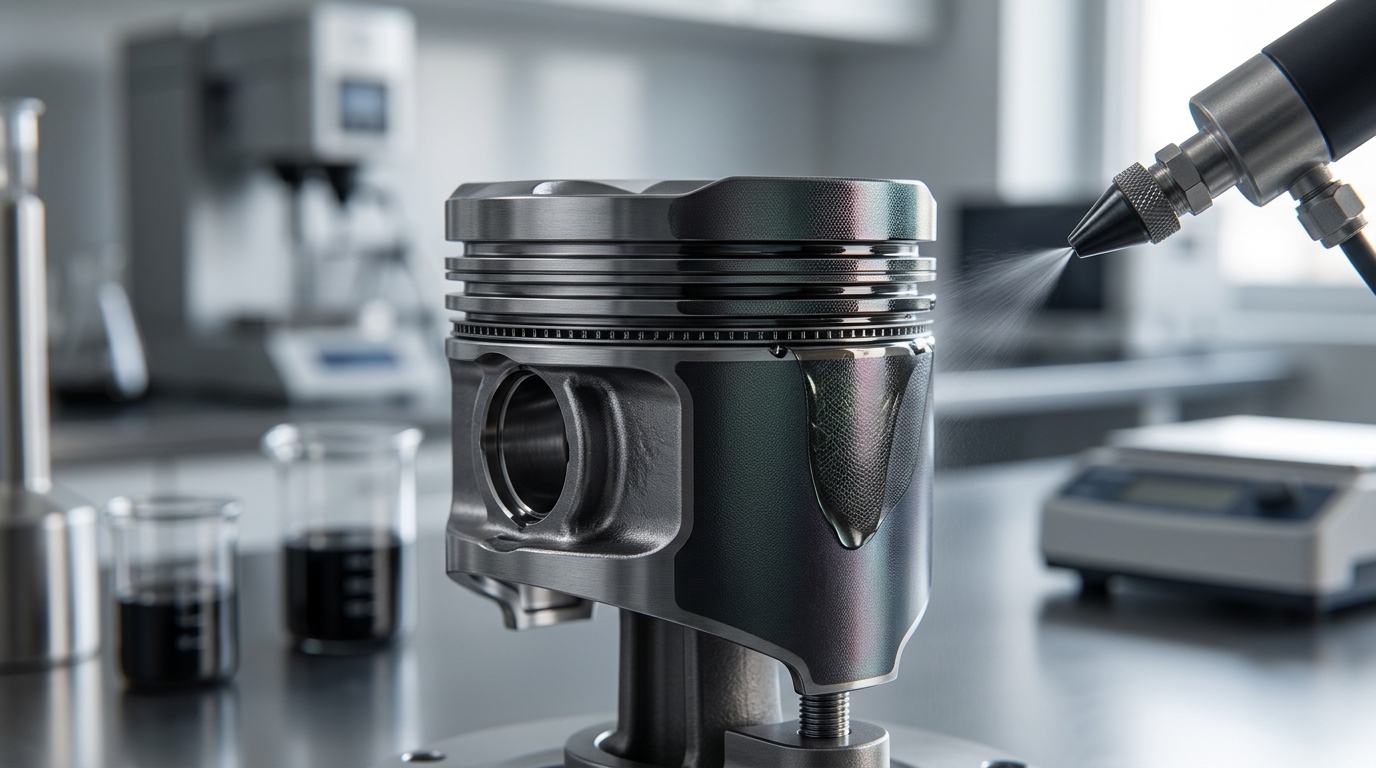
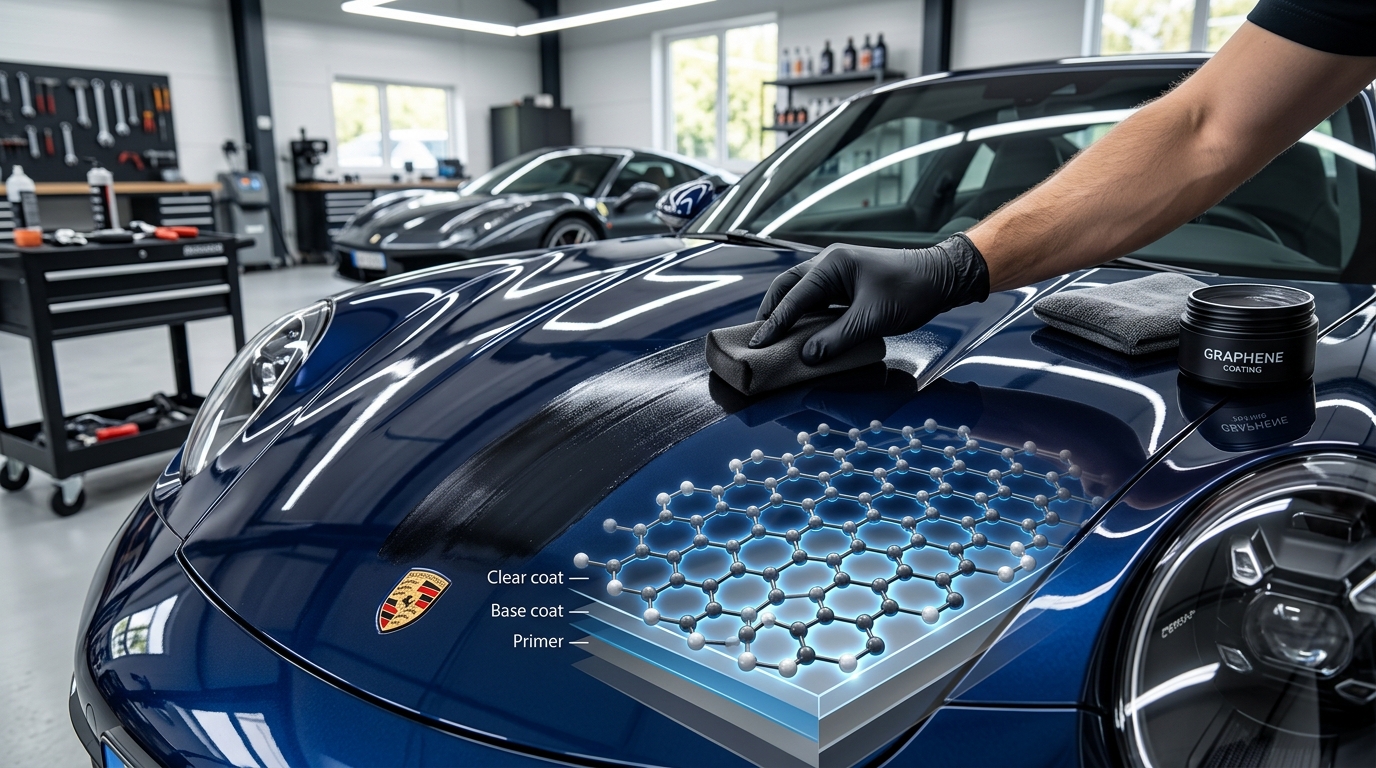
A graphene coat is an advanced surface treatment that incorporates microscopic carbon structures—typically graphene nanoplatelets or reduced graphene oxide (rGO)—into a liquid carrier resin. Once applied and cured, this liquid forms a hardened, ultra-thin protective shield over a substrate. While popularized in the automotive detailing industry as an evolution of traditional ceramic coatings, graphene coatings also serve crucial roles in industrial corrosion defense, marine anti-fouling, and aerospace material protection. Rather than consisting of a continuous, single-atom sheet of pure graphene, commercial coatings function as polymer-matrix composites where graphene additives reinforce traditional inorganic binders such as polysilazane or siloxane networks.
The Architecture and Chemistry of Graphene Coatings
To understand how a graphene coat functions, one must examine the molecular interaction between the host resin and the carbon reinforcement. Traditional clear coats and protective sealants rely on organic polymers or silicon dioxide networks. While effective, these standard matrices possess microscopic pores and free volume through which oxygen, water molecules, and acidic contaminants can slowly migrate.
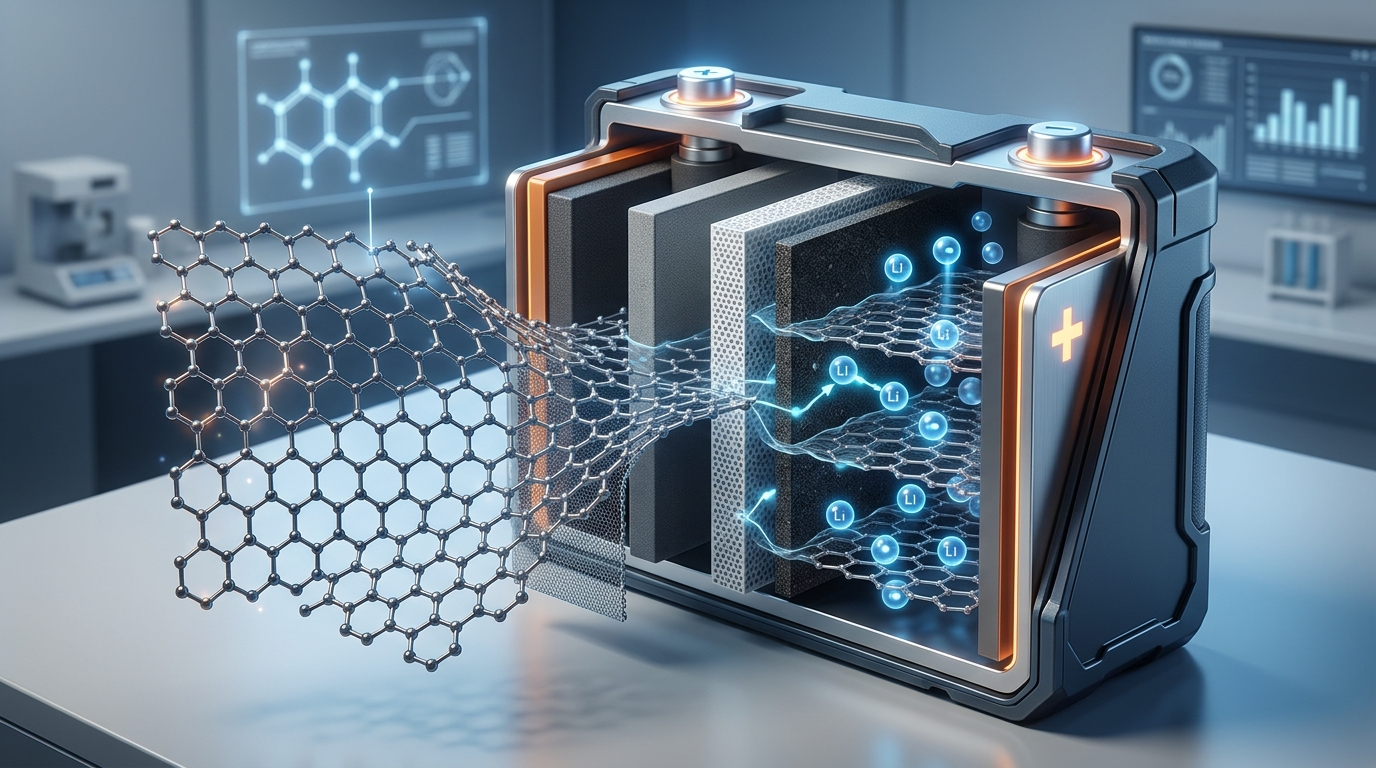
When functionalized graphene sheets are thoroughly dispersed within a liquid resin, they fill these structural voids. Graphene consists of a two-dimensional hexagonal lattice of sp²-hybridized carbon atoms. This arrangement creates a completely impermeable atomic barrier; not even helium atoms can pass through the center of a pristine graphene ring. In a cured coating, these flakes orient themselves in overlapping, platelet-like layers, forcing corrosive elements and environmental contaminants to navigate a complex, elongated barrier known as a tortuous diffusion path.
The base chemistry of a graphene coating generally relies on one of three carrier systems:
- Polysilazane-based systems: Inorganic or organic polysilazanes react with ambient moisture and atmospheric oxygen to convert into a dense, glass-like silicon-nitrogen-oxygen ceramic network, bonding directly to the underlying clear coat or metal substrate.
- Silane and siloxane hybrids: These formulations use organofunctional alkoxysilanes, creating flexible silicone-like backbones reinforced by suspended graphene flakes to balance hardness with elasticity.
- Epoxy and polyurethane industrial matrices: Used heavily in heavy industrial and marine anti-corrosion settings, these thicker films leverage graphene nanoplatelets to arrest crack propagation and block moisture ingress across steel and alloy surfaces.
Graphene Coatings vs. Ceramic Coatings
Because graphene coatings entered consumer markets directly behind silicon dioxide (SiO2) ceramic coatings, they are frequently compared against one another. While both technologies provide long-lasting surface protection far exceeding natural carnauba waxes or synthetic polymer sealants, graphene introduces distinct physical and chemical modifications to the cured film.
| Performance Property | Standard Ceramic Coating (SiO2) | Graphene-Infused Coating (rGO/GNP) |
|---|---|---|
| Primary Binder Structure | Pure silica / silazane network | Silazane/silane-graphene polymer hybrid |
| Water Spotting Susceptibility | Moderate to High (retains heat, high beading retention) | Low (lower heat retention, rapid water shedding) |
| Water Sliding / Roll-off Angle | Typically 15° to 25° | Typically below 10° to 15° |
| Electrostatic Charge Build-up | Insulating (attracts ambient dust) | Slightly antistatic / dissipative |
| Mechanical Flexibility | Extremely rigid (prone to micro-cracking under flex) | Higher tensile strength and flexural tolerance |
| Thermal Conductivity | Low (heat concentrates on surface) | Higher heat dissipation coefficient |
The Water Spotting Mechanism
One of the primary engineering challenges of traditional ceramic coatings is their tendency to develop mineral deposits, commonly known as water spots. Traditional ceramic coatings achieve a high water contact angle, often exceeding 110 degrees. While this creates tight, aesthetically pleasing water beads, standing water beads act as tiny magnifying lenses on vehicle paint, absorbing solar radiation, evaporating rapidly, and depositing concentrated calcium carbonate and magnesium salts onto the surface.
Graphene-modified coatings combat this behavior by lowering the surface’s water roll-off angle. Because graphene exhibits a lower water sliding angle, water droplets require significantly less tilt to slide off the panel entirely. Furthermore, the elevated thermal conductivity of graphene helps distribute surface heat more evenly across the panel rather than isolating it beneath individual droplets, dramatically reducing the rate of localized mineral etching.
Antistatic Behavior and Dust Attraction
Pure silicon dioxide coatings act as electrical insulators. As a vehicle moves through dry air, friction generates static electricity on the painted panels, drawing airborne dust, pollen, and industrial fallout directly onto the surface. Graphene possesses extraordinary electrical conductivity. When introduced into a coating matrix at appropriate percolation thresholds, graphene assists in dispersing electrostatic charges, creating a moderately antistatic surface that sheds dry particulates more readily during driving.
Industrial and Marine Applications
Beyond consumer automotive clear coats, graphene coatings address severe operational degradation in heavy industry, marine transportation, and infrastructure maintenance.
Corrosion Prevention on Structural Metals
Corrosion on steel and aluminum infrastructure occurs when an electrolyte, such as salt water, bridges the electrical gap between an anode and cathode on the metal surface. Industrial graphene coatings provide dual-action protection: they act as a physical barrier against oxygen and chloride ion penetration, while their dense microstructure inhibits the electrochemical electron transfers that drive rust formation.
However, formulating graphene anti-corrosion barriers requires precise engineering. If the graphene sheets are uninsulated and come into direct electrical contact with an underlying metal that has a lower standard reduction potential, galvanic corrosion risks can increase if the coating becomes deeply scratched. To prevent this, industrial formulations coat the graphene platelets in non-conductive passivating silanes or use multi-coat primer systems to isolate the carbon from bare raw steel.
Marine Anti-Fouling and Drag Reduction
Marine hulls suffer from biofouling—the accumulation of algae, barnacles, and marine organisms—which drastically increases hydrodynamic drag and fuel consumption. Historical antifouling systems relied on toxic biocides, such as cuprous oxide, that leach into marine ecosystems. Graphene-enhanced non-stick coatings provide a purely non-toxic, non-biocidal alternative. The combination of high surface smoothness, low surface energy, and balanced hydrophobic and oleophobic behavior prevents marine organisms from gaining a secure mechanical foothold, allowing vessels to shed bio-matter naturally as they travel through the water.
Application Process and Curing Mechanics
Applying a high-grade graphene coat requires rigorous environmental control and meticulous surface preparation to achieve reliable chemical bonding with the substrate.
The protective liquid relies on active covalent bonding with functional groups (such as hydroxyl groups) on the substrate surface. If residual oils, silicone polishes, or environmental fallout remain on the clear coat or metal, the carrier polymers cannot cross-link properly, leading to premature delamination.
The process generally proceeds through distinct operational phases:
- Decontamination and Mechanical Preparation: The surface undergoes chemical decontamination to remove iron and mineral deposits, followed by mechanical machine polishing to eliminate defects and maximize the exposed surface area.
- Solvent Stripping: Isopropyl alcohol or specialized panel wipe solutions dissolve any residual polishing lubricants, leaving a completely bare, high-energy surface.
- Application: The liquid is applied using a micro-suede applicator in cross-hatch patterns, ensuring an even wet film thickness of approximately one to three micrometers.
- Flashing: The volatile carrier solvents evaporate, signaling the beginning of the open-air polymerization phase. Installers look for a visual change—often shifting from a slight rainbow sheen to a sweat-like bead pattern.
- Leveling: Excess carrier resin is wiped away using clean, low-pile microfiber towels before the coating hardens into an unworkable state.
- Cross-Linking and Curing: Over the subsequent 24 to 72 hours, the coating completes its cross-linking cure cycle, reacting with ambient humidity to form a resilient, glass-like composite matrix.
Technical Limitations and Common Misconceptions
The commercial introduction of graphene coatings has been accompanied by considerable marketing hyperbole. Separating material reality from promotional claims is essential for accurate surface engineering expectations.
The 9H and 10H Hardness Myth
Many coatings advertise hardness ratings of 9H or 10H, implying they possess the scratch resistance of sapphire or diamond on the Mohs scale. In reality, coating manufacturers test their products using the standardized pencil hardness scale (ASTM D3363), which measures the resistance of a coating to indentation by graphite drawing pencils ranging from 6B (softest) to 9H (hardest).
A rating of 9H on the pencil scale simply means that a standard 9H pencil will not gouge the thin film under a specific load. It does not mean the coating is impervious to high-velocity rock chips, deep mechanical key scratches, or improper abrasive washing techniques. A coating that measures mere microns in thickness cannot fundamentally alter the structural softness of the underlying metal or automotive clear coat.
Dispersion Challenges in Manufacturing
The primary technical hurdle in manufacturing graphene coatings is preventing agglomeration. Pristine graphene flakes have a natural tendency to restack and clump together due to strong van der Waals forces, forming useless microscopic graphite granules within the bottle. If the graphene precipitates out of the liquid suspension, it loses its surface-area-to-mass advantages and fails to integrate into the cross-linking polymer network.
To overcome this, formulators must employ chemically functionalized graphene oxide or graft specialized polymer chains onto the platelet edges to ensure long-term colloidal stability within organic solvents. When evaluating graphene coatings, the quality of the chemical dispersion matters far more than the nominal concentration of carbon listed on the product label.
Evaluating Graphene Coating Performance
When selecting or assessing a graphene protective system, specific empirical benchmarks indicate true material performance:
- Water Sliding Angle: A reliable graphene coating should display a sliding angle below 15 degrees, allowing water to evacuate quickly at lower vehicle speeds.
- Chemical Resistance Range: Quality formulations exhibit broad pH stability, typically spanning pH 2 through pH 12 or 13, ensuring survival against caustic road wash detergents, acid rain, and bird droppings.
- Coating Flexibility: High-grade composite coatings can withstand thermal expansion and contraction cycles of automotive sheet metal (which experiences wide temperature swings in direct sunlight) without micro-crazing or losing adhesion.
- Optical Clarity: Despite graphene flakes appearing dark or black in high concentrations, a properly formulated and leveled graphene coat cures completely transparent, preserving optical depth and gloss across light-colored and dark finishes alike.