Turtle Wax Graphene
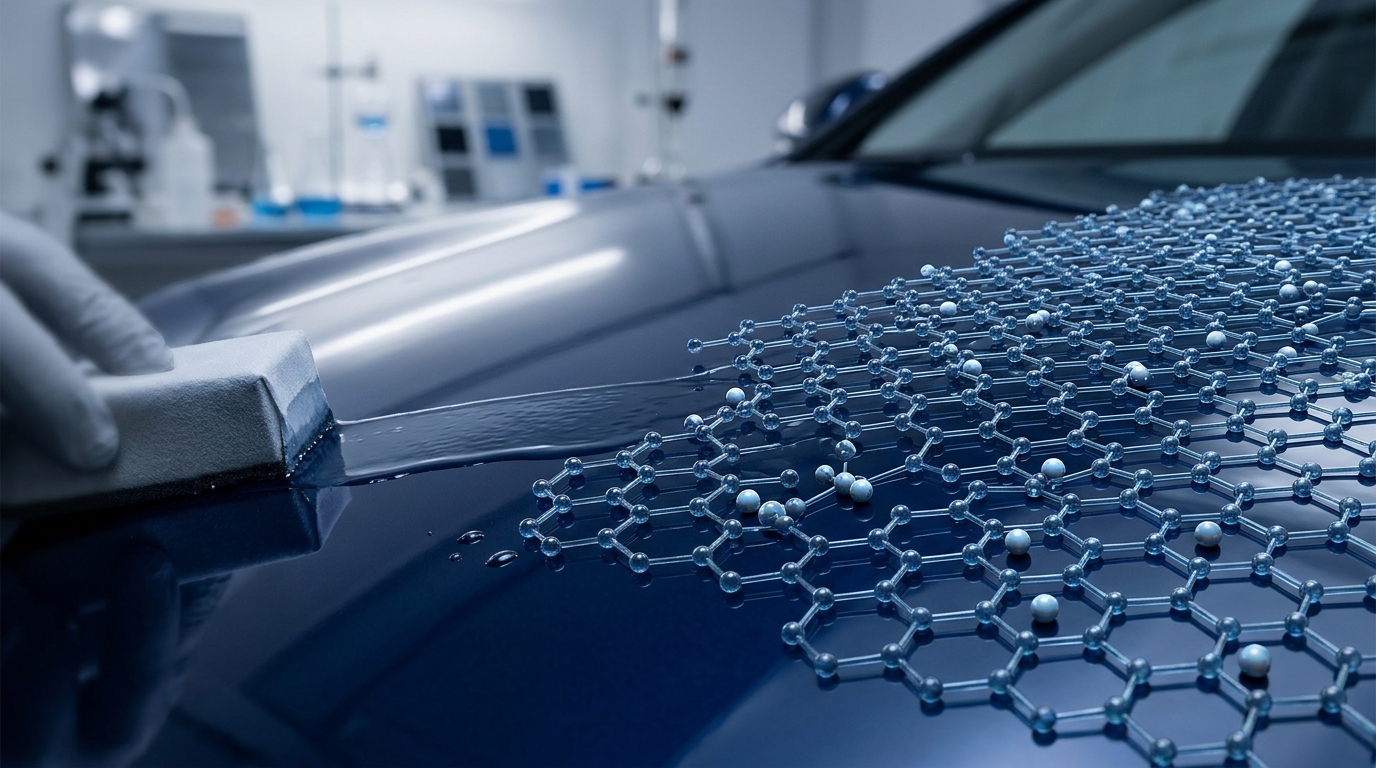
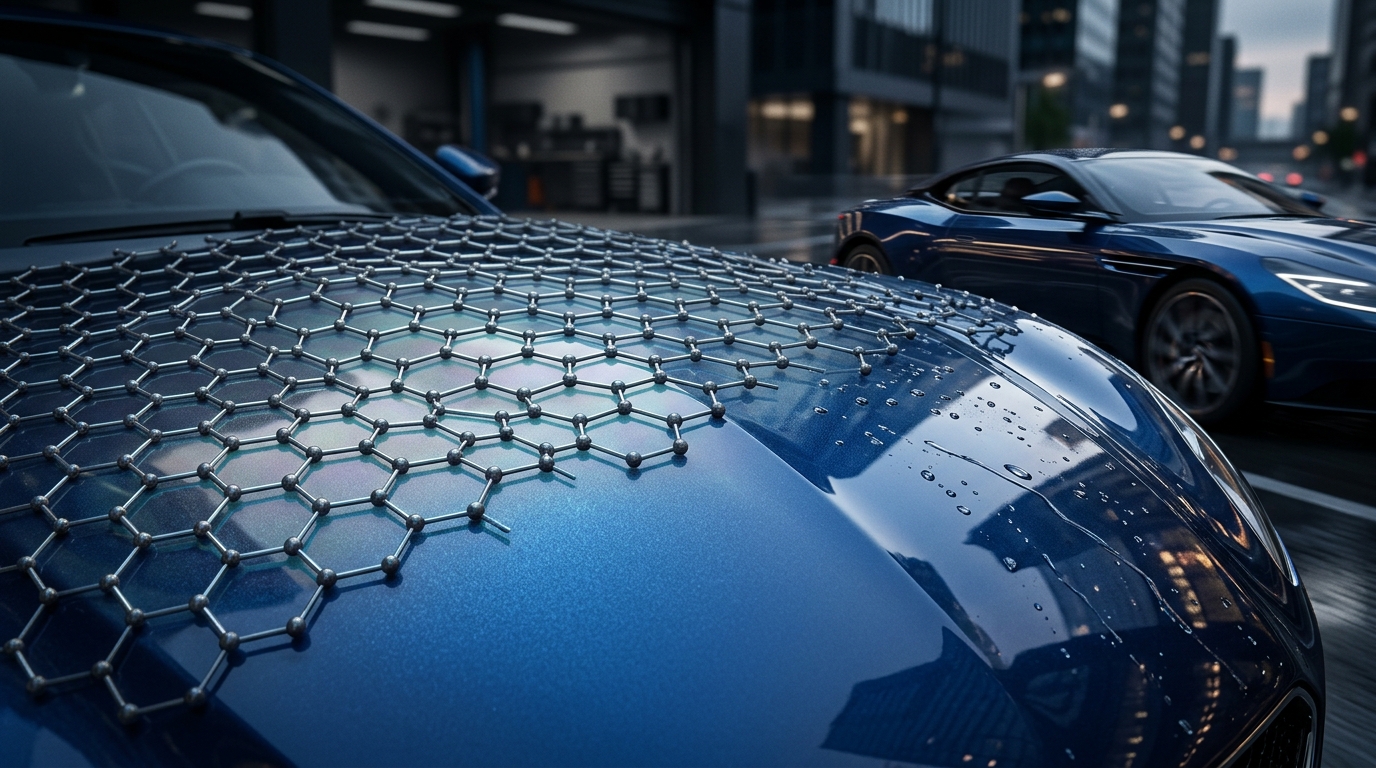
Turtle Wax graphene products represent a hybrid approach to automotive surface protection, blending conventional synthetic resins and silicon dioxide (SiO2) ceramics with suspended carbon nanomaterials. Designed primarily for consumer-level application, these formulations utilize reduced graphene oxide and functionalized graphene nanoplatelets to alter the physical and thermal properties of a vehicle’s clear coat. Rather than forming a pure single-atom sheet of carbon over paintwork, these products incorporate nanoscale graphene derivatives into polymer matrices to improve chemical resistance, surface slickness, and water-sheeting dynamics.
The Chemistry Behind Graphene-Infused Coatings
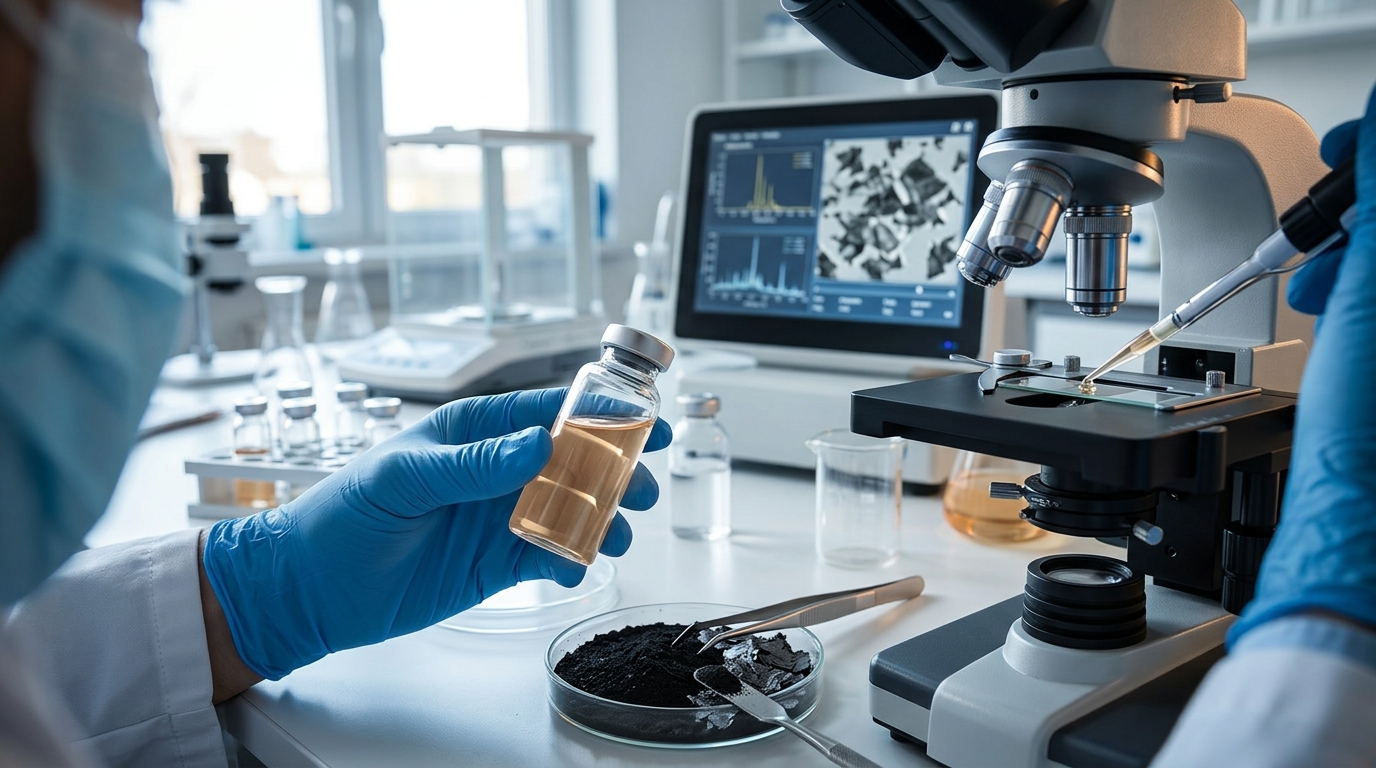
To understand how turtle wax graphene coatings function, one must distinguish between pure laboratory graphene—a single-layer hexagonal lattice of carbon isolated in 2004—and the commercially processable derivatives used in liquid chemical blends. Pure graphene is non-polar, insoluble, and virtually impossible to keep suspended in water-based or solvent-based detailing carriers. As a result, automotive chemical formulators utilize functionalized derivatives such as graphene oxide or nanoplatelet clusters.
These nanomaterials carry oxygen-bearing functional groups—such as hydroxyl, carboxyl, and epoxy groups—that allow them to disperse evenly within liquid polymers. In a typical automotive product, the graphene acts as a reinforcement additive within a carrier base consisting of polydimethylsiloxane (PDMS), fluoropolymers, or amino-functional silicones. When the liquid carrier flashes and evaporates, the siloxane chains cure into a three-dimensional polymer network, mechanically locking the graphene platelets parallel to the clear coat surface.
Material Mechanisms and Surface Performance
Integrating graphene into a ceramic liquid matrix modifies several key physical behaviors of the finished protective layer. These modifications address specific limitations associated with pure ceramic coatings.
1. Thermal Dissipation and Water Spotting Mitigation
One of the primary failure modes of traditional SiO2 ceramic coatings is susceptibility to hard water spots. Ceramic coatings are poor thermal conductors and exhibit high surface energy, creating spherical water droplets that act as magnifying lenses. When beads of mineral-laden water sit on a hot surface under direct sunlight, solar energy is concentrated at the base of the droplet, baking calcium and magnesium minerals deep into the clear coat.
Graphene possesses exceptional intrinsic thermal conductivity. When embedded across a polymer matrix, it aids in thermal dissipation, spreading localized surface heat more evenly across the panel. By reducing localized hot spots beneath sitting droplets, the coating slows the rate at which minerals bake into the paint, providing meaningful water spotting mitigation compared to conventional ceramic sealants.
2. Wetting Dynamics and Contact Angles
Protective coatings rely on surface energy manipulation to repel contaminants. Formulations in the turtle wax graphene family achieve elevated hydrophobic contact angles, typically between 100 and 110 degrees. While contact angle dictates how round a water bead appears, the sliding angle (or roll-off angle) dictates how easily water sheds from a moving or tilted vehicle.
The structural flatness of graphene nanoplatelets, combined with hydrophobic polymer additives, produces a low surface roughness on a micro-scale. This low surface friction reduces drag against liquids, allowing water to sheet off vertical and angled panels at lower vehicle speeds, effectively carrying away loose surface dust and grime through the self-cleaning effect.
3. Chemical and UV Shielding
Automotive clear coats degrade over time due to photochemical oxidation from ultraviolet (UV) radiation and direct chemical etching from organic contaminants like bird droppings, bug splatter, and tree sap. Graphene-infused ceramic matrices form dense, highly crosslinked barriers that resist a wide pH spectrum. The closely packed atomic structure of carbon sheets offers a physical barrier against acidic compounds, delaying their penetration toward the underlying paint.
Comparative Performance Profile
To evaluate where graphene-infused products sit in the spectrum of paint protection, it helps to compare them directly against traditional carnauba waxes and standard ceramic sealants.
| Property | Carnauba Wax | SiO2 Ceramic Sealant | Graphene-Ceramic Hybrid |
|---|---|---|---|
| Primary Mechanism | Sacrificial organic lipid film | Crosslinked siloxane resin | Siloxane resin reinforced with carbon nanoplatelets |
| Durability Window | 4 to 8 weeks | 4 to 8 months | 6 to 12 months |
| Water Spot Resistance | Moderate | Low (susceptible to mineral ring etching) | High (improved heat dissipation) |
| Chemical Resistance | pH 6–8 | pH 3–11 | pH 2–12 |
| Application Forgiveness | High (easy wipe-off) | Moderate (risk of high spots) | High (longer open working time) |
Product Formats and Practical Use Cases
The application of turtle wax graphene technology spans several product categories, each formulated with different resin densities and carrier systems depending on the intended user workflow.
Trigger Spray Coatings
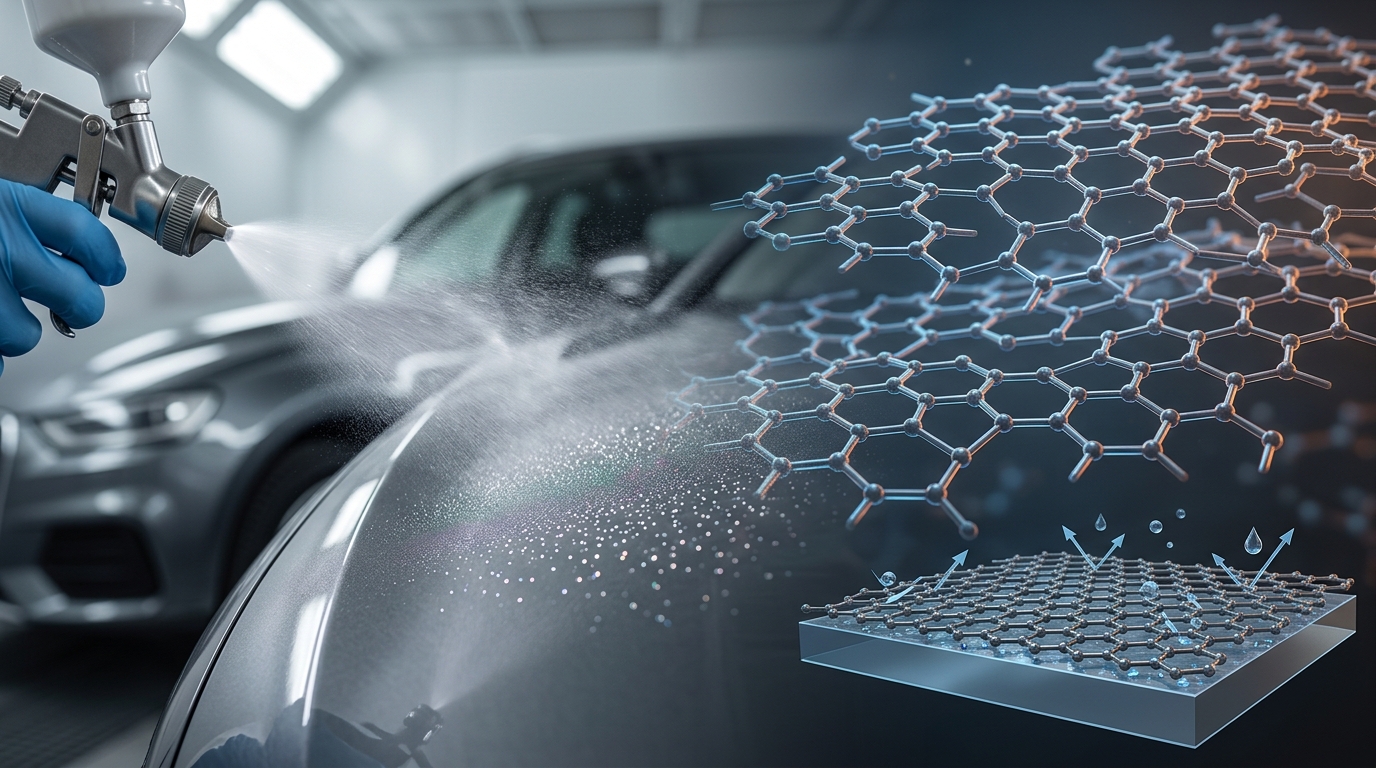
Sprayable formulations represent the most common format. These use emulsified water-and-solvent carriers that keep the polymers and suspended nanomaterials thin enough to pass through standard atomizing spray heads. Once sprayed onto paint, glass, wheels, or exterior plastics, the product exhibits a characteristic “sweating” or flashing phase, signaling that the carrier is evaporating and the siloxanes are undergoing chemical crosslinking. These sprays prioritize rapid application and easy buffing while maintaining multi-month durability.
Liquid and Paste Formulations
Paste and liquid wax variations contain higher solids content and synthetic binding clays. These formulations fill microscopic clear-coat imperfections to a higher degree than thin sprays, enhancing depth of color and optical clarity on dark paint finishes. They require a traditional wipe-on, haze, and buff-off procedure, offering extended durability at the cost of longer application time.
Maintenance Washes and Detailers
Infused wash shampoos and quick detailers contain lower concentrations of graphene additives alongside lubricating surfactants. They do not build a thick stand-alone protective shell; rather, they replenish the sacrificial upper layer of an existing coating by redepositing a microscopic layer of hydrophobic polymers during routine maintenance washing.
Application Chemistry: Surface Preparation and Curing
The bonding efficacy of any graphene-infused product depends directly on the surface energy and cleanliness of the substrate. Hydrophobic polymers require unhindered access to the clear coat to form stable covalent and mechanical bonds.
Surface Preparation Sequence
Optimal adhesion requires rigorous paint decontaminating before application:
- Alkaline and Acidic Pre-Washes: Stripping road oils, waxes, and traffic film.
- Chemical Iron Removal: Using ammonium mercaptoacetate solutions to dissolve embedded ferrous brake dust.
- Mechanical Abrasion (Clay Bar): Removing bonded particulates that prevent flat bonding of the graphene-polymer film.
- Solvent Panel Wipe: An isopropyl alcohol (IPA) or dedicated solvent wipe to eliminate residual polishing oils.
Curing Kinetics
After applying a graphene spray or liquid, environmental humidity and ambient temperature govern the curing rate. Atmospheric moisture drives the condensation reaction of the siloxane binders. While the surface becomes dry to the touch within minutes, full chemical crosslinking generally requires 24 hours of dry conditions. Exposing the vehicle to rain, standing water, or aggressive wash chemicals before this curing window closes can wash away unlinked polymers, prematurely degrading the coating’s longevity.
Separating Detailing Science from Marketing Claims
Graphene’s high-profile status in material science has generated considerable marketing hyperbole across the automotive industry. A realistic technical perspective helps clarify what these consumer products can and cannot achieve.
The 9H Hardness Misconception
A frequent claim in automotive marketing involves “9H hardness” or absolute scratch resistance. In standardized testing, 9H refers to the Wolf-Wilborn pencil hardness test, not the Mohs mineral hardness scale. A cured liquid film that measures only a few microns—or sub-microns—in thickness cannot stop structural gouges, rock chips, or heavy abrasive scratching. Graphene infusions increase the slickness of the surface, which reduces friction and mitigates minor wash-induced marring (swirl marks), but they do not turn clear coat into an impenetrable armor plate.
Concentration and the Percolation Threshold
Another common point of confusion involves the color and concentration of the liquid. True raw graphene dispersions are pitch black. Consumer detailing sprays, however, are typically translucent gray or milky suspensions. Formulators operate near a precise percolation threshold—the concentration point where adding more graphene provides no additional thermal or mechanical benefit, but instead destabilizes the liquid emulsion, causing streakiness, clumping, or optical hazing on dark vehicles. A small, properly functionalized fraction of carbon platelets within a strong resin matrix is far more effective in consumer products than an overloaded, unstable mixture.
Evaluation and Maintenance Best Practices
Maintaining the hydrophobic and thermal properties of a graphene coating over its usable lifespan requires deliberate care. Because environmental fallout continuously settles onto horizontal panels, road grime will eventually mask the coating’s hydrophobic properties if left unwashed.
To sustain performance, vehicles protected with graphene sealants should be washed using dedicated pH-neutral or mildly alkaline automotive shampoos free of added gloss enhancers or heavy silicones that could mask the baseline layer. Periodic application of a graphene-infused quick detailer or topper every few months restores the surface sliding angle and replenishes any resin worn away by mechanical friction, maintaining high water-sheeting dynamics throughout the product’s operational cycle.