Graphene X Men's Everything Proof Pants
The graphene x men’s everything proof pants represent an application of nanomaterial engineering designed to solve a fundamental dilemma in technical apparel: balancing absolute weatherproofing, high breathability, mechanical abrasion resistance, and thermal comfort in a single garment. Rather than relying solely on traditional synthetic membranes or heavy, coated canvases, these pants integrate graphene nanoplatelets into a multi-layer textile laminate. The result is an all-condition outdoor and everyday trouser engineered to withstand rugged terrain, resist liquid penetration, regulate body temperature, and suppress bacterial growth.
Material Architecture: How Graphene is Integrated into the Textile
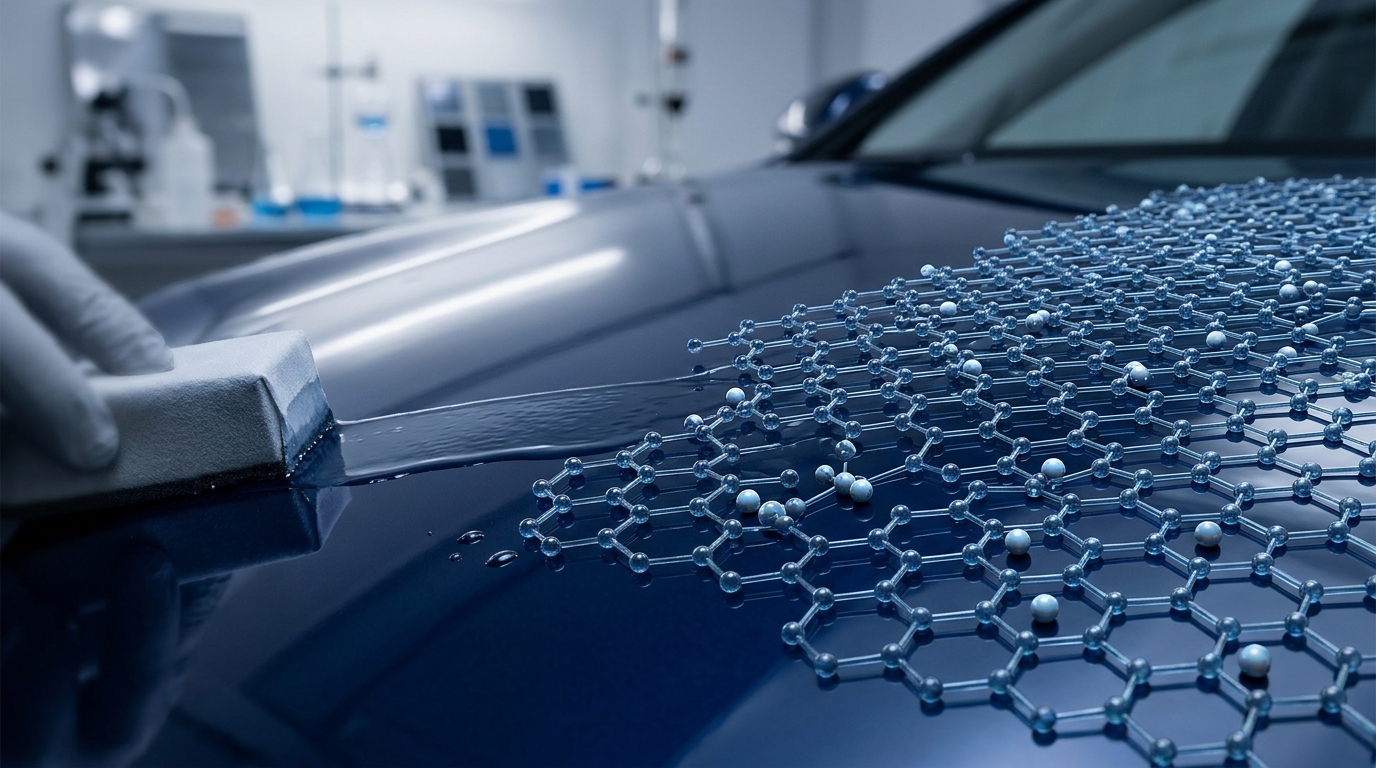
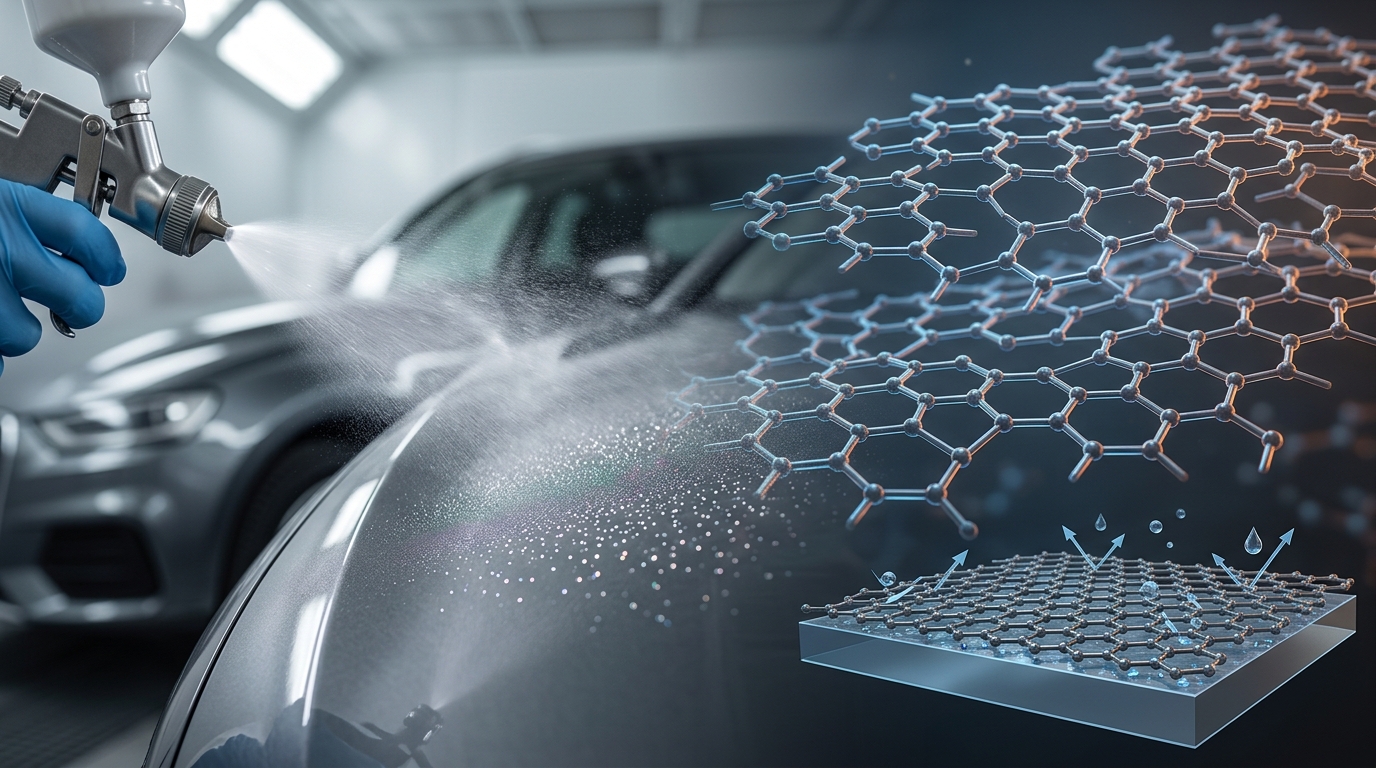
To understand how these performance trousers function, it is essential to distinguish between theoretical single-atom-thick graphene sheets and the commercial carbon additives used in advanced garment manufacturing. When isolated in 2004, pristine monolayer graphene demonstrated record-breaking electrical conductivity, tensile strength, and thermal efficiency. In performance apparel, manufacturers do not weave raw mono-atomic sheets; instead, microscopic graphene flakes or functionalized nanoplatelets are embedded into liquid polymer masterbatches or printed as continuous interior lattice coatings.
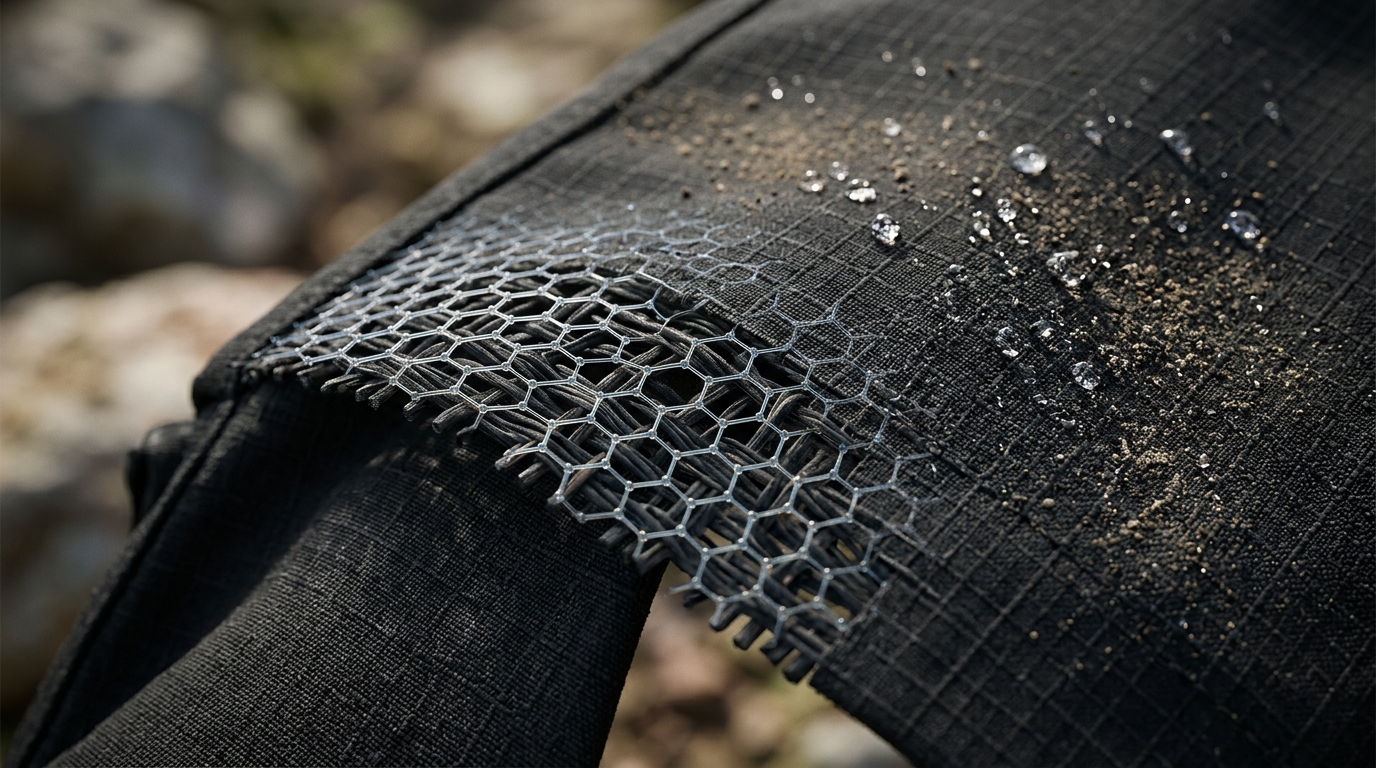
The Graphene X garment uses a three-layer laminate architecture engineered to maximize the specific strengths of each composite layer:
- Outer Face Layer: A tightly woven, high-tenacity nylon or synthetic blend treated with a durable water-repellent (DWR) finish. This face fabric repels surface water droplets, resists initial abrasion, and provides structural framing.
- Intermediate Membrane: A microporous or monolithic waterproof-breathable barrier (often polyurethane or expanded polytetrafluoroethylene) that contains compounded graphene particles. This middle layer blocks liquid water from entering while allowing vaporized sweat molecules to escape.
- Interior Backer / Graphene Grid: An inner lining either blended with graphene-infused yarns or printed with a continuous graphene matrix. This layer rests closest to the skin, facilitating rapid heat redistribution, moisture transport, and antibacterial contact.
Core Performance Mechanisms
The addition of carbon nanomaterials alters standard textile behavior across four critical physical vectors: thermal management, mechanical durability, moisture vapor permeability, and odor resistance.
1. Thermal Regulation and Heat Dissipation
Standard synthetic fabrics function as thermal insulators by trapping dead air. While effective for warmth, they often create localized “hot spots” around major muscle groups during high-exertion activities like climbing or trekking. Graphene possesses exceptional intrinsic thermal conductivity. When integrated into the inner lining of the pants, it acts as a thermal conduit, drawing excess heat away from high-temperature zones (such as the quadriceps and lower back) and redistributing it across cooler surface areas of the garment.
Furthermore, graphene materials interact efficiently with far-infrared radiation emitted by human body heat. The carbon lattice absorbs this thermal energy and re-radiates it evenly back toward the skin, maintaining a balanced microclimate in cold conditions without requiring bulky synthetic insulation layers.
2. Mechanical Durability and Abrasion Resistance
Pants designed for rugged outdoor environments must endure friction against rock, brush, and equipment. Graphene-enhanced polymers benefit from nanoscale tensile strength reinforcement. At the microscopic level, the high surface area of the nanoplatelets creates strong interfacial bonding within the polymer matrix. This reduces the rate of micro-tearing, resists snagging, and limits fabric degradation during repeated high-friction cycles, allowing the pants to remain lightweight without sacrificing tear resistance.
3. Waterproofing and Breathability Balance
The primary metric for all-weather pants involves two opposing forces: keeping precipitation out while letting internal sweat vapor escape. The membrane integrated into the trousers achieves a high hydrostatic head rating (often exceeding 10,000 to 20,000 mm of water column pressure), preventing moisture penetration even under heavy downpours or when kneeling on wet ground.
Concurrently, the micro-architecture of the membrane facilitates a high moisture vapor transmission rate (MVTR). The thermal conductivity of the graphene lining helps energize moisture molecules, increasing the vapor pressure differential between the inside of the pant and the outside atmosphere, thereby driving sweat vapor outward more rapidly than unenhanced laminates.
4. Bacteriostatic and Odor-Reduction Properties
Human sweat is largely odorless; unpleasant smells are generated when skin bacteria metabolize lipids and proteins within stagnant moisture. Graphene exhibits natural antibacterial behavior through physical contact mechanisms. The nanoscale edges of the carbon flakes disrupt bacterial cell membranes, while the material’s surface properties inhibit bacterial colonization. Acting as a bacteriostatic barrier, the inner lining prevents odor-causing microbes from multiplying, allowing the garment to be worn across multi-day expeditions without washing.
Technical Comparison: Graphene Composite vs. Traditional Fabrics
To evaluate the functional role of graphene-enhanced trousers, consider how they compare to standard performance membranes and heavy-duty workwear textiles across critical metrics:
| Fabric Type | Hydrostatic Protection | Thermal Spreading | Abrasion-to-Weight Ratio | Inherent Odor Control |
|---|---|---|---|---|
| Graphene 3-Layer Composite | High (10,000–20,000+ mm) | Active / High Conductance | Very High | High (Structural mechanism) |
| Standard 3-Layer Hardshell | High (15,000–28,000 mm) | Passive / Insulative | Moderate | Low (Requires chemical wash) |
| Heavy Cordura / Canvas | Low to Moderate (DWR reliant) | Poor (Heat trapping) | Moderate (Very heavy) | Poor (Absorbs sweat) |
Engineering Trade-offs and Practical Limitations
While graphene imparts distinct functional advantages, no material is universally superior in every scenario. Understanding the engineering boundaries helps set realistic expectations for real-world use.
First, graphene integration adds complexity and manufacturing cost to textile production. Dispersing nanoplatelets evenly through polymers without agglomeration (clumping) requires precise ultrasonic or chemical dispersion techniques. If platelets clump together, the fabric loses flexibility and develops weak points in the membrane.
Second, while the fabric itself exhibits high tensile strength, overall garment longevity remains tied to seam construction, waterproof seam-taping integrity, and zipper hardware. A failure in the seam-sealing tape will compromise waterproofing regardless of how advanced the membrane is.
Finally, thermal conductivity is a double-edged sword. In cold environments with moderate exertion, conductive heat redistribution keeps the wearer comfortable. However, in extreme sub-zero static environments (such as resting during alpine bivouacs), graphene cannot replace lofted insulation (such as down or high-loft synthetics) that traps dead air to prevent conductive heat loss to the ambient environment.
Care, Washing, and Maintenance Considerations
Maintaining the multi-layer construction of the graphene x men’s everything proof pants requires specific care practices to prevent premature delamination or surface degradation:
- Detergent Choice: Use liquid technical wash formulas designed for waterproof membranes. Standard household detergents often contain surfactants, optical brighteners, and fabric softeners that leave hydrophilic chemical residues, compromising the outer DWR and clogging the breathable pores.
- Washing Temperature: Cold or lukewarm gentle cycles prevent the thermal adhesives used in seam-taping and laminated layers from weakening.
- DWR Reactivation: Over extended wear, the outer water-repellent finish degrades due to dirt and mechanical friction. Tumble drying on low heat (if permitted by the care label) or applying a spray-on fluorocarbon-free proofing agent restores surface water beading without affecting the internal graphene layer.
- Avoiding Solvents: Bleach, aggressive stain removers, and dry-cleaning solvents can degrade the polyurethane binders holding the graphene nanoplatelets within the composite structure.
Practical Applications: Who Benefits Most?
The architectural combination of weatherproofing, thermal spreading, and abrasion resistance makes these trousers suited for specific demanding environments:
Backcountry Travel and Trekking: For multi-day hikers crossing variable terrain, the ability to eliminate separate rain shells and heavy work pants reduces overall pack weight while maintaining foul-weather readiness.
Technical Field Work: Professionals working outdoors—such as field researchers, wildlife photographers, and expedition guides—benefit from trousers that resist sharp brush and rocky surfaces without feeling stiff or overheating during physical tasks.
Minimalist Travel: Because the internal carbon matrix naturally limits bacterial odor buildup, the pants can be worn continuously across varied climates and urban transit routes without requiring frequent laundering.