GMG says graphene battery energy density has doubled in push toward 2027 production
Graphene Manufacturing Group said on April 15, 2026, that the energy density of its six-minute-charging graphene aluminum-ion battery cells has doubled to 49 Wh/kg from 26 Wh/kg in December 2025. The company says the result keeps its battery program on track for customer testing in 2026 and small commercial production in 2027.
GMG’s latest cell data tightens the commercialization case
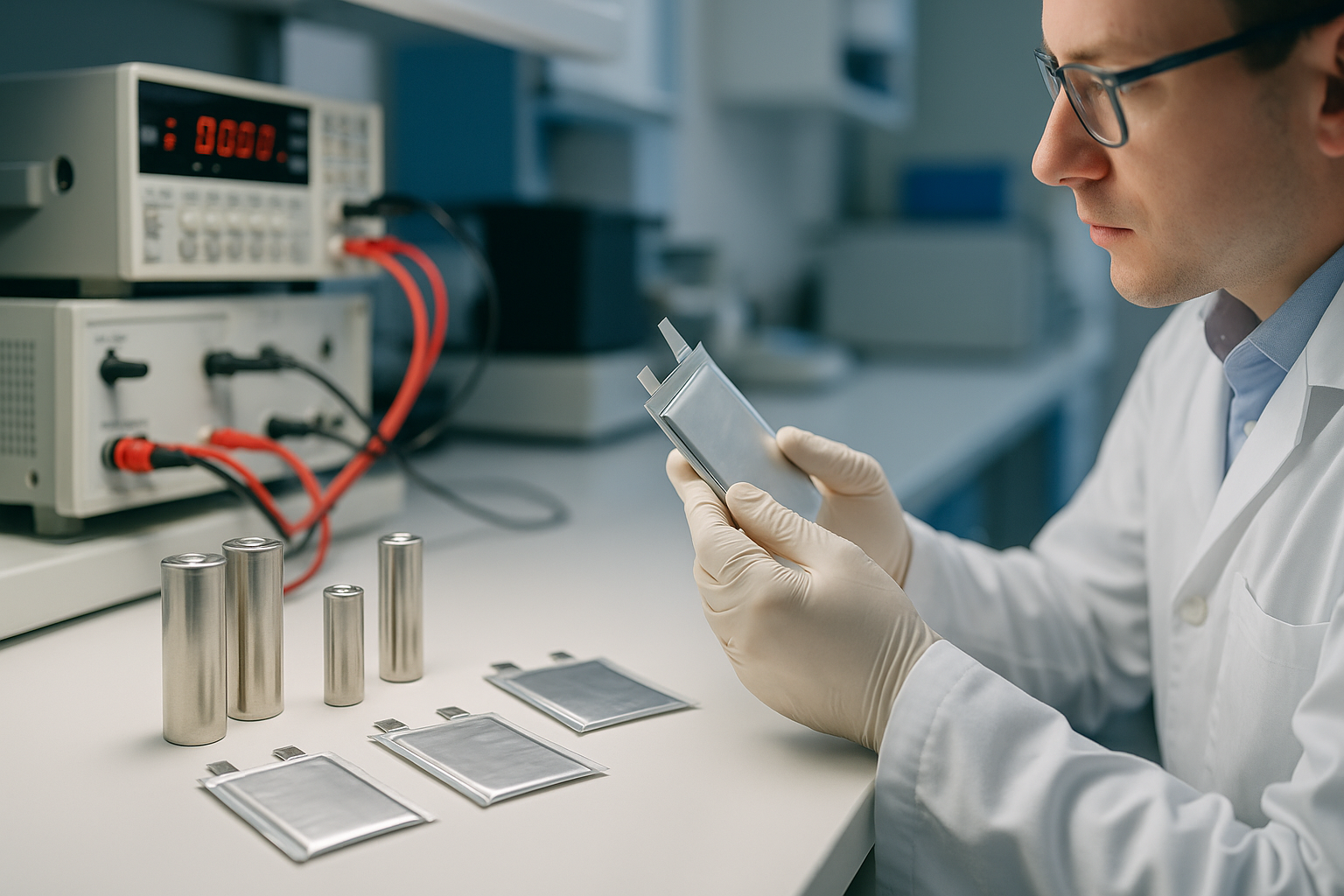
The update is notable because it moves the program beyond a broad performance claim and into a more measurable development milestone. GMG said the new result came from testing at a battery innovation center, and the company compared the cells with fast-charging lithium titanate batteries.
GMG also said the current pouch-cell design could eventually allow a plastic battery pack rather than a metal case, which would reduce weight, cost and complexity if further development holds up. The company added that the cells may not need the thermal management system typically used in lithium-ion packs.
Customer testing is scheduled for 2026
GMG said it expects customer testing later in 2026, with small commercial production targeted for 2027. That timeline matters because it places the technology in an industrial qualification phase rather than an open-ended research effort.
The company remains at battery technology readiness level 4, which means the work is still in development and not yet in market release. Even so, the new energy-density figure gives the program a clearer technical checkpoint as it moves toward outside validation.
Why the result matters for graphene batteries
Graphene battery projects have often drawn attention for promising charge speed or thermal benefits, but many have stayed in the lab or at pilot scale. GMG’s update does not resolve the wider challenge of proving durable, repeatable performance at scale, but it does show a concrete gain in a battery line with a stated commercialization path.
For the broader graphene sector, the important part is not just the chemistry but the sequence: higher cell performance, customer testing, manufacturing compatibility and eventual production. GMG now has a clearer data point to carry into that next stage.
Source: Graphene Uses / Newsfile report on Graphene Manufacturing Group
Date: 2026-04-15T07:30:00-04:00