GMG says graphene battery energy density has doubled as it pushes toward 2027 commercialization
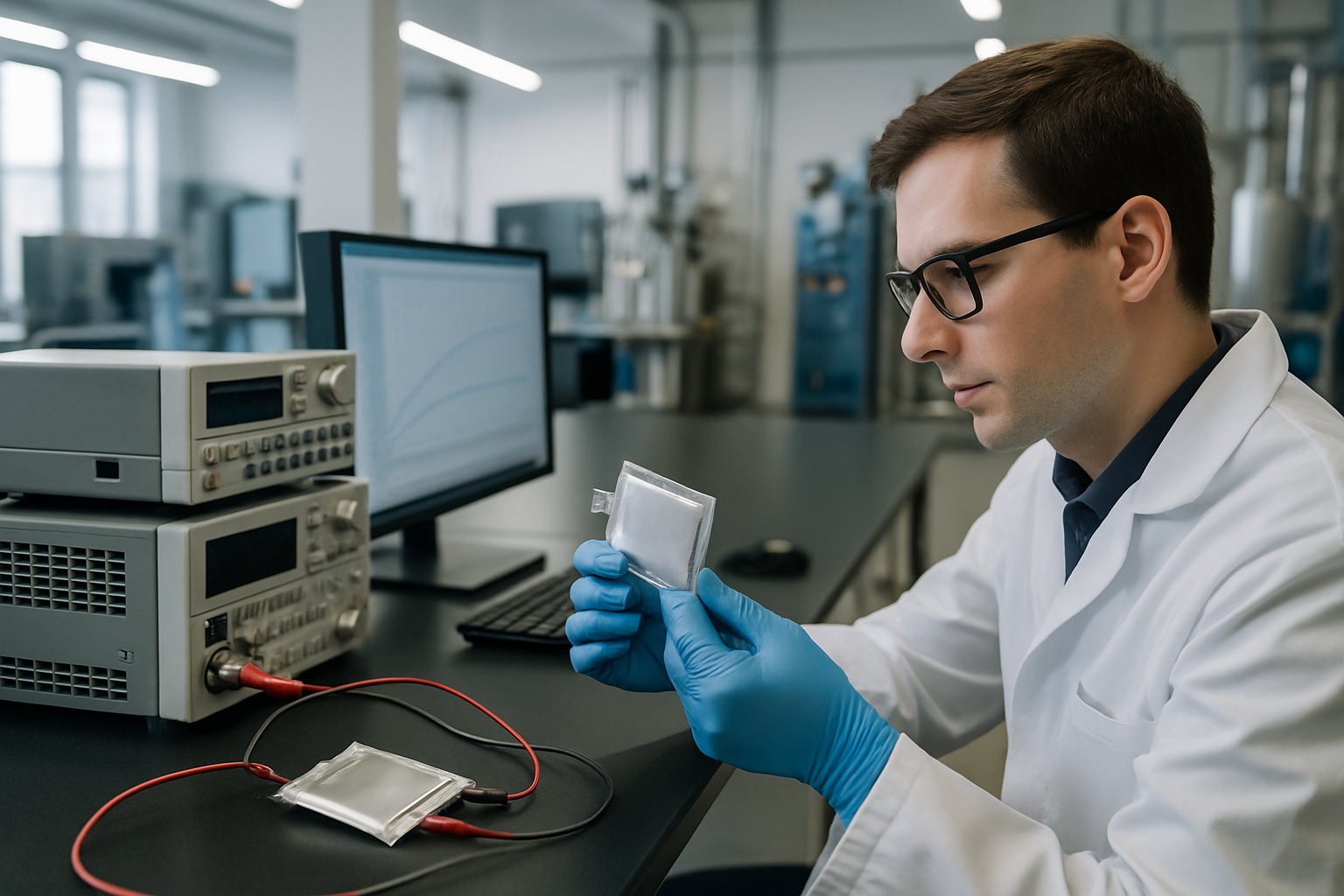
Graphene Manufacturing Group said on April 15, 2026, that the energy density of its six-minute-charging graphene aluminium-ion battery cells has doubled to 49 Wh/kg from 26 Wh/kg in December 2025, a technical gain the company says keeps the program on track for customer testing later this year and small commercial production in 2027.
The update is one of the clearest recent commercialization markers in graphene, a field still crowded with lab-scale claims but short on products that have moved into industrial use. GMG said the cells remain at battery technology readiness level 4, meaning the work is still in development rather than market release, but the company described the program as having advanced significantly through that stage.
GMG’s 49 Wh/kg milestone tightens the battery case
The company said the latest result came from battery innovation center testing and compared the current cells with fast-charging lithium titanate batteries. GMG said it believes the technology could eventually exceed 160 Wh/kg with a one-hour charge and 80 Wh/kg with a six-minute charge, though those figures depend on further development of the cathode, anode, electrolyte and other cell components.
GMG also said the current pouch-cell design could use a plastic battery pack rather than a metal case, if the technology continues to perform as expected. That would reduce weight, cost and complexity, and the company said its cells may not need the thermal management system typically required in lithium-ion packs.
Customer testing is set for 2026, not a distant pilot
In a sector where many graphene battery projects remain stuck in early validation, GMG’s roadmap is the more commercially important detail. The company said it expects testing with customers in 2026 and small commercial production in 2027, with support from partners including the Battery Innovation Center.
That does not mean the product is close to a market launch. It does suggest GMG is moving from performance claims toward a more conventional industrial qualification process, where customers, pack design and manufacturing compatibility matter as much as headline material properties.
Why the update matters for graphene commercialization
Graphene has long been promoted as a high-performance additive with potential in energy storage, thermal management and coatings, but commercialization has often lagged behind the material’s reputation. GMG’s latest battery data does not resolve those broader challenges, yet it does add a measurable improvement to a program with an articulated timeline and a defined pathway to customer trials.
For commercial graphene developers, that combination matters. Performance gains only become meaningful when they can be repeated at cell level, fit existing manufacturing processes and survive the long climb from lab validation to qualified supply. GMG’s latest update moves its battery closer to that test.
Source: Graphene Manufacturing Group Ltd. via Newsfile
Date: 2026-04-15T07:30:00-04:00