Melexis and Graphenea push graphene biosensors closer to integrated chip-scale testing
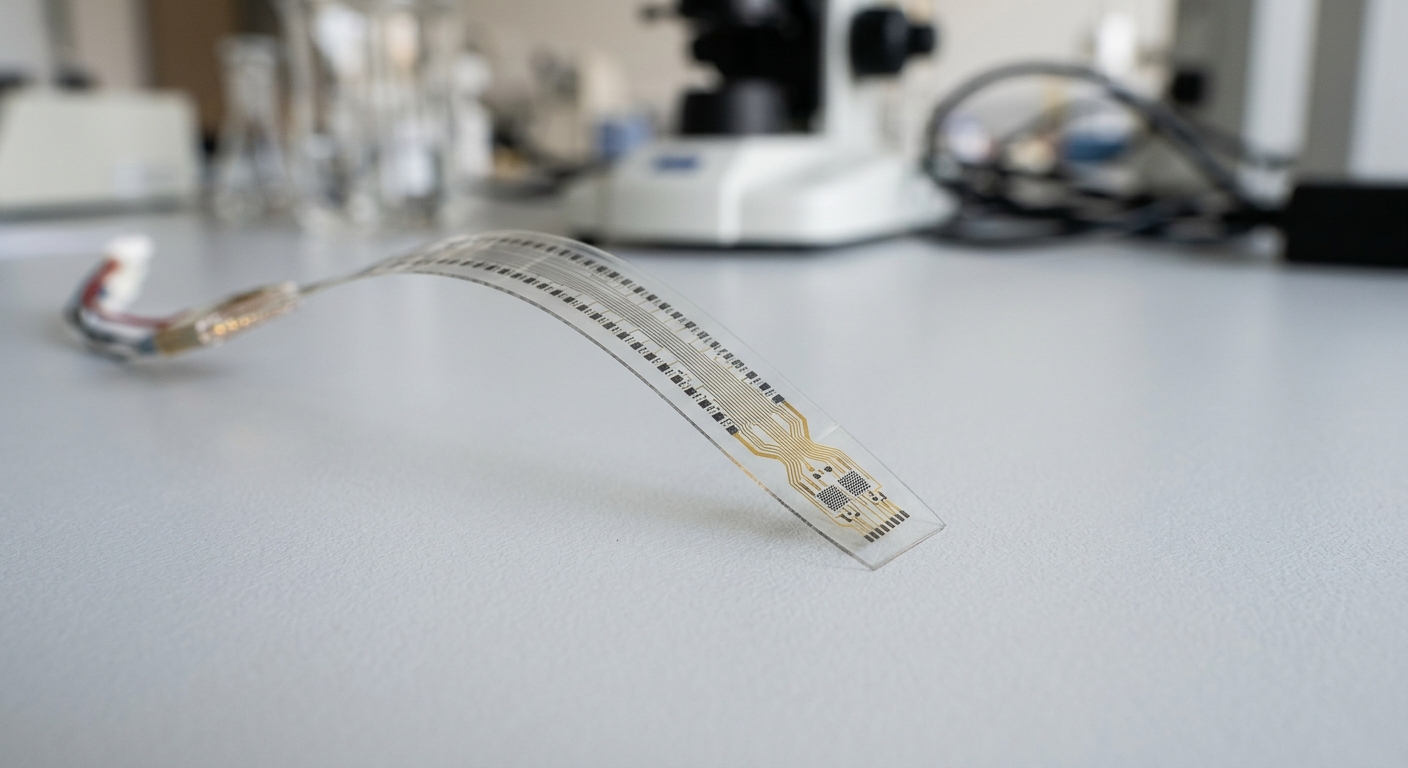
Melexis and Graphenea have expanded their graphene biosensor collaboration with a development kit designed to evaluate integrated graphene field-effect transistor sensors on CMOS, giving developers a more practical way to test chip-scale biosensing hardware. The move marks a concrete step beyond early-stage demonstrations and toward the engineering work needed for real-world sensor products.
Development kit turns the focus to integration
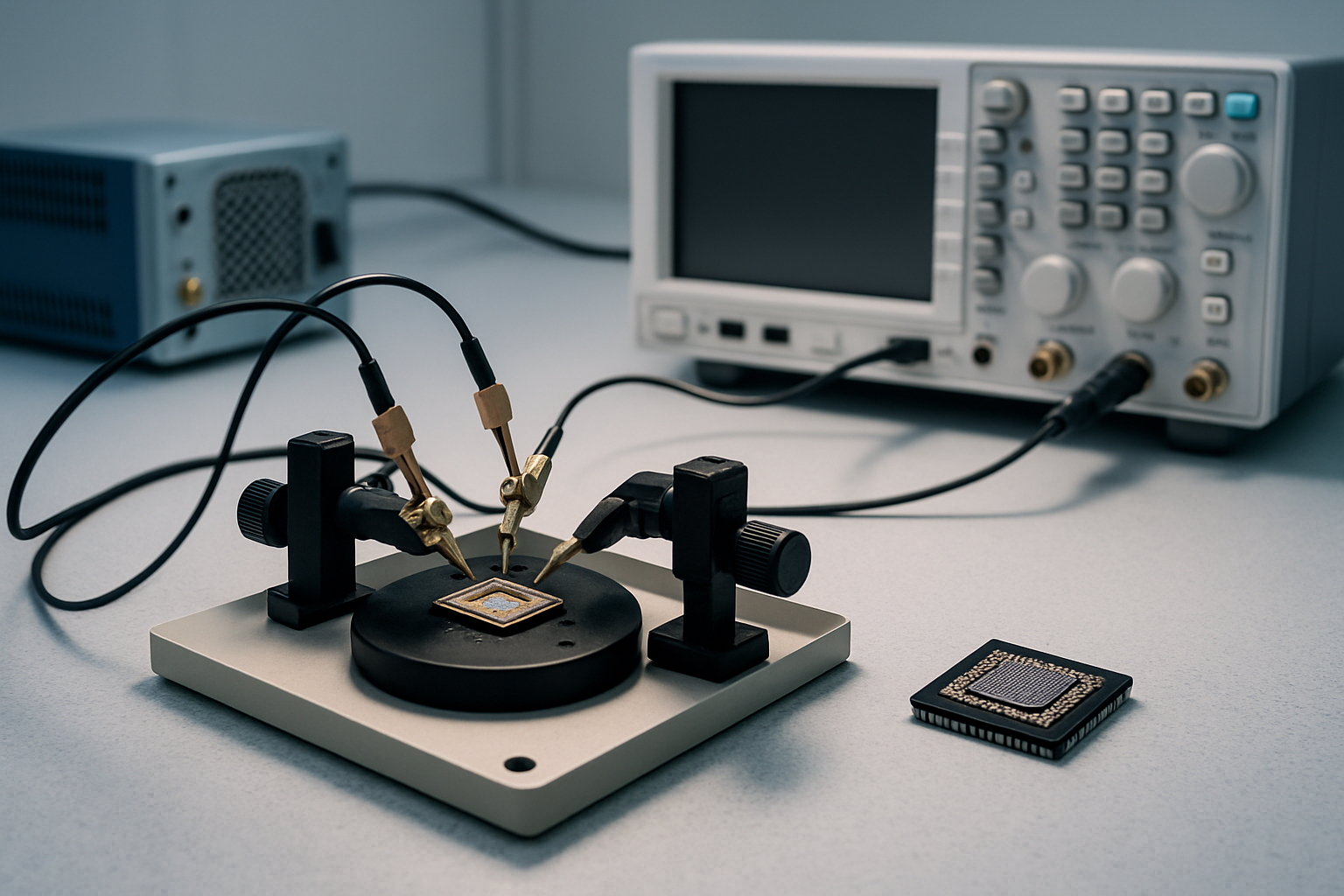
The companies said the development kit is available on request and includes a standalone readout unit for measuring both Melexis’ mGFET products and integrated GFET-on-CMOS sensors. That matters because biosensor performance is not only about the graphene device itself; it also depends on how the sensor is read, packaged, and stabilized in a usable system.
Graphene field-effect transistor sensors are often discussed for their ability to detect minute changes at the surface of a device, but moving them into reliable product form has been a persistent challenge. An evaluation platform does not solve every commercial hurdle, yet it gives customers and partners a way to test device behavior under more realistic conditions.
Why GFET-on-CMOS is the meaningful step
The collaboration centers on integrated GFET-on-CMOS architecture, which combines graphene sensing elements with conventional CMOS electronics. In practice, that pairing is important because it can reduce the distance between sensing and signal processing, improve system integration, and make the hardware easier to scale into compact instruments.
For biosensing applications, tighter integration can also support more consistent measurement workflows and simplify development for medical, industrial, or research users. The latest announcement does not claim a commercial launch, but it does show the project moving deeper into validation and productization rather than remaining at the concept stage.
Commercialization now depends on evaluation, not just materials science
Graphene biosensors have long attracted attention for sensitivity, but commercialization tends to hinge on repeatability, packaging, and the quality of the readout chain as much as on the nanomaterial itself. The new kit suggests the companies are trying to address those practical issues by giving developers hardware they can actually test against.
That kind of tooling can shorten the path from prototype to application-specific development, especially in areas where sensor performance must be measured against known standards. The announcement also signals that the partnership is being built around a platform approach rather than a one-off device demonstration.
For now, the strongest signal is operational: graphene biosensing is being pushed into an integrated, testable format that looks closer to a product development workflow than a laboratory sample.
Source: Graphenea Semiconductor
Date: 2025-11-21