SWFT Labs sets April 23 launch for first cellulose nanomaterials product as it moves into commercialization
SWFT Labs is preparing to launch its first commercial product on April 23, a milestone that moves the company’s cellulose nanomaterials platform out of the lab and into the market. The Stony Brook University-linked startup said the initial rollout will focus on agriculture, where its materials are intended to improve nutrient delivery, water retention and the performance of crop-protection and fertilizer inputs.
Stony Brook-backed Nitro-Oxidation Process reaches first product launch
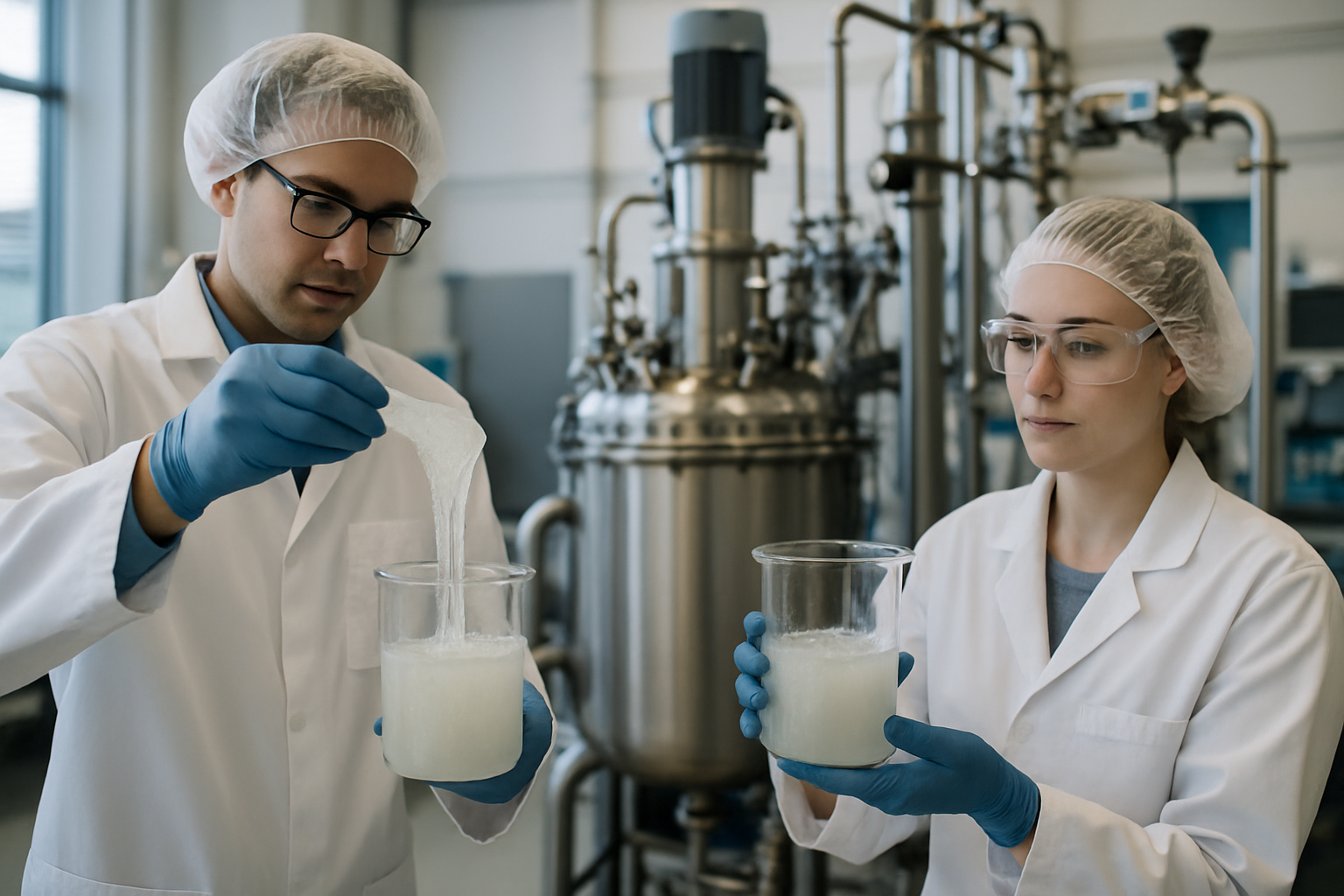
The platform is built around the Nitro-Oxidation Process, or NOP, a patented technology developed at Stony Brook University and licensed exclusively worldwide to SWFT Labs. The process is designed to produce highly functional carboxylated cellulosic nanofibers, a form of nanomaterial derived from cellulose, the most abundant biopolymer on Earth.
SWFT Labs said the new materials can be tuned for specific applications through chemistry control, with the company positioning the process as a scalable route to replace some petroleum-derived materials and reduce reliance on plastics and microplastics.
Agriculture is the first commercial proving ground
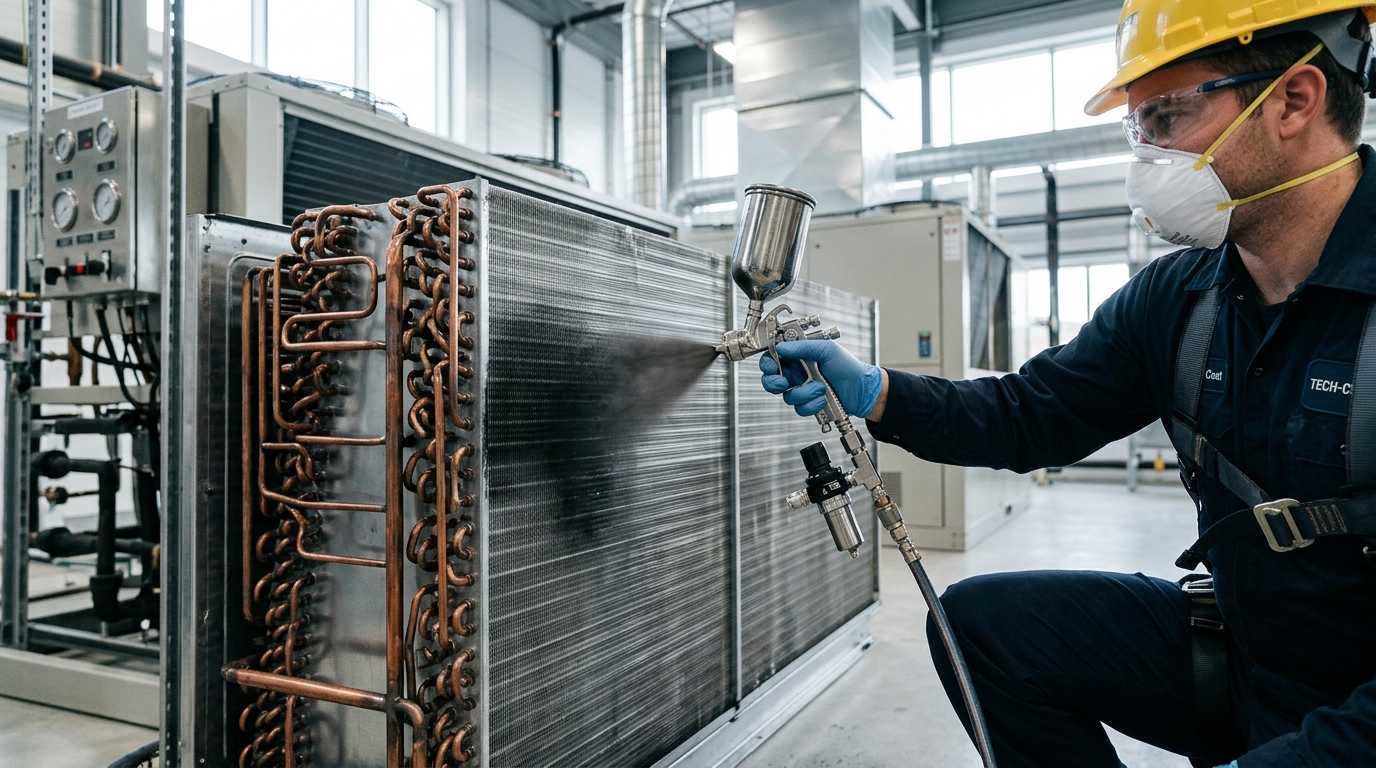
The company said its launch package will include four core products built for agricultural use. Those products are aimed at improving nutrient delivery efficiency and helping retain water in soil or growing media, while also boosting the performance of fertilizer and crop-protection inputs.
That makes agriculture the first real-world test of whether the platform can move beyond research validation and into repeatable commercial demand. SWFT Labs said the platform has already seen more than a decade of research, federal grant support and industrial validation.
Manufacturing scale and expansion remain the next hurdles
SWFT Labs said it plans to open a Series A financing round in the third quarter of 2026 to expand manufacturing capacity and deepen strategic partnerships. The company also said it is already in discussions with potential partners across industrial materials, water filtration, beauty and personal care, medical technologies and aerospace.
For the nanomaterials sector, the April 23 launch is significant less as a product debut than as a commercialization checkpoint. Cellulose-based nanomaterials have long been promoted as a lower-impact alternative to conventional materials, but few platforms reach an explicit market launch with a defined first application and a stated scale-up plan.
The near-term question is whether SWFT Labs can translate its process chemistry into a dependable commercial supply chain. For now, the company has put a date on its first attempt.
Source: Stony Brook University News
Date: 2026-03-18