HydroGraph says graphene coating boosted copper heat transfer by 152% in cooling study
HydroGraph Clean Power is leaning on new peer-reviewed research to push its graphene cooling technology toward commercial use, saying a study published on September 16, 2025 found its oxygenated graphene aerosol coating increased copper’s heat transfer coefficient by 152%. The company said the result supports a scalable thermal management approach for microelectronics, electric vehicles, data centers and other high-power systems.
HydroGraph’s aerosol coating moves beyond lab conductivity claims
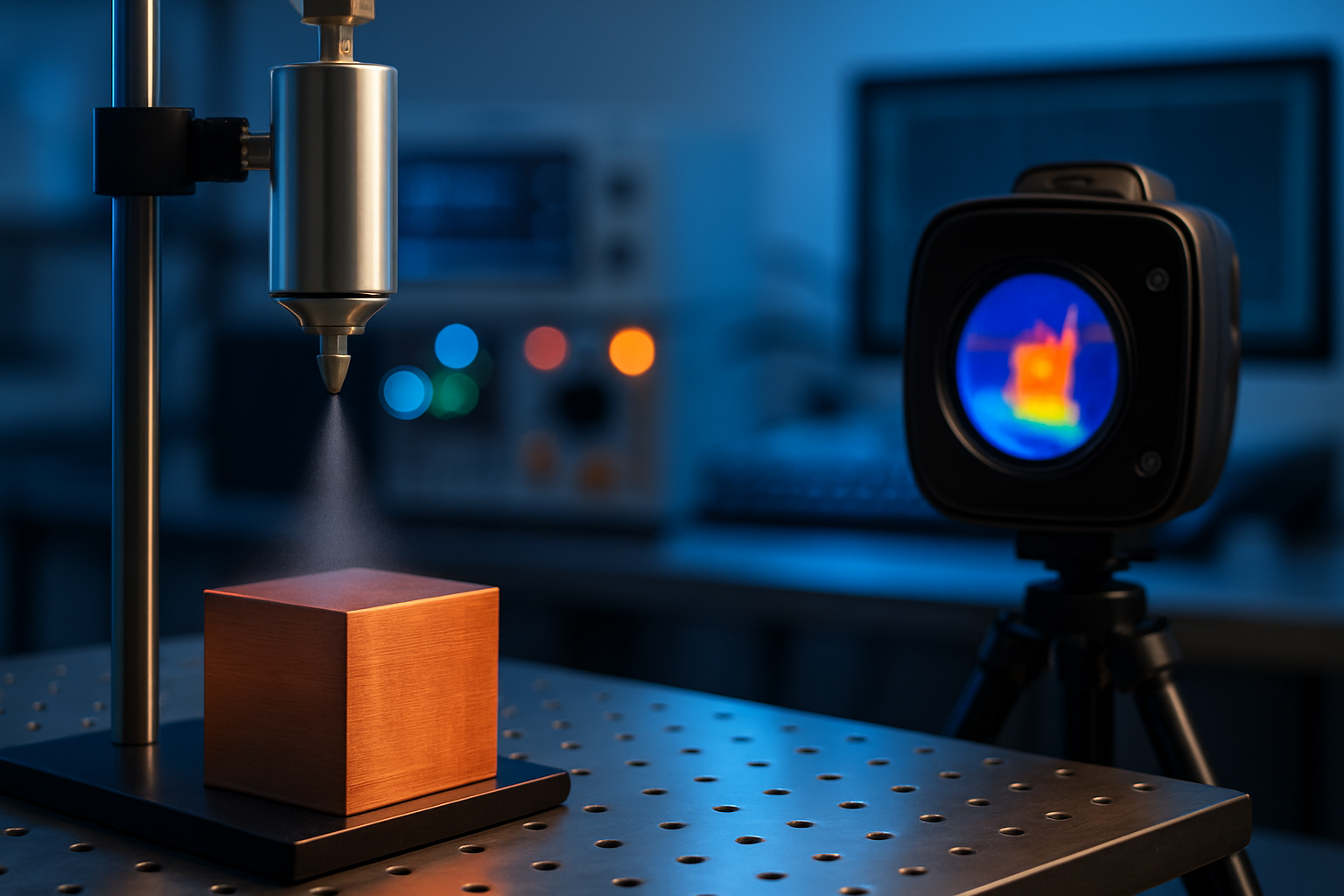
The study tested three graphene-based coatings on copper substrates, including two aerosol graphene inks made with a one-step gas-phase detonation process and one coating made through liquid-phase ultrasonic exfoliation. According to the company, the coated surfaces delivered more than 1.5 times the heat transfer of bare copper and improved critical heat flux by 40%.
HydroGraph said the coating’s performance came not only from graphene’s thermal properties but also from the surface texture created by the layered application. The company described that texture as helping bubble formation and evaporation, which can improve cooling in high-heat environments.
Why the result matters for electronics and energy hardware
As chips, power electronics and dense computing systems continue to run hotter, thermal management has become a design constraint rather than an afterthought. Copper and aluminum remain common heat-spreading materials, but manufacturers are increasingly looking at coatings and composites that can raise heat transfer without adding much bulk or complexity.
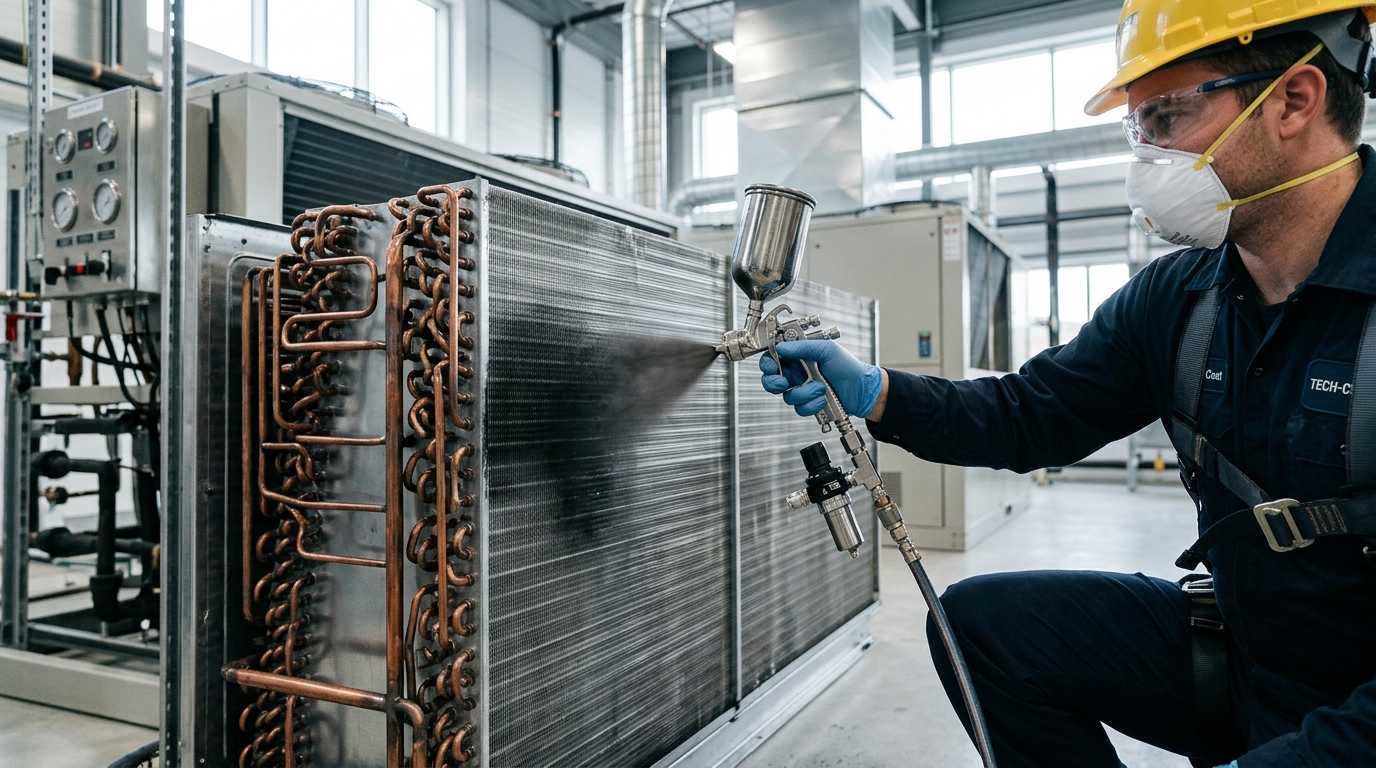
HydroGraph is pitching the aerosol format as a manufacturable option, arguing that a sinter-free process could make graphene coatings easier to integrate into existing production lines. That is a key distinction if the technology is to move from materials validation into commercial hardware.
What HydroGraph is claiming now
The company said the study strengthens the case for graphene aerogel ink as a cost-effective thermal management material and a potential fit for applications where cooling performance affects reliability, power density and service life. It also framed the work as evidence that graphene coatings may be useful in solid-state systems where thermal bottlenecks limit performance.
HydroGraph did not disclose a product launch or customer shipment tied directly to the study, but the research gives the company a concrete performance claim to support future commercialization discussions in microelectronics cooling and adjacent markets.
Source: GlobeNewswire / HydroGraph Clean Power Inc.
Date: 2025-09-16T08:00:00-04:00