Nature study points to roll-to-roll TiO2 coatings as a manufacturing path for visible metalenses
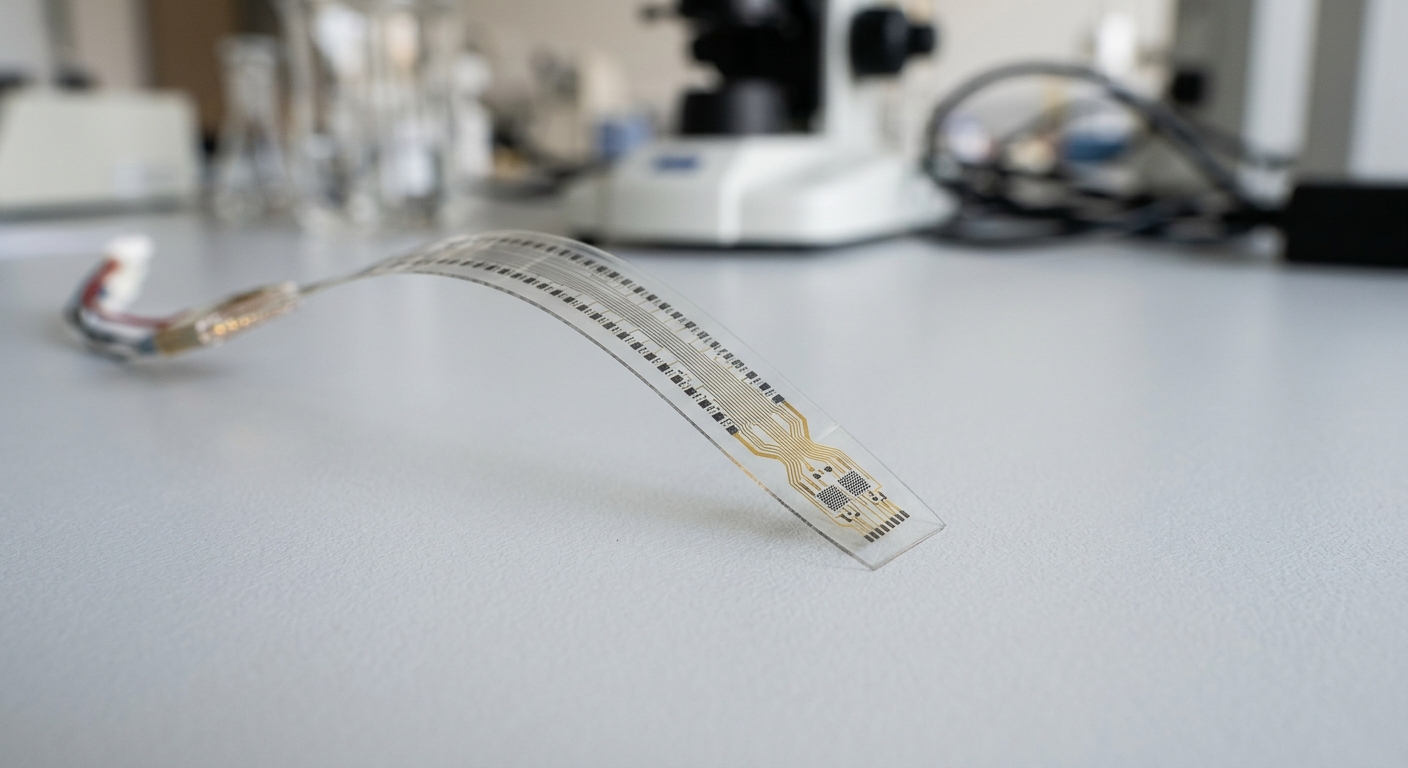
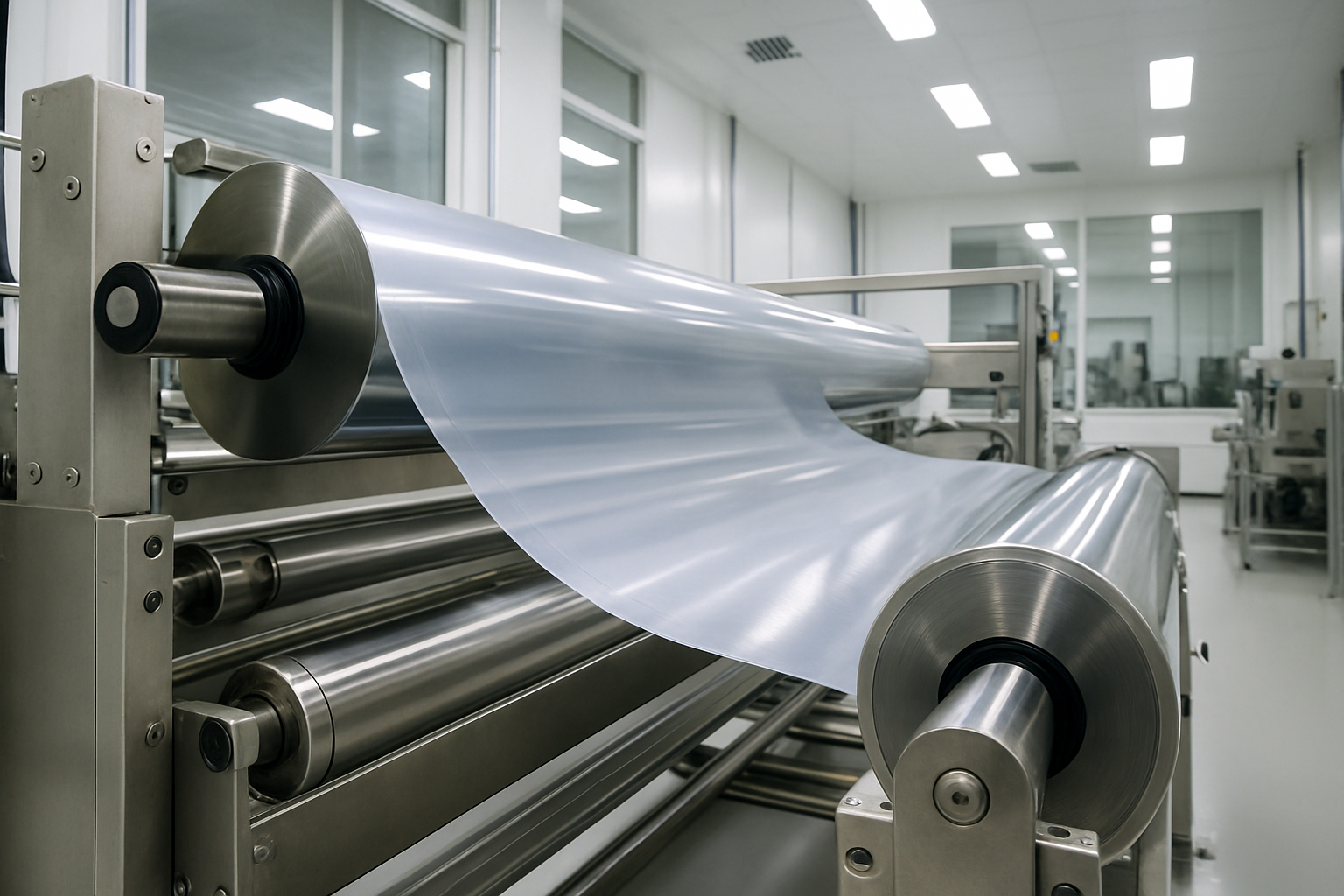
A new Nature paper published April 15, 2026 describes a roll-to-roll manufacturing process for visible metalenses that combines nanoimprinting with TiO2 coating, a development that could help move metasurface optics toward industrial production.
Roll-to-roll metalenses use TiO2 coating to push throughput
The study reports industrial-scale fabrication of high-efficiency visible metalenses at 300 units per second, using a roll-to-roll process built around nanoimprinting and titanium dioxide coating. The authors say the approach delivered low cost, high throughput and uniform performance, three constraints that have long limited the jump from optical prototypes to scalable manufacturing.
Metalenses are flat optical components that use nanoscale surface structures to manipulate light. In practice, making them reliably and cheaply at volume has been one of the central barriers to broader adoption. The new process is notable because it treats coating not as a finishing step, but as part of the manufacturing architecture itself.
Why the coating step matters for commercialization
For metasurfaces and metalenses, the technical challenge is not only performance in the lab. It is whether the optical response can be reproduced across large areas, on fast lines, without eroding yield. The report frames the TiO2 coating process as part of that answer, pairing optical function with a production method designed for scale.
That matters because visible-light metalenses have been widely studied for compact imaging systems, smartphone optics, sensing and other applications where traditional lenses are bulky or difficult to integrate. A process that can run continuously and consistently is the difference between a promising device class and something manufacturers can actually plan around.
A clearer route for flat optics manufacturing
The paper arrives as materials researchers increasingly focus on whether advanced optics can be made with the same industrial logic that supports displays, semiconductors and coated films. In that context, the combination of nanoimprinting and TiO2 coating is important less for novelty than for manufacturability: it suggests a route to uniform, high-volume production of optical surfaces that remain difficult to machine conventionally.
The broader significance is practical. If the reported throughput and uniformity hold up outside the laboratory setting, visible metalenses could become more realistic for commercial systems that need thin, lightweight optics without sacrificing performance.
For now, the key development is that the coating process is no longer just a materials-science detail. It is part of the production answer.
Source: Nature
Date: 2026-04-15