
Metal-free graphene cathode posts a solid-state magnesium-air advance
Researchers in Japan have reported an all-solid-state magnesium-air rechargeable battery built around a nitrogen-doped nanoporous graphene cathode, a design that replaces platinum-based cathodes with a metal-free alternative and targets lower cost, higher safety and better mechanical flexibility.
Nanoporous graphene takes the cathode role
The battery uses commercially available magnesium metal as the anode and a polymer gel electrolyte infused with magnesium chloride. The key materials change is the cathode: a free-standing, nitrogen-doped three-dimensional nanoporous graphene structure intended to resist chloride attack while supporting the oxygen-reduction reaction.
In the reported tests, the graphene cathode outperformed systems using platinum-based cathodes. The research team also said the solidified electrolyte improved safety and mechanical durability compared with liquid electrolyte designs.
Why the magnesium-air format matters
Magnesium-air chemistry is attracting attention because it can offer high capacity without relying on lithium or platinum, two materials that can raise cost and supply-chain risk. The challenge has been stability, particularly when chloride ions degrade performance inside the cell.
By combining a porous carbon architecture with nitrogen doping, the researchers are trying to solve that weak point rather than adding more expensive catalyst metals. That makes the result relevant beyond a single lab demonstration, especially for battery developers looking at lower-cost chemistries for electrified transport and stationary storage.
Flexibility was part of the result, not an afterthought
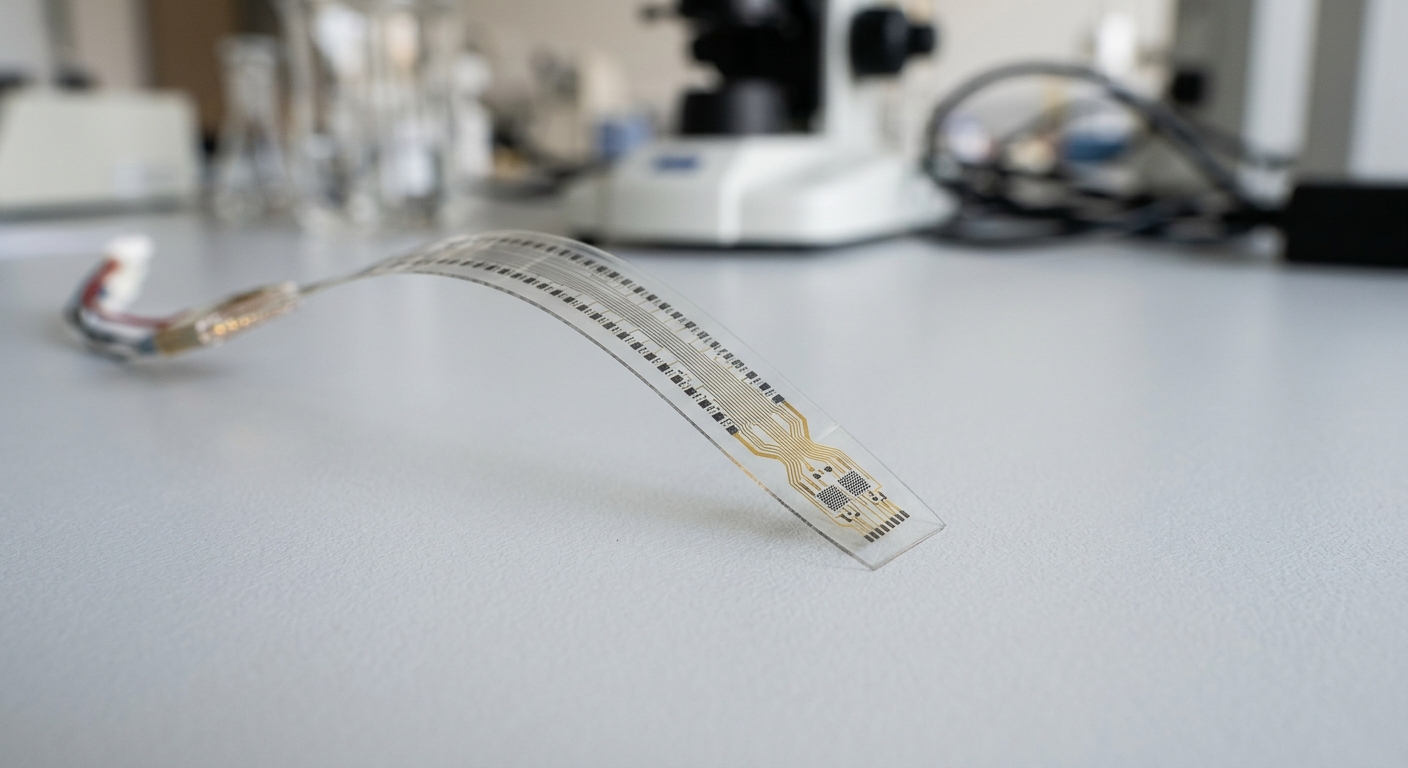
The team reported that the battery retained its initial performance even when bent to 120 degrees, without electrolyte leakage. That detail matters because it suggests the solid-state format is not only a performance experiment but also a packaging and safety experiment, with possible implications for wearable devices or curved-form-factor power systems.
The work was published in February 2026 in Chemical Engineering Journal, but it is resurfacing now as one of the cleaner examples of nanomaterials moving from structural novelty to functional battery engineering.
Source: EurekAlert! / University of Tsukuba
Date: 2026-03-04