Additively made aluminum alloy keeps strength at 400 C in latest Nature Communications paper
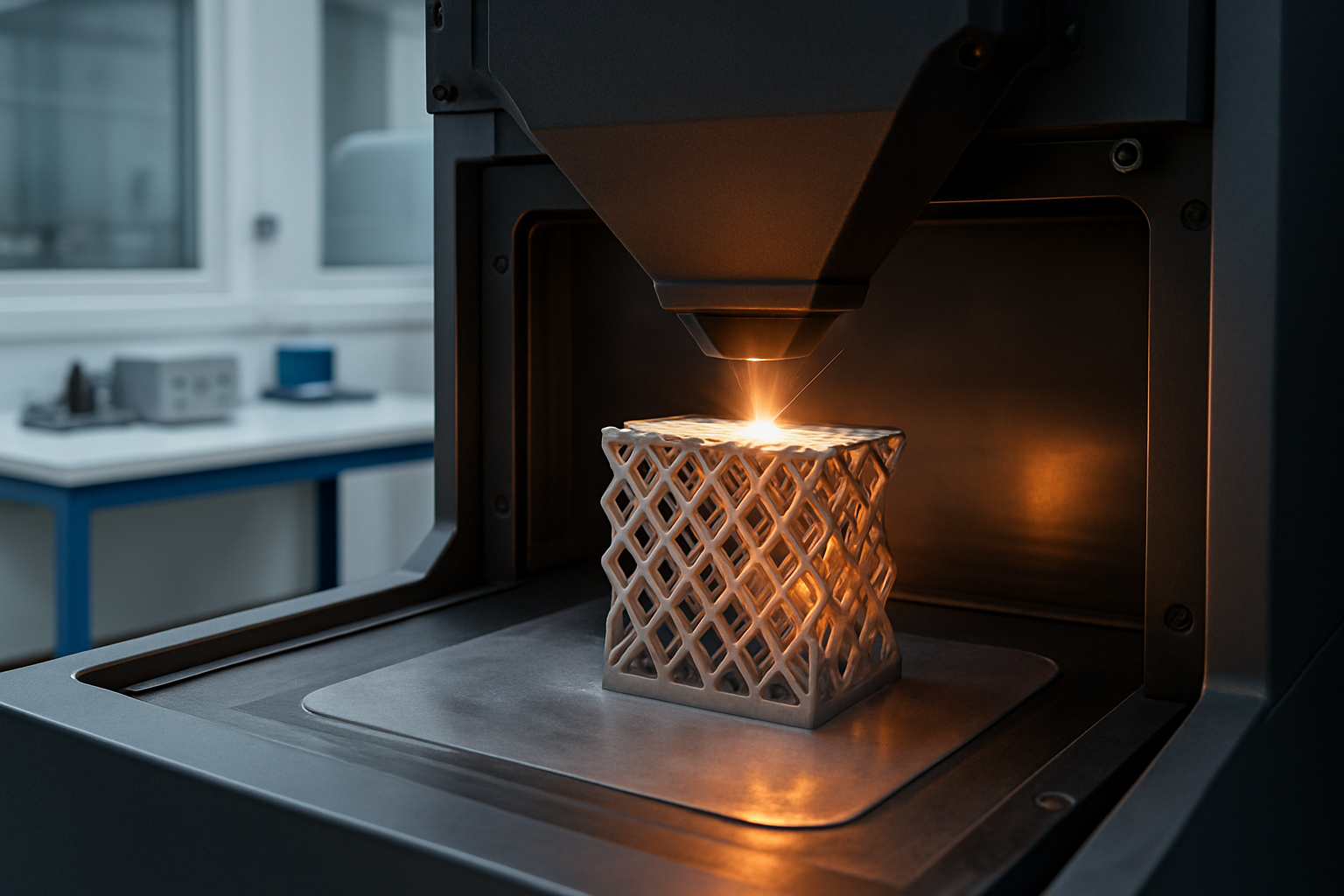
Researchers have reported a 3D-printed aluminum alloy that holds together under heat far better than conventional commercial grades, a result that could push lightweight metals into hotter industrial settings. Published on April 15, 2026, the study describes a laser powder bed fusion process that produced an aluminum alloy with high room-temperature strength and measurable resistance to creep at 400 C.
Heat-resistant nanophases form during printing
The central advance is not a new alloy family so much as a new way to lock in structure during manufacture. The team embedded heat-resistant multicomponent intermetallic nanophases at cell boundaries as the alloy solidified, creating thermally stable cellular structures without any additional post-treatment.
According to the paper, the as-printed material reached an average room-temperature tensile strength of 582 MPa. At 400 C, it retained a tensile strength of 114 MPa and showed exceptional creep resistance, a property that matters when parts must carry load for long periods at elevated temperature.
Why the result matters for lightweight manufacturing
Commercial aluminum alloys are widely used because they are light, but their heat resistance has limited them in applications that run hot enough to weaken conventional grades. The authors say the new approach addresses that gap by combining strength, ductility and thermal stability in a single additively manufactured material.
The paper also points to a second mechanism at work during deformation: partial solid-state amorphization of the nanophases at 300 C to 400 C creates a nano-dual-phase glass-crystal structure that adds toughness. In practical terms, that suggests the alloy does not simply survive heat better; it also resists brittle failure as conditions become more demanding.
What it could mean for aerospace, energy and other high-temperature parts
If the process scales beyond the lab, the clearest near-term use cases are components where engineers want aluminum’s weight advantage but need more thermal headroom than existing alloys can offer. That includes some aerospace hardware, energy systems and industrial parts where heat and mechanical loading overlap.
The authors argue the approach is compatible with the freeform capabilities of powder-bed additive manufacturing, which means it could eventually support large-scale industrial production if repeatability, qualification and cost line up. For now, the result gives materials engineers a sharper option for designing aluminum parts that are not limited to cooler operating windows.
Source: Nature Communications
Date: 2026-04-15