Plaid Technologies opens commercial assessment of graphene water-shedding coatings for glass and metal
Plaid Technologies has launched a strategic assessment of graphene-based water-shedding coatings, films and membranes for glass and metal, moving the material into a more practical phase of commercial evaluation. The company said the review is meant to gauge not only technical readiness, but also whether the technology can be inserted into existing manufacturing and supply chains.
Commercial screening for graphene water-shedding coatings
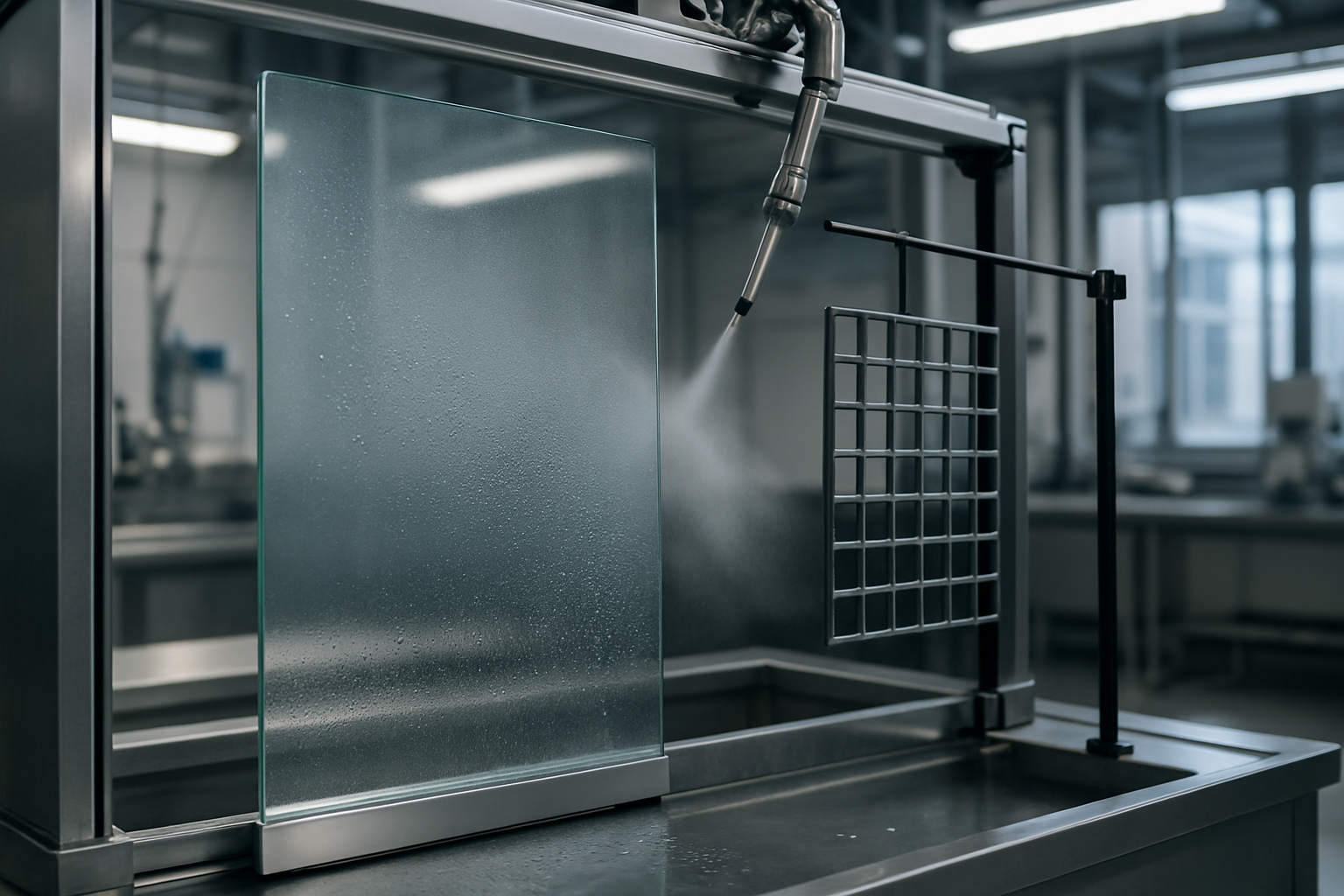
The assessment, announced on January 23, 2026, is centered on graphene-based water-shedding coatings for glass and metal applications. Plaid said it is evaluating performance potential alongside the market case for the technology, including where it could fit relative to conventional coating systems already in use.
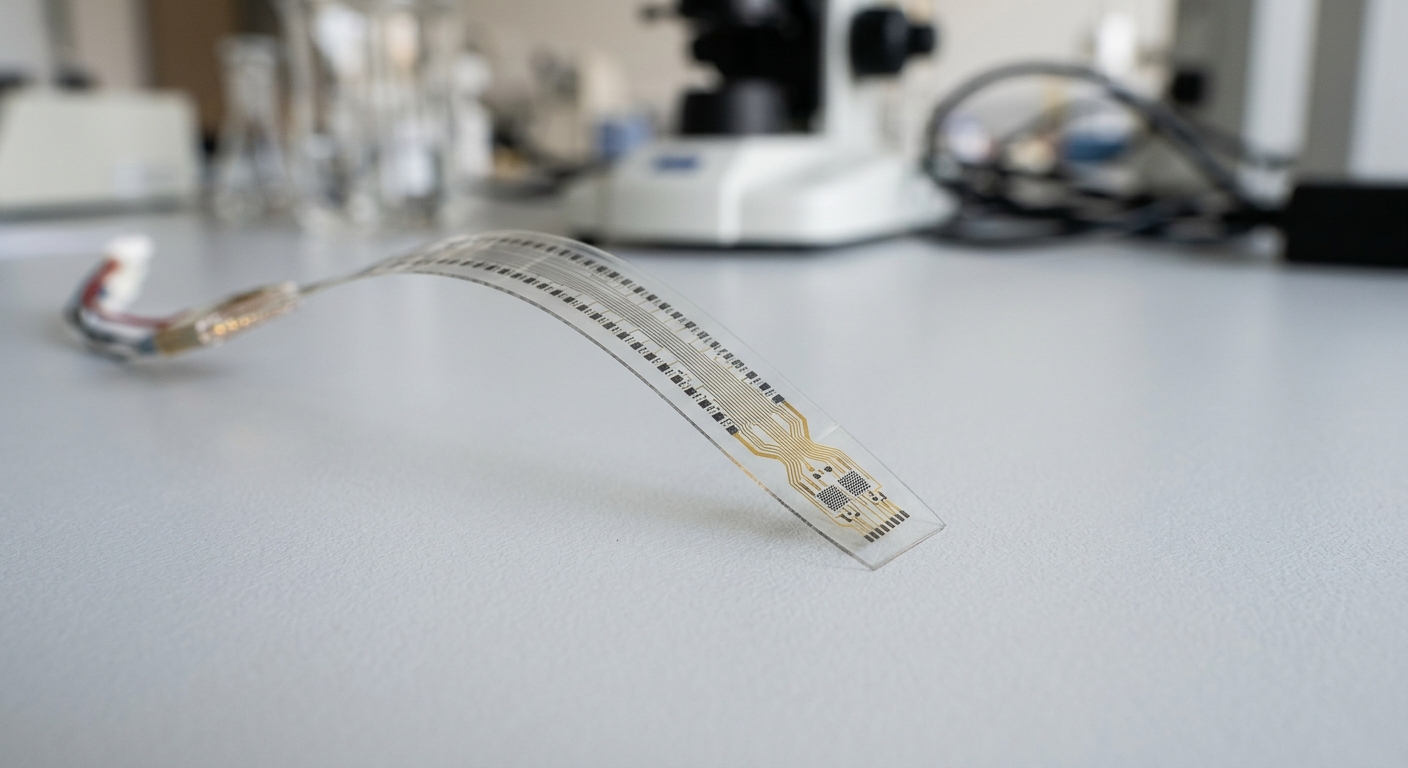
The work also extends to graphene-based films and membranes, suggesting the company is examining a broader platform rather than a single product concept. For coatings developers, that kind of screening is often a key step before pilot-scale trials or customer qualification.
Manufacturing fit is part of the test
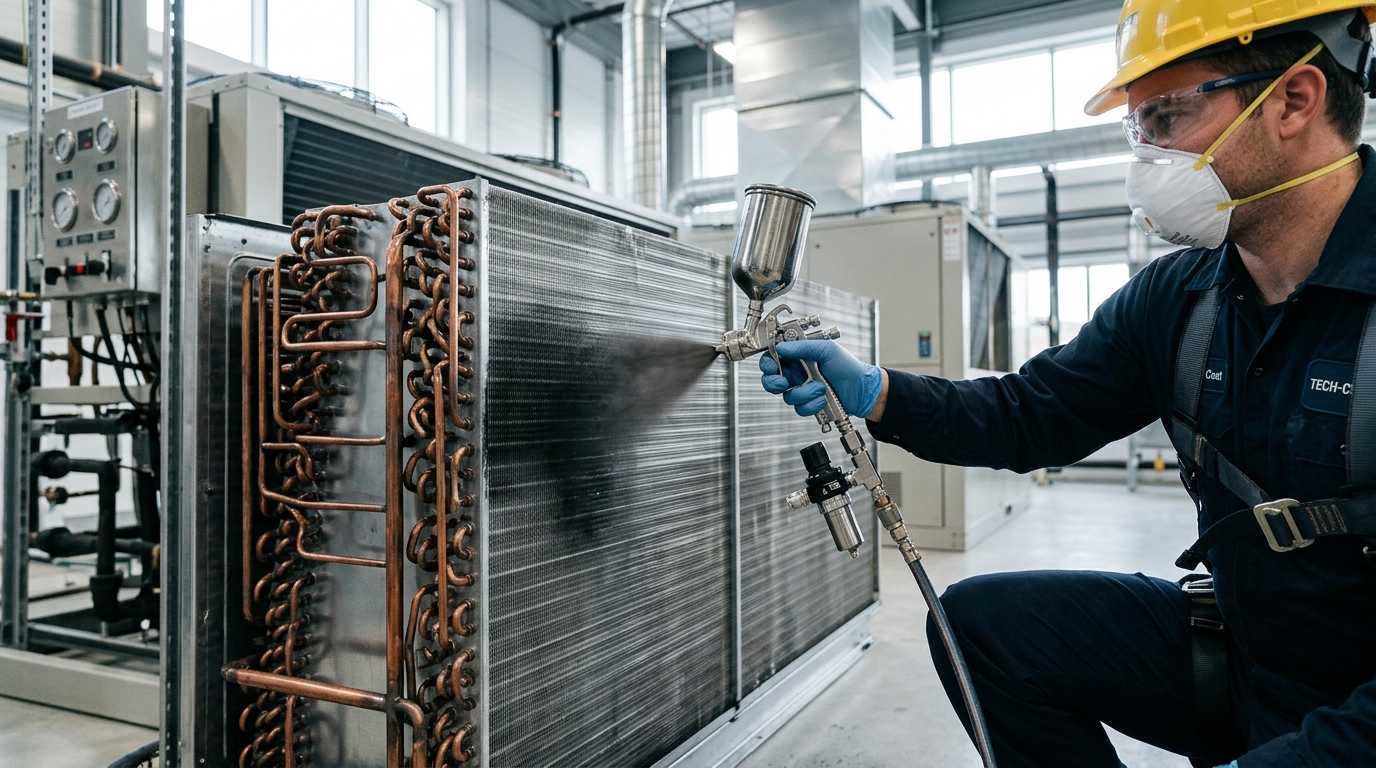
Plaid said the review will look at supply-chain integration points and manufacturing insertion opportunities, which is usually where promising materials either gain traction or stall. In coatings, a formulation can show attractive surface behavior in the lab, but still fail to scale if it depends on incompatible deposition methods, hard-to-source inputs or costly process changes.
That emphasis makes this announcement more than a materials update. It points to a commercial due diligence phase in which the company is testing whether graphene’s performance characteristics can be matched by a manufacturing pathway that customers could realistically adopt.
Why glass and metal surfaces matter now
Water-shedding coatings are most useful when they can reduce maintenance, improve durability or help surfaces stay functional in demanding environments. Glass and metal are common substrates across architecture, transportation and industrial equipment, so even incremental gains in wetting control, cleanliness or weather resistance can matter if the coating is robust enough to survive real-world use.
For graphene developers, that commercial promise has to be balanced against the practical limits of integration, cost and consistency. Plaid’s assessment is aimed at determining whether its approach can clear those hurdles and compete against established coating chemistries rather than remaining a specialty material in search of a use case.
A first check on market readiness
The January 23 announcement does not amount to a product launch or a customer contract, but it does mark a formal step toward deciding whether the technology deserves further investment. If the assessment shows a credible path to scale, Plaid could move toward validation work with potential partners or end users in coatings markets that are usually slow to adopt new materials.
Source: GlobeNewswire
Date: 2026-01-23