Fraunhofer tests electrochemical process to recover lithium, cobalt and nickel from battery recycling waste
Fraunhofer researchers said on April 1, 2026, that they are developing an electrochemical recycling process designed to recover lithium, cobalt and nickel from battery wastewater with less energy than conventional methods and without added acids or bases. The work targets one of the battery sector’s most pressing constraints: getting more value back from spent materials while lowering the cost and environmental burden of recycling.
Selective extraction from recycling wastewater
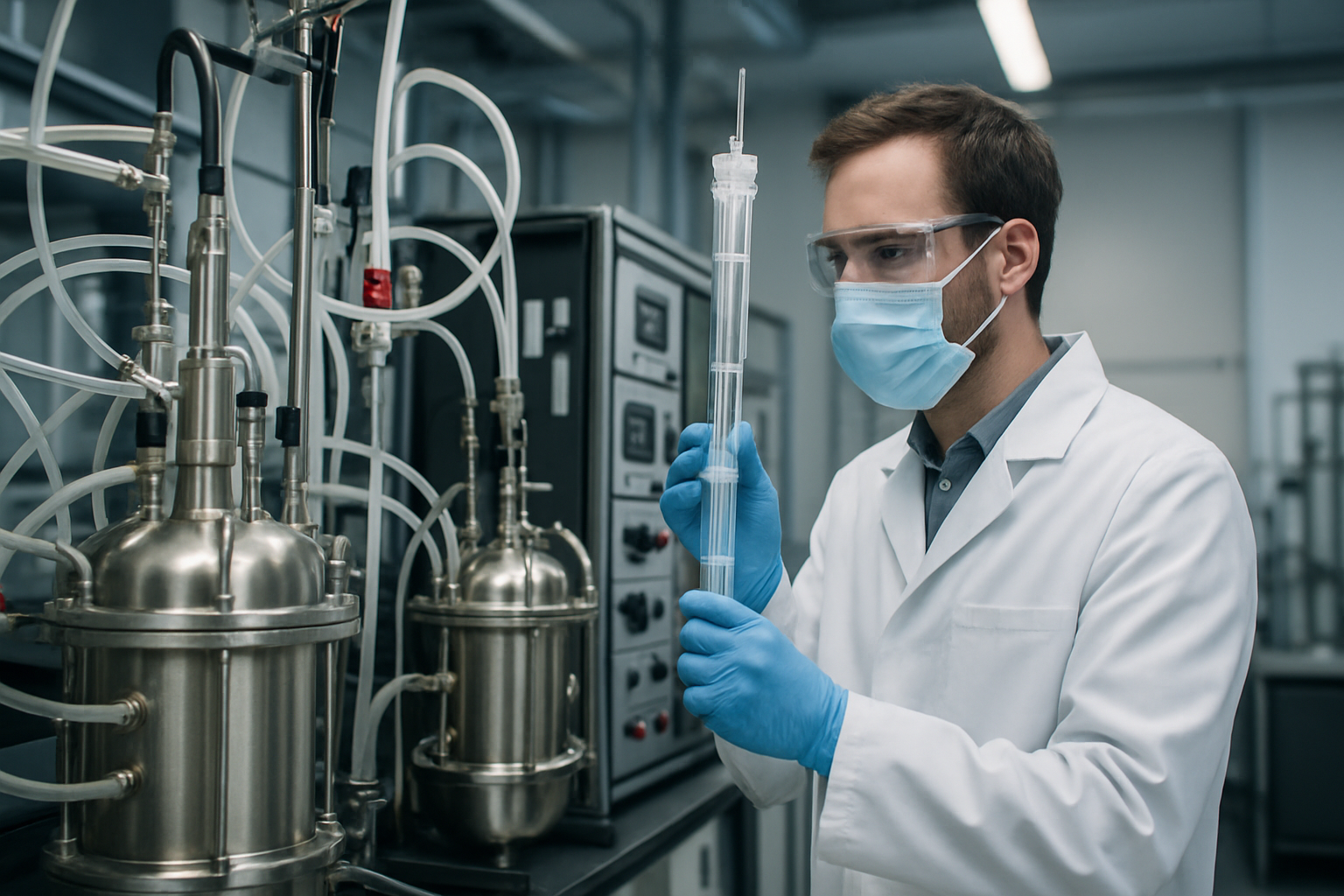
The process, developed at Fraunhofer IFAM under the MeGaBat project, routes wastewater from battery recycling through an electrochemical reactor fitted with specialized electrodes. Those electrodes are designed to selectively capture ions from the stream, allowing the team to isolate materials such as lithium and then recover them as a high-purity powder.
Fraunhofer said the same approach could be adapted to recover cobalt, nickel and copper, and potentially rare earth elements in the future. The institute said the method has already been tested in the laboratory and is now moving toward a large-scale pilot plant.
Why the battery industry is paying attention
Conventional pyro and hydrometallurgical recycling routes are energy-intensive and often rely on chemical reagents. Fraunhofer said its approach could improve overall process efficiency by an estimated 30% to 40% while also reducing dependence on imported critical raw materials.
That matters as battery makers and recyclers face growing pressure to lower emissions across the supply chain and increase the share of recycled content in new products. The institute said future European rules will require manufacturers to disclose more of their carbon footprint and use more recycled material, raising the value of recovery systems that can deliver both purity and throughput.
From lab result to pilot-scale recycling
The MeGaBat project is funded by Germany’s Federal Ministry of Research, Technology and Space and runs through the end of 2028. Fraunhofer said it will present a model of the process at Hannover Messe, while the pilot phase is intended to show whether the lab results can translate into an industrial workflow.
If the scale-up works, the technology could be used not only in battery recycling but also, with modifications, in other water-treatment settings. For now, the immediate significance is narrower and more concrete: a cleaner route to extracting the metals that still define the economics of lithium-ion recycling.
Source: Fraunhofer-Gesellschaft
Date: 2026-04-01