BASF, TSR Group strike battery-recycling partnership in Europe
BASF and TSR Group have agreed to cooperate on recycling electric vehicle batteries in Europe, a move that extends the battery materials chain beyond cathode manufacturing and into the collection, dismantling and discharging of end-of-life packs. The agreement is aimed at strengthening the regional recovery of battery metals at a time when manufacturers are under pressure to secure more local supply.
TSR adds dismantling and logistics to BASF’s Schwarzheide recycling hub
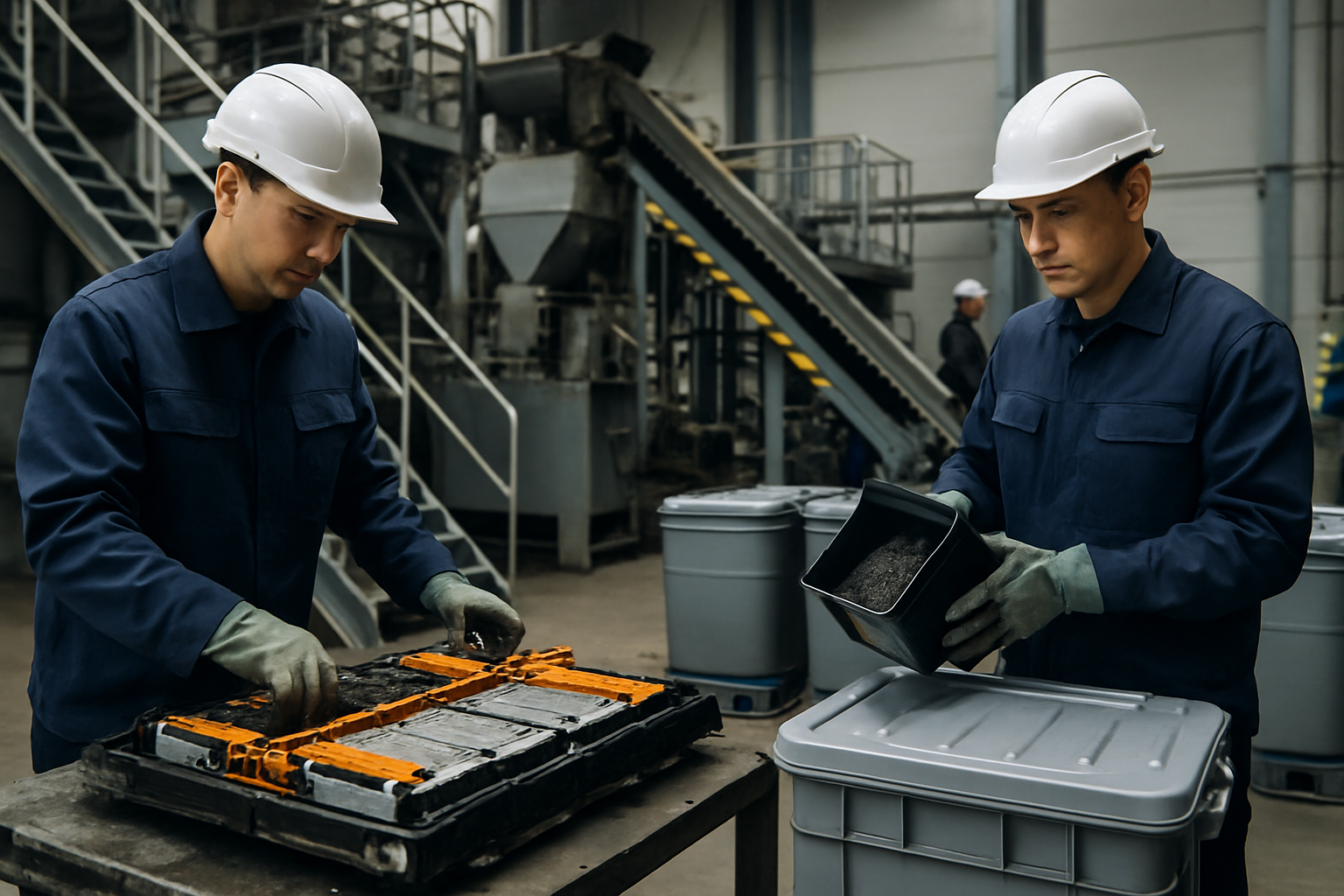
Under the partnership, TSR will handle professional dismantling and discharging of end-of-life batteries, then process spent packs into black mass. BASF already operates a black-mass recycling facility at its Schwarzheide site in Germany, and said the collaboration will broaden its recycling network to additional markets and services along the European battery value chain.
The companies are also evaluating further joint activity, including the handling of metal fractions that come out of black-mass production and closer coordination on end-of-life battery logistics. TSR said its contribution includes a Europe-wide network of more than 190 waste-management-approved sites and established processes for treating metal fractions and electronic components.
Why the deal matters for battery materials supply
The practical significance is not the signing itself, but the point in the chain it plugs. Dismantling and discharge are often bottlenecks in battery recycling because they sit upstream of the metallurgical steps that recover lithium, nickel and cobalt. By bringing in a specialist recycler with logistics reach, BASF is moving closer to a loop in which used batteries can be collected, safely processed and converted back into feedstock for new materials.
For Europe, that matters because battery raw materials remain strategic industrial inputs, and recovery systems are increasingly being judged not just on chemistry but on throughput, traceability and local capacity. BASF said the collaboration is intended to help keep raw materials within the European market and support the reintegration of strategically important materials into industrial use.
Commercial recycling, not lab-scale recovery
The announcement lands as battery recycling moves from pilot projects toward more operationally complete systems. BASF’s Schwarzheide site already serves as a recycling facility for black mass production, while TSR brings established collection and handling infrastructure. Together, the companies are linking upstream battery logistics with downstream material processing rather than treating recycling as a standalone step.
That is the commercial detail to watch: battery recycling only becomes a meaningful materials source when collection, safe discharge, dismantling, black-mass production and metals reintegration are all operating at scale. The new partnership is designed around that industrial sequence, not just the chemistry at the end of it.
Source: BASF
Date: 2026-04-15