Tesla, LG Energy Solution battery deal sharpens U.S. push into grid storage
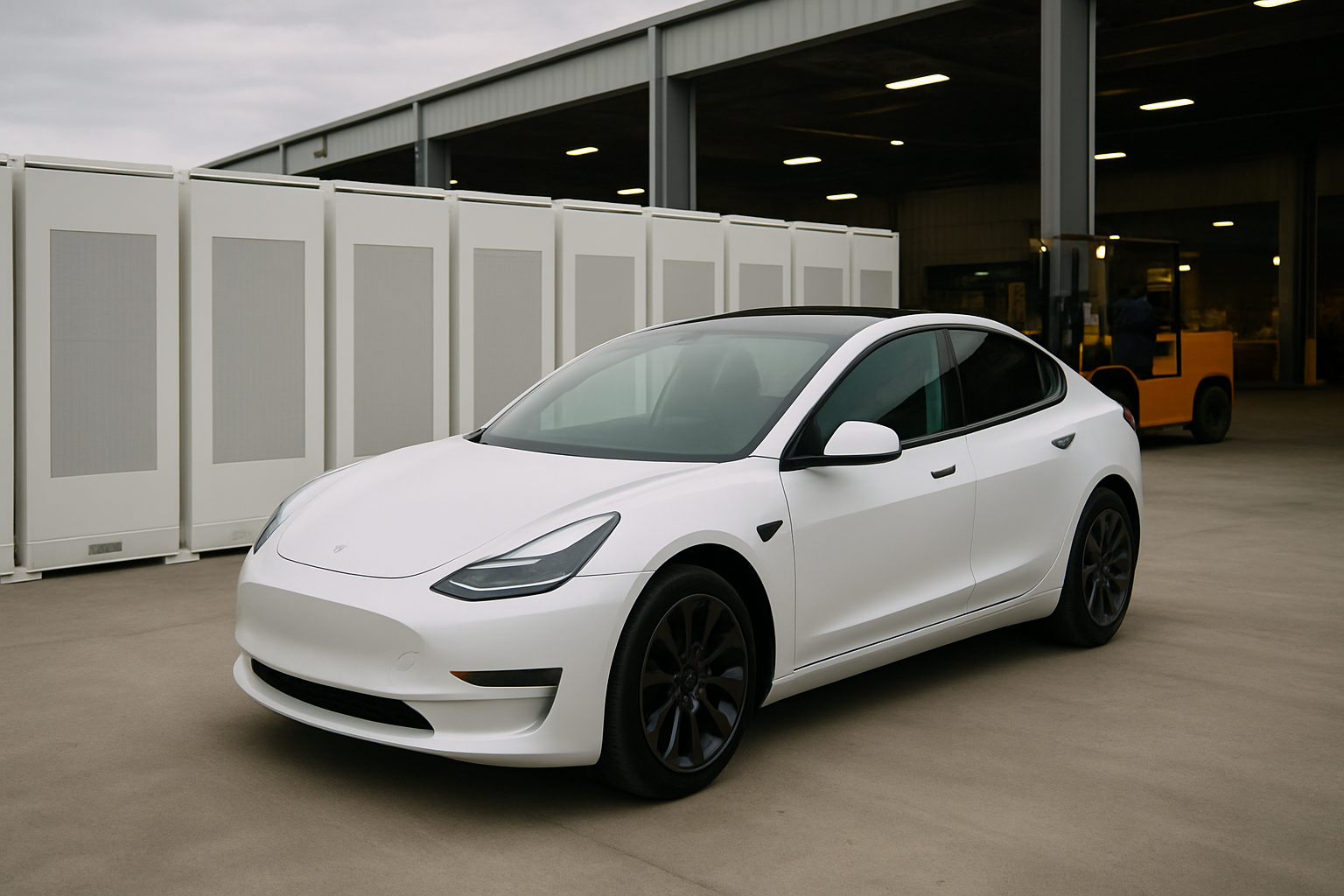
Tesla’s energy-storage business is getting a significant supply-chain boost. A reported $4.3 billion agreement with LG Energy Solution would supply lithium iron phosphate cells for Tesla’s Megapack systems from a U.S. factory, with production expected to begin in 2027.
Tesla’s Megapack supply chain moves closer to U.S. production
The deal, confirmed by the U.S. government and reported by Reuters in March, centers on a lithium iron phosphate battery cell manufacturing facility in Lansing, Michigan. The agreement is notable because it ties one of the best-known grid-storage products in the U.S. market to domestic cell production rather than overseas imports.
LG Energy Solution said it is adapting its Michigan operations for stationary storage demand, part of a broader shift among battery makers toward utility-scale systems as EV market conditions remain uneven. For Tesla, the arrangement gives its storage business a clearer manufacturing base as deployments expand.
Why the Michigan plant matters now
Grid-scale storage has become one of the fastest-growing parts of the power sector, and battery sourcing is increasingly a strategic issue for developers, utilities, and equipment makers. A domestic supply line can reduce exposure to tariffs, shipping delays, and policy swings that have complicated clean-energy procurement.
The reported production launch in 2027 also gives the market a timeline. That matters because many U.S. storage projects planned for the next several years are competing for the same pool of cells, modules, and thermal-management components.
What it changes for large storage projects
The practical effect is less about a single factory than about reliability. Utility-scale batteries are now being built into power-system planning for peak demand, renewable balancing, and large-load growth tied to data centers and electrification.
If the Michigan line comes online as expected, it would add another domestic source of cells for one of the most visible grid-storage platforms in the U.S. That could make scheduling easier for developers and help stabilize procurement for projects that need predictable delivery windows.
A clearer sign of where the market is heading
The broader signal is that energy storage is no longer being treated as a niche add-on to solar and wind. It is becoming a manufacturing and infrastructure category in its own right, with battery supply, domestic production, and project finance increasingly linked. The Tesla-LG agreement is one more sign that the sector is building around that reality.
Source: Reuters
Date: 2026-03-16