Penn State graphene sensors cut liquid drift as research pushes toward commercial use
Penn State researchers have reported a graphene-based sensor architecture that delivers up to 20 times more sensitivity and up to 15 times less signal drift in liquids, addressing one of the main engineering problems that has limited graphene field-effect transistors outside the lab. The team says the design is compact enough to be integrated into standard circuit boards and chip formats, making it more relevant to real-world biosensing than many earlier demonstrations.
Two-gate graphene transistor design targets liquid instability
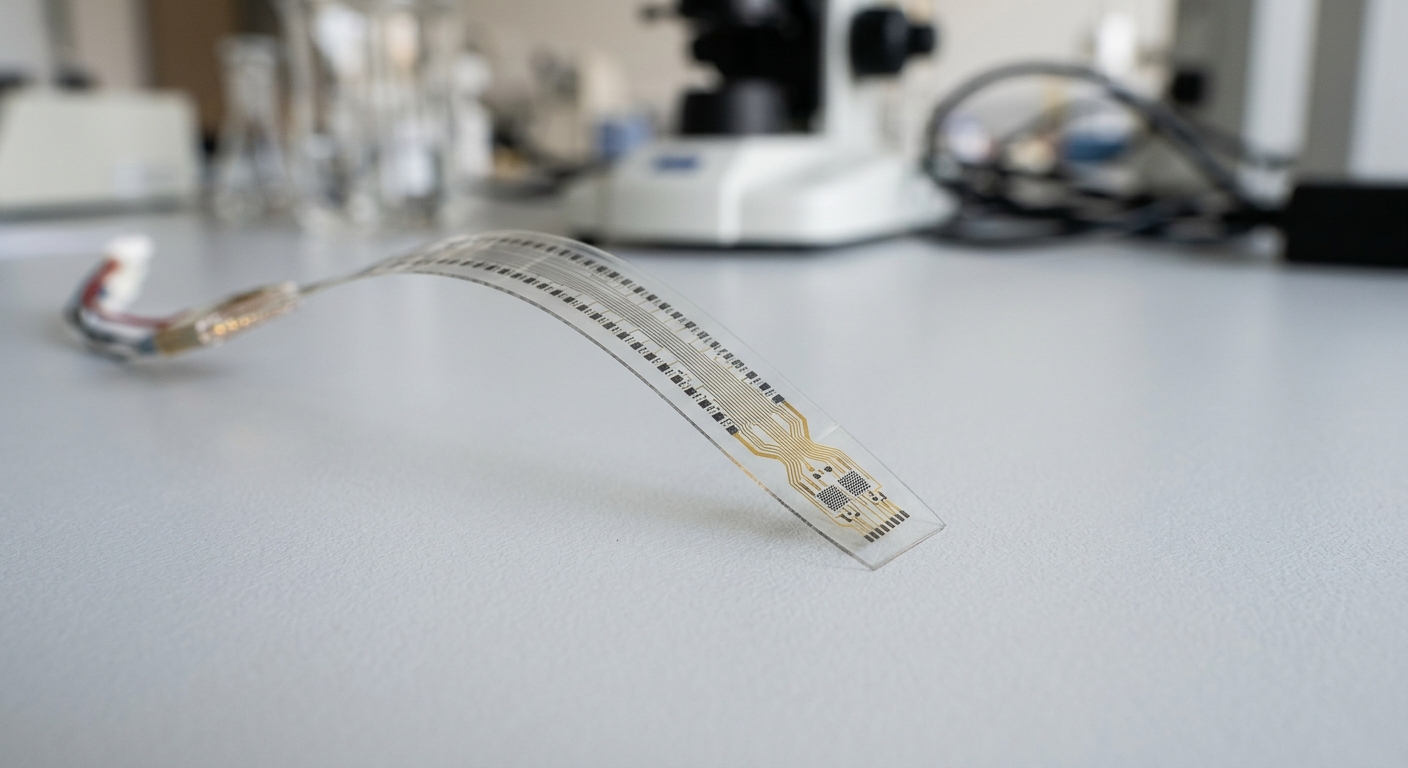
The system uses graphene as the sensing layer in a field-effect transistor, but replaces the conventional single-gate setup with two independently controlled gates. According to the researchers, that change helps keep current stable during measurement and reduces the drift that typically appears when sensors operate in liquid. The design also adds a feedback mechanism that magnifies small surface-charge changes, making the device more responsive to tiny chemical shifts.
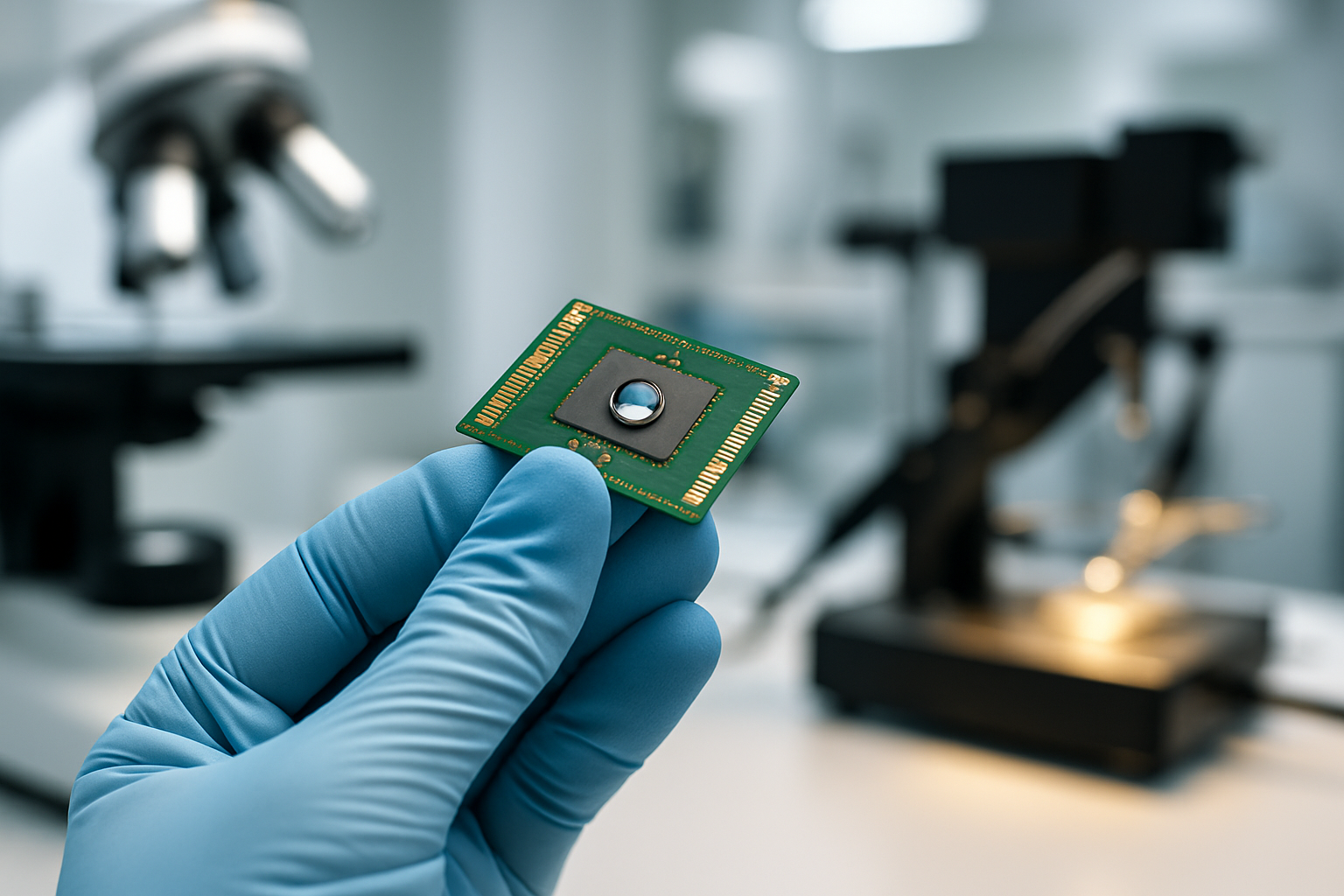
The team tested the sensors on integrated circuit boards using liquid samples containing different biological and chemical compounds. In the reported experiments, the devices tracked changes more accurately than conventional single-gate field-effect transistors, which are often vulnerable to electrical leakage and instability during repeated sweeping measurements.
Why liquid sensing has been a hard limit for graphene biosensors
Graphene has long been attractive for sensors because it is only a few atoms thick and highly sensitive to its environment. In practice, though, liquid environments create a reliability problem: readings can drift even when the sample does not change, which makes continuous monitoring difficult. That has been a major obstacle for implantable devices, wearable diagnostics and other applications where sensors must read consistently over time.
The Penn State team says its architecture was built to address that problem directly. By keeping current running through the device more constant, the design reduces one of the core causes of instability. The researchers also said they can integrate up to 32 sensors and measure each one independently without electrical interference, a useful feature for larger sensing arrays.
Targets range from brain chemistry to water contamination
The researchers say the platform could be adapted to monitor multiple targets, including neurotransmitters such as dopamine and serotonin, the inflammatory biomarker IL-6 and PFAS chemicals in contaminated water. That range matters because many sensing systems are optimized for only one class of analyte, while practical monitoring often requires broader chemical and biological coverage.
The group is now working to refine the architecture for commercial use and is optimizing it for volatile organic compounds associated with Parkinson’s disease. If the system scales as described, it could give graphene sensors a stronger path from proof-of-concept devices toward portable diagnostic tools and environmental monitors that operate reliably in fluids.
Source: Penn State Engineering
Date: 2026-03-17