First Graphene completes 600-tonne graphene cement batch ahead of UK trials
First Graphene has completed production of about 600 tonnes of graphene-enhanced cement in the United Kingdom, a scale-up step that moves the material from development into a new round of application trials. The batch was produced in December 2025 with Breedon at Hope Cement Works in Derbyshire and is now being held for use across several test projects.
600 tonnes now earmarked for roof tiles and infrastructure work
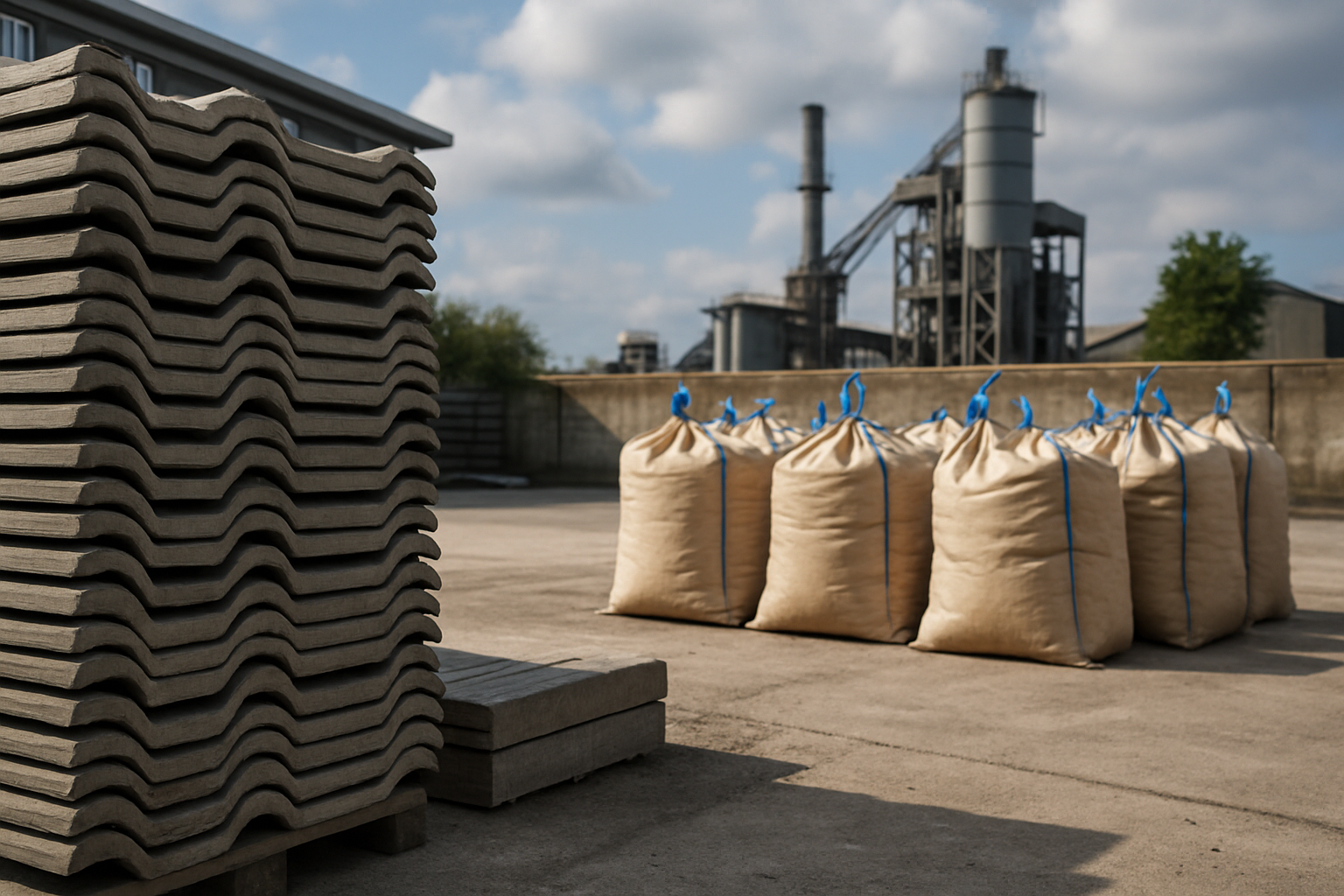
The company said the cement contains about three tonnes of its PureGRAPH-CEM additive and will be used in three main projects in the UK, alongside testing at the University of Manchester. One of the first trials will feed 30 to 40 tonnes of the material into thousands of roof tiles made by FP McCann at its Cadeby plant in Leicestershire.
Those tiles will be assessed over five months at FP McCann’s research and development facility in Knockloughrim, with the trial focused on material use efficiency and waste reduction. First Graphene also said the batch will support two infrastructure projects through Breedon and Morgan Sindall.
Why this batch matters for graphene in construction
The significance of the milestone is not the chemistry alone but the tonnage. Graphene has long been promoted as a performance additive for cement and concrete, but large-scale industrial handling has remained a practical hurdle. A 600-tonne batch gives the material a clearer route into the kind of repeated, real-world processing that construction customers require before wider adoption.
First Graphene said the enhanced cement can reduce CO2 emissions by up to 16% by lowering the amount of clinker, the carbon-intensive ingredient at the center of conventional cement production. That makes the trials relevant not just to product performance, but to the growing pressure on builders and material suppliers to cut embodied carbon without changing established manufacturing lines too aggressively.
UK construction partners are testing the material in existing plant conditions
The company said the cement was added during the final milling stage at Breedon’s existing facility, which is a key operational detail for any material trying to move beyond laboratory claims. If graphene additives can be introduced within standard cement production steps, they become easier to evaluate for broader industrial rollout.
First Graphene also said several other organizations in the UK and Australia have requested trial volumes for testing in their own applications. The immediate question now is whether those trials show enough consistency in performance, manufacturability and cost to justify a wider commercial push in construction materials.
Source: First Graphene Ltd via PR Newswire
Date: 2025-12-17T18:23:00Z