Henkel launches PFAS-free anti-fingerprint coatings for automotive displays
Henkel has introduced a new anti-fingerprint coating portfolio for automotive displays, a move aimed at automakers and suppliers under growing pressure to replace fluorinated surface chemistries without sacrificing optical clarity, durability or production speed. The April 14 launch centers on Loctite AF 8810 and Loctite AF 8812, two coatings formulated without PFAS or fluorine ingredients.
Loctite AF 8810 and AF 8812 target in-vehicle screens
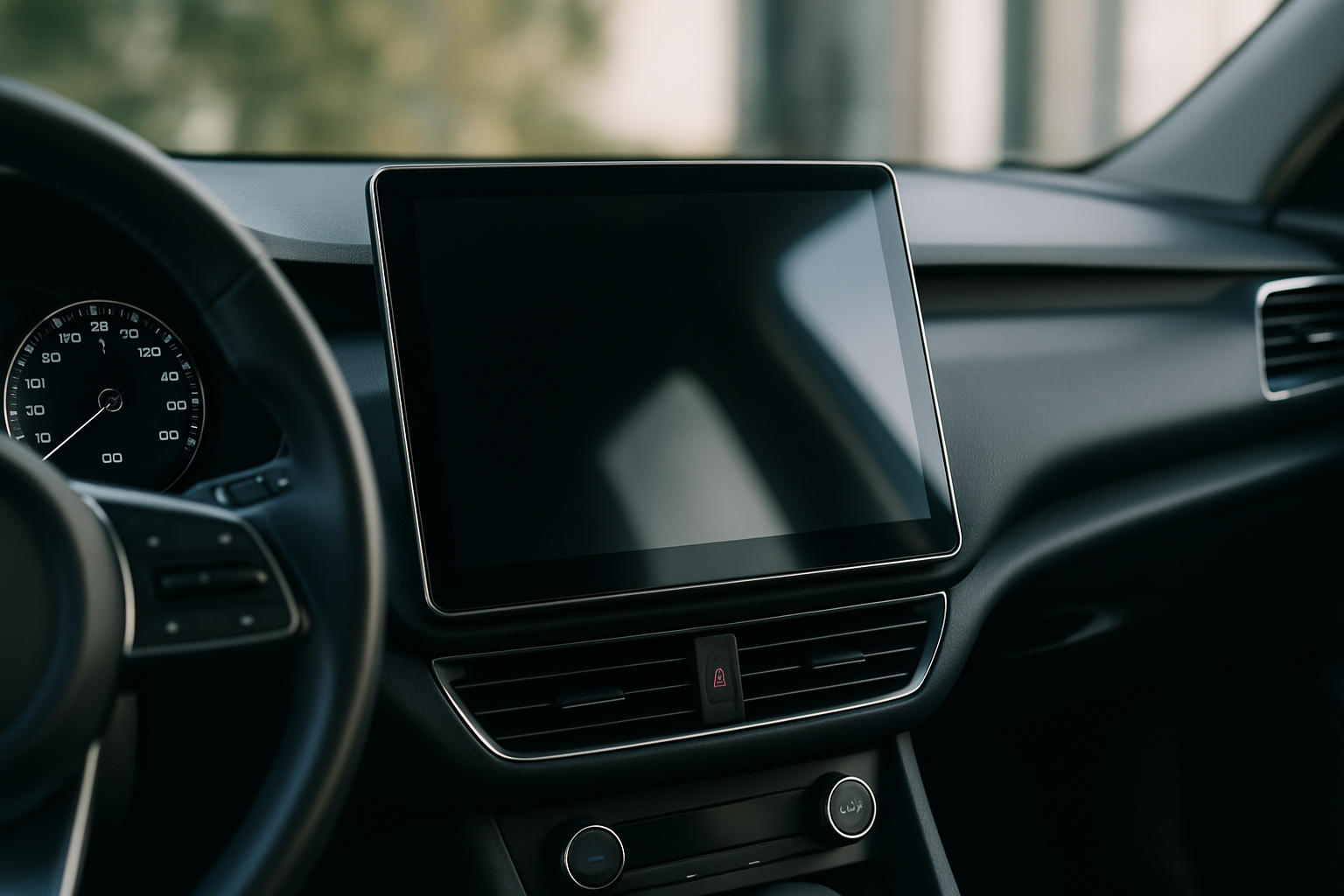
The new coatings are designed for automotive displays and touchscreens, where resistance to fingerprints, abrasion and repeated cleaning is becoming more important as screens grow larger and more central to vehicle interiors. Henkel said AF 8810 is optimized for plastic display cover lenses, while AF 8812 is intended for glass and is rated to 9H hardness.
The company said the coatings are built on silicone-based, low-surface-energy technology and are meant to deliver high optical clarity with minimal haze. Henkel also said the products are intended to maintain hydrophobic performance after prolonged ultraviolet exposure and after 5,000 abrasion cycles in internal testing.
Regulatory pressure is shaping coating choices
The launch lands as manufacturers in Europe, the United States and Asia face tighter scrutiny of PFAS use across industrial products. That is pushing coatings developers to replace fluorinated chemistries in applications that still need low friction, easy-clean surfaces and visual performance suitable for premium automotive interiors.
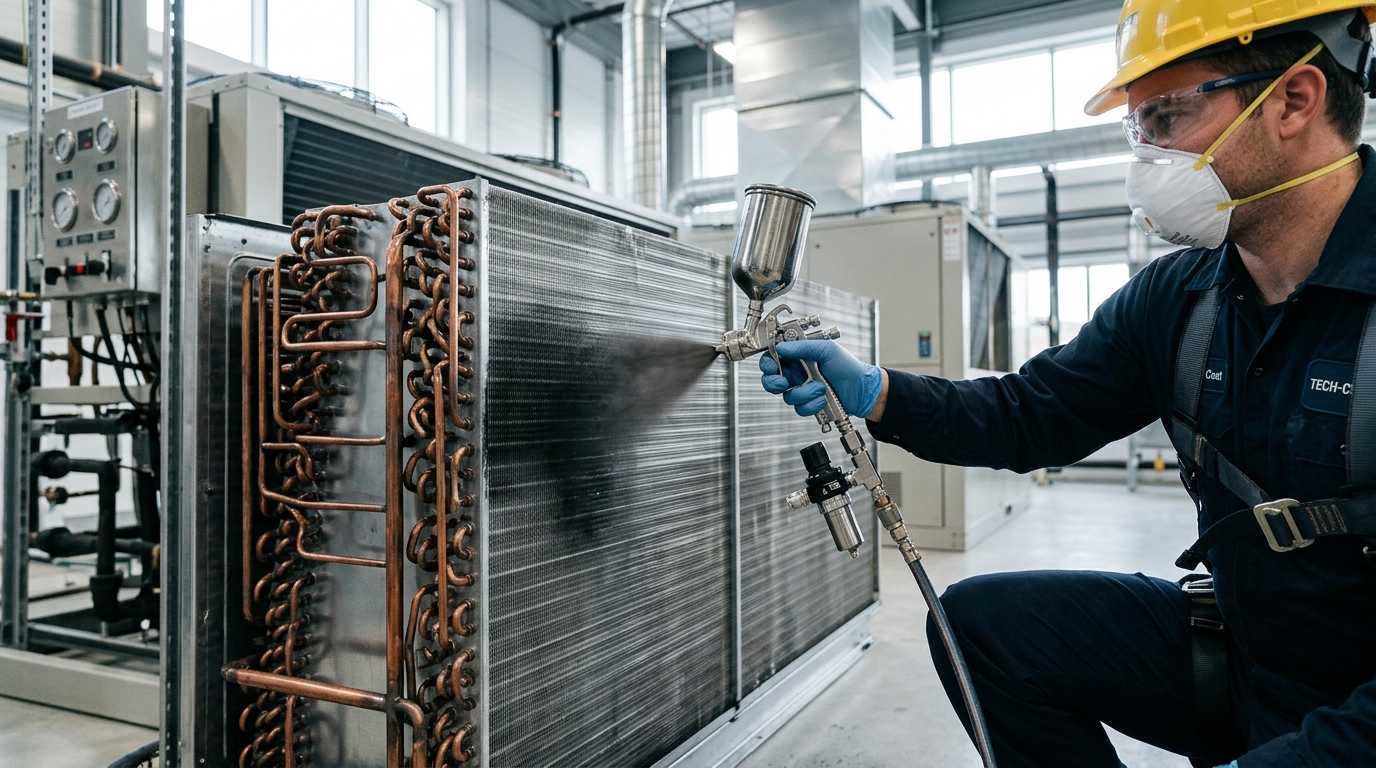
For display suppliers, the practical question is no longer only whether a coating works in the lab, but whether it can survive high-volume manufacturing and long service life inside a vehicle. Henkel said the new portfolio is designed to support spray and PVD application methods and can cure in as little as 30 minutes under heat.
Mass-production compatibility is the commercial test
That process window matters because display coatings must fit into tightly controlled assembly lines with predictable throughput. By emphasizing fast curing and compatibility with established application methods, Henkel is positioning the portfolio as a production option rather than a niche specialty layer.
Automotive displays are moving from secondary controls to primary interface surfaces, and the coatings that protect them now have to balance feel, durability and compliance. Henkel’s launch is a sign that the coating race in automotive interiors is shifting toward formulations that can meet both performance targets and chemical restrictions at scale.
Source: Henkel
Date: 2026-04-14