Canada backs Nano One’s lithium-iron-phosphate scale-up as battery materials race intensifies
Canada is putting fresh money behind battery materials manufacturing, awarding Nano One Materials $4.3 million to scale up its one-pot process for lithium iron phosphate at its Candiac, Quebec, facility. The funding was announced on April 8, 2026, as part of a broader federal battery innovation package that aims to strengthen domestic supply chains for critical minerals and battery inputs.
For Nano One, the support is aimed at a material that already sits deep inside the battery market. Lithium iron phosphate, often shortened to LFP, is widely used in electric-vehicle and energy-storage batteries because it offers a combination of cost, safety and durability that has made it a favored chemistry in large-scale commercialization efforts.
Nano One’s Candiac process gets a federal scale-up push
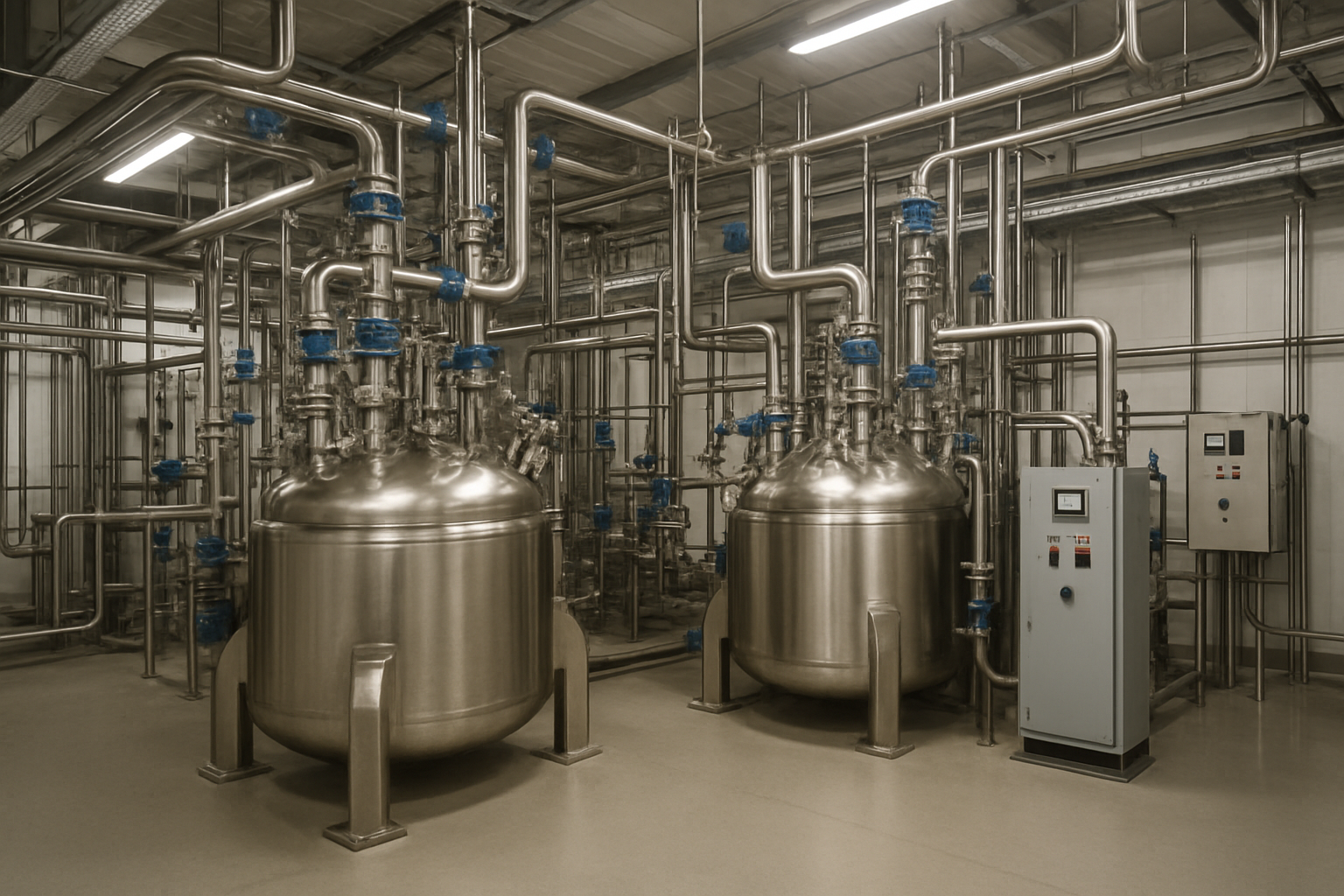
The $4.3 million award will support Nano One’s work to improve and scale production of LFP using its one-pot process, which is designed to simplify manufacturing and reduce complexity in battery-material production. The company said the funding builds on an earlier $5 million federal contribution announced in 2025 for the same Candiac site.
That makes the April 8 announcement less about basic research than about industrial readiness. The practical goal is to move a promising process further along the path from pilot-scale development toward a manufacturable platform that can serve battery customers at larger volumes.
Why lithium iron phosphate still matters in 2026
LFP remains one of the most commercially important cathode materials in the battery sector, especially where manufacturers want lower cost and strong thermal stability. It is already embedded in mainstream EV programs and energy-storage deployments, which means any credible improvement in how it is produced has direct implications for capital spending, supply resilience and eventual unit economics.
In that context, the Candiac project is significant because it speaks to where the battery market is actually spending money now: process scale-up, localization and manufacturability. Governments are increasingly backing materials producers that can help reduce dependence on overseas supply chains while meeting the quality demands of large battery customers.
Battery manufacturing, not just battery chemistry
The announcement also reflects a broader shift in nanomaterials and battery industrialization. In advanced batteries, the bottleneck is often not the concept of a material but the ability to make it consistently, at quality, and at commercial throughput. That is especially true for materials engineering platforms that depend on controlled particle properties, coatings and precursor handling.
For Nano One, federal support gives the company more room to refine the manufacturing side of its technology while the battery industry keeps pressing for lower-cost, scalable and geographically diversified supply. The immediate story is not a finished product launch; it is a funded move to make an already important battery material easier to produce at scale.
Source: Newswire.ca / Natural Resources Canada announcement
Date: 2026-04-08