Graphene-Enhanced Hydrogels: The Next Frontier in Tissue Engineering
Modern regenerative medicine is increasingly looking toward graphene-enhanced hydrogels as a solution for complex tissue repair. These advanced materials combine the soft, water-rich environment of traditional hydrogels with the exceptional mechanical strength and electrical properties of carbon nanomaterials.
As researchers move closer to clinical application, the focus has shifted from simple material synthesis to functional interaction with biological systems. While these developments show immense promise, it is important to note that most applications are currently in the research or preclinical phase, with long-term human safety and biocompatibility studies ongoing.
Key Takeaways
- Mechanical Reinforcement: Adding small amounts of graphene derivatives significantly boosts the tensile strength and elasticity of hydrogel scaffolds.
- Electrical Signaling: Graphene’s conductivity allows these scaffolds to support electrically active tissues, such as muscle and nerve fibers.
- Controlled Release: These materials can be engineered to release drugs or growth factors in response to external stimuli.
- Biocompatibility Focus: Current research prioritizes the development of non-toxic, surface-functionalized graphene to ensure cellular safety.
Bridging Mechanical and Biological Needs
The core challenge in tissue engineering has always been matching the physical properties of a synthetic scaffold with the native tissue it intends to replace. Traditional polymers often lack the structural integrity required for load-bearing applications or the conductivity needed for tissues like the heart or brain.
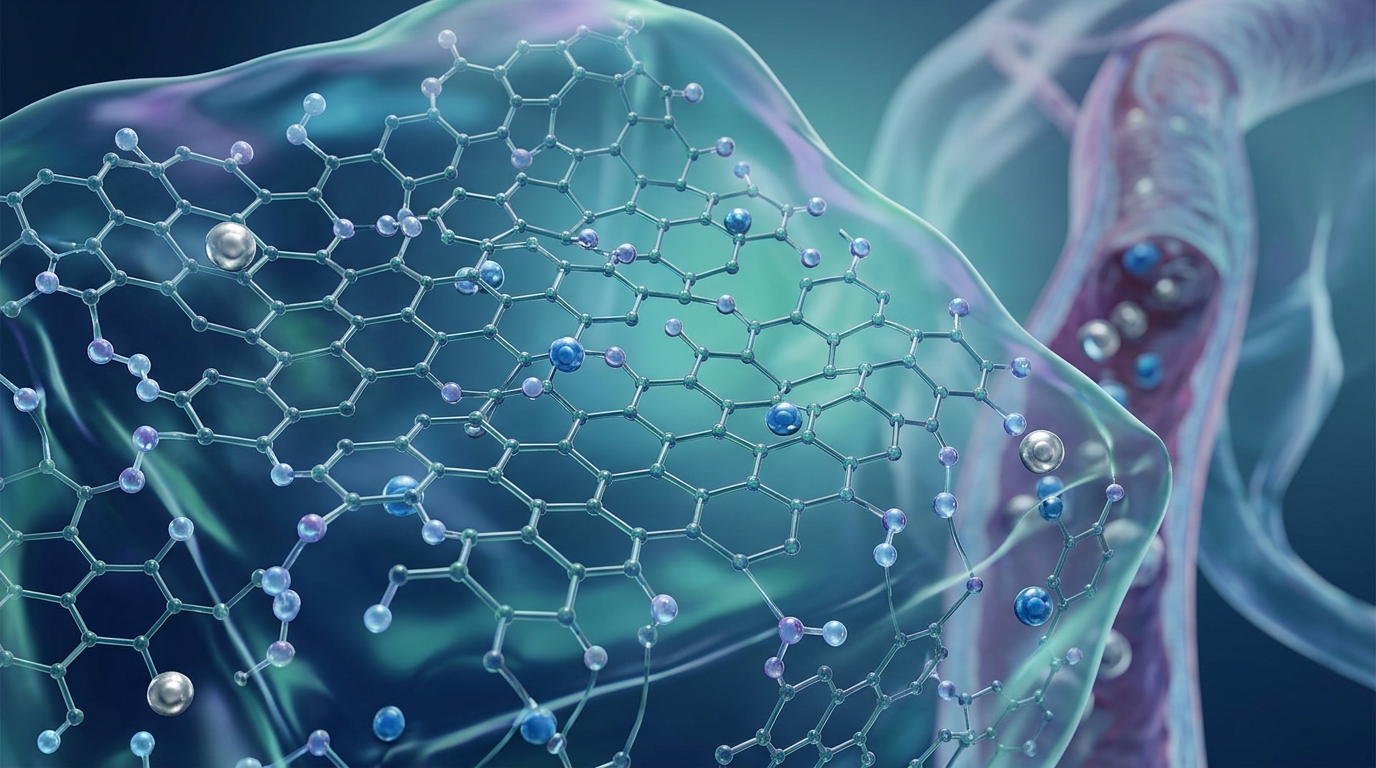
By incorporating graphene or graphene oxide (GO) nanosheets, scientists can create a composite material that mimics the extracellular matrix more effectively. The graphene acts as a reinforcement agent, creating a tougher, more durable scaffold that can withstand physiological movement while providing a stable surface for cell adhesion and proliferation.
Electrical Conductivity for Nerve and Muscle Repair
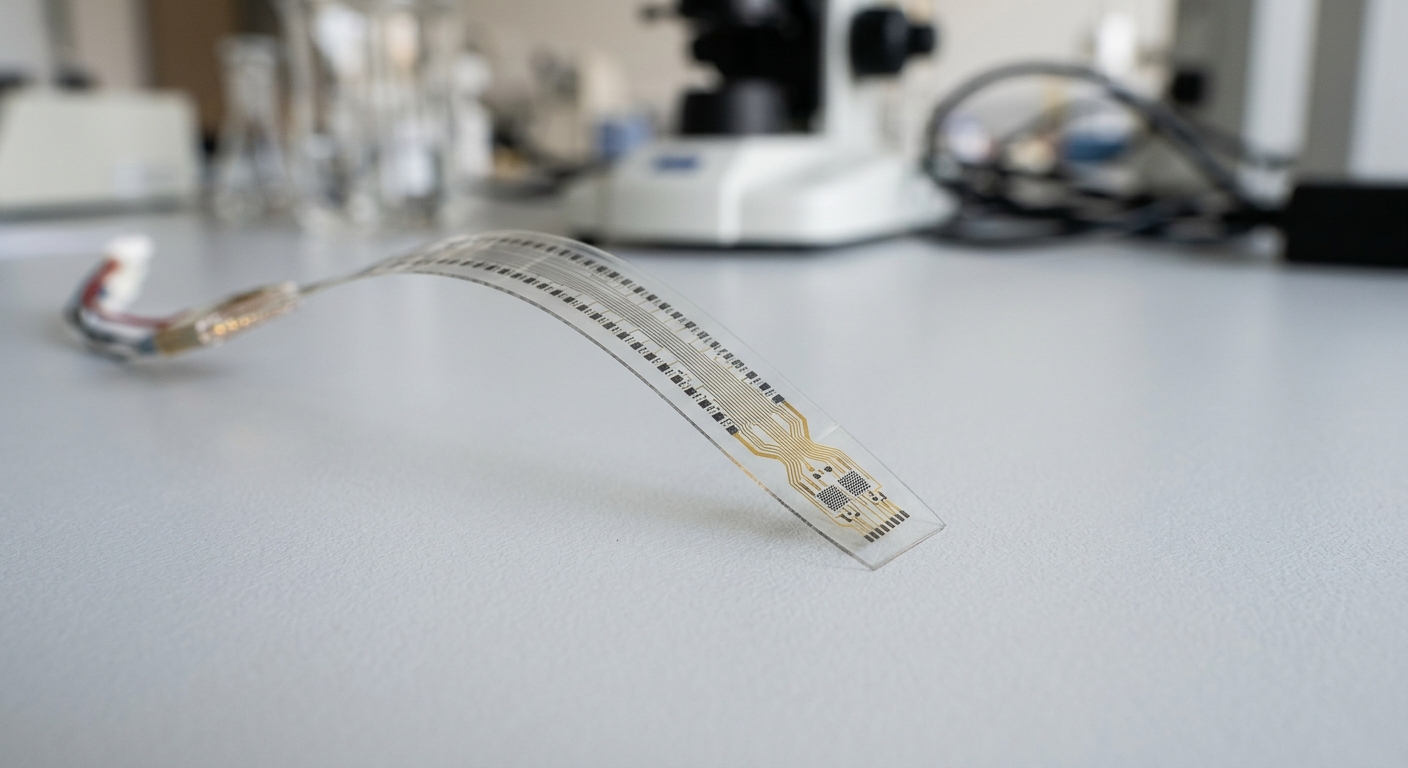
One of the most exciting aspects of this technology is the ability to transmit electrical signals. Tissues that rely on electrical impulses, such as neurons and cardiomyocytes (heart muscle cells), require a conductive environment to function correctly.
Graphene-enhanced hydrogels provide a bridge that allows these cells to communicate. By creating a conductive pathway, researchers have observed improved differentiation of stem cells into functional nerve or muscle cells compared to non-conductive scaffolds. This application is currently a major area of study for treating spinal cord injuries and cardiac tissue damage.
Functional Limits and Regulatory Path
Despite the potential, integrating nanomaterials into the body requires a high standard of safety. The industry is currently focused on optimizing the degradation rate of these materials. An ideal scaffold must provide support while the body heals, but then safely break down and be cleared from the system without triggering an inflammatory response.
| Feature | Traditional Hydrogels | Graphene-Enhanced Hydrogels |
|---|---|---|
| Mechanical Strength | Low to Moderate | High |
| Conductivity | Non-conductive | Highly Conductive |
| Biological Signaling | Limited | Enhanced/Tunable |
Frequently Asked Questions
Are graphene-enhanced hydrogels safe for human use?
Research is actively addressing safety through surface modification and careful control of dosage. Most current applications are in experimental or preclinical stages to ensure long-term biocompatibility and safety before human clinical trials.
Can these hydrogels be used for drug delivery?
Yes, the unique surface area of graphene allows for the high-loading capacity of medication. These hydrogels can be designed to release drugs in a controlled manner based on physical or chemical triggers in the body.
How do researchers ensure the graphene stays put?
The graphene is typically chemically bonded or physically trapped within the hydrogel matrix. Engineers use various cross-linking techniques to ensure that the nanomaterial is integrated stably into the structure.
Editorial Disclaimer
This article is provided for educational and informational purposes only. Details can change over time, so readers should verify important information with official sources, qualified professionals, manufacturers, publishers, or relevant authorities before making decisions.