
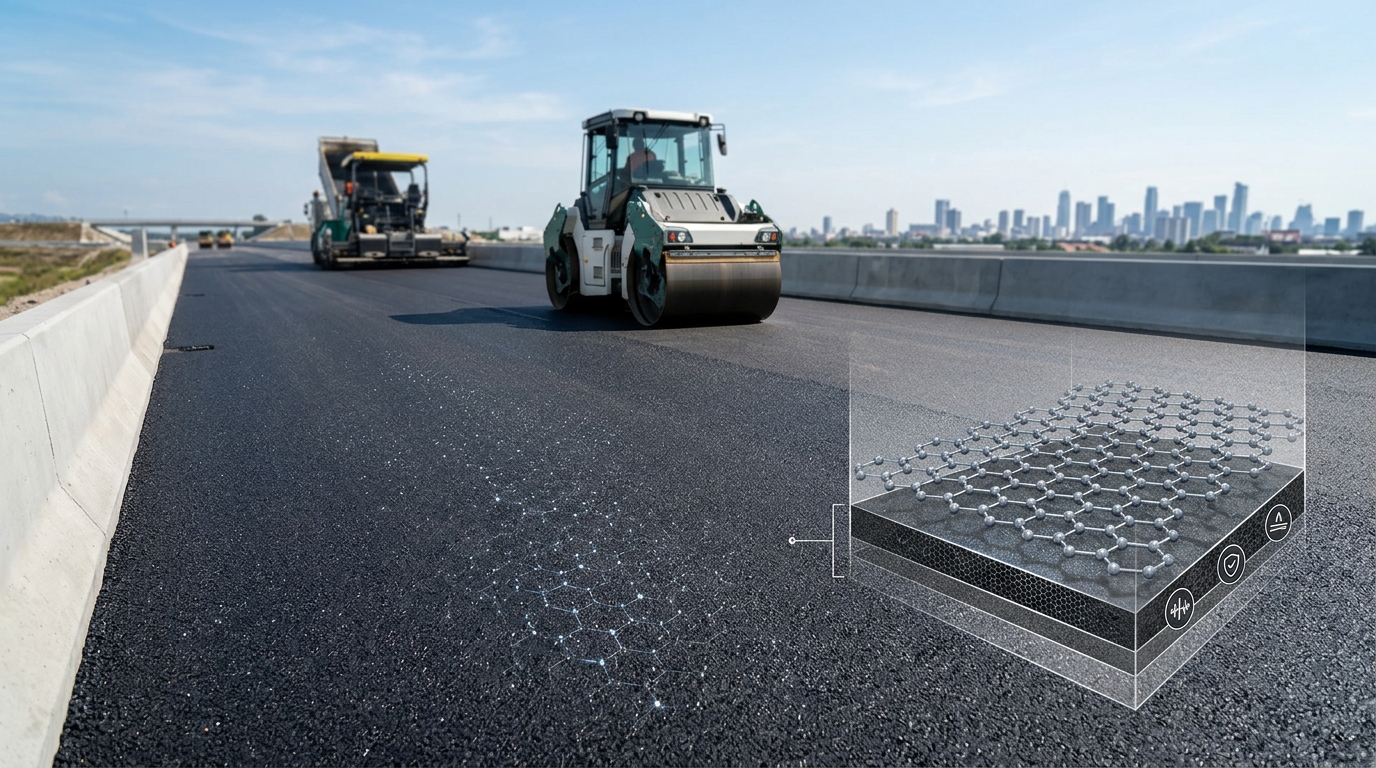
Roads of the Future: How Graphene-Infused Asphalt Is Reducing Maintenance Costs
The global infrastructure sector is quietly experimenting with a new frontier in material science: graphene-enhanced asphalt. By integrating nanomaterials into traditional bitumen mixtures, researchers and municipal planners aim to create road surfaces that are significantly more resistant to cracking, rutting, and extreme temperature fluctuations.
While standard asphalt is prone to degradation under heavy traffic and thermal stress, adding graphene alters the molecular structure of the binder. This shift allows for more durable, longer-lasting roadways that could theoretically reduce the frequency of costly public works projects. Current developments remain in the validation and pilot phase, with diverse testing outcomes depending on regional climate conditions and specific carbon-based additives used.
Key Takeaways
- Enhanced Durability: Graphene additives improve the fatigue resistance of asphalt, potentially extending the service life of pavement.
- Temperature Tolerance: Modified binders show better stability across both high-heat and freezing conditions, reducing seasonal road damage.
- Economic Impact: While upfront material costs are higher, the long-term reduction in maintenance and repaving frequency offers potential for significant public savings.
- Sustainability Angle: Longer road life translates to lower resource consumption and reduced environmental impact over the infrastructure lifecycle.
How Graphene Modifies Asphalt Performance
At the microscopic level, adding graphene to bitumen creates a reinforced matrix. Standard asphalt acts like a viscous liquid; however, the addition of carbon nanotubes or graphene nanoplatelets creates a stronger internal network. This architecture effectively bridges micro-cracks before they can propagate into larger potholes or structural failures.
Field tests have indicated that these roads show improved resistance to permanent deformation, commonly known as rutting, which occurs when heavy vehicles repeatedly pass over asphalt in high temperatures. By reinforcing the bitumen, the material maintains its structural integrity without becoming soft and malleable during summer heatwaves.
Barriers to Widespread Implementation
Despite the technical promise, several factors currently limit the mass adoption of graphene in civil engineering:
- Supply Chain Scalability: Producing high-quality graphene at a volume suitable for highway construction remains a manufacturing challenge.
- Integration Complexity: Achieving a uniform dispersion of graphene particles within the asphalt mix is difficult and requires specialized industrial equipment.
- Regulatory Standards: Infrastructure projects are governed by strict safety and material standards; updating these to include nanomaterials is a slow, methodical process.
What to Watch Next
The transition from experimental lab batches to city-wide infrastructure hinges on data from ongoing long-term performance trials. As municipalities seek to optimize budget spending, the focus will likely move toward life-cycle cost analysis. If the data continues to show that graphene-enhanced roads last 30% to 50% longer than traditional surfaces, the higher initial cost will likely become secondary to the long-term maintenance savings.
Frequently Asked Questions
Does graphene make roads waterproof?
Graphene additives improve the hydrophobic nature of the asphalt binder, which helps prevent water from penetrating the surface. This is critical for preventing freeze-thaw damage, where water enters cracks, freezes, and expands to shatter the pavement.
Is this technology already being used on public highways?
Various pilot programs are currently active in several countries. However, these are largely localized trials rather than widespread national highway standards, as engineers monitor the material’s performance over several years of real-world traffic.
How does this impact the environment?
By extending the life of road surfaces, the need for frequent reconstruction is minimized. This reduces the carbon footprint associated with manufacturing, transporting, and laying new asphalt.
Editorial Disclaimer
This article is provided for educational and informational purposes only. Details can change over time, so readers should verify important information with official sources, qualified professionals, manufacturers, publishers, or relevant authorities before making decisions.