
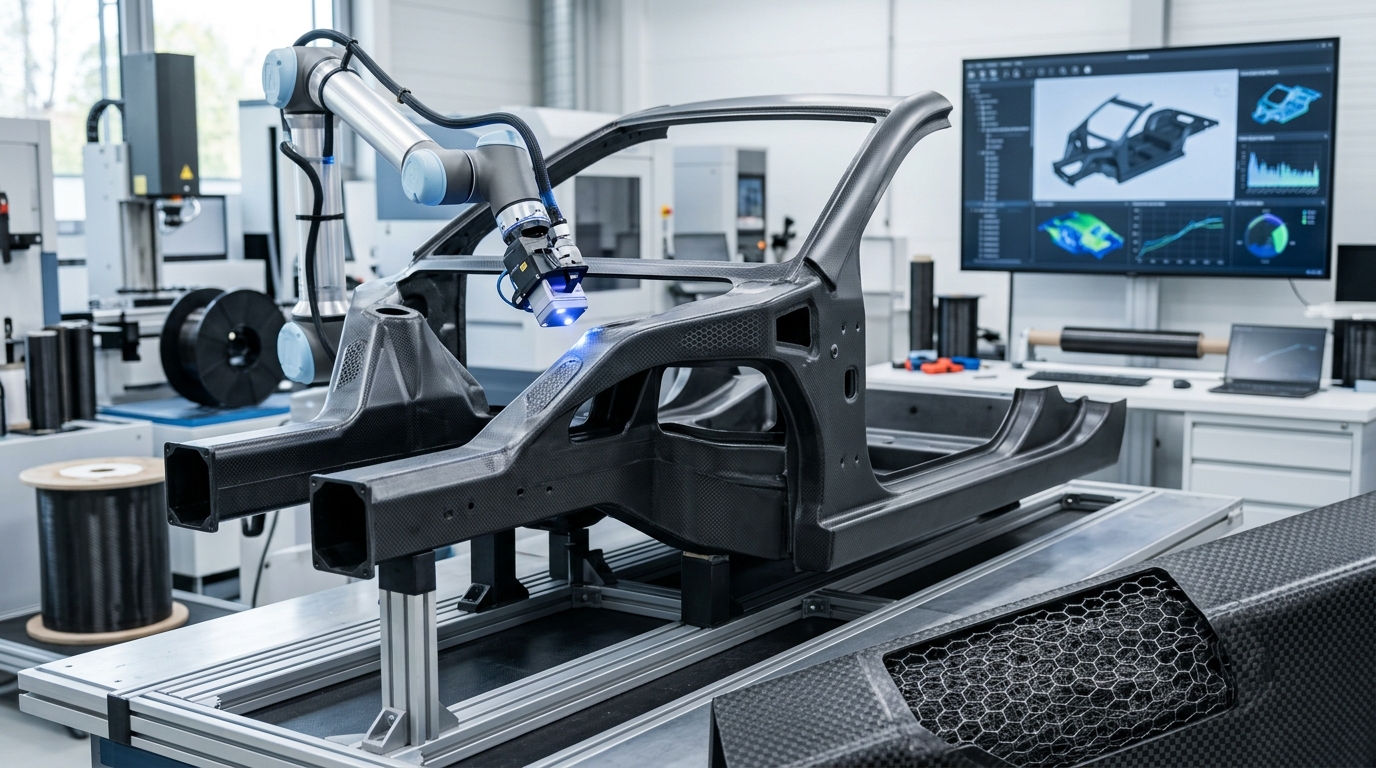
Graphene in Automotive Structures: Moving Beyond Coatings to Lightweighting
The automotive industry is increasingly exploring graphene-enhanced composites to develop lightweight structural components that can help extend the range of electric vehicles and improve the fuel efficiency of internal combustion models. While the industry has long utilized graphene for protective surface coatings, the focus is now shifting toward integrating this nanomaterial directly into the vehicle’s frame, body panels, and interior structural elements.
This transition represents a significant evolution in material science for automotive manufacturing. By incorporating graphene into polymers and metals, engineers aim to increase the strength-to-weight ratio of parts, allowing for thinner, lighter designs that maintain or exceed current safety and durability standards. However, widespread adoption still faces hurdles related to cost-effective mass production and standardization of material quality across the supply chain.
Key Takeaways
- Weight Reduction: Graphene-reinforced composites allow for lighter components without compromising mechanical integrity.
- Material Versatility: Applications range from reinforced plastics and resins to advanced metal alloys for chassis and body parts.
- Range Impact: Reducing vehicle curb weight is a critical strategy for maximizing battery range in electric vehicle (EV) platforms.
- Manufacturing Challenges: Scaling production from laboratory results to industrial-grade automotive parts remains the primary barrier to adoption.
The Drive Toward Lightweighting
Automotive designers are under constant pressure to shed weight. Every kilogram removed directly translates to improved performance and reduced energy consumption. Traditional materials like steel and aluminum have reached maturity in terms of weight optimization. Graphene nanoplatelets are now being studied as a reinforcing agent that can bridge the gap, potentially allowing plastics and composite materials to replace heavier metal components in non-critical structural areas.
Benefits for Electric Vehicle Platforms
For EVs, weight is the enemy of efficiency. Because batteries are inherently heavy, the rest of the vehicle must be as light as possible to maintain a competitive driving range. Integrating graphene into structural composites offers a pathway to offset battery weight. By utilizing graphene-infused carbon fiber or reinforced polymers, manufacturers can design lighter doors, dashboards, and structural supports that provide the necessary rigidity while reducing the vehicle’s total mass.
Comparing Material Integration Approaches
| Approach | Primary Benefit | Key Challenge |
|---|---|---|
| Surface Coatings | Corrosion and scratch resistance | Limited structural contribution |
| Reinforced Plastics | Reduced weight, high durability | High manufacturing cost |
| Metal Matrix Composites | Extreme stiffness and strength | Difficult to process at scale |
What Readers Should Know Next
While the potential for graphene-enhanced structures is high, the automotive sector remains conservative regarding new materials. Safety testing is rigorous, and any change to a structural material requires extensive validation. Consumers should expect to see graphene first appearing in niche, high-performance, or luxury vehicle components before it potentially trickles down to mass-market production models over the next several years.
Frequently Asked Questions
Is graphene currently used in car frames?
Currently, graphene usage is largely concentrated in advanced composites, coatings, and specific interior or exterior trim pieces. Large-scale structural frame application is still in the research and development phase.
Does graphene make a car safer?
If successfully integrated into structural parts, graphene can potentially improve the energy-absorption properties and rigidity of components, which could contribute to safer vehicle designs if properly engineered.
How does graphene help EVs?
By enabling lighter-weight materials, graphene helps reduce the total vehicle weight, which allows electric motors to work more efficiently and extends the distance the vehicle can travel on a single battery charge.
Editorial Disclaimer
This article is provided for educational and informational purposes only. Details can change over time, so readers should verify important information with official sources, qualified professionals, manufacturers, publishers, or relevant authorities before making decisions.