
Graphene Coatings: Why They Are Changing Industrial Corrosion Protection in 2026
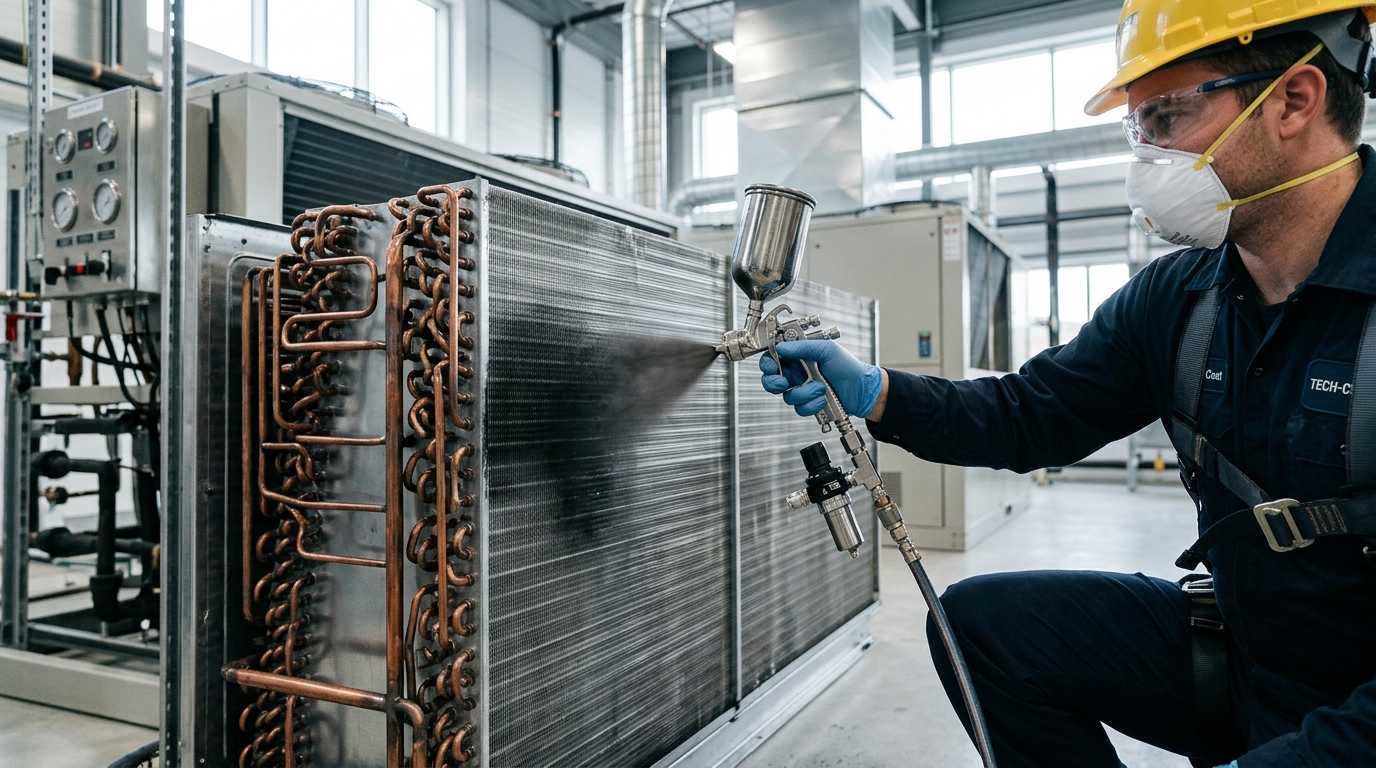
Graphene-enhanced coatings are rapidly emerging as a superior solution for protecting industrial infrastructure from harsh environmental conditions. By integrating atom-thin layers of carbon into traditional coating formulations, manufacturers are creating barriers that offer significantly enhanced resistance to rust, chemical degradation, and wear.
While the potential of this material has been discussed for years, 2026 marks a pivotal shift toward widespread commercial adoption. Recent regulatory approvals, including clearances from the U.S. EPA, have cleared the path for these products to move from controlled pilot tests into broad industrial application, changing how asset managers and engineers approach long-term maintenance.
Key Takeaways
- Superior Barrier Properties: Graphene’s impermeable atomic structure prevents water, oxygen, and corrosive ions from reaching metal surfaces.
- Commercial Momentum: 2026 has seen a surge in regulatory clearances, allowing for legitimate, large-scale deployment of these coatings in North American and global markets.
- Efficiency Gains: Beyond rust prevention, these coatings often reduce the need for frequent re-application, leading to lower long-term maintenance costs.
- Regulatory Compliance: As companies navigate environmental standards, graphene additives are helping formulate coatings that meet modern safety and performance expectations.
How Graphene Improves Coating Performance
Traditional anti-corrosion coatings often rely on chemical inhibitors that can break down over time. Graphene changes this dynamic through its physical structure. When dispersed correctly within a resin or polymer matrix, graphene flakes create a “tortuous path” for corrosive molecules.
Essentially, any moisture or salt attempting to penetrate the coating must navigate a complex maze of graphene sheets. This physical barrier effect is highly effective at slowing down the electrochemical processes that cause oxidation and rust, extending the service life of steel structures, marine vessels, and industrial piping.
Market Context and Commercialization
The transition from lab-scale research to industrial application has been the biggest hurdle for graphene. However, recent developments highlight a maturing supply chain. Major industry players have successfully secured the necessary safety and environmental certifications to bring these products to market in 2026.
| Feature | Traditional Coatings | Graphene-Enhanced |
|---|---|---|
| Barrier Mechanism | Chemical/Polymer | Physical Tortuous Path |
| Durability | Standard | High (Enhanced) |
| Maintenance Frequency | Moderate | Lower (Potential) |
What Readers and Buyers Should Know
If you are considering graphene-enhanced coatings for industrial or commercial projects, it is essential to focus on product specifications rather than general hype. Not all graphene additives provide the same performance benefits; dispersion quality and the type of graphene (e.g., graphene nanoplatelets vs. graphene oxide) can drastically change the outcome.
Always request technical data sheets that demonstrate corrosion resistance testing (such as salt spray test results) specific to the substrate you are coating. As of mid-2026, ensure the products you choose are compliant with local environmental regulations and that the manufacturer has cleared the necessary safety hurdles for your specific region.
Frequently Asked Questions
Are graphene coatings safe for the environment?
Generally, yes, when properly formulated. Recent regulatory approvals, such as those from the EPA, indicate that these materials are being evaluated for safety and environmental impact before entering the commercial market.
Do graphene coatings work on all surfaces?
While primarily designed for metals like steel and aluminum to prevent corrosion, research is expanding into applications for glass, concrete, and other surfaces. Always verify compatibility with the manufacturer before application.
Is the cost of graphene coating significantly higher?
While the initial material cost of graphene-enhanced products may be higher than conventional paints, the total cost of ownership is often lower due to increased longevity and reduced maintenance intervals.
Editorial Disclaimer
This article is provided for educational and informational purposes only. Details can change over time, so readers should verify important information with official sources, qualified professionals, manufacturers, publishers, or relevant authorities before making decisions.