Terra Innovatum says graphite core prototype clears manufacturing milestone for SOLO micro-reactor
Terra Innovatum Global and Mersen said on April 14, 2026, that they have successfully produced and validated a graphite reactor core prototype for the SOLO micro-reactor, a manufacturing step the companies link to the project’s first deployment target in 2027. The announcement adds a concrete hardware milestone to a program that has been moving from materials sourcing toward system-level execution.
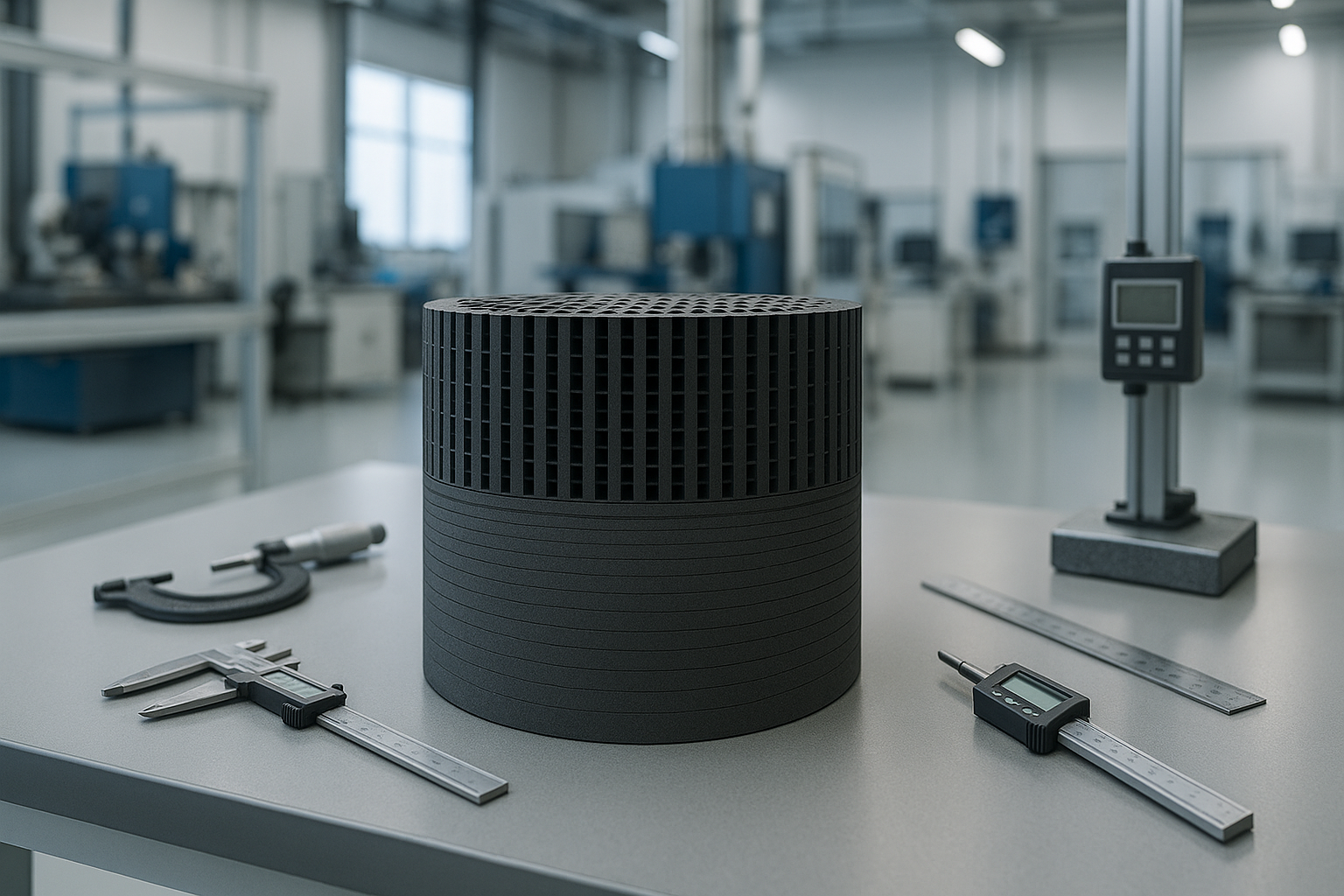
Graphite prototype validated for reactor-core use
The companies said the engineering prototype was manufactured to required tolerances and is intended to support SOLO’s first-of-a-kind deployment. Terra Innovatum described the part as a graphite reactor core prototype, and said the work helps confirm reactor system integration and readiness for serialized production.
Mersen, which supplied advanced materials expertise for the effort, said the prototype represents a meaningful technical step in the realization of the reactor core. The companies did not disclose financial terms, but the announcement frames the work as part of a longer development path toward repeatable manufacturing.
Why this graphite milestone matters now
For Terra Innovatum, the significance is less about a single component than about proving that critical reactor materials can be sourced, processed and assembled within the tolerances required for a nuclear application. In a sector where supply chain qualification can be as important as design work, a validated graphite prototype is a practical signal that the project has moved beyond concept-level positioning.
The company said the milestone supports its first deployment, or FOAK, targeted for 2027 and its next-of-a-kind commercialization phase in 2028. Those dates matter because nuclear hardware programs often run into delays at the interface of design, materials qualification and manufacturing scale-up.
Advanced materials are becoming the bottleneck
Graphite is not graphene, but both sit inside the wider advanced-carbon materials ecosystem that continues to draw industrial interest. In nuclear systems, graphite can serve as a structural and functional material that must meet tight performance and consistency requirements. That makes validation work especially important when a program is trying to move from prototype to repeatable production.
Terra Innovatum said the prototype also establishes procedures and quality standards for scalable deployment. That is the key commercial bridge: if the company can replicate the part reliably, it gains a clearer path from one-off manufacturing into serial production, where nuclear developers often face the hardest technical and operational hurdles.
What Terra Innovatum and Mersen have shown
The April 14 update follows prior collaboration between the two companies on nuclear-grade graphite and critical material procurement. In this case, the result is not a finished reactor, but a validated core component that can now be used as a reference point for the next stage of build-out.
For the wider advanced-materials market, the milestone is another reminder that commercialization is often won at the component level first. A successful prototype does not guarantee deployment, but it does show that the supply chain and manufacturing process are moving in the same direction as the design.
Source: GlobeNewswire / Terra Innovatum Global N.V.
Date: 2026-04-14T08:00:00Z