Oregon State team pairs reduced graphene oxide with oxide chemistry for faster food testing
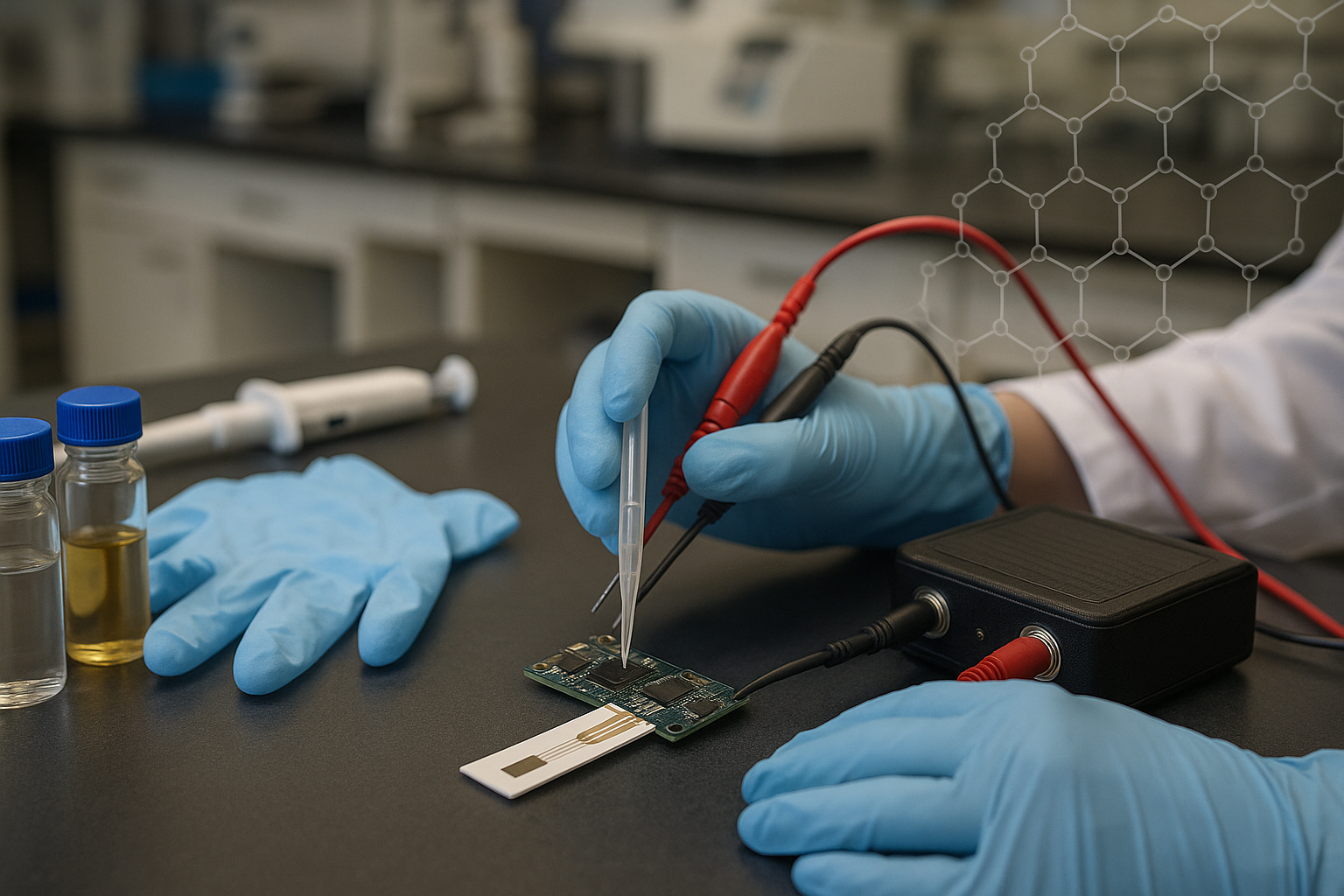
Oregon State University researchers have reported an electrochemical sensor that uses reduced graphene oxide in a conductive nanocomposite designed to speed food-quality testing. The device was engineered to detect theobromine, a marker compound found in products including tea, coffee and chocolate milk, and the work was presented as a step toward faster, cheaper screening outside conventional laboratory workflows.
Reduced graphene oxide sits at the center of the sensing layer
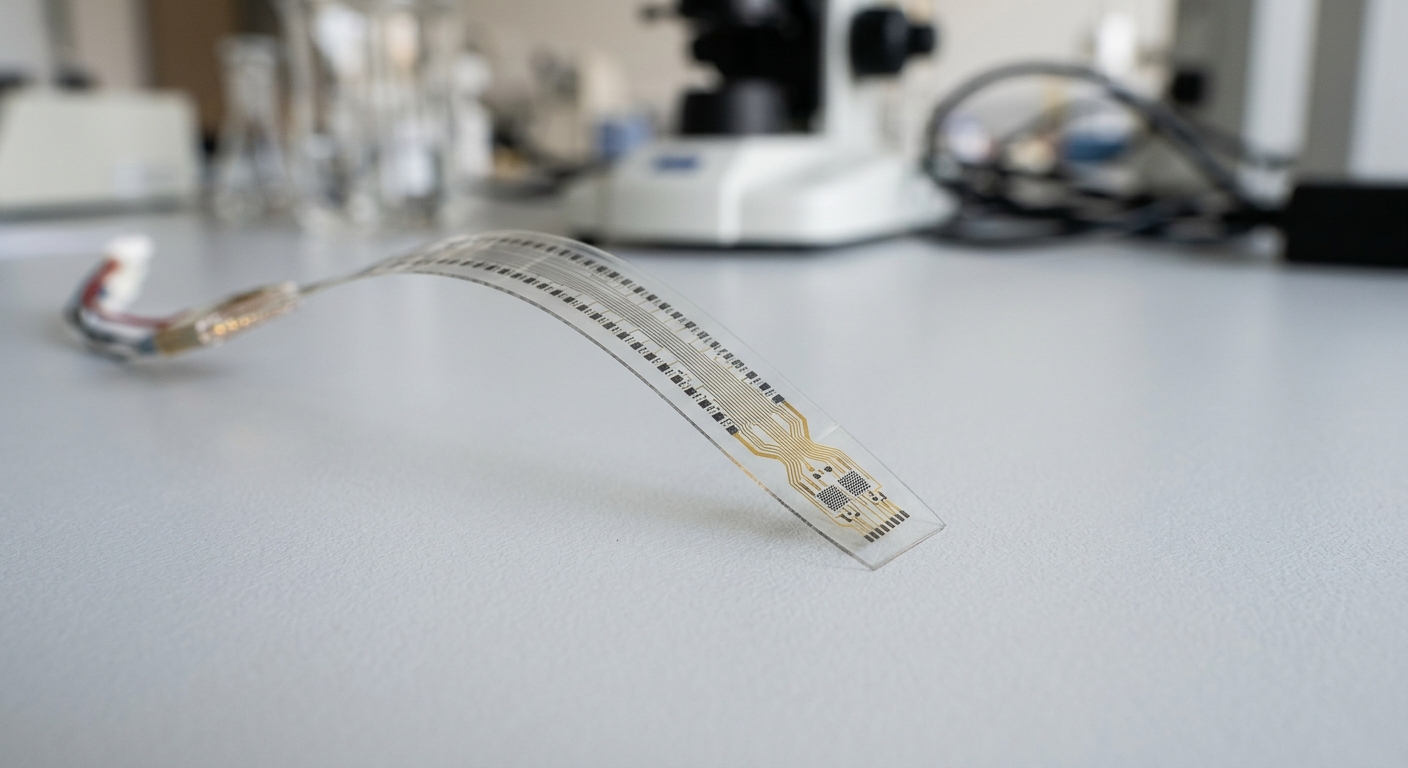
The sensor combines strontium oxide, functionalized carbon black and reduced graphene oxide into a nanocomposite interface built to improve conductivity, adsorption and electron transfer. In the reported tests, that structure helped the system oxidize theobromine more efficiently across beverage samples, including barley tea, black tea, green tea, coffee and chocolate milk.
That materials choice matters because it keeps the graphene component in a realistic role: not as a headline material on its own, but as part of an engineered sensing stack. For practical sensors, interface design often determines whether the device can translate a lab effect into repeatable measurements.
Why the Oregon State result is more than a lab demonstration
Food testing still relies heavily on centralized instrumentation, trained technicians and slower sample handling. A sensor that can reduce the number of steps between sampling and readout has obvious value for quality control, especially in production lines and inspection settings where speed and cost matter as much as analytical sensitivity.
The reported device also fits a broader push in graphene-enabled sensing toward devices that are more deployable than the first wave of proof-of-concept experiments. Instead of chasing exotic readouts alone, the work focuses on a chemically specific target and a sensing architecture that could be adapted to routine screening.
Graphene sensors are moving toward application-specific designs
That shift is important because graphene sensors have long been strongest in demonstrations of sensitivity, while commercial adoption has depended on stability, reproducibility and manufacturability. By using reduced graphene oxide inside a composite rather than relying on a fragile single-material device, the Oregon State approach reflects the kind of engineering that usually comes before real-world deployment.
It is also a reminder that the most credible graphene sensor advances in 2026 are increasingly about system integration: matching the material, target analyte and measurement environment instead of treating graphene as a one-size-fits-all platform.
The new sensor is still a research result, but it points toward a more operational version of graphene-enabled diagnostics — one built around faster screening, simpler workflows and less dependence on conventional lab infrastructure.
Source: Phys.org
Date: 2026-04-13