Adisyn says it demonstrated low-temperature graphene deposition for semiconductor wafers
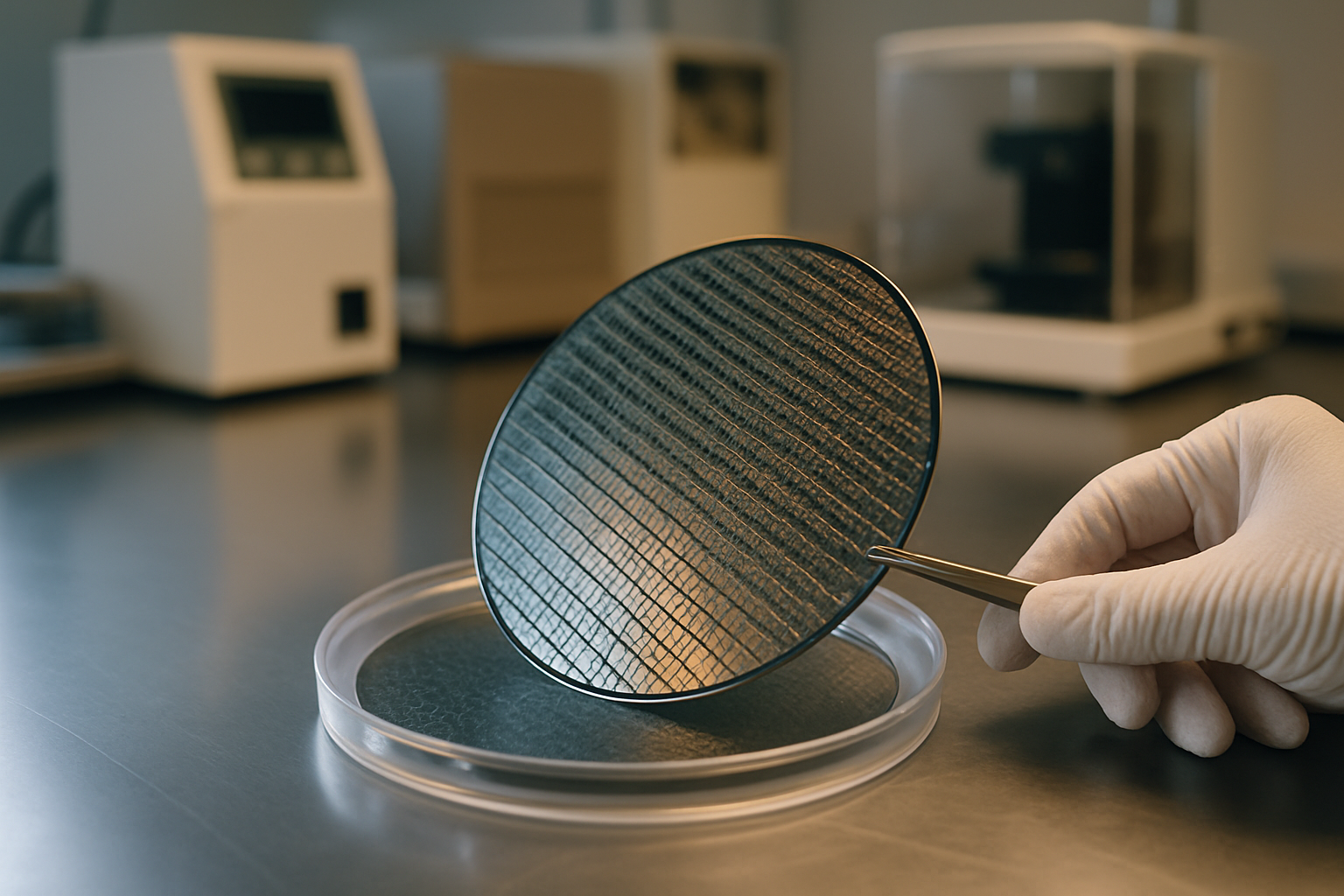
Adisyn said on April 20, 2026, that it had demonstrated graphene formed at low temperature for semiconductor use, a process milestone aimed at reducing one of the material’s biggest manufacturing barriers: compatibility with existing chip fabrication flows.
Graphene deposition at chip-friendly temperatures
The company’s announcement centers on a deposition process it says can place graphene on semiconductor substrates without the high heat that can compromise delicate transistor structures, dielectric layers and other parts of a finished wafer. Adisyn framed the result as a step toward integrating graphene into semiconductor manufacturing rather than treating it as a laboratory-only material.
The update followed a series of recent company announcements on its semiconductor program, including a trading halt and investor materials posted on April 22, 2026. In the company’s ASX filing list, the graphene milestone was the most directly relevant development for the chip materials effort.
Why the temperature constraint matters
Heat is one of the central practical limits in advanced chip production. Any graphene process that can run at lower temperatures has a better chance of fitting into existing fabrication environments, especially where manufacturers are trying to preserve finished structures or add new functional layers late in the process.
That makes the claim newsworthy even before commercial scale is proven. Graphene has long been discussed as a candidate for faster interconnects, specialized sensors and other semiconductor applications, but the transition from promising material to manufacturable process has repeatedly depended on whether it can be deposited cleanly, consistently and without disrupting established production lines.
A step toward industrial validation
Adisyn has been positioning the work around chip manufacturing rather than broader graphene uses, which narrows the commercial question to whether the process can be reproduced in semiconductor environments and evaluated by potential manufacturing partners. The company’s disclosure does not by itself establish volume production or customer adoption, but it does mark a technical step that could open that next stage of testing.
For the graphene sector, the significance lies less in the material itself than in the integration problem. A low-temperature method does not solve every hurdle, but it is the kind of process milestone that can determine whether a graphene concept stays in the research queue or moves closer to a fab-line trial.
Source: ASX company announcements for Adisyn Ltd
Date: 2026-04-20