Hememics and General Graphene move 32-plex graphene biosensors closer to scale production
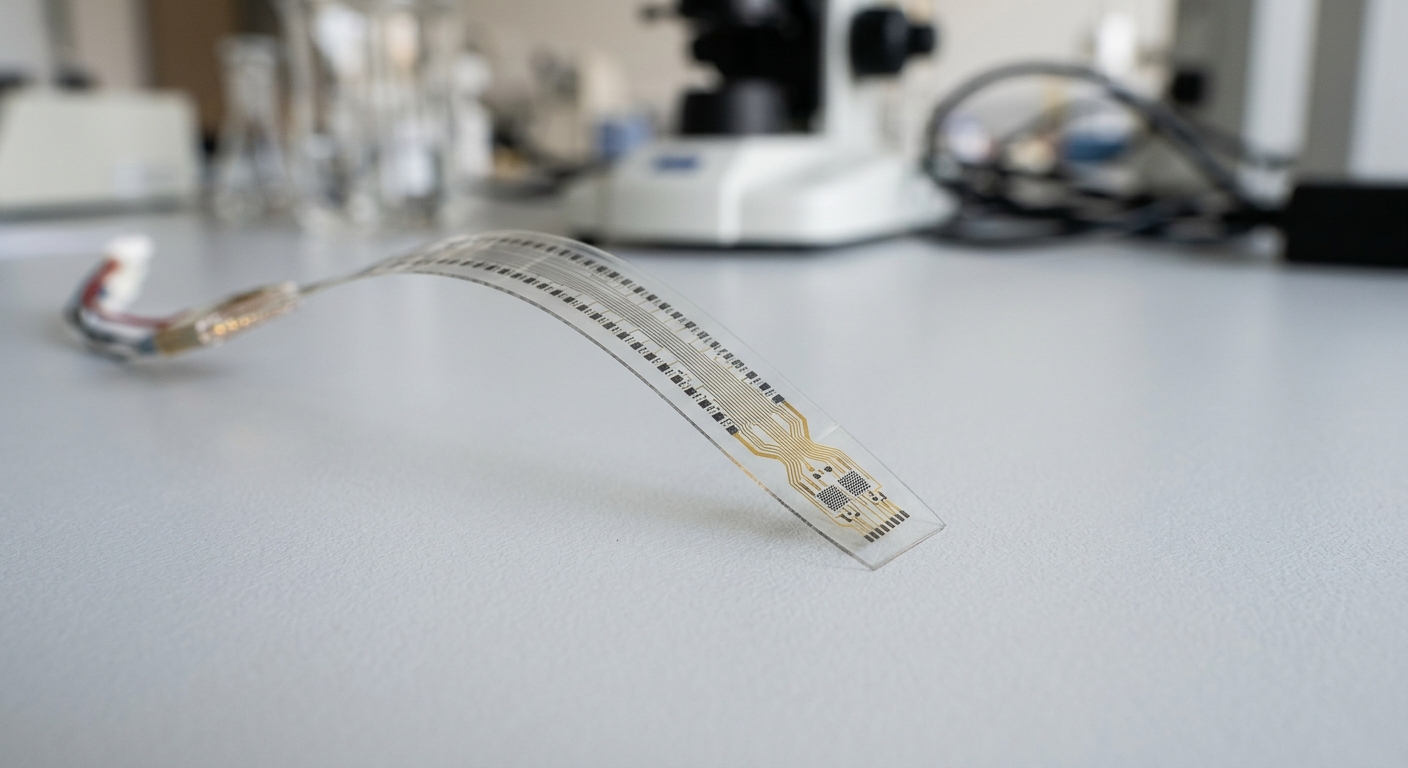
Hememics Biotechnologies and General Graphene say they have manufactured more than 100,000 graphene biosensors over the past nine months, a production milestone that puts a 32-plex diagnostic platform closer to human trials. The companies said the chips were built through a non-cleanroom process, part of a long-running collaboration aimed at turning graphene biosensing into a scalable test format.
More than 100,000 chips mark a manufacturing threshold
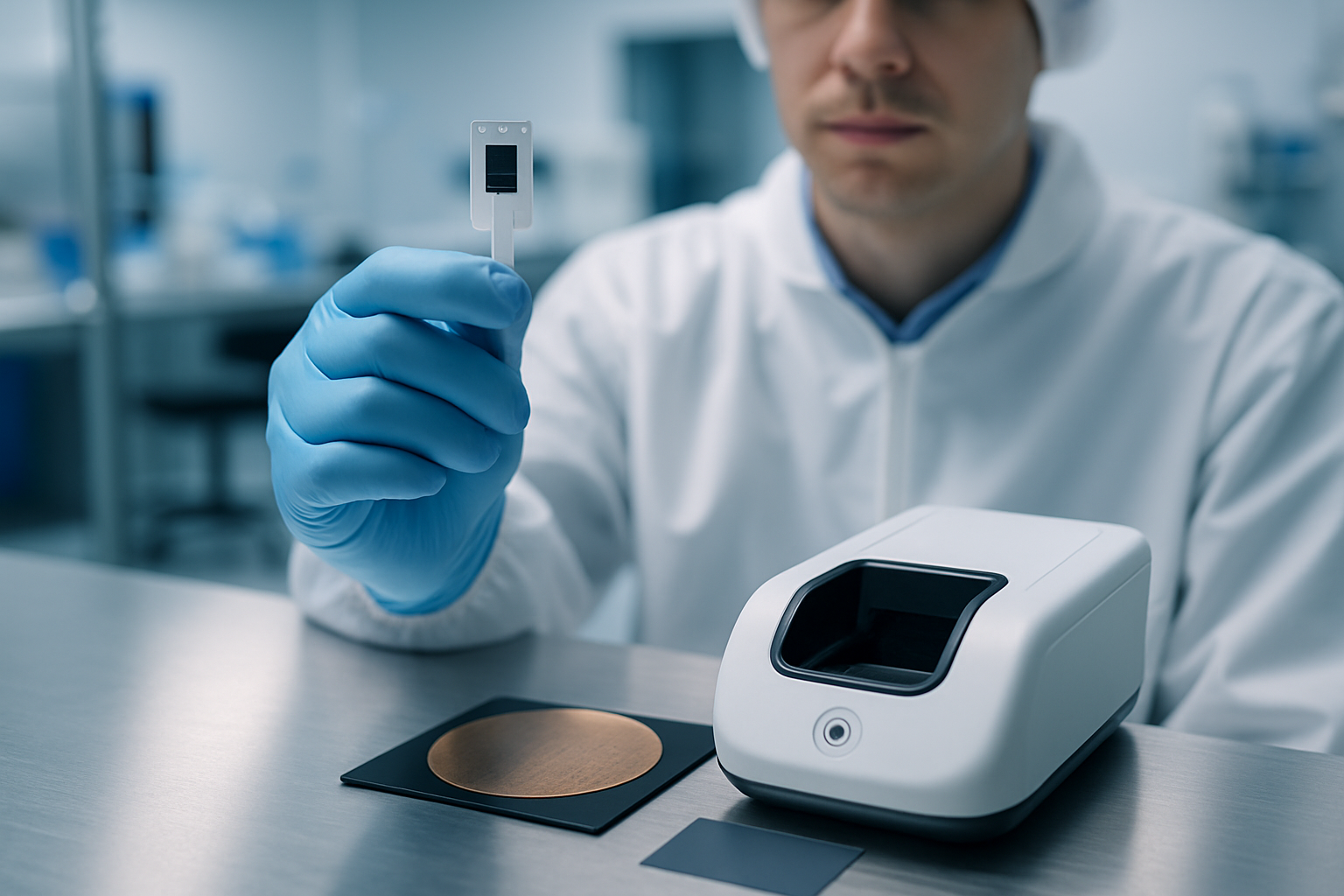
The companies said the run included graphene sensor chips that were functionalized and tested for molecular and antigen detection, with results delivered in as little as five minutes. According to the release, the platform has been evaluated against targets such as SEB and ricin and has reached consistent sensitivities in the low picomolar range. Hememics said the latest testing is intended to help refine chip design before products move toward human trials.
That matters because graphene biosensors have often been strongest in the lab and weaker in manufacturing. Reaching six-figure output suggests the program is trying to clear a more practical hurdle: whether the devices can be made repeatably enough, and cheaply enough, to support real diagnostic workflows outside a research setting.
A graphene foundry model built around roll-to-roll production
General Graphene described itself as a pure-play CVD graphene foundry, using roll-to-roll manufacturing to produce large-area graphene at scale. Hememics said the partnership combines that materials capability with its own detection chemistry and long-shelf-life biology, creating a platform intended for point-of-care testing of pathogens and environmental toxins.
The companies also said the disposable chip format could detect multiple pathogens from a single saliva or blood sample and that the platform is designed to remain cost competitive on a per-test basis. If those claims hold through clinical and commercial validation, the system would address one of the central problems in graphene diagnostics: translating exceptional sensitivity into something that can be manufactured consistently and deployed outside specialized facilities.
For graphene sensors, that transition from prototype to production is often the real test. This latest milestone does not amount to a market launch, but it does show the platform moving past one of the most common failure points in advanced diagnostics: scale.
Source: PR Newswire
Date: 2023-06-08T08:57:00-04:00